Ever wondered why your dryer vent matters? Dryer vents expel hot, moist air from your dryer, preventing hazards. Common issues include lint buildup and poor sealing, risking efficiency and safety. In this post, you'll learn about the importance of proper sealing, especially on aluminum coil vents, ensuring a safe, efficient dryer system.
Understanding Dryer Vent Materials
When it comes to dryer vents, the choice of material plays a big role in safety and efficiency. Dryer vents carry hot, moist air and lint from your dryer to the outside. Because of this, the material needs to handle heat well and resist damage.
Overview of Dryer Vent Materials
Dryer vents commonly use materials like:
Rigid metal ducts: Usually made from galvanized steel or aluminum. They are durable, smooth inside, and resist lint buildup.
Flexible metal ducts: Made from coiled aluminum or other metals, they bend easily and are often used for tight spaces.
Plastic or vinyl ducts: These are less common and generally not recommended due to fire hazards and lint buildup.
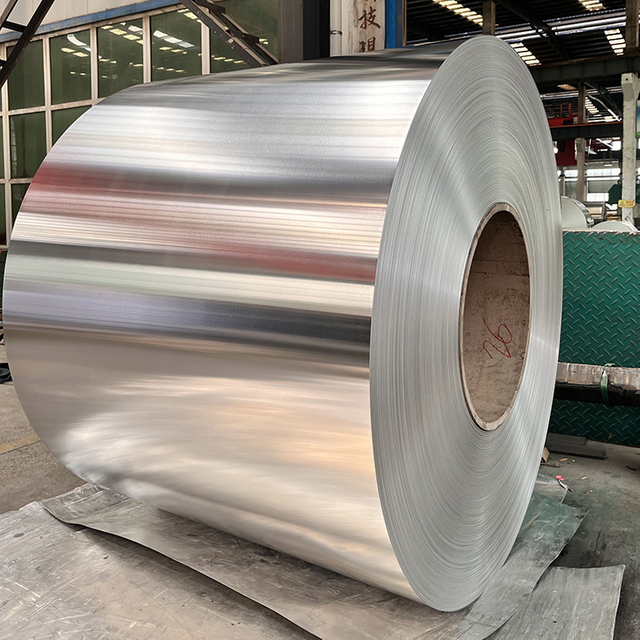
Aluminum coil ducts: A type of flexible metal duct made from thin aluminum strips coiled into a tube shape.
Aluminum Coil as a Dryer Vent Material
Aluminum coil ducts are popular because they combine flexibility and heat resistance. They can bend around corners and fit into tight spots, making installation easier than rigid ducts.
The coil design allows air to flow smoothly while resisting crushing or kinks, which helps maintain good airflow. Since aluminum is metal, it can handle the heat generated by dryers without melting or catching fire.
Advantages of Using Aluminum Coil
Heat resistance: Aluminum handles high temperatures without degrading.
Flexibility: Easy to install in complex or tight spaces.
Durability: Resistant to crushing, dents, and damage.
Lightweight: Easier to handle than rigid metal ducts.
Cost-effective: Generally less expensive than rigid metal ducts but still safe and reliable.
However, aluminum coil ducts should be sealed properly at joints to prevent leaks and lint escape. Using the right sealing materials, like foil tape, is crucial to maintain safety and efficiency.
In summary, aluminum coil dryer vents offer a good balance of flexibility, durability, and heat resistance, making them a preferred choice for many installations. Just remember to seal and maintain them properly for the best performance.
Always ensure your dryer vent materials meet local building codes and safety standards to avoid fire hazards and maintain efficient dryer operation.
Can You Use Duct Tape on Dryer Vents?
When it comes to sealing dryer vents, many wonder if duct tape is a good choice, especially on aluminum coil vents. The short answer: duct tape is not recommended for this use. Although duct tape is handy for many fixes, it falls short in dryer vent applications due to heat and safety concerns.
Why Duct Tape Is Not Recommended for Dryer Vents
Heat Sensitivity: Dryer vents carry hot air that can reach temperatures high enough to break down duct tape’s adhesive. Over time, heat causes the adhesive to dry out and lose its stickiness. This results in the tape peeling away, leaving gaps where hot air and lint can escape.
Fire Hazard: The adhesive and backing of duct tape are flammable. When exposed to the dryer’s heat, duct tape can ignite or become a fire risk, especially if lint accumulates near the damaged tape.
Durability Issues: Duct tape degrades quickly under the constant heating and cooling cycles of a dryer vent. It becomes brittle, cracks, and fails to maintain a secure seal. This can reduce dryer efficiency and increase lint buildup, which is another fire hazard.
Code Compliance: Building codes and safety standards usually prohibit duct tape on dryer vents. Codes require materials that resist heat and fire, which duct tape does not meet.
Risks Associated with Using Duct Tape
Using duct tape on your dryer vent can lead to:
Air Leaks: As the tape fails, hot moist air leaks into your home, raising humidity and potentially causing mold growth.
Lint Escape: Lint escaping through gaps can accumulate and ignite, increasing fire risk.
Carbon Monoxide Leaks: For gas dryers, poor seals risk carbon monoxide leaking into living spaces, posing serious health threats.
Increased Energy Costs: Air leaks make your dryer work harder, wasting energy and raising utility bills.
Alternatives to Duct Tape for Sealing Dryer Vents
Instead of duct tape, consider these safer, more durable options:
Foil Tape: Also called metal tape, foil tape is designed for high heat applications. It adheres strongly to metal surfaces like aluminum coil vents and resists cracking or peeling. UL 181-rated foil tape is commonly recommended for dryer vents.
Aluminum HVAC Tape: Similar to foil tape but sometimes thicker, this tape withstands heat and creates a long-lasting, airtight seal.
Mastic Sealant: A heat-resistant, flexible paste applied at duct joints. It provides a permanent seal but requires drying time.
Metal Clamps: Use clamps to secure vent connections firmly before applying tape or sealant. Clamps prevent movement that could break seals.
Proper Sealing Techniques for Dryer Vents
Sealing your dryer vent correctly is essential for safety and efficiency. Using the right materials and following the proper steps keeps hot air and lint inside the vent, preventing leaks and fire risks.
Recommended Materials for Sealing
UL 181-rated Foil Tape: This tape is made of metal foil with strong adhesive designed to resist heat. It sticks well to aluminum coil ducts and won’t crack or peel easily.
Aluminum HVAC Tape: Similar to foil tape but sometimes thicker. It provides a durable, heat-resistant seal for vent joints.
Mastic Sealant: A flexible, heat-resistant paste applied around duct joints. It seals permanently but needs time to dry.
Metal Clamps: Worm-gear clamps secure vent hoses tightly to dryer outlets and vent pipes. They prevent movement that can break seals.
Avoid using duct tape or plastic tapes. They degrade quickly under heat and pose fire hazards.
Step-by-Step Guide to Sealing Dryer Vents
Clean the Surfaces: Remove dust, lint, and old adhesive from vent connections. A clean surface ensures better tape or sealant adhesion.
Attach the Vent Hose: Slide the aluminum coil vent hose onto the dryer outlet and the wall vent pipe.
Secure with Clamps: Tighten metal clamps around each connection to hold the hose firmly in place. Avoid overtightening, which can damage the duct.
Apply Foil Tape: Wrap foil tape around the joints, overlapping the tape edges for a continuous seal. Press firmly to ensure adhesion.
Seal Exterior Penetrations: Use exterior-grade caulk around the vent where it passes through walls. This stops air leaks and keeps moisture out.
Common Mistakes to Avoid
Using Duct Tape: It fails quickly under heat and creates fire risks.
Skipping Clamps: Tape alone won’t hold the vent securely. Clamps prevent hose slippage.
Not Cleaning Surfaces: Dirt and lint reduce tape adhesion, causing leaks.
Leaving Gaps: Any gaps let hot air or lint escape, reducing dryer efficiency and safety.
Over-tightening Clamps: This can crush ducts, restricting airflow and damaging the vent.
Maintaining Your Dryer Vent System
Keeping your dryer vent system clean and well-maintained is key to safety and efficiency. Neglecting it can cause blockages, fire hazards, or poor dryer performance. Let’s break down what you need to know about regular cleaning, signs of trouble, and when to call in a pro.
Importance of Regular Cleaning
Lint and debris build up inside dryer vents over time. This restricts airflow, causing the dryer to work harder and increasing fire risk. Regular cleaning keeps air flowing freely and reduces hazards.
Clean the lint trap after every load: This simple step prevents most lint from entering the vent.
Inspect the outdoor vent opening: Make sure nothing blocks it—no leaves, snow, or nests.
Deep clean the vent duct at least once a year: Use a dryer vent cleaning kit or hire a professional to remove built-up lint inside the duct.
Frequent cleaning keeps your dryer efficient, lowers energy bills, and prevents overheating.
Signs of Vent Issues
How do you know if your dryer vent needs attention? Watch for these red flags:
Longer drying times: Clothes take more cycles to dry.
Overheating: Clothes feel hotter than usual after drying.
Burning smells: A smoky or burning odor during or after drying.
Excessive lint: Lint piles up around the dryer or vent opening.
Moisture buildup: Excess humidity or water near the vent area.
If you notice any of these signs, your vent may be clogged or damaged. Acting quickly prevents bigger problems.
When to Call a Professional
Sometimes, DIY cleaning isn’t enough or safe. Call a professional if:
You’re unsure how to clean the vent properly.
The vent is hard to access or very long.
You smell burning or suspect a fire hazard.
Your dryer has had repeated issues despite cleaning.
You want a full inspection to ensure code compliance and safety.
Professionals have specialized tools to clean deep inside vents and can spot hidden damage or blockages. They also ensure your vent system meets local safety standards.
Safety Considerations for Dryer Vents
Understanding Fire Risks
Dryer vents can be a hidden fire hazard if not properly cared for. Lint is highly flammable and tends to build up inside the vent. This buildup blocks airflow, causing the dryer to overheat. Overheated vents can ignite lint, leading to fires. Using non-combustible materials for vents and seals is essential. Metal ducts and foil tape resist heat and reduce fire risks far better than plastic or duct tape.
Carbon Monoxide Concerns
Gas dryers produce carbon monoxide (CO), a dangerous, odorless gas. If vents are blocked or poorly sealed, CO can leak into your home, posing serious health risks. Proper vent sealing and maintenance prevent this. Installing a carbon monoxide detector near the laundry area is a smart safety step. Symptoms of CO exposure include headaches, dizziness, nausea, and confusion. If you suspect CO, leave immediately and call emergency services.
Ensuring Proper Ventilation
Good ventilation keeps dryers running safely and efficiently. Here’s what to keep in mind:
Avoid crushed or kinked vents. These restrict airflow and trap lint.
Vent the dryer directly outside, never into attics or crawl spaces.
Keep the exterior vent clear of snow, debris, or plants.
Use rigid or flexible metal ducts rather than plastic or vinyl.
Seal vent joints with UL 181-rated foil tape or mastic sealant, never duct tape.
Proper ventilation removes hot, moist air and lint, reducing fire and CO risks. It also helps your dryer work better, saving energy and extending its life.
Choosing the Right Tape for Your Needs
When it comes to sealing your dryer vent, especially an aluminum coil type, choosing the right tape is crucial. Not all tapes perform the same under heat and moisture, so let's look at your options.
Comparing Different Tape Options
Duct Tape: Despite its name, duct tape is a poor choice for dryer vents. It can't handle the high heat, and its adhesive breaks down quickly. It peels off, leaving gaps and increasing fire risk.
Foil Tape: Made from metal foil, this tape resists heat well and sticks firmly to metal surfaces like aluminum coil vents. It creates a durable, airtight seal that lasts.
Aluminum HVAC Tape: Similar to foil tape but sometimes thicker, it offers excellent heat resistance and durability. It's designed for HVAC systems and dryer vents.
Specialty Dryer Vent Tape: Some brands produce tapes specifically for dryer vents. These tapes meet safety standards and combine heat resistance with strong adhesion.
Factors to Consider When Choosing Tape
Heat Resistance: Dryer vents get hot. Choose tape that won’t melt, crack, or lose stickiness under heat.
Adhesive Strength: The tape must stick tightly to metal surfaces and stay stuck despite temperature changes.
Safety Certifications: Look for UL 181 rating or other certifications indicating the tape is safe for dryer vents.
Material Compatibility: Make sure the tape bonds well to aluminum coil or other metal vent materials.
Durability: The tape should resist cracking, peeling, or becoming brittle over time.
Ease of Application: Some tapes are easier to handle and apply, especially on flexible aluminum coils.
Cost vs. Quality
Cheaper tapes might save money upfront but often fail sooner. This can lead to air leaks, lint buildup, and fire hazards. Investing in a quality foil or aluminum HVAC tape pays off by providing a safer, longer-lasting seal. It also helps your dryer run efficiently, saving energy and preventing costly repairs.
Quick Comparison Table
| Tape Type | Heat Resistance | Adhesion Strength | Durability | Safety Certified | Typical Cost |
| Duct Tape | Low | Moderate | Low | No | Low |
| Foil Tape | High | High | High | Yes (UL 181) | Moderate |
| Aluminum HVAC Tape | High | High | High | Yes | Moderate-High |
| Specialty Dryer Vent Tape | High | High | High | Yes | Moderate-High |
Tip: Always choose UL 181-rated foil or aluminum HVAC tape for your aluminum coil dryer vent to ensure a heat-resistant, durable, and safe seal.
Conclusion
The article highlights the unsuitability of duct tape for sealing aluminum coil dryer vents due to heat sensitivity and fire risks. Instead, heat-resistant options like foil or aluminum HVAC tape are recommended for safety and durability. Regular maintenance and proper sealing are essential to prevent fire hazards and ensure efficient dryer operation. For reliable and high-quality aluminum coil ducts, consider products from Sino Steel, known for their durability and efficiency, offering a valuable solution for dryer vent installations.
FAQ
Q: What is an aluminum coil duct used for in dryer vents?
A: An aluminum coil duct is used in dryer vents for its flexibility, heat resistance, and durability. It allows for easy installation in tight spaces while maintaining efficient airflow and safety.
Q: How do I properly seal an aluminum coil dryer vent?
A: To seal an aluminum coil dryer vent, use UL 181-rated foil tape or aluminum HVAC tape. These materials resist heat and create a durable, airtight seal, ensuring safe and efficient dryer operation.
Q: Why is duct tape not recommended for aluminum coil dryer vents?
A: Duct tape is not recommended for aluminum coil dryer vents because it cannot withstand the heat generated by dryers. It degrades quickly, posing fire risks and causing air leaks.
Q: What are the benefits of using foil tape on aluminum coil dryer vents?
A: Foil tape offers high heat resistance, strong adhesion, and durability, making it ideal for sealing aluminum coil dryer vents. It ensures safety, efficiency, and compliance with building codes.
Q: How does aluminum coil compare to rigid metal ducts for dryer vents?
A: Aluminum coil is more flexible and easier to install in tight spaces than rigid metal ducts. While both offer heat resistance, aluminum coil is lighter and generally more cost-effective.