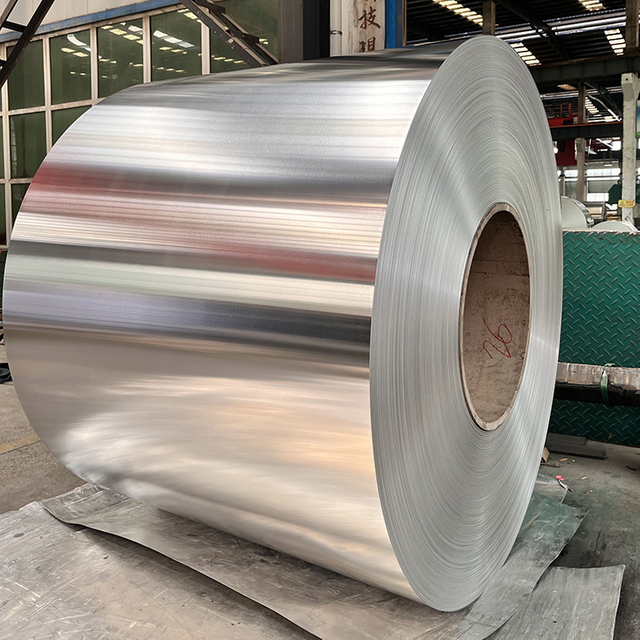
Choosing the right aluminum coil for siding and roofing is important. You need to match the thickness, alloy, coating, color, and size to your project. Think about your local weather, your building style, and how much work you want to do for upkeep. Quality is important, so always check the material and finish. Many people make mistakes like using the wrong measurements, picking the wrong panel, or putting in fasteners the wrong way. To avoid these problems, ask professionals for help and use a trusted supplier like our company.
Key Takeaways
Pick the right thickness and gauge for your aluminum coil. Thicker coils are stronger and last longer. They work well in tough weather.
Choose the best alloy for your project. Alloys like 3003 and 3105 have different strengths. They also resist rust in different ways. This affects how long your siding or roofing will last.
Think about the coating type for extra protection. A good coating, like PVDF, keeps your aluminum safe from bad weather. It also helps the color stay bright.
Match the color of your aluminum coil to your building style. Light colors can bounce sunlight away. This helps keep your home cooler and saves energy.
Always talk to professionals and trusted suppliers. Their advice helps you avoid expensive mistakes. They make sure you pick the best materials for your project.
Aluminum Coil: Key Factors
Thickness and Gauge
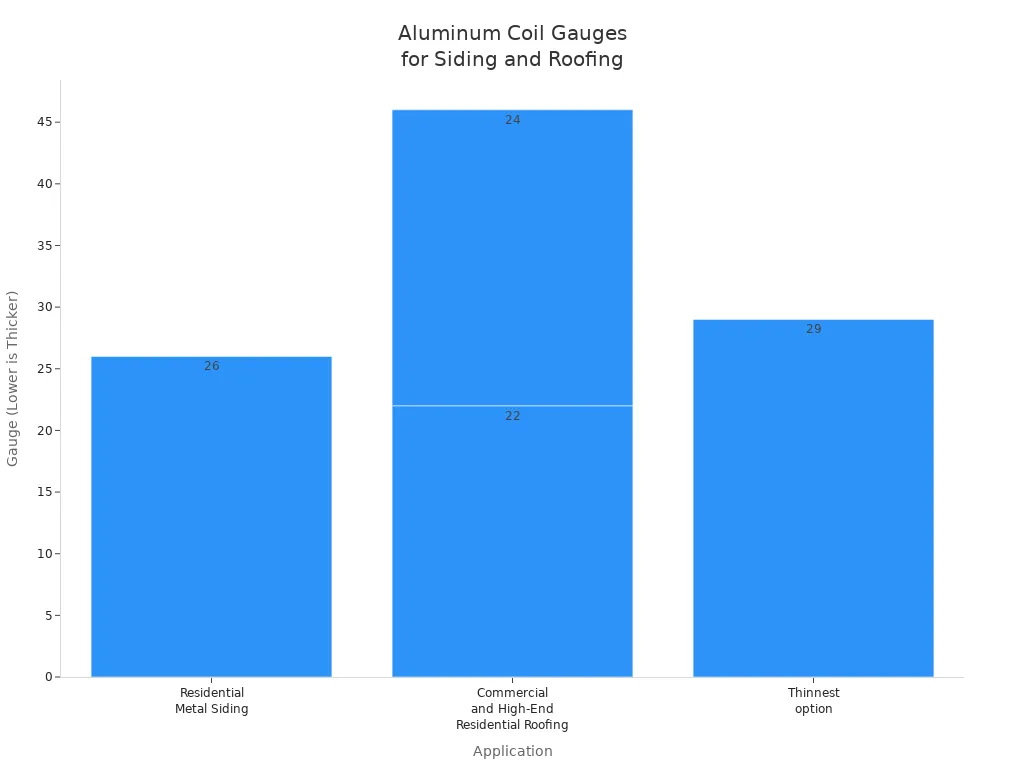
You must pick the right thickness and gauge. Thickness changes how strong your siding or roofing is. Thicker coils are stronger and last longer. They can handle bad weather and do not dent easily. Thinner coils cost less but may not last as long. The table below shows which gauges work best for different jobs:
Gauge | Application | Notes |
26 | Residential Metal Siding | Most commonly used and recommended. |
24 | Commercial and High-End Residential Roofing | Popular choice, good for harsh weather but more affordable than 22 gauge. |
22 | Commercial and High-End Residential Roofing | Thickest gauge, durable against severe weather. |
29 | Thinnest option | Less durable, not recommended for severe conditions. |
The chart below shows how each gauge fits a job:
Most homes use 26-gauge for siding. For roofing, 24-gauge is common in big homes or businesses. If you get strong storms, 22-gauge gives extra safety.
Alloy and Material Quality
The alloy you choose changes how strong and rust-proof your aluminum coil is. Two common alloys are 3003 and 3105. The table below shows what each one is good at:
Alloy | Strengths | Weaknesses |
3003 | Good corrosion resistance, widely used in roofing and siding. | Lower strength compared to some other alloys. |
3105 | Slightly higher strength than 3003, suitable for residential sidings and mobile homes. | May have less corrosion resistance than 3003. |
Always check the quality of the aluminum. Good coils use better alloys. This helps your siding or roof last longer. It also helps stop rust and fading.
Coating and Finish
The coating keeps your aluminum coil safe from rain and sun. Different coatings give different protection. Here is a table to help you compare:
Coating Type | Corrosion Resistance | Applications |
Polyester Coating | High | Food, Chemical, Medical, Construction |
PVDF Coating | Very High | Outdoor Applications, Exterior Decor |
Acrylic Coating | Moderate | General Industrial Use |
A good coating works like a shield. It keeps water and chemicals away. It also blocks UV rays, so your siding or roof keeps its color. For the best protection, pick PVDF coating for outside use.
Tip: Always ask about the coating before you buy. A better finish means less work and longer life.
Color Selection
Color does more than make your house look good. It can help save energy too. Light colors reflect sunlight and keep your house cool. Dark colors can also save energy if they use special pigments. Here are some popular color choices:
Standard Colors | Special Order Colors |
Mill Finish | Regal Blue |
Matte Black | Slate Blue |
Dark Bronze | Regal Red |
Charcoal Gray | Colonial Red |
Almond | Terra Cotta |
Regal White | Aged Patina |
Fresh Rust | Evergreen |
| Hartford Green |
| Medium Bronze |
| Mansard Brown |
| Slate Gray |
| Dove Gray |
| Ash Gray |
| Pre-Weathered Galvalume |
| Sierra Tan |
| Surrey Beige |
| Sandstone |
| Solar White |
| Stone White |
| Copper Metallic |
| Silver Metallic |
The table below shows how color families help save energy:
Color Family | Examples | Standout Features | Energy Savings* |
Neutral Classics | Black, Charcoal, Bone White | Timeless, high contrast, goes with any style | Up to 40% cooling |
Earth Tones/Reds | Barn Red, Terra Cotta, Bronze | Warm, farmhouse charm, regional favorite | Good (light shades) |
Metallics & Ore | Copper Penny, Zinc, Silver | Sleek, modern, high reflectivity | Excellent (light/metallic) |
Size and Weight
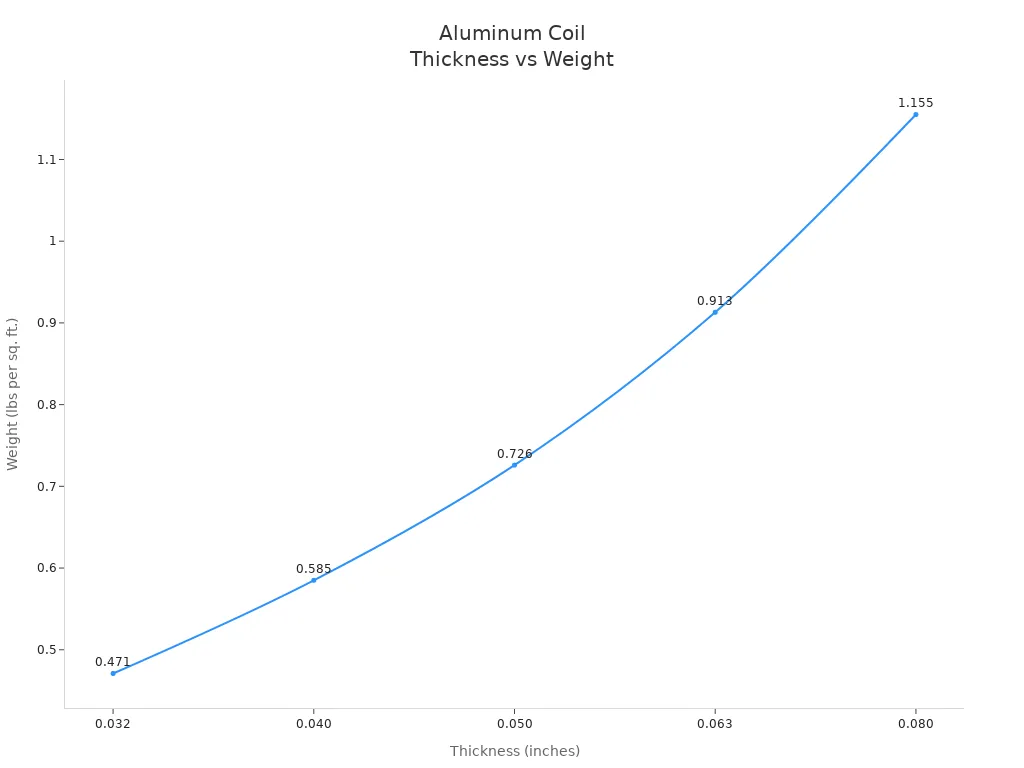
You need to match the size and weight to your project. Thicker coils weigh more and may need stronger support. The table below shows common thicknesses and weights:
Thickness (inches) | Weight (Pounds Per Sq. Ft.) |
0.032 | 0.471 |
0.040 | 0.585 |
0.050 | 0.726 |
0.063 | 0.913 |
0.080 | 1.155 |
You can get coils as narrow as 4 inches or as wide as 48 inches. Always check the weight before you install it to make sure your building can hold it.
Durability and Maintenance
You want your aluminum coil to last a long time. Good quality matters here. Strong alloys and good coatings help your coil last longer. Aluminum makes a natural layer that stops rust. The color coating adds even more safety.
To keep your siding or roof in good shape, do these things:
Clean the surface often to remove dirt and mold.
Check for rust or damage after storms.
Clear gutters to stop water from building up.
Use the right cleaning products for tough stains.
Make a seasonal schedule for regular checks.
Note: Your local weather changes how much care your coil needs. High humidity can cause water to build up and hurt the paint. Big temperature changes can crack the coating. Salt air near the ocean can make rust happen faster. Always plan your care based on where you live.
You should also use the right fasteners. The right fasteners help stop leaks and keep panels tight.
Matching Aluminum Coil to Project Needs
Siding Applications
You need the right aluminum coil for siding. Siding keeps your building safe from weather. It also makes your building look nice. For siding, pick a coil with a thicker gauge. Thicker coils are stronger and stop dents. In the Northeast, people like smooth textures. In the South, striated textures hide small marks.
Specification | Siding Applications | Roofing Applications |
Surface Texture | Smooth preferred in Northeast; striated in South | Generally smooth for aesthetic and functional purposes |
Thickness | Varies, but typically thicker for durability | Thinner options may be used for weight considerations |
Environmental Considerations | PVC coating offers better chemical resistance in polluted areas | Standard aluminum may be used, but coatings can enhance durability |
Think about coatings too. PVC coatings protect better in polluted places. Always check the coil’s quality before buying. Good siding coils last longer and keep their color.
Tip: Use the right fasteners to keep panels tight. This stops warping and keeps your siding strong.
Roofing Applications
Roofing needs a different kind of coil. You want a coil that is strong but light. Aluminum coil is great for roofing because it is strong and not heavy. It works well in places with strong winds or lots of snow. Aluminum roofing does not rust from rain, snow, or saltwater. This means you do not need much upkeep.
High strength-to-weight ratio helps roofs handle bad weather.
Natural corrosion resistance keeps your roof looking new.
Minimal maintenance saves you money over time.
Aluminum roofing works well in windy regions and near the ocean.
Lightweight coils make installation easier and reduce the load on your building.
For roofing, pick alloys like 3003 H24 or 3105 H24. These alloys are strong and resist tough weather. Colored coated aluminum is smart because it stands up to sun and rain. PVDF coatings give extra protection and help the color last longer.
Climate Considerations
Your local weather changes which aluminum coil you should use. Near the ocean, salt in the air can hurt some metals. Aluminum resists salt spray, so it works well by the sea. For more safety, choose 5052 alloy or a coil with a strong coating.
Climate Type | Recommended Aluminum Coil |
Coastal | 5052 or coated aluminum |
Arid | 1060 or 3003 aluminum |
Humid | 1060 or 3003 aluminum |
In hot, sunny places, reflective roofs can lower cooling costs. Light-colored coils bounce sunlight and keep buildings cooler. In cold places, the heating loss from reflective roofs is small. Cooling savings are bigger. Always match the coil to your weather for the best results.
Note: PVDF paint systems work best in coastal and humid areas. They protect your coil from fading and corrosion.
Architectural Style
Your building’s style helps you pick the right aluminum coil. You can choose many colors, finishes, and textures. Painted coils let you blend in or stand out. Architects sometimes use anodized aluminum to look like wood or stone. This gives your building a special look and keeps it fresh for years.
Pick colors and finishes that fit your building’s style.
Stone or wood-look finishes add character and value.
Painted coils help your building match the neighborhood or stand out as a landmark.
Quality matters for looks and strength. A good coil keeps its color and finish after years of sun and rain. Always check the finish and ask for samples before you choose.
Aluminum Coil vs. Mastic Trim Coil
Performance Comparison
You want your siding and roofing to last. Aluminum coil and mastic trim coil both protect your home, but they work in different ways. Aluminum coil gives you strong panels that resist dents and rust. You can use it for large areas like roofs and walls. Mastic trim coil works best for finishing edges, wrapping windows, and covering trim. It bends easily, so you can shape it around corners and details.
Feature | Aluminum Coil | Mastic Trim Coil |
Main Use | Siding, Roofing | Trim, Fascia, Soffit |
Flexibility | Moderate | High |
Strength | High | Good |
Corrosion Proof | Yes | Yes |
You should use mastic trim coil for detailed work. Use aluminum coil for big, flat surfaces. Both types resist weather, but mastic trim coil gives you more options for tricky spots.
Cost and Value
You want to get the best value for your money. Aluminum coil usually costs more because it covers large areas and uses thicker metal. Mastic trim coil costs less per foot, but you use it for smaller jobs. If you need to cover a whole roof, aluminum coil makes sense. For window wraps or fascia, mastic trim coil saves you money.
Aluminum coil gives you long-term value for big projects.
Mastic trim coil helps you finish details without wasting material.
Both types last a long time if you install them right.
Tip: Always measure your project before you buy. This way, you only pay for what you need.
Warranty and Supplier Reputation
You should always check the warranty before you buy. Good suppliers offer clear warranties for both aluminum coil and mastic trim coil. A strong warranty means the company trusts its product. Look for suppliers with good reviews and a history of helping customers.
Ask how long the warranty lasts for mastic trim coil.
Check if the supplier gives support after the sale.
Read reviews from other buyers to see if the supplier stands by their products.
A trusted supplier gives you peace of mind. You know your mastic trim coil will last and look good for years.
Aluminum Trim Coil: Common Mistakes
Overlooking Building Codes
You have to follow local building codes when you put in aluminum trim coil. Some people forget this important step. Building codes keep your house safe and strong. If you skip these rules, you might get fined or have to fix your work. Always check with your city or county before starting. Ask about rules for thickness, fire safety, and how to install.
Tip: Call your local building office before buying materials. This can help you avoid expensive mistakes.
Ignoring Material Compatibility
You need to make sure aluminum trim coil matches other materials on your house. Some metals, like copper, can react with aluminum. This reaction can cause corrosion and make your trim weak. You should use the right fasteners and sealants. If you mix the wrong things, you might see stains or damage soon.
Common Compatibility Mistakes:
Using steel nails with aluminum coil
Putting aluminum next to copper pipes
Using the wrong caulks or adhesives
Material Used | Compatible with Aluminum? | Risk Level |
Stainless Steel | Yes | Low |
Copper | No | High |
Galvanized Steel | Sometimes | Medium |
Always ask your supplier if materials work together before you buy.
Underestimating Maintenance
Some people think aluminum trim coil does not need care. This is not true. Dirt, mold, and salt can build up over time. If you do not clean your trim, it can fade or get stains. You should make a plan to clean and check it often. Use gentle soap and water for most cleaning. Look for loose panels or fasteners after storms.
Maintenance Checklist:
Clean trim every six months.
Check for dents or scratches.
Tighten any loose fasteners.
Touch up paint if needed.
Taking care of your trim coil helps it last longer and look nice. Planning for care saves you money and problems later.
Step-by-Step Aluminum Coil Selection
Choosing the right aluminum coil for your siding or roofing project takes careful planning. You can follow these steps to make sure you get the best results for your home.
Assess Project Requirements
Start by looking at your project. Measure the area you need to cover. Think about the weather in your region. If you live near the ocean, you need a coil with strong resistance to salt and moisture. Check if your building needs extra strength or a special color. Write down your needs before you shop.
Set Priorities
Decide what matters most for your project. Some people want the highest quality for long-lasting results. Others care more about color or price. Make a list of your top priorities. For example, you might want a coil that is easy to clean or one that matches your home’s style. Quality should always be high on your list because it affects how well your siding or roof stands up to weather and time.
Request Samples
Ask your supplier for samples before you buy. You can see the color, finish, and thickness in person. Hold the sample and check if it feels sturdy. Try to bend it a little to test its strength. This step helps you avoid surprises during installation. Samples also let you compare the quality of different coils.
Tip: Always check how the sample handles fastening. A good coil will not crack or chip when you drive in fasteners.
Consult Experts
Talk to contractors or building professionals before you start the installation process. They can answer your questions about the best coil for your project. Contractors know which products work best in your area. They can also help you plan the installation and avoid mistakes. If you have questions about building codes or special requirements, experts can guide you.
Getting advice from professionals saves you time and money. You get better results and a smoother installation.
Picking the right aluminum coil for siding or roofing is important. You need to match thickness, alloy, coating, and color to your project. Think about your local weather and how your building looks. Good quality helps your project last a long time. Here are some easy steps:
Look at what your project needs.
Decide what matters most to you.
Ask for samples to check before buying.
Talk to experts for advice.
This process helps you make smart choices and save money.
Shandong Sino Steel Co.,Ltd is a trusted supplier for aluminum coil and trim coil. They give you strong materials and helpful advice for every job. Their team helps you pick the best coil for your weather and style. With lots of experience, they help you from start to finish. Choose Shandong Sino Steel Co.,Ltd for results that look good and last a long time.
FAQ
What is the difference between mastic trim coil and aluminum trim coil?
Mastic trim coil wraps windows, doors, and fascia. Aluminum trim coil covers bigger areas and is stronger. Both types protect your house from rain and wind. People like mastic trim coil because it bends easily. Contractors and DIY fans use it for small jobs.
How do I ensure proper fastening the trim coil during installation?
Use the right fasteners for your trim coil. Always follow the instructions from the manufacturer. Tight fasteners stop leaks and keep panels in place. Check each fastener to make sure it fits well. This helps your trim coil last longer and stay strong.
Does aluminum trim coil come with a warranty?
Most suppliers give a limited lifetime warranty for aluminum trim coil. Ask about the warranty before you buy anything. A good warranty means you can trust the product. Premium trim coil often has better coverage and protection.
Can I install mastic trim coil as a diy project?
You can install mastic trim coil yourself at home. Many people do this for small projects. You need simple tools and safety equipment. For big or tricky jobs, you can ask a contractor for help.
Why should I choose premium quality trim coil for my home?
Premium trim coil protects better against dents and fading. It lasts longer and looks nicer on your house. You can use it for siding or roofing. It is a smart pick if you want strong protection from bad weather.