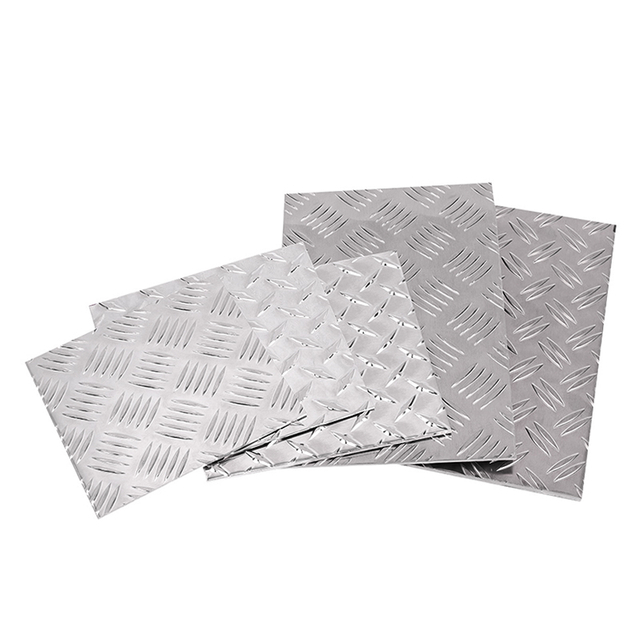
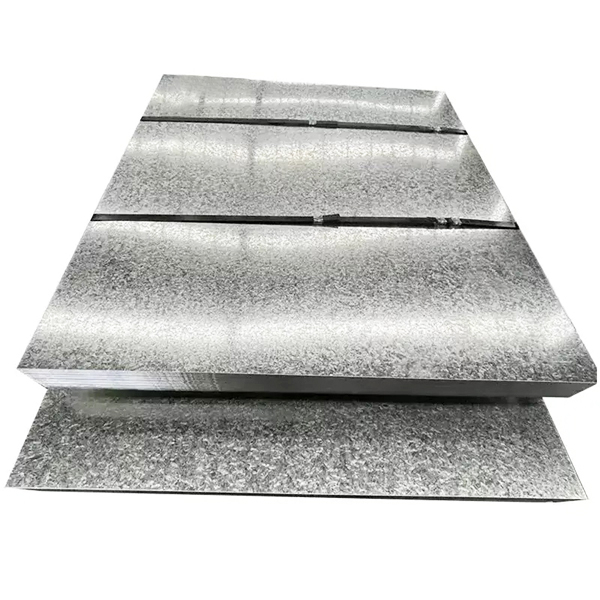
Will stainless steel rust?Its chromium-oxide passive layer protects, but isn’t invincible. Chlorides from coastal air or winter salt, acids left by careless cleaners, iron particles launched by nearby grinding, or the heat tint of a rushed weld can all punch holes in that film. Moisture sneaks in, tea-colored mottling appears, and the once-brilliant finish turns dull. The fix is simpler than the damage: a mild detergent, wiping with—not across—the grain, a generous rinse, and a dry cloth. Below we map out the causes, cures, and daily habits that keep railings, tanks, and food-grade surfaces looking factory-fresh for years.
In this article, you'll Learn:
Will Stainless Steel Rust
Identify Your Surface Before You Clean
Tools, Supplies & What to Avoid
Methods of cleaning Stainless Steel Sheet
Common Mistakes to Avoid
FAQs on Cleaning Stainless Steel Sheet
Will Stainless Steel Rust?
Short answer: yes, in the wrong conditions. It resists, then fails once its passive film weakens. Salts, iron specks, and trapped water drive the damage.
Why rust shows up on stainless sheets
Chlorides are the first enemy: a single shift of on-shore breeze carries salt crystals that land, dissolve and tunnel through the chromium-oxide film, leaving the metal open to pitting. Iron contamination is just as sneaky—grinding sparks, carbon-steel wire brushes or even the same shop broom used on mild steel embed tiny rust seeds that bloom into orange freckles overnight. Where water sits too long—slow-drainage angles, gasket joints, behind insulation—oxygen can’t reach the surface, so the passive layer stops healing and dull halos of crevice corrosion appear. Add the straw-colored heat tint left by welding, and the chromium level just beneath the bead drops; the once-protective skin becomes a rust runway.
Chlorides: sea spray, de-icers, bleach. They pit the passive film.
Iron contamination: carbon-steel dust, tooling, wire brushes. It seeds orange blooms.
Standing moisture: slow evaporation, poor airflow, crevices. It starves oxygen renewal.
Heat tint: welding discoloration. It lowers chromium at the surface.
Quick cues
| Source | What it does | Early signs |
| Chlorides | Film breakdown, pitting | Tea staining near edges, drip lines |
| Iron specks | Galvanic spots form | Pinpoint rust freckles |
| Standing water | Crevice corrosion grows | Shadowy rings, dull halos |
| Heat tint | Reduced Cr at surface | Brown/blue weld bands |
Identify Your Surface Before You Clean
Know the sheet first. Grade, finish, and environment drive the method. Get these wrong, scratches or stains follow.
Grades: 304 vs 316 vs 430
Choosing the right alloy is half the battle against rust. Before you reach for a cleaner, match the grade to the exposure: a quick magnet check, a glance at the environment, and you’ll know whether you’re guarding against everyday fingerprints or a daily salt bath.
| Grade | Where you’ll see it | Corrosion basics | Magnetic | Cleaning focus |
| 304 | Kitchens, interiors, facades | Strong overall resistance | Slight after cold work | Mild detergent, rinse, dry fast |
| 316 | Marine sites, pools, chemicals | Mo addition; better vs chlorides | Usually non-magnetic | Rinse salts, plan passivation |
| 430 | Appliances, trims, indoor panels | Lower resistance vs 304/316 | Yes | Keep dry, avoid harsh cleaners |
Tip: Unsure which grade? Try a magnet, then consider location and use.
Finishes & Grain: why direction matters
The surface finish decides what you see tomorrow. Pick the wrong tool or direction and yesterday’s perfect panel becomes today’s field of scratches. Match the polish level to the cleaning motion and you’ll keep factory looks without extra coats or costly rework.
2B: smooth, matte. It hides light streaks. Clean along imagined grain lines.
BA (Bright Annealed): glossy, almost mirror. It shows swirls fast. Use soft pads.
No.4 / Brushed: visible grain. Wipe only along the lines, never across.
Hairline: long, continuous grain. Short strokes look patchy, keep strokes long.
Mirror: highest reflectivity. Any grit marks it. Use non-scratch cloths, gentle passes.
Finish quick guide
| Finish | Scratch visibility | Best tools | Avoid |
| 2B | Low | Microfiber, mild soap | Abrasive powders |
| BA | Medium-high | Soft cloths, DI rinse | Circular scrubbing |
| No.4/HL | Medium | Nylon pad, same grain | Cross-grain strokes |
| Mirror | Very high | Plush microfiber | Any abrasive media |
Environment risk profile
Different air, different risks. Match care to the location.
| Environment | Main threats | Risk level | Frequency | Extra actions |
| Coastal/Marine | Salt spray, chlorides | High | Weekly | Fresh-water rinse, DI final, dry |
| Pools/Spas | Chlorine compounds | High | Weekly | Remove residues fast, passivate |
| Food-Processing | Acids, alkalis, sanitizers | Medium | Weekly | Neutral pH cleaners, full rinse |
| Industrial Acids/Alkalis | Chemical vapors, fallout | High | Weekly | Cover nearby grinding, isolate iron dust |
Rule of thumb: Higher chlorides or chemicals, more rinsing, faster drying, earlier passivation.
Tools, Supplies & What to Avoid
Choose gentle tools first to protect the passive film and finish. Harsh media invite scratches, iron transfer, and quick corrosion.
Essentials
Microfiber cloths — lift dust, trap grit, leave minimal lint on surfaces.
Soft sponges — spread soap evenly, loosen grease, stay gentle on finishes.
Nylon pads — tackle films, but glide strictly along the grain lines.
pH-neutral detergents — cut oils, preserve the film, rinse completely afterward.
Essentials matrix
| Item | What it does | Finish fit |
| Microfiber cloths | Dust removal, streak buffing | 2B, BA, No.4, HL, Mirror |
| Soft sponges | Mild washing, soil lift | 2B, BA, No.4, HL |
| Nylon pads | Film removal, controlled abrasion | No.4, HL (along grain) |
| pH-neutral detergents | Degrease without film damage | All finishes |
Specialty cleaners
Citric passivation gels — restore chromium oxide; gentle alternative to nitric.
Nitric passivation gels — heavy-duty passivation; tighter controls, strong fumes.
Oxalic/chelating cleaners — remove tea staining; dissolve iron-rich films.
IPA (isopropyl alcohol) — clear fingerprints fast; flashes off, minimal residue.
Cleaner quick guide
| Cleaner | Primary use | Dwell guide | Key notes |
| Citric gel | Post-fabrication passivation | 5–20 minutes | Rinse thoroughly; no drying on surface |
| Nitric gel | Severe service passivation | 5–15 minutes | Ventilation, strict PPE, label compliance |
| Oxalic/chelating | Tea staining removal | 3–10 minutes | Test patch; neutralize after treatment |
| IPA | Fingerprints, smears | Wipe on, quick flash | Keep away from ignition sources |
How to apply specialty products
Pre-clean using mild detergent, then rinse using low-TDS or DI water.
Mask nearby finishes; test a small hidden spot for compatibility.
Apply a thin, even gel layer; keep the surface uniformly wet.
Let it dwell three to ten minutes; watch closely; never let chemicals dry.
Agitate using a nylon pad along the grain; light, repeated strokes.
Neutralize using a mild alkali; then rinse generously; dry immediately.
Safety notes: Use gloves and eye protection; ensure airflow during applications. No mixing of chemicals; store acids far from bleach.
Never use
Chloride bleach — destroys passive film, triggers pitting and brown streaks.
Muriatic acid — strips chromium, leaves active iron, accelerates corrosion dramatically.
Steel wool — scratches deeply, sheds iron, contaminates every pass across grain.
Carbon-steel brushes — transfer iron particles, seed rust, ruin finishes quickly.
4. Routine Care: The Safest Method for Daily/Weekly Cleaning
Keep it simple. Gentle moves protect the passive film and finish.
Step-by-step routine
Dust — lift grit using a dry microfiber cloth.
Wash — mild soap in warm water; soft sponge; light pressure.
Rinse — low-TDS water removes residues that spot or streak.
Dry — microfiber towel; change sides often to avoid redeposit.
Buff along the grain — short, even strokes; no circles.
Routine flow
| Step | Action | Why it helps |
| Dust | Dry wipe using microfiber | Removes grit before washing; prevents scratches |
| Wash | Mild soap, soft sponge | Loosens oils and light soils |
| Rinse | Low-TDS or DI water | Cuts mineral spots and films |
| Dry | Towel immediately | Blocks water marks and tea staining |
| Buff | Along grain only | Keeps finish uniform and bright |
Fingerprints & smudges
Wash using mild detergent first. Rinse quickly.
Wipe IPA on prints; let it flash off.
Dry at once using clean microfiber.
Quick picks
| Mark | First move | Finisher |
| Fingerprints | Mild soap wash | IPA wipe, then dry |
| Smudges | Warm water, soft sponge | Buff along grain |
Hard water strategy
Final rinse using deionized or RO water; slow, even sheet.
Dry immediately using a fresh towel; edges first.
Add a short air-blade pass if available; keep corners spotless.
Spot-Specific Methods (Choose the Right Fix)
Pick the stain, then pick the method. Keep moves gentle. Test a hidden spot first.
Stainless doesn’t ask for much—just the right chemistry and a minute of patience. Match the contaminant to the cleaner, give it the recommended dwell, and you remove the problem before it becomes permanent.
For water spots or light limescale, wipe on a white-vinegar or citric solution, let it sit two to five minutes, then rinse with de-ionised water and dry fast to stop new rings. Oil and grease surrender to a pH-neutral degreaser or mild detergent in warm water—no dwell time needed, just a gentle agitation. Coffee, tea or food films disappear under a mild alkaline cleaner or a baking-soda paste left for three to five minutes, worked only with non-scratch pads. Adhesive residue needs one to three minutes of contact with a citrus remover or mineral spirits, followed immediately by a soap wash. Graffiti, ink or marker stains call for an approved solvent system used exactly as labeled, then the usual soap-and-rinse finale. Burnt-on soils or heavy films loosen after five to ten minutes with a non-abrasive alkaline cleaner and a nylon pad stroked strictly along the grain.
Quick picker
| Issue | First choice | Dwell | Finish tips |
| Water spots, light limescale | White vinegar or citric solution | 2–5 min | Rinse DI, dry fast |
| Oil, grease | pH-neutral degreaser or mild detergent | N/A | Warm water helps |
| Coffee, tea, food | Mild alkaline cleaner or baking-soda paste | 3–5 min | Non-scratch only |
| Adhesive residue | Citrus remover or mineral spirits | 1–3 min | Wash after |
| Graffiti, ink, marker | Approved solvent system | As labeled | Then soap, rinse |
| Burnt-on soils, films | Non-abrasive alkaline cleaner + nylon pad | 5–10 min | Strokes along grain |
Water spots & light limescale
Pre-rinse using low-TDS water. Remove loose grit.
Apply white vinegar or citric solution. Thin, even film.
Let it dwell two to five minutes. No drying on surface.
Wipe using soft sponge. Strokes along grain only.
Rinse using DI or RO water.
Dry immediately. Microfiber towel, clean side each pass.
Oil/grease splashes
Wash using mild detergent or a pH-neutral degreaser.
Use warm water. It loosens heavy films faster.
For traces, wipe IPA on prints, edges, corners.
Rinse, then dry. No streaks, no smears.
Mini guide
| Soil strength | Move |
| Light kitchen film | Mild soap → rinse → dry |
| Heavy fry splash | Neutral degreaser → warm rinse → IPA spot wipe |
Coffee/tea & food stains
Spread mild alkaline cleaner. Even coverage.
Or use baking-soda paste. Creamy, non-scratch.
Let it sit three to five minutes.
Wipe along the grain. Light pressure, repeated passes.
Rinse well. Dry right away.
Adhesive residue, tape marks, labels
Lift edges gently using a plastic scraper.
Apply citrus-based remover or mineral spirits.
Dwell one to three minutes. Keep it wet.
Wipe clean. Swap cloths often.
Wash using mild detergent. Rinse, then dry.
Use plastic scrapers and soft cloths to remove debris without scratching the surface. Avoid razor blades and steel wool, which leave behind metal particles and deep grooves that invite rust.
Graffiti/ink/marker
Choose an approved solvent system. Follow label steps.
Test a small, hidden area first.
Light wipes, short contact time. Do not flood seams.
Wash using mild detergent. Rinse thoroughly.
Dry fully to prevent halos.
Burnt-on soils, stubborn films
Pre-clean loose debris. Keep dust off pads.
Lay on non-abrasive alkaline cleaner.
Dwell five to ten minutes. Watch for drying.
Scrub using a nylon pad. Strokes along the grain.
Repeat light passes. No force, more patience.
Rinse using DI water. Dry immediately.
Heat Tint, Weld Discoloration & Fabrication Cleanup
Heat tint and weld scale don’t just spoil the view—they strip chromium from the surface and invite rust; the cure is a disciplined sequence of mechanical regrain, pickling and passivation that puts the passive film back in place.
Light heat tint: fine mechanical regrain along the grain
Begin with the lightest touch: a clean, fine-grit non-woven pad backed by a fresh support pad. Work it in short, overlapping strokes that follow the grain direction—never across it—until the heat-tint band fades evenly. Flush the area with low-TDS water to remove every abrasive particle, dry it immediately to prevent new water marks, then finish with a light buff using a plush microfiber to bring back a uniform, factory sheen.
Quick guide — light tint
| Goal | Tool | Motion | Checkpoint |
| Remove tint film | Fine non-woven pad | Along grain | Color band fades evenly |
| Smooth micro-scratches | Plush microfiber | Straight strokes | No swirls under light |
| Stabilize surface | DI rinse, dry | Edge to center | No water marks |
Heavy tint & weld scale: pickling, then passivation
Choose pickling gel or paste per label. Target the weld area.
Apply a thin, even layer using acid-resistant brush.
Dwell as directed. Keep it wet. No crusting.
Agitate lightly using nylon pad.
Rinse thoroughly using plenty of water, then DI water.
Passivate next: citric or nitric gel. Uniform coat, controlled dwell.
Final DI rinse. Dry completely. Inspect under raking light.
Treatment matrix — heavy discoloration
| Condition | First step | Dwell range | Follow-up | Notes |
| Dark heat bands | Pickling gel | 5–20 min | Passivation | Restore chromium at surface |
| Mill scale at weld | Pickling paste | 10–30 min | Passivation | Longer dwell, closer watch |
| Persistent tea stain halo | Oxalic cleaner | 3–10 min | Passivation | Remove iron-rich film first |
Post-fabrication cleaning sequence checklist
Mask adjacent finishes. Keep splash off clean panels.
Dry brush loose slag, dust, abrasive grit.
Degrease using mild detergent. Warm rinse.
Pickle welded zones. Controlled dwell.
Nylon pad agitation. Along grain.
Rinse thoroughly. Follow using DI water.
Neutralize where required per product guidance.
Passivate cleaned zones. Citric for gentler workflow.
Final DI rinse, blade off water, then towel dry.
Inspect. Repeat light passes instead of one aggressive cut.
Protect finished parts using clean wraps, non-chloride papers.
Separate carbon-steel tools. No shared wire brushes.
How to handle Scratch Minimization & Finish Repair (Brushed & Mirror)
Restore stainless finishes the safe way: read the grain, start with the softest pad, and escalate one graded step at a time—because one cross-grain swipe or an overly aggressive first cut can turn a quick blend into a costly re-polish.
Read the grain; start least aggressive: non-woven pads, graded steps
Angle a lamp to throw raking light across the sheet and the grain direction snaps into view; once you see it, attack defects with a fine non-woven pad, using low pressure and straight, grain-parallel strokes—no circles, no arcs. Pause frequently to wipe away residue with a clean cloth so stray grit can’t score new trails, and move up only one abrasive grade if the mark refuses to budge.
Graded step ladder
| Step | Media | Approx. cut | Use it for |
| 1 | Plush microfiber + mild soap | Clean only | Dust, fingerprints |
| 2 | Non-woven pad (ultra-fine) | Very light | Haze, tiny scuffs |
| 3 | Non-woven pad (fine) | Light | Shallow linear scratches |
| 4 | Finishing sheet (320–400 equiv.) | Moderate | Noticeable lines needing blend |
Rule: Stop as soon as the defect disappears. More passes equal more risk.
Avoid cross-grain strokes; finish matching basics for No.4 / hairline
Cross-grain scratches shout under light, so keep every stroke parallel to the existing lines: on No. 4 brushed finishes use short, even passes with a 50 % overlap, then feather the edges into the surrounding metal to maintain a uniform satin pattern; for Hairline surfaces switch to one long, continuous motion at a steady tempo, and wipe the pad clean between each pass so trapped debris can’t leave rogue scratches that wreck the stripe.
Blend recipe — No.4
Mask boundaries using low-tack tape.
Ultra-fine non-woven, three light passes along grain.
If lines persist, move to fine non-woven, two passes.
Finish using microfiber buff. Check under raking light.
Common pitfalls
| Pitfall | Why it hurts | What we do instead |
| Cross-grain strokes | Visible from any angle | Strictly along grain |
| Heavy first pass | Leaves trenches | Build cut gradually |
| Dirty pads | Embed grit, new scars | Clean or replace often |
Mirror care: only non-scratch media; expect pro refinishing for deep marks
Mirror shows everything. We keep contact soft and clean.
Use plush microfiber, mild soap, DI rinse, gentle hand buff.
Non-abrasive polish, foam applicator, tiny pressure. Short sets.
No powders. No scouring pads. No paper towels.
Deep cuts or wide haze? Stop. Call a professional polisher.
Mirror — defect triage
| Defect | Action | Risk notes |
| Fingerprints, film | Soap wash → DI rinse → microfiber dry | Zero cut |
| Light haze | Non-abrasive polish → hand buff | Test a corner first |
| Pin scratches | Multiple light sets → inspect | Stop if halo grows |
| Deep scratches | Professional refinishing | Field work may worsen it |
Do / Avoid
| Do | Avoid |
| Clean, plush microfiber | Steel wool, paper towels |
| Straight, gentle strokes | Circles, heavy pressure |
| Frequent pad changes | One pad loaded using grit |
Food-Contact & Safe Disinfection
Clean first, then sanitize. We keep flavor, safety, and shine.
“Can you use alcohol on stainless steel?”—IPA use cases & rinse/dry guidance
Yes, 70% IPA works for fingerprints and interim sanitation.
Use it after visible soil is gone. IPA hates grease.
Spray or wipe a light, even film. Keep seams dry.
Hold brief contact per label; often 30–60 seconds.
Finish using a potable-water rinse on food-contact zones.
Dry immediately using microfiber; no streaks, no taste transfer.
IPA quick guide
| Scenario | Steps | Notes |
| Fingerprints on prep table | Soap wash → DI rinse → IPA wipe → potable-water rinse → dry | IPA isn’t a degreaser |
| Shift change sanitation | Detergent wash → rinse → IPA spray → label contact time | Ventilate; avoid pooling |
| Spot odor control | IPA wipe on small area → potable-water rinse → dry | Test a corner first |
Do / Don’t
| Do | Don’t |
| Use 70% IPA on clean metal | Drench gaskets or seams |
| Light coats, even coverage | Let alcohol dry into residue |
| Rinse food-contact areas | Treat IPA as a heavy cleaner |
Food-Contact & Safe Disinfection
Clean first, then sanitize. We keep flavor, safety, and shine.
“Can you use alcohol on stainless steel?”—IPA use cases & rinse/dry guidance
70% IPA is a quick fix for fingerprints and interim sanitation, but only after you’ve lifted visible soil—grease blocks its germ-killing action. Mist or wipe on a thin, even film, steering clear of seams where liquid can hide, maintain label contact time (usually 30–60 seconds), then rinse food-contact areas with potable water and dry immediately with a microfiber cloth to leave the surface streak-free and taste-neutral.
IPA quick guide
| Scenario | Steps | Notes |
| Fingerprints on prep table | Soap wash → DI rinse → IPA wipe → potable-water rinse → dry | IPA isn’t a degreaser |
| Shift change sanitation | Detergent wash → rinse → IPA spray → label contact time | Ventilate; avoid pooling |
| Spot odor control | IPA wipe on small area → potable-water rinse → dry | Test a corner first |
Do / Don’t
| Do | Don’t |
| Use 70% IPA on clean metal | Drench gaskets or seams |
| Light coats, even coverage | Let alcohol dry into residue |
| Rinse food-contact areas | Treat IPA as a heavy cleaner |
Food-area cleaners: pH-neutral and non-chloride; avoid residues; final potable-water rinse
Choose a pH-neutral detergent that leaves the passive film intact and make sure the formula is chloride-free—bleach will etch finishes and open pits along weld edges in minutes. Rinse until water sheets off without foam or perfume, give food-grade equipment a final potable-water flush, then dry the steel immediately, starting with seams, fasteners and corners where moisture loves to hide.
Cleaner selection
| Cleaner class | Use | Risk | Rinse rule |
| pH-neutral detergent | Daily soils, oils | Low | Rinse fully; towel dry |
| Alkaline, non-abrasive | Protein films, stubborn food | Medium | Rinse DI; check finish |
| Quat or peroxide sanitizer | Post-clean hygiene | Residue possible | Potable-water rinse |
| Chloride bleach | None here | High corrosion | Avoid entirely |
Food-contact routine
Remove crumbs, loose debris using dry microfiber.
Wash using pH-neutral soap; soft sponge; light pressure.
Rinse using low-TDS or DI water.
Apply IPA or approved sanitizer; hold label time.
Potable-water final rinse on food zones.
Dry immediately; lint-free towel; along the grain.
Preventive Maintenance Schedule (By Environment)
Match the maintenance rhythm to the exposure: a dry lobby needs only a monthly wipe, while a seaside railing demands a same-day fresh-water rinse and a calendar of scheduled passivation to stay pristine.
At-a-glance schedule
| Environment | Frequency | Key actions | Extras |
| Low risk (indoor dry) | Monthly clean; quarterly inspect | Dust, mild soap wash, DI rinse, dry | Check seams, fasteners, covers |
| Moderate risk (kitchens/urban) | Weekly clean; monthly anti-scale rinse; semiannual passivation check | Neutral detergent, DI rinse, IPA for prints | Replace worn cloths, track water spots |
| High risk (coastal/pool/chemical) | Rinse after exposure; weekly neutral clean; periodic passivation | Fresh-water rinse, DI finish, quick dry | Shield during grinding nearby, isolate iron dust |
Low risk (indoor dry)
In low-risk, climate-controlled spaces, run a microfiber duster over the surface once a month, follow with a mild-soap wash, rinse with DI or RO water, and dry quickly; every quarter inspect edges, joints and hardware for drips or leaks and repair them on the spot, and should a spill occur wipe it up immediately while keeping air moving so moisture never lingers.
Moderate risk (kitchens/urban)
In moderate-risk kitchens or urban sites, wash weekly with a neutral detergent and grain-aligned wipes, rinse with DI water and dry completely; every month run an anti-scale citric rinse to dissolve mineral films before they cloud the finish, and twice a year check if the sheen is fading—if it is, book a citric passivation treatment. After each service round, wipe handles and fronts with 70 % IPA, then give those food-contact areas a quick potable-water rinse and a final dry.
High risk (coastal/pool/chemical)
In high-risk coastal, pool or chemical zones, rinse salt spray or chlorinated splash away immediately with fresh water, follow with a DI rinse and towel-dry every time; once a week wash with a neutral cleaner and a nylon pad worked only along the grain to lift any film. Set a quarterly citric passivation schedule for marine exposures, and keep corrosion from cross-contaminating by storing carbon-steel tools separately and covering the work whenever nearby grinding sends iron dust into the air.
Common Mistakes to Avoid
The fastest way to turn “stainless” into “stained” is to grab the wrong chemical or the wrong wipe; know the villains—bleach, steel wool, cross-grain strokes, skipped rinses—and you stop damage before it starts.
Chemicals and tools that cause damage
Bleach and other chloride cleaners devour the passive film, opening pits within hours; steel wool gouges the surface and plants iron specks that bloom into orange rust days later. Mixing chemicals invites surprise reactions, hazardous fumes and stubborn stains, while letting any cleaner dry in place bakes on a hazy residue that weakens the protective layer and demands extra work to remove.
Error → Effect → Fix
| Error | What happens | Better move |
| Bleach or chloride cleaner | Film breakdown, brown streaks | pH-neutral soap; DI rinse |
| Steel wool or carbon-steel brush | Deep scratches, iron transfer | Nylon pad; along grain |
| Mixed products | Staining, hazardous fumes | One product at a time |
| Cleaner dries in place | White haze, spotting | Keep wet; rinse promptly |
Technique mistakes that scratch or stain
Wipe across the grain and the scratches catch the light, leaving a patchy, uneven finish; skip the rinse and a thin film of detergent stays behind, collecting dirt, dulling the shine and growing new spots. Let the surface air-dry in hard-water areas and dissolved minerals settle into halos that soon turn into brown tea-stain rings.
Technique guardrails
| Risk | Why it backfires | Do instead |
| Cross-grain wipes | Visible swirls, uneven reflectivity | Straight strokes along grain |
| No rinse after wash | Soap film attracts soil | Low-TDS rinse, then dry |
| Air-dry after tap rinse | Mineral rings, limescale build | Final DI/RO rinse; towel dry |
Quick checklist
Read grain first; set stroke direction.
One cleaner only; test a small patch.
Keep surfaces wet during dwell.
Rinse generously; DI finish helps a lot.
Dry immediately; edges and seams first.
FAQ
Q: Will stainless steel rust, and how do I remove it safely?
A: Yes, in chlorides/moisture or iron contamination. Remove tea staining using oxalic/chelating cleaner; dwell, agitate along grain, neutralize, DI rinse, dry.
Q: What is the best way to clean stainless steel without streaks?
A: Mild pH-neutral soap, soft sponge, rinse low-TDS/DI, towel-dry, buff along the grain.
Q: Can you use alcohol on stainless steel for sanitizing?
A: Yes, 70% IPA on clean surfaces; brief contact per label; potable-water rinse on food-contact; dry.
Q: Why does stainless near the ocean tea-stain, and how do I prevent it?
A: Salt deposits break the passive film; rinse freshwater often, keep dry, schedule passivation.
Q: How do I clean welded areas and heat discoloration?
A: Light tint: fine regrain along grain. Heavy: pickling gel, thorough rinse, then passivate.
Q: Is passivation necessary after fabrication or deep cleaning?
A: Recommended after welding, aggressive cleaning, or corrosive service; citric for routine, nitric for severe.
Conclusion
Keep the routine simple and safe: a pH-neutral wash, generous rinse and rapid dry, always stroking with the grain to safeguard the chromium film. When tea stains, weld tint or embedded iron appear, step up to the right specialty cleaner, rinse again and renew protection with scheduled passivation. Inspect coastal, pool or food-zone panels often, and act the moment the shine fades—early work beats major rework.
For deeper guidance or field support, visit our blog or reach out at coatedsteelcoil.com and keep your stainless looking factory-fresh year after year.