You can trust
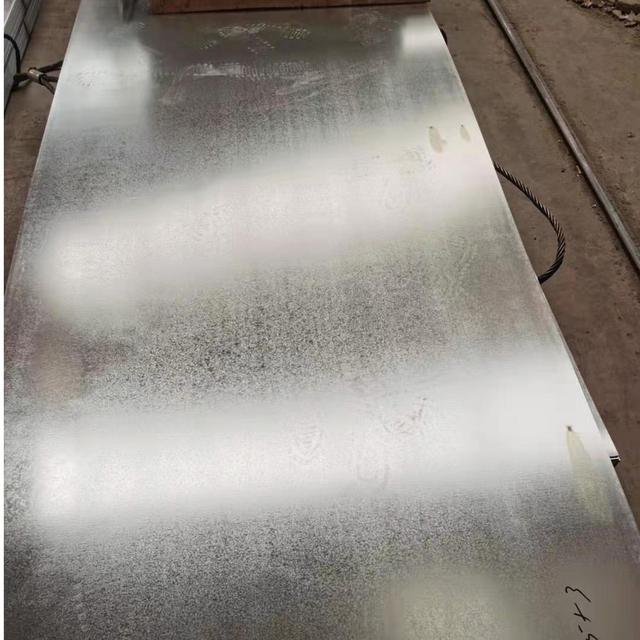
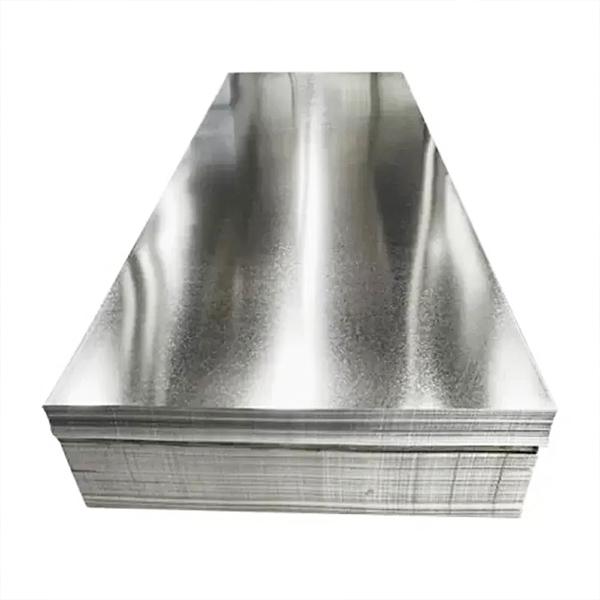
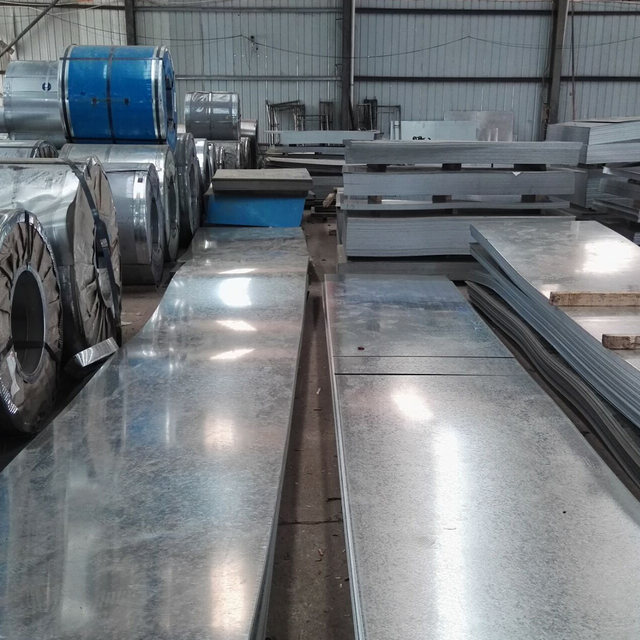
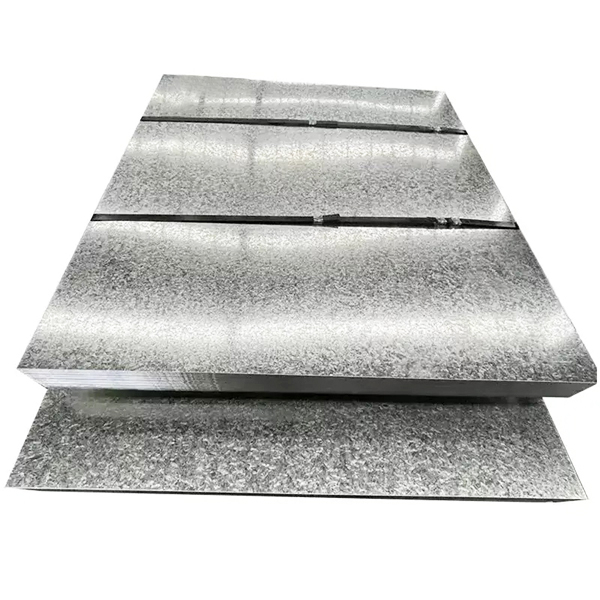
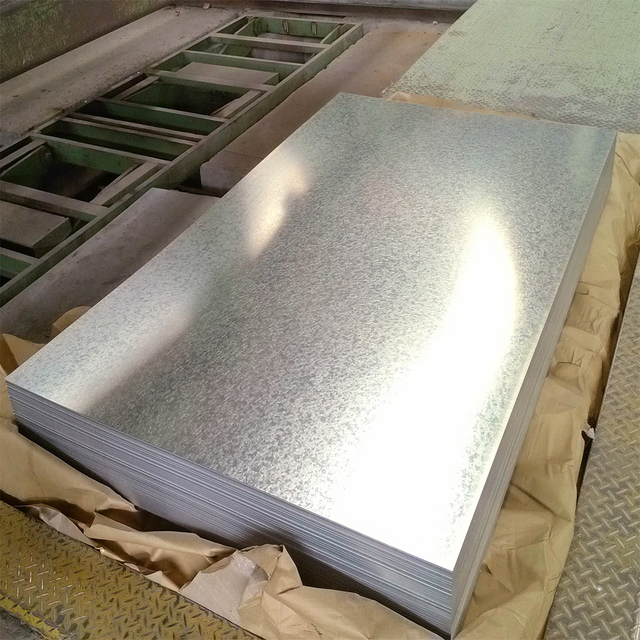
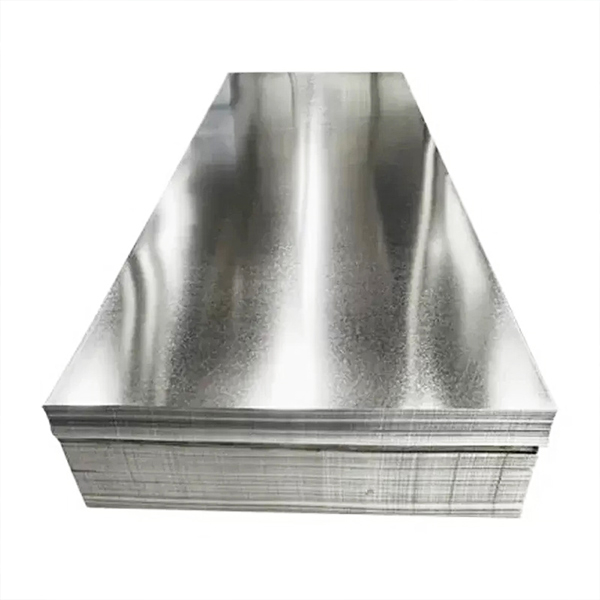
galvanized steel sheet to fight corrosion. It has a strong zinc coating. The hot-dipped galvanization process adds a protective layer. This layer is between 0.025 mm and 0.1 mm thick. You can see the thickness in the table below:
Coating Thickness Range | Measurement Unit |
0.025 mm | mm |
0.1 mm | mm |
Many industries use galvanized steel because it lasts long. They follow standards like ASTM A123/A123M and ASTM A653.
Key Takeaways
Galvanized steel sheet has a thick zinc layer. This layer stops water and air from touching the steel. This keeps the steel from rusting.
Zinc gives up itself to save the steel. It rusts first so the steel stays safe from damage.
If the zinc layer gets scratched, it can fix itself. It keeps protecting the steel under it.
The zinc coating’s thickness matters for how long steel lasts. Thicker zinc means better protection for the steel.
Cleaning and checking galvanized steel helps it stay strong. With care, it can last more than 50 years.
Zinc Coating Protection
Barrier Effect
Galvanized steel sheet has a tough shield on it. The zinc coating works like a wall between steel and the air. This wall keeps water and air away from the steel. If water and air cannot touch steel, rust will not happen.
Zinc stands between water, air, and steel to protect it.
Zinc forms a shield for steel, stopping air, water, and other things from reaching it.
Shandong Sino Steel Co.,Ltd uses hot-dipped galvanization to make a thick zinc layer. This layer covers all the steel. It helps the steel fight rust and last longer in hard places.
Scientists checked how well zinc coatings guard steel. The table below shows how different coatings work:
Coating Type | Impedance Value (Ω·cm²) | Observations |
85ZRE | 15,000 | Good cathodic protection and steady impedance over time. |
75ZRE | 1,123,000 (2d) to 192,100 (60d) | Big drop in impedance, showing weak barrier. |
65ZRE | Keeps dropping in impedance | Not much resistance to blistering and weak barrier. |
A bigger impedance value means stronger protection. You can see that a good zinc layer keeps steel safe for a long time.
Sacrificial Action
Zinc does more than just block water and air. It also protects steel by giving itself up first. When two metals touch, like zinc and steel, one will rust before the other. Zinc is less noble than steel, so it rusts first. This is called galvanic corrosion.
Galvanic corrosion happens when electric current moves between two different metals. The metal that is more anodic will rust faster, while the other metal stays safe. Zinc is more anodic than steel, so it rusts first when it touches something like seawater, keeping steel safe from rust.
You can see this in their standard reduction potentials:
Metal | Standard Reduction Potential (V) |
Zinc | -0.76 |
Iron | -0.44 |
Zinc has a lower reduction potential than iron.
This means zinc rusts before iron does.
When zinc rusts, it keeps iron from rusting.
The zinc layer on galvanized steel sheet gives itself up to keep steel safe. This is why people use galvanized steel outside and for building things.
Self-Healing
Sometimes, the zinc layer gets scratched or chipped. You might think rust would start right away. But galvanized steel can heal itself. When the zinc layer is damaged, zinc still protects the steel underneath.
Evidence Description | Key Findings |
Cathodic protection of zinc | Zinc acts as an anode and gives itself up to protect steel when the coating is damaged. |
Maximum protection distance | Zinc can protect steel up to a little more than 1/4" (7 mm) away, but this drops as the scratch gets bigger. |
Surface activity influence | If zinc is more active, it protects farther. If zinc is passive, it does not protect much. |
In hot-dip galvanized steel, zinc and steel touch each other well.
If the zinc layer is damaged and there is water, a galvanic cell forms. Zinc becomes the anode and protects steel.
At first, a little rust may show on the steel, but soon, zinc makes a new layer that protects the steel. This is called 'self-healing'.
This self-healing keeps galvanized steel sheet strong and safe from rust, even if it gets scratched. You can count on galvanized steel to protect itself and last a long time in many places.
Factors Affecting Corrosion Resistance
Environment
It is important to think about where you use galvanized steel. The place you choose can make the zinc coating last longer or wear out faster. Some places have more water, salt, or dirty air. These things can make the zinc layer break down quickly.
Here is a table that shows how different things in the environment affect galvanized steel:
Environmental Factor | Description |
Salt Exposure | Salt on steel with water makes a mix that wears away the zinc coating faster. |
Industrial and Atmospheric Pollutants | Dirty air with gases and water makes acids that hurt the zinc layer. |
Humidity and Moisture | Wet air keeps water on steel, which helps things that cause rust and makes the zinc layer wear away faster. |
Salt spray environments | Buildings near the ocean or roads with salt can rust faster. |
Industrial exhaust gases | Steel near factories gets hit by bad gases that speed up rust. |
Acid rain exposure | Lots of acid rain can wash away the zinc layer on steel. |
If you use galvanized steel sheet close to the sea, salt and wind can wear off the coating fast. For example, hot-dip galvanized steel works well near the ocean, but how long it lasts depends on the place. If you put a building less than a mile from the sea, it might start to rust in 5 to 7 years if it gets hit by ocean spray. If you put it in a spot with cover, it can last 15 to 25 years. Wind, temperature, and how close you are to the sea all matter for how well it fights rust.
Coating Thickness
How thick the zinc coating is makes a big difference in how long your galvanized steel lasts. A thicker coating gives more protection and helps it last longer. You can check how thick the coating is by looking at standards like ASTM A653 or EN 10346.
Here is a table that shows how coating thickness changes how long steel lasts:
Coating Thickness | Expected Service Life (Years) | Environmental Conditions |
Thinner Coatings | 50-75 | Different places |
Thicker Coatings | More than 75 | Tougher places |
International rules say how thick the coating should be so you can pick the right steel:
Standard | Coating Type | Minimum Coating Thickness (g/m²) |
ASTM A653 | G90 | 275 |
EN 10346 | Z | 100-600 |
Coating types are Z, ZF, ZA, AZ, and AS.
The lowest coating weights go from 100 to 600 g/m².
You should also check the gauge and grade of the steel. Grades like SPCC and SGCC follow strict rules. Thicker steel and heavier coatings help the steel fight rust better, especially in hard places.
Maintenance
You can help your galvanized steel last longer if you take care of it. Cleaning and checking your steel keeps the zinc coating strong. If you wash off dirt and salt, you stop them from hurting the zinc. Checking your steel helps you find scratches or damage early, so you can fix them before rust starts.
Tip: If you clean and check your galvanized steel often, it can last more than 50 years.
Here are some easy steps you can follow:
Regular Cleaning: Wash off dirt, salt, and other things that stick to the steel.
Visual Inspections: Look for white rust, scratches, or spots where the coating is missing.
Timely Repairs: Fix any damage fast to stop rust from spreading.
If you do not take care of your galvanized steel, you might see problems like these:
Rust under the steel if water gets trapped.
Rust from saltwater near the sea.
Rust at cut edges if you do not seal them.
Rust starting early when different metals touch.
You can stop these problems by picking the right grade, following the rules, and keeping up with care. This way, your galvanized steel stays strong, safe, and keeps fighting rust for many years.
Galvanized Steel Sheet Durability
Lifespan
Galvanized steel sheet can last for a very long time. How long it lasts depends on where you use it. In the countryside, it can last up to 100 years. In cities, it does not last as long because of more pollution. If you use it near the ocean, salty air makes it wear out faster. But it still protects steel for many years.
Environment Type | Lifespan (Years) |
Rural | Up to 100 |
Urban | Slightly Reduced |
Tropical Marine | 75 to 78 |
Temperate Marine | 78 to 90 |
You should check your steel for problems. White rust looks like white powder on the steel. This happens if the steel stays wet for too long. Bad storage or water that gets trapped can also cause trouble. Checking your steel often helps you find these problems early.
Applications
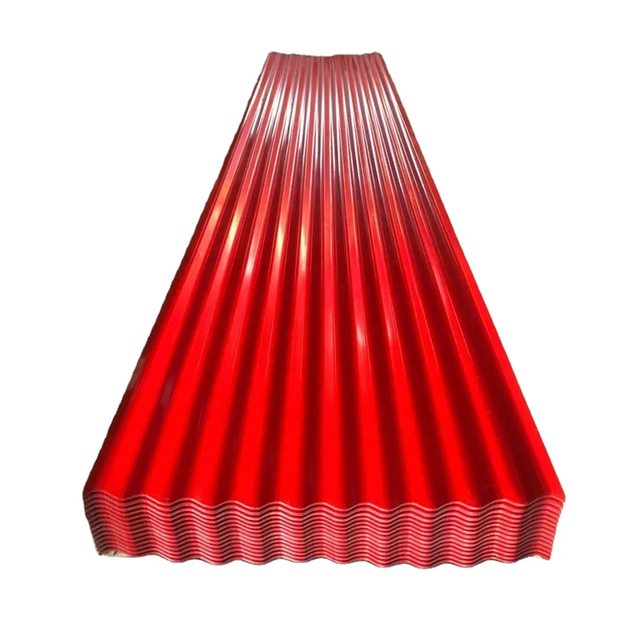
Galvanized steel is used in many things. Builders use it for roofs, gutters, and walls. It is also used for frames and ductwork. Car makers use it for car bodies and shields. Farmers use it for bins, silos, and fences. HVAC systems use it for air ducts and covers. You can find it in fridges, washing machines, and office furniture too.
Construction: roofing, cladding, structural framing, ductwork
Automotive: body panels, shields, reinforcement parts
Agriculture: storage bins, silos, fencing
HVAC: air ducts, housings
Appliances: refrigerators, washing machines, office furniture
People like galvanized steel because it is strong and easy to use. You can weld it, but you must be careful. Always work where there is fresh air and follow safety rules. The zinc coating can change how you weld, so you might need special ways to do it.
Maximizing Longevity
You can help your galvanized steel last longer by doing some simple things:
Pick hot-dip galvanized steel with a thick coating for tough places.
Store sheets off the ground in dry, clean spots before using them.
Use galvanized or stainless steel fasteners to stop rust.
Fix scratches or coating damage right away with zinc-rich paint.
Keep galvanized steel away from copper and plain carbon steel.
Wash off dirt and salt with gentle soap and water.
Check your steel every year and fix any damage you see.
Tip: If you clean and fix your galvanized steel often, it will stay strong for many years.
You can trust galvanized steel sheet to stop rust. The zinc coating sticks tightly to the steel. It keeps out water, salt, and dirty air.
Key Aspect | Description |
Enhanced Corrosion Resistance | The zinc finish helps steel last longer by stopping rust. |
Strong Adhesion | The zinc sticks well, so it does not peel off. |
Environmental Resistance | The zinc layer blocks water, salt, and pollution. |
When you use galvanized steel, keep these things in mind:
Choose the right standard and thickness for your job.
Thicker zinc coatings protect better.
Check and clean your steel often so it can last more than 50 years.
FAQ
What is the main reason galvanized steel resists rust?
Zinc coating protects steel from rust. You get a strong barrier that keeps water and air away. Zinc also sacrifices itself to save the steel underneath.
How do you know which gauge or grade to choose?
You should check your project needs. Thicker gauges work best for heavy-duty jobs. Grades like SPCC and SGCC follow strict standards. You can ask your supplier for advice.
Can you weld galvanized steel sheets easily?
You can weld galvanized steel sheets. The zinc coating may produce fumes. Always work in a well-ventilated area. Use safety gear to protect yourself.
How long does galvanized steel last outdoors?
Galvanized steel can last over 50 years in dry areas. In coastal or polluted places, you may see signs of wear sooner. Regular cleaning helps extend its life.
What maintenance does galvanized steel need?
You should wash off dirt and salt with mild soap and water. Inspect for scratches or damage every year. Quick repairs keep your steel strong and rust-free.