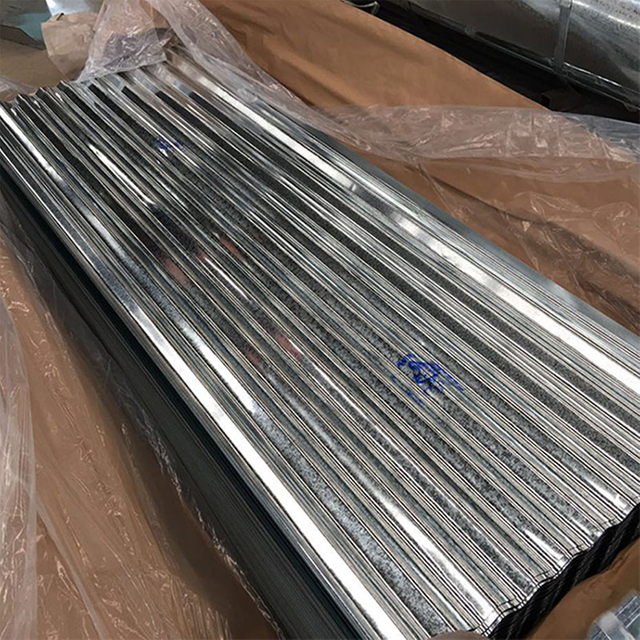
Aluminum roofing sheets begin with raw bauxite. This material turns into aluminum through many steps. The process includes extraction, refining, casting, rolling, coating, profiling, and inspection. These sheets are special because they do not rust. They are light and reflect sunlight. This helps keep your house cooler.
You get these benefits:
They do not rust, so they work well in wet places
They are light, so your house does not carry much weight
They save energy because they reflect sunlight
They are easy to shape and put on, and you can pick from many styles
Aluminum roofing gives a strong and flexible choice for today’s homes.
Key Takeaways
Aluminum roofing sheets begin as bauxite. Bauxite is changed into alumina. Then, alumina becomes aluminum using electrolysis. This makes the sheets strong. It also helps them resist rust.
Aluminum roofing is light in weight. This makes it easy to put on buildings. It also lowers the weight on the building. The lightness helps save energy by bouncing sunlight away.
Special coatings protect aluminum roofing sheets. Anodizing and special paints stop weather from harming them. These coatings help the sheets last longer. They also keep the sheets looking good.
Quality control is very important when making these sheets. Each sheet is checked for problems. This helps find any defects. Only the best sheets go to customers.
Aluminum roofing is good for the environment. It can be recycled many times. This cuts down on waste. It also uses less energy than making new materials.
Raw Materials
Bauxite Extraction
The process starts with bauxite. Bauxite is a red rock found near the ground. Miners dig it up from big open pits. This rock has aluminum oxide inside. Aluminum oxide is needed for roofing sheets.
Did you know?
Good bauxite makes strong roofing. If bauxite is pure, the roofing lasts longer. Pure bauxite helps the metal resist rust and stay strong.
Alumina Refining
After mining, bauxite must be refined to get alumina. The Bayer process is used for this. First, bauxite is crushed and mixed with sodium hydroxide. This forms a thick liquid called slurry. Then, the mixture is heated and put under pressure. Sodium hydroxide reacts with aluminum oxide. This makes sodium aluminate.
Here are the main steps in refining:
Bauxite is ground into a fine slurry in mills.
The slurry is mixed with caustic soda at high heat and pressure.
Sand and mud are washed out and removed.
Aluminum trihydrate crystals form from the solution.
The crystals are heated to about 1000°C to get alumina.
Pure alumina is needed to make roofing sheets. If you skip steps or use bad bauxite, the roofing will not be good.
Aluminum Production
Alumina is turned into aluminum by electrolysis. This step uses a lot of power. It takes a lot of energy to break the chemical bonds. Alumina is put in big pots and electricity is passed through it. This splits aluminum from oxygen.
Pure aluminum is needed for roofing. Pure aluminum keeps the sheets from rusting and leaking. This makes aluminum roofing good for wet and rough weather.
Every step must be checked to make strong and light roofing. The quality of the roofing depends on how pure the aluminum is.
Forming Metal Roof Panels
When you see a finished aluminum roofing sheet, it looks shiny and smooth. You might wonder how raw aluminum turns into strong roof panels. This part of making the roof shapes the metal so it can protect your house for a long time.
Casting Aluminum
You begin with melted aluminum. You pour it into molds to make solid pieces. The casting method you pick changes the quality and shape of the roofing sheet. Here are some common casting methods and what is good about them:
Casting Method | Advantages |
Die Casting | Makes complex shapes, needs little extra work, and uses steel dies again and again. |
Sand Casting | Works for many shapes, good for big parts, and is used for small batches. |
Permanent Molds | Gives high accuracy and smooth surfaces, great for making many sheets. |
Die casting is best when you need lots of sheets that look the same. Sand casting helps you make bigger or special parts. Permanent molds give you smooth and exact sizes. You choose the method based on how many sheets you want and what shape you need.
Tip:If you want a smooth look and exact size, permanent mold casting is the best way to make roofing sheets.
Rolling into Coils and Sheets
After casting, you roll the aluminum into thin sheets. Heavy rollers press the metal flat. This step makes the metal strong and bendy. You can roll the aluminum into coils or flat sheets. Rolling helps you pick the right thickness and surface look.
You need to know the best thickness for your roof. Here is a table that shows common thicknesses for aluminum coils and sheets used in roofing:
Application Type | Thickness Range |
Residential | .032” or .030” |
Commercial | .040” |
You also find aluminum sheets for roofing and siding that are 0.5 mm to 4 mm thick. Thicker sheets, about 3 mm, hold up heavy loads. Thinner sheets are good for covering walls and for decoration.
Aluminum sheets for roofing and siding are usually 0.5 mm to 4 mm thick.
Thicker sheets (about 3 mm) help hold up the roof.
Thinner sheets are used for covering and decoration.
Rolling into coils lets you make long, even sheets. You can cut these coils to any length you want. Even thickness means your roof will look smooth and fit together well. You will not have leaks or gaps if every sheet matches.
Note:Coil rolling is important to make sure every roofing sheet has the same thickness and strength.
Annealing Process
After rolling, you need to make the aluminum softer and easier to bend. You do this by annealing. Annealing means you heat the metal to a certain temperature and let it cool slowly. This changes the inside of the metal.
Here is how annealing works:
You heat the aluminum above its recrystallization temperature, usually between 150-250°C (302-482°F).
The metal goes through three steps: recovery, recrystallization, and grain growth.
The process makes the aluminum easier to bend and less hard.
Annealing brings back the bendiness of cold-worked aluminum alloys.
You use recovery, recrystallization, and grain growth to make the metal easier to shape.
You heat the metal to 150-250°C (302-482°F) for the best results.
Annealing is very important in making roofing sheets. You want your metal roof panels to bend without breaking. This step lets you shape the roofing sheet into different styles. You get strong panels that last longer and do not break easily.
Alert:If you skip annealing, your aluminum roofing sheets can become brittle and hard to put on.
When you use casting, rolling, and annealing together, you make roof panels that are strong and flexible. You control the thickness, shape, and strength at every step. This careful process makes sure your roof will protect your house from rain, wind, and sun.
Surface Coating
If you want your aluminum roofing sheets to last, you need to protect them. Rain, sun, and wind can damage your roof. Surface coatings help stop this damage. These coatings add a tough layer on top. Your roof gets better protection and lasts longer.
Anodizing
Anodizing makes the surface of your aluminum roofing sheets stronger. You use electricity and a special bath for this process. The metal surface becomes harder and less likely to scratch. It also does not rust easily. Anodized aluminum looks shiny and smooth. You can pick from different colors for your roof.
Tip:Anodizing helps your roofing sheet fight corrosion. It keeps your roof looking new for many years.
Protective Paints
Special paints give your roof even more protection. These paints block sunlight, rain, and dirt. Some paints work better than others. Here is a table that shows how common paints do in tough weather:
Paint Type | Performance in Accelerated Weathering Tests |
Kynar (PVDF) | Stays strong and keeps its color after many years. It works well in harsh places for over 50 years. |
SMP | Does not last as long as Kynar. It fades and chalks more easily. |
Polyester | Does not last as long as Kynar. It does not resist weather as well. |
You can also use fibered aluminum roof coatings and silicone coatings. These coatings give extra protection:
Fibered aluminum roof coatings make a waterproof layer. They keep water out and stop rust.
Silicone coatings stay bendy. They do not crack when the weather changes. This keeps your roof strong in hot and cold weather.
Acrylic and polyurethane coatings help protect against bad weather.
Some fibered aluminum roof coatings reflect up to 90% of the sun’s rays. This keeps your roof cooler and stops UV damage. Your roof lasts longer and saves energy.
Note:Using the right coatings makes your aluminum roofing sheets stronger. Your roof can handle bad weather. You protect your home and your money.
Roofing Sheet Profiling
When you reach the profiling stage, you give each roofing sheet its final shape and size. This step makes sure your roof fits together tightly and looks great. You start with large coils of aluminum. Machines feed these coils into special equipment that cuts and shapes them.
Cutting and Shaping
You need to cut each sheet to the right size before shaping it. This step uses machines like laser cutters or shears. These tools help you get clean, straight edges and reduce waste. Here is how precision cutting and shaping help your roofing project:
Cutting: You use machines to cut the metal into the exact size you need. This keeps waste low and makes sure every piece fits.
Bending: You shape the metal into the right profile using press brakes or CNC machines. This step gives each roofing sheet its strength and style.
Tip:Accurate cutting and shaping help your roof fit together without gaps. This keeps water out and makes your roof last longer.
Roll Forming for Profiles
After cutting, you use roll forming machines to create the final profile. You feed the flat sheets into the machine. The rollers bend and shape the metal as it moves through. This process gives you different styles, such as Longspan, Steptiles, and Metcopo.
Longspan sheets are wide and easy to install. You save time and money with fewer joints.
Steptiles are light and strong. Their design adds extra support, which works well for homes.
Metcopo sheets look good and last a long time. They handle harsh weather and keep your roof safe.
You can see how roll forming machines work in the table below:
Speed (m/min) | Thickness (mm) |
Above 10-15 | 0.3 - 1.2 |
These machines work fast and handle many thicknesses. You get roofing sheets that are uniform and ready for quick installation. When you use the right profile, you make your roofing project easier and more reliable.
Quality Control and Shipping
Inspection
You want your roof to last a long time. Inspection checks every sheet before it leaves the factory. Workers look for problems that could hurt your roof. They use special tools and their eyes to find issues. The table below shows common problems:
Defect Type | Description | Solution |
Scuffing & Scratching | Surface-level damage due to improper handling or installation. | Use a paint or touch-up pen for minor scratches; replace panels for deep gouges. |
Corrosion | Deterioration due to environmental factors, including underside corrosion. | Ensure proper coating, use suitable materials for coastal areas, and address cut edges properly. |
Dissimilar Metals | Negative interactions between different metals causing corrosion. | Identify and seal gaps, replace damaged panels, and apply protective coatings. |
Workers check for scuffing and scratching. They fix small scratches with paint. If there are deep marks, they use new panels. Corrosion happens if the coating is weak or the sheets are near the ocean. You need strong coating to stop this. Dissimilar metals can make rust. You must seal gaps and pick the right materials. Careful inspection keeps your aluminum roofing safe and strong.
Tip:Always ask for a quality report before you buy roofing sheets. This helps you avoid problems later.
Packaging
After checking, you want your roofing sheets to arrive safely. Good packaging keeps each sheet safe from water, scratches, and dents. Factories use many ways to protect your roofing:
Use materials that keep out water.
Put oil between sheets so they do not stick or scratch.
Close packages with strong tape.
Add corner guards and steel straps for more safety.
Workers wrap each sheet carefully. They use oil to keep sheets smooth. Steel straps hold the sheets together. Corner guards stop dents. These steps help your aluminum roofing sheets get to your home in great shape.
Note:Good packaging saves you money. You do not need to replace damaged roofing sheets.
You get strong, clean, and ready-to-use roofing when you follow these steps.
You have learned that aluminum roofing sheets start as bauxite. They become strong and can handle bad weather. These roofs last a long time and help save energy.
Aluminum roofing is good for the planet. You can recycle it again and again. This means less trash goes to landfills. Almost all aluminum roofing comes from recycled materials. This helps lower pollution. Aluminum is light, so buildings need less support. This saves materials and energy when moving and putting on the roof. Aluminum also reflects sunlight. This keeps buildings cooler and saves energy. It also helps cut down on greenhouse gases.
Roofing Material | Average Lifespan |
Asphalt Shingles | 20-30 years |
Aluminum Roofing | 50-70 years or more |
Steel Roofing | Comparable to aluminum (50-70 years) |
You help the earth and get a roof that lasts many years. Metal roofing sheets are a smart and strong choice.
FAQ
What makes aluminum roofing sheets different from other metal roofing sheets?
Aluminum roofing sheets do not rust like others. They are lighter than steel sheets. These sheets bounce sunlight away better. You can install and shape them more easily.
How long does the manufacturing process for roofing sheets take?
Modern factories make roofing sheets fast. It takes only a few hours from casting to coating. The time changes with the thickness and shape of each sheet.
Can you recycle aluminum roofing sheets after use?
You can recycle aluminum roofing sheets many times. Recycling uses less energy than making new ones. Choosing recycled metal roofing helps the environment.
What profiles can you choose for your roofing sheet?
You can pick Longspan, Steptiles, or Metcopo profiles. Each profile gives your roof a special look and strength. Roll forming machines make the sheets easy to install.
How do coatings protect your aluminum roofing sheets?
Coatings like anodizing and special paints protect your sheets. They stop rust and keep sunlight out. Your roofing lasts longer and stays strong in bad weather.