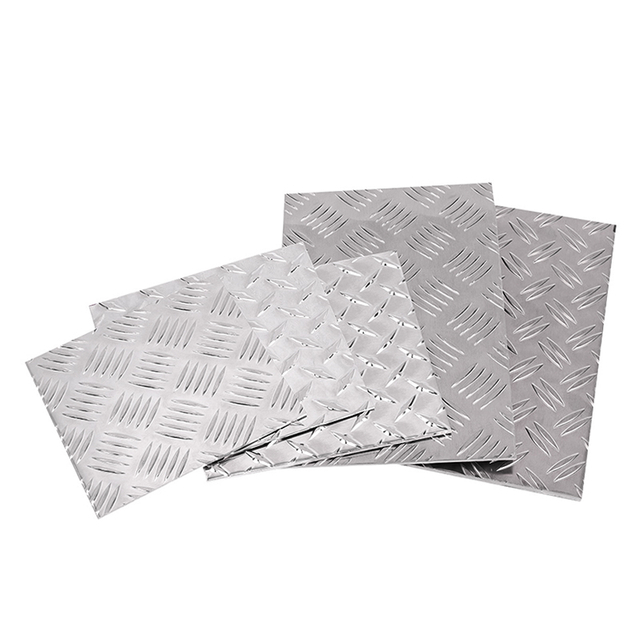
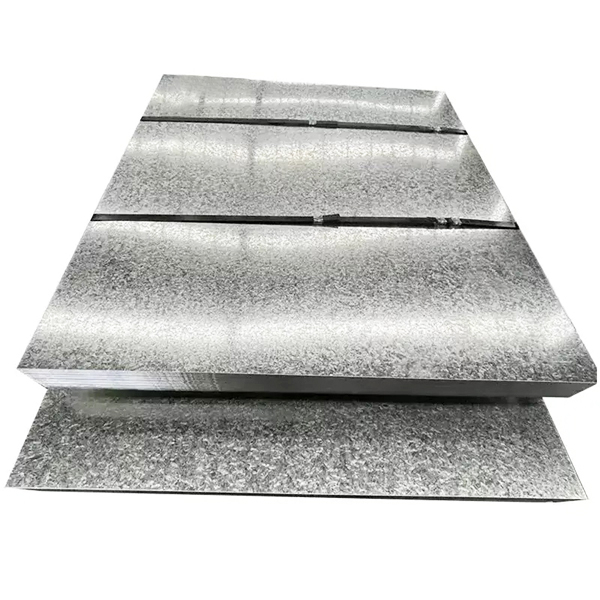
Stainless steel is prized for its durability and clean, modern aesthetic. From kitchen appliances and automotive parts to architectural details, its lustrous finish adds a touch of sophistication. But over time, even this tough material can become dull, scratched, or stained. Restoring its original shine is not just about appearances; it’s about maintaining the material's integrity and performance.
Polishing stainless steel does more than just make it look good. The process smooths the metal's surface, which makes it easier to clean and removes microscopic crevices where contaminants and rust can form. By leveling surface peaks and refining scratches, you restore the steel’s natural reflectivity and enhance its corrosion resistance.
Whether you're a professional fabricator aiming for a flawless mirror finish or a DIYer looking to restore a home appliance, this guide provides a comprehensive roadmap. We'll walk through the essential tools, safety precautions, and step-by-step workflows to help you polish stainless steel effectively, covering everything from a simple brushed texture to a perfect, gleaming mirror.
Tools, Supplies, and Safety Gear
Before you begin to polish stainless steel, gathering the right equipment is crucial for achieving professional results safely. The tools and materials you need will depend on the starting condition of the steel and your desired finish.
Hand and Power Tools
Hand Tools: For small touch-ups and final detailing, you'll want microfiber cloths, hand sanding pads, and sanding blocks. These are essential for cleaning, applying polishes, and working on intricate areas.
Power Tools: For larger surfaces, power tools are non-negotiable.
A random-orbit sander is excellent for the initial grit progression stages.
An angle grinder or a bench polisher fitted with buffing wheels is necessary for buffing and achieving gloss or mirror finishes.
Airway buffing wheels are a must for serious polishing, as their design helps dissipate heat and extend the life of your compounds.
Abrasives and Compounds
Polishing is a process of progressive refinement. You will need a series of abrasives and compounds to achieve a smooth surface.
Abrasive Grits: Start with a lower grit to remove deep scratches and work your way up. A typical progression is: 150–240 grit → 400 grit → 600 grit → 1200 grit. For a true mirror finish, you may need to go up to 2000 grit.
Buffing Compounds: These are color-coded based on their abrasiveness.
Black Stainless Steel Compound: A coarse compound used for the initial "cut" buff to remove sanding marks.
Brown Tripoli Compound: A medium-grade compound for the second buffing stage to further refine the surface and enhance color.
Green Rouge Compound: A fine finishing compound used for the final "color" buff to bring out a high-gloss, mirror-like shine.
Cleaners and Solvents
Personal Protective Equipment (PPE)
Safety should always be your top priority.
Eye Protection: Safety glasses or goggles are essential to protect your eyes from flying debris and compound dust.
Respiratory Protection: A dust mask or respirator is critical to avoid inhaling metal and abrasive particles.
Gloves: Heavy-duty gloves protect your hands from sharp edges and heat.
Ventilation: Work in a well-ventilated area to disperse fumes and dust.
Step 1: Preparation Starts with Proper Cleaning
You can't achieve a great finish on a dirty surface. The first step in learning how to polish stainless is meticulous preparation. Any leftover oils, dirt, or residues will interfere with the abrasives and can even cause new scratches.
First, degrease the entire sheet with a mild detergent and water. For any sticky residues left from protective films or tape, use acetone on a clean cloth. Be sure to tape off any sharp edges to protect yourself and your tools.
If the stainless steel has deep scratches, pits, or weld marks, address these before you start the overall polishing process. Use a low-grit sandpaper (around 80–120 grit) to spot-fix these damaged areas. Focus only on the affected spot until it is level with the surrounding surface. Once you're done, clean the area again to remove any new particles.
Crucial Note: Never use steel wool or cleaners containing chlorides (like bleach) on stainless steel. Steel wool can leave behind small iron particles that will rust, and chlorides can cause pitting corrosion.
Step 2: The Grit Progression Map
The core of polishing is the grit progression. This multi-step sanding process systematically removes the scratches from the previous, coarser grit with a new set of finer scratches, until the surface is perfectly smooth. Skipping a grit is a common mistake that will leave you with an inconsistent finish.
150–240 Grit: This initial stage is for removing old grain patterns, deep scratches, and establishing a uniform, unidirectional grain. Your goal is to create a consistent canvas for the finer grits to work on.
400 Grit: This stage refines the marks left by the 240-grit paper. The scratches will become noticeably smaller, and the surface will start to develop a dull sheen.
600 Grit: This is the pre-polishing stage. After this step, the surface should have a smooth, satin-like appearance with a good degree of clarity.
1200 Grit (and 2000 Grit, optional): This final sanding stage prepares the surface for buffing compounds. The finish should be highly reflective, and any sanding lines should only be visible under very close inspection with a raking light. For a true mirror finish, continuing to 2000 grit is recommended.
A key rule for this process is to change your sanding direction by 90 degrees with each grit change. For example, if you sanded horizontally with 240 grit, sand vertically with 400 grit. This technique makes it easy to see when you have fully removed the scratches from the previous step. Stop sanding with a new grit only when all the lines from the prior grit have vanished.
Step 3: Machine Settings and Polishing Technique
When using power tools, control is everything. Incorrect settings or poor technique can ruin your hard work by creating uneven surfaces or overheating the metal.
Sanding Speed (RPM): For a random-orbit sander, aim for a speed between 4,000 and 6,500 RPM. This is generally effective for stainless steel without generating excessive heat.
Pressure and Heat: Let the tool do the work. Apply only light, consistent pressure. Pressing too hard will create friction and heat, which can warp or discolor the stainless steel, a phenomenon known as "orange peel."
Pad Maintenance: Keep your sanding pads and buffing wheels clean. A clogged pad won't cut effectively and can burnish the surface.
Edge Control: Be especially careful near edges and corners, as it's easy to round them over or burn through the metal.
Workflow A: How to Achieve a Brushed/Satin Finish (No. 4)
The No. 4 brushed finish is one of the most common finishes for stainless steel, especially in kitchens and architectural applications. It has a clean, uniform look with a low level of reflectivity.
Establish the Grain: Start with a 150 or 240-grit abrasive belt or drum. The key here is to make long, straight, and continuous passes in one direction.
Overlap Your Passes: Overlap each pass by about 50% to ensure there are no visible lines between strokes. This creates a seamless, uniform grain.
Refine with a Non-Woven Pad: Once the grain is established, switch to a non-woven finishing pad (like a Scotch-Brite pad) on your sander or by hand. Move the pad along the grain to soften the lines and create a smooth, satin luster.
Workflow B: How to Get a Bright Gloss Finish
A gloss finish is a step up from satin, offering higher reflectivity without being a full mirror.
Sand to a High Grit: Follow the grit progression map up to at least 600 grit, or preferably 1200 grit. The surface should be very smooth and reflective before you introduce any compounds.
Perform a Cut Buff: Attach a blue airway buffing wheel to your polisher. Apply a small amount of black stainless steel compound to the spinning wheel. Buff the entire surface with light, overlapping passes. This step will remove the fine sanding scratches from the 1200-grit paper.
Wipe and Inspect: After buffing, wipe the surface clean with a microfiber cloth to remove the compound residue. Inspect the finish under a bright light. If you see any remaining sanding lines, you may need to go back and rebuff those specific areas.
Workflow C: How to Polish Stainless Steel to a Mirror Finish
Achieving a true mirror finish is the pinnacle of stainless steel polishing. It requires patience and meticulous attention to detail, but the stunning result is worth the effort.
Sand to Perfection: Sand the surface all the way up to 1200 or 2000 grit. At this stage, absolutely no sanding lines should be visible under a raking light. The surface should look like a hazy mirror.
Cut Buff (Black Compound): Using a dedicated blue airway wheel, apply black compound and buff the entire surface. This is the most aggressive buffing stage and will remove the last of the fine sanding scratches.
Intermediate Buff (Brown Tripoli): Clean the surface thoroughly. Switch to a new, clean yellow airway wheel and apply brown Tripoli compound. Buff the entire piece again. This step refines the surface further and improves color and clarity.
Color Buff (Green Rouge): After another thorough cleaning, switch to a fresh white airway wheel. Apply a small amount of green rouge compound. This final buffing stage is what brings out the deep, brilliant shine. Use very light pressure and move quickly.
Important: Use a separate, dedicated buffing wheel for each compound. Mixing compounds will contaminate your wheels and ruin the finish. Avoid overloading the wheel with compound; a little goes a long way.
Cleaning and Protecting Your Polished Finish
Once you’ve achieved your desired finish, the final step is to clean and protect it.
Remove Compound Residue: Wipe the surface with a clean microfiber cloth to remove any leftover compound. A neutral cleaner can help lift stubborn residue.
Final Wipe-Down: Perform a final wipe with a clean, dry cloth to ensure the surface is free of streaks.
Optional Protection: For non-food-contact surfaces, you can apply a specialized metal wax or sealant to protect the finish and make future cleaning easier.
Passivation: If you performed very aggressive grinding or polishing, the corrosion resistance of the stainless steel may be slightly reduced. For critical applications, consider a citric acid passivation treatment to restore the protective chromium oxide layer.
Frequently Asked Questions (FAQs)
Can I achieve a mirror finish at home?
Yes, it's possible with the right tools (a variable-speed polisher, buffing wheels, and compounds) and a lot of patience. However, it's a labor-intensive process that requires careful attention to the grit and compound progression.
What grit should I stop at before using buffing compounds?
For a good gloss finish, sand to at least 600-grit. For a true mirror finish, you must sand to at least 1200-grit, with 2000-grit being even better. The smoother the surface is before you start buffing, the less work the compounds have to do.
What is the correct order for buffing compounds?
The standard order is: Black (cut) → Brown Tripoli (intermediate) → Green Rouge (color/finish). Always move from the most abrasive to the least abrasive, and use a separate wheel for each.
How do I remove old brush lines without making the sheet wavy?
Use a sanding block or a hard-backed pad on your sander for the initial 150-240 grit stage. This helps keep the surface flat while you establish a new, uniform grain. Avoid using a soft pad, which can follow existing low spots and create waviness.
Does brushing or polishing reduce corrosion resistance?
Aggressive grinding can temporarily reduce corrosion resistance by removing the passive layer. However, proper fine polishing actually improves corrosion resistance by creating a smoother surface with fewer places for corrosive agents to settle. Passivation can restore full protection if needed.
Your Path to a Perfect Finish
Polishing stainless steel is a rewarding process that transforms a functional material into a work of art. The secret lies in a systematic approach: start with thorough preparation, follow a progressive grit sequence, and use clean, dedicated wheels for each buffing compound. With controlled technique and the right supplies, you can restore or create any finish you desire.
Ready to learn more about metal finishing? Explore our blog for more expert guides, or contact our team for advice on your specific project.