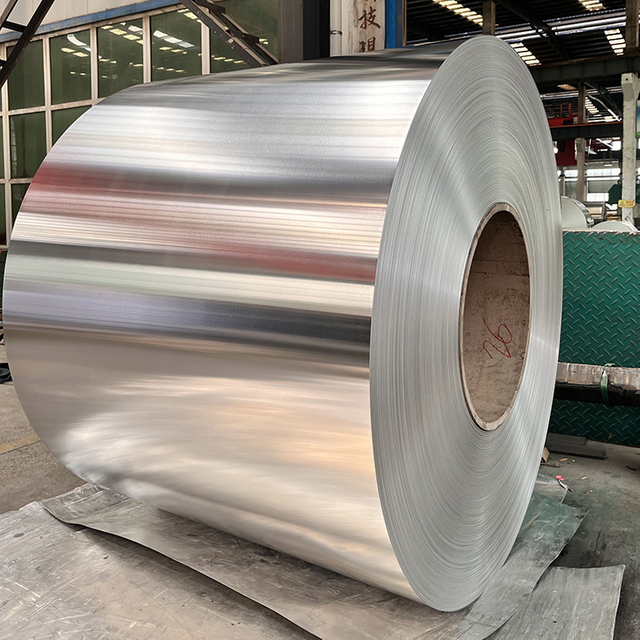
Ever wondered why some steel structures remain rust-free for decades? The secret lies in galvanization. Galvanized Steel features a protective zinc coating that guards against corrosion. Understanding the importance of galvanization is crucial for industries relying on durable materials. In this post, you'll learn how galvanized steel is made, its rust resistance, and factors affecting its longevity.
How Galvanized Steel is Made
The Process of Hot-Dip Galvanization
Galvanized steel gets its protective zinc coating through a process called hot-dip galvanization. First, the steel is cleaned thoroughly to remove dirt, oil, and rust. Then, it is dipped into a bath of molten zinc heated to around 450°C (842°F). This immersion allows the zinc to bond tightly to the steel surface, forming a robust coating that shields the steel from corrosion.
The molten zinc reacts with the steel to create several layers of zinc-iron alloy. As the steel cools, a layer of pure zinc forms on top, giving the familiar shiny or matte finish. This method ensures the zinc coating is thick and uniform, providing excellent protection against rust.
Chemical Bonding of Zinc and Steel
Unlike simple paint coatings that sit on the surface, hot-dip galvanization creates a metallurgical bond between zinc and steel. This bond forms distinct layers where zinc and iron atoms mix, producing a new alloyed surface. This chemical fusion makes the zinc coating highly adherent and durable.
An important feature of this bond is its self-healing ability. If the galvanized surface is scratched or damaged, zinc corrodes preferentially, sacrificing itself to protect the exposed steel beneath. This sacrificial corrosion prevents rust from forming on the steel, extending the material’s lifespan significantly.
Comparison with Other Coating Methods
Galvanization stands out compared to other protective coatings like painting or electroplating. Paint acts as a barrier but does not bond chemically and can chip or peel, exposing steel to rust. Electroplating deposits a thin zinc layer using electrical current but typically results in a thinner, less durable coating.
Hot-dip galvanization produces a thicker, more resilient coating, often lasting decades without maintenance. This makes it ideal for outdoor structures, infrastructure, and environments where corrosion resistance is critical. Moreover, galvanized steel usually costs less over time due to lower maintenance and replacement needs.
Tip: For projects requiring maximum corrosion resistance, opt for hot-dip galvanized steel over painted or electroplated steel to benefit from its thicker, self-healing zinc coating.
Does Galvanized Steel Rust?
Understanding Rust and Corrosion
Rust is a form of corrosion that affects iron and steel when exposed to oxygen and moisture. It creates iron oxide, a flaky substance that peels off, exposing fresh metal underneath. This cycle continues, causing the metal to deteriorate. Galvanized steel, however, has a zinc coating that acts as a shield. Zinc oxidizes differently; it forms a protective layer of zinc oxide, which then converts to zinc carbonate in the presence of moisture. This dull gray patina is water-insoluble and blocks further corrosion. So, while regular steel rusts quickly, galvanized steel resists rust much longer because zinc protects the surface and the steel beneath.
Conditions Under Which Galvanized Steel May Rust
Galvanized steel is not completely immune to rust. Its zinc layer can wear down over time, especially under harsh conditions. Factors that can lead to rust include:
High Humidity: Environments with relative humidity above 60% accelerate zinc corrosion.
Salt Exposure: Coastal or marine air contains sodium chloride, which speeds up zinc layer breakdown.
Frequent Wetting: Constant moisture, like in car washes or damp climates, can degrade the coating.
Pollution: Industrial pollutants such as sulfur dioxide and hydrogen sulfide corrode zinc faster.
Alkaline Substances: Materials like cement and plaster contain chlorides and sulfates that attack zinc.
Biological Growth: Moss and lichen retain moisture, promoting localized corrosion.
When zinc coating thins or is scratched, the exposed steel can start rusting. However, zinc’s sacrificial nature means it corrodes first, protecting steel until the zinc is mostly consumed.
Long-term Durability of Galvanized Steel
Despite eventual zinc wear, galvanized steel lasts far longer than uncoated steel. Typical service life ranges from 20 to 50 years in normal outdoor conditions. In coastal or industrial environments, it may last 5 to 15 years before rust appears. The zinc coating’s thickness and environmental exposure primarily determine longevity.
The self-healing property of zinc is crucial. If the surface is scratched, zinc corrodes preferentially, sealing off the exposed steel and preventing rust spread. This sacrificial protection extends the steel’s life significantly.
Maintenance also plays a vital role. Regular cleaning to remove salt, dirt, and pollutants slows zinc consumption. Inspections to repair scratches or damaged areas help maintain the protective barrier.
In summary, galvanized steel can rust, but only under specific conditions and usually after many years. Its zinc coating provides durable, long-lasting protection, making it a reliable choice for corrosion resistance.
Factors Affecting Rust on Galvanized Steel
Environmental Conditions
The environment plays a huge role in how quickly galvanized steel might rust. High humidity levels, especially above 60%, speed up zinc corrosion. Coastal areas are tough on galvanized steel because salt in the air and water accelerates the zinc layer's wear. Industrial zones also pose challenges due to acidic gases and pollutants like sulfur dioxide, which eat away at the zinc coating faster than usual.
Temperature matters too. While low temperatures don’t harm galvanized steel, high temperatures combined with moisture or pollution can accelerate corrosion. Soil conditions impact buried galvanized steel; wet, muddy soils tend to cause faster zinc degradation than dry, sandy soils.
Impact of Zinc Coating Thickness
The thickness of the zinc layer is a key factor in rust resistance. Thicker coatings provide longer protection by taking more time to wear away. For example, a coating around 85 microns can last 20 to 50 years in normal outdoor settings. In harsher environments like coastal or industrial areas, thicker coatings (over 100 microns) are recommended to extend service life.
As the zinc coating wears down, the steel underneath becomes vulnerable. The zinc acts as a sacrificial layer, corroding first to protect the steel. Once the zinc is mostly gone, rust can start forming on the steel surface. So, choosing the right coating thickness based on environmental exposure is critical.
Role of Mechanical Damage
Mechanical damage like scratches, dents, or chips can compromise the zinc coating. These breaks expose the steel beneath, allowing moisture and oxygen to reach it. While zinc’s self-healing property helps protect small damaged areas by corroding preferentially, large or deep damage reduces this protection.
Damaged areas can become focal points for rust if not repaired. Regular inspections help spot these weak spots early. Repairing scratches with zinc-rich paint or coatings slows corrosion and extends the steel's life.
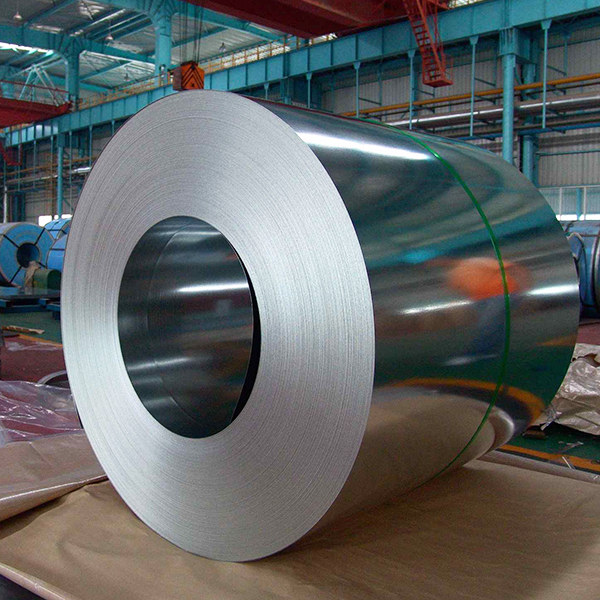
Maintenance of Galvanized Steel
Regular Cleaning Practices
Maintaining galvanized steel starts with regular cleaning. Dirt, salt, and pollutants can build up on the surface and speed up zinc coating wear. Cleaning removes these harmful deposits, helping the zinc layer last longer. Use mild soap and water with a soft brush or cloth to gently scrub the steel. Avoid harsh chemicals or acidic cleaners, as they can damage the zinc. Rinse thoroughly and dry the surface to prevent water spots or residue. In coastal or industrial areas, increase cleaning frequency to quarterly or even monthly to combat salt and pollution buildup. Regular cleaning slows corrosion and keeps galvanized steel looking good.
Inspection and Repair Techniques
Frequent inspections are crucial. Check for scratches, chips, or dents where the zinc coating might be compromised. These spots expose steel to moisture and oxygen, starting rust. Look closely at welds, edges, and joints, as these areas often suffer mechanical damage. Use a coating thickness gauge to measure zinc thickness and identify thin spots. For minor damage, apply zinc-rich paint or cold galvanizing compound to restore protection. For more extensive corrosion, consider professional repair or re-galvanization. Prompt repairs prevent small issues from becoming costly replacements.
Preventive Measures to Avoid Rust
Prevention is better than cure. Apply clear protective lacquers or sealants over galvanized steel to add extra defense, especially in harsh environments. Avoid direct contact between galvanized steel and highly alkaline materials like fresh cement, which can corrode zinc quickly. Design structures to avoid water pooling or trapping moisture against the steel. Ensure good drainage and ventilation around galvanized steel components. When handling or installing, minimize scratches by using protective gloves and careful tools. Lastly, schedule routine maintenance checks, especially after severe weather or mechanical impacts.
Applications of Galvanized Steel
Uses in Construction and Infrastructure
Galvanized steel is widely used in construction and infrastructure because of its excellent rust resistance and durability. It appears in structural frameworks, roofing, and wall panels. Bridges and highway guardrails also rely on galvanized steel for long-lasting protection against weather and wear. Its ability to withstand harsh outdoor conditions without frequent maintenance makes it a preferred choice for these projects. For example, steel beams coated with zinc can endure decades of exposure to rain and wind, reducing repair costs and downtime.
Advantages in Agricultural Settings
In agriculture, galvanized steel is invaluable for equipment, fencing, and storage facilities. It resists corrosion caused by moisture, fertilizers, and animal waste, which can quickly degrade untreated steel. Farm gates and corrals made of galvanized steel remain strong and rust-free longer, ensuring safety and reducing replacement frequency. Additionally, galvanized steel silos and barns protect stored crops and machinery from environmental damage. Its affordability combined with corrosion resistance makes it ideal for agricultural use, where durability is critical.
Suitability for Coastal and Industrial Areas
Coastal and industrial environments challenge metals due to salt spray, humidity, and pollutants. Galvanized steel performs well in these areas because the zinc coating slows corrosion even under aggressive conditions. While salt air accelerates zinc wear, thicker coatings and regular maintenance extend service life significantly. Industrial plants benefit from galvanized steel in piping, support structures, and equipment housing because it withstands chemical exposure better than plain steel. For example, coastal bridges often use galvanized steel to resist rust from salty ocean air, maintaining structural integrity for years.
Benefits of Using Galvanized Steel
Cost-Effectiveness Compared to Other Materials
Galvanized steel offers a cost-effective solution for many projects. Compared to stainless steel or other corrosion-resistant metals, it is significantly less expensive. The initial investment is lower, and it often reduces long-term costs by minimizing maintenance and replacement needs. Its durability means fewer repairs and less downtime, which saves money over the lifespan of a structure or product. For example, a bridge built with galvanized steel may require fewer repairs than one made from untreated steel, reducing overall expenses.
Longevity and Durability
One of the biggest benefits of galvanized steel is its long service life. Thanks to the zinc coating, it resists rust and corrosion far better than bare steel. Typical lifespans range from 20 to 50 years in normal outdoor environments, and with proper maintenance, it can last even longer. The zinc layer acts as a sacrificial barrier, corroding first to protect the steel underneath. This self-healing property means small scratches or damages won’t quickly lead to rust, maintaining structural integrity over time. In harsh environments like coastal or industrial areas, thicker coatings and regular upkeep can extend durability further.
Environmental and Safety Considerations
Galvanized steel is also an environmentally friendly option. The zinc coating protects steel from corrosion, reducing the need for frequent replacements and lowering waste. Additionally, zinc is a naturally occurring element and can be recycled along with steel, supporting sustainability goals. Using galvanized steel also enhances safety by preventing rust-related failures, which can cause structural collapses or accidents. Its resistance to corrosion means fewer toxic rust particles or debris, making it safer for both workers and the environment. Moreover, galvanized steel does not require harmful chemical treatments, reducing environmental impact during production and use.
Conclusion
Galvanized steel resists rust through its zinc coating, offering long-lasting protection. Regular maintenance, such as cleaning and inspections, enhances durability. It is ideal for construction, agriculture, and coastal or industrial settings due to its cost-effectiveness and environmental benefits. Future prospects are promising, with its continued use in various industries. Sino Steel provides high-quality galvanized steel, delivering value through affordability and long-term performance. Their products ensure reliable corrosion resistance, making them a smart choice for diverse applications.
FAQ
Q: What is Galvanized Steel?
A: Galvanized Steel is steel coated with zinc through hot-dip galvanization, providing rust resistance and durability.
Q: How does Galvanized Steel prevent rust?
A: The zinc coating on Galvanized Steel acts as a barrier, oxidizing to form a protective layer that shields the steel from moisture and oxygen.
Q: Why choose Galvanized Steel over other coatings?
A: Galvanized Steel offers a thicker, more durable coating than paint or electroplating, making it ideal for long-term corrosion resistance.
Q: Can Galvanized Steel rust in coastal areas?
A: Yes, Galvanized Steel can rust in coastal areas due to salt exposure, but thicker coatings and maintenance can extend its lifespan.