Galvanized steel is a material known for its corrosion-resistant properties, which makes it an ideal choice in various industries, including construction, automotive, and manufacturing. At Shandong Sino Steel Co., Ltd., we provide high-quality galvanized steel coils and sheets that are both durable and versatile. As galvanized steel becomes more widely used in structural applications, a common question arises: Can galvanized steel be welded?
Welding galvanized steel presents unique challenges and requires specialized techniques. In this article, we will explore the process of welding galvanized steel, highlight the safety precautions, and explain how to achieve high-quality welds while preserving the material’s corrosion resistance. Whether you are working with galvanized steel sheets for roofing or using galvanized steel coils for structural components, understanding these principles will ensure that your projects are completed safely and efficiently.
Understanding Galvanized Steel and Welding Challenges
Welding galvanized steel can be tricky due to the zinc coating that protects the steel from corrosion. The galvanization process involves dipping steel into molten zinc, creating a layer of zinc that provides long-lasting corrosion resistance. However, when you apply heat to this material, the zinc coating can create some complications.
What Happens to Zinc When Heated
Zinc has a relatively low melting point compared to steel. When galvanized steel is exposed to heat during welding, the zinc coating starts to evaporate. This process releases zinc oxide fumes into the air. These fumes are toxic and can cause significant health issues if inhaled. This is why proper ventilation and respiratory protection are critical when welding galvanized steel.
Additionally, the heating of zinc can result in a brittle bond at the welded joint. This could lead to cracks or weaknesses in the weld, compromising the integrity of the structure. Thus, understanding the behavior of zinc at high temperatures is crucial for anyone working with galvanized steel.
Safety Concerns with Fumes & Ventilation
Welding galvanized steel involves the release of harmful fumes, which is one of the most important safety concerns. Zinc oxide fumes, produced when the zinc coating evaporates, can lead to a condition known as "metal fume fever" if inhaled. Symptoms of metal fume fever include fever, chills, nausea, and coughing, which are caused by the body's reaction to the inhaled fumes.
To mitigate these risks, it is essential to perform welding in well-ventilated areas. If welding indoors, fume extraction systems should be used to remove the fumes from the workspace. Additionally, workers should wear respirators to protect against inhaling the toxic fumes. PPE such as gloves, protective clothing, and safety glasses should also be worn to safeguard against burns and other potential hazards.
Best Welding Practices for Galvanized Steel
Welding galvanized steel requires specialized techniques to ensure the final result is strong, durable, and safe. Whether you are using galvanized steel sheets for cladding or galvanized steel coils for structural purposes, there are several key practices to follow to ensure optimal results.
Grinding Off Zinc Around Weld Area
One of the most effective ways to prevent welding issues when working with galvanized steel is to remove the zinc coating from the area to be welded. This can be done by grinding or sanding the surface to expose the base metal. By removing the zinc, you minimize the risk of zinc vaporizing during welding, which helps prevent the formation of brittle welds.
Grinding off the zinc layer also ensures better adhesion of the filler material to the steel, improving the overall quality of the weld. This process can be done using a wire brush or a grinder, but it is important to ensure that the steel is clean and free of any contamination before beginning the welding process.
Recommended Welding Methods (MIG, TIG, SMAW)
When welding galvanized steel, the welding method you choose is just as important as the preparation. The three most commonly used methods for welding galvanized steel are MIG (Metal Inert Gas), TIG (Tungsten Inert Gas), and SMAW (Shielded Metal Arc Welding). Each method has its advantages and is suitable for different applications.
Table: Pros and Cons of Different Welding Methods
Welding Method | Advantages | Disadvantages | Recommended Application |
MIG Welding | High efficiency, suitable for most metals | Produces more smoke, requires higher skill | Large structures, industrial facilities |
TIG Welding | Precise, minimal heat-affected zone | Slower welding speed, suitable for thinner materials | Light steel plates, precision welding |
SMAW (Stick Welding) | Simple equipment, portable | Suitable for thicker materials, can be more challenging for thin sheets | Temporary sites, maintenance work |
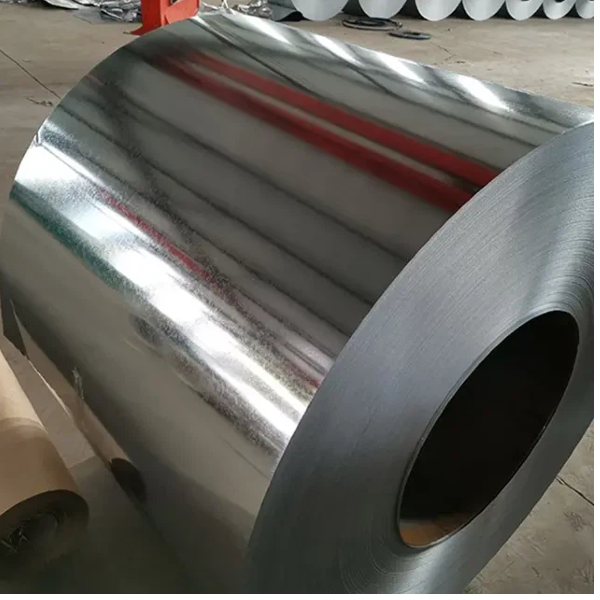
Welding Before vs After Galvanizing
One of the most common decisions when working with galvanized steel is whether to weld before or after the galvanization process. Both approaches have their advantages, and understanding these differences is key to achieving high-quality welds.
Advantages of Welding First
Welding galvanized steel before it undergoes the galvanization process has several benefits. When welding before galvanizing, you eliminate the potential complications of welding through the zinc layer. Without the zinc, the welding process is smoother, and there is a reduced risk of compromising the weld’s strength. Additionally, welding before galvanizing allows for a cleaner, more controlled welding process.
Once the welding is complete, the steel can then be galvanized to protect the welds and surrounding areas from corrosion, ensuring long-lasting durability.
Post-Weld Galvanized Protection Options
If welding occurs after galvanization, it’s essential to ensure that the welded area is protected. One solution is to use cold galvanizing compounds, which are zinc-rich paints designed to mimic the protective properties of hot-dip galvanization. These paints can be applied to the welded areas to provide an additional layer of protection.
Another option is to re-galvanize the steel after welding. This can be done by sending the entire steel component back through the galvanizing process to ensure that the welded areas are properly coated and protected from corrosion.
Safety & Protective Measures
Welding galvanized steel comes with inherent risks, particularly related to exposure to toxic fumes. Ensuring proper safety measures and using the right protective equipment is critical to maintaining a safe working environment.
PPE, Respirators & Ventilation
As with any welding process, personal protective equipment (PPE) is essential when working with galvanized steel. This includes welding gloves, long-sleeved clothing, safety glasses, and a welding helmet to protect against UV radiation and flying sparks. Since welding galvanized steel releases harmful fumes, workers must also wear respirators designed to filter out zinc oxide fumes.
Proper ventilation is equally important. When welding indoors, it's crucial to have an effective ventilation system in place to ensure that fumes are expelled from the workspace. If possible, welding should be performed in open areas where fresh air can help dissipate the fumes.
Handling Zinc Oxide Fumes
Zinc oxide fumes are the primary concern when welding galvanized steel. These fumes can be hazardous if inhaled, so controlling exposure is essential. Use fume extractors to capture the fumes at the source, or work outdoors if possible. It’s also important to avoid breathing in the fumes directly, as prolonged exposure can lead to serious respiratory issues.
Applications Where Welding Galvanized Steel Is Common
Welding galvanized steel is widely used in the construction and industrial sectors due to the material’s durability and corrosion resistance. Shandong Sino Steel Co., Ltd. provides high-quality galvanized steel coils and sheets that can be used in a variety of applications, including structural components and custom fabrication.
Structural Components
Galvanized steel is often used in the fabrication of structural components, such as beams, columns, and frames, where strength and corrosion resistance are critical. Welding galvanized steel allows manufacturers to create custom-sized parts that meet specific design and functionality requirements for building projects.
Custom Fabrication with Galvanized Steel Coil
Galvanized steel coils are versatile and can be custom fabricated to suit various industrial needs. Whether used in roofing, fencing, or other applications, galvanized steel can be welded to form custom components that are both functional and durable.
Conclusion
In conclusion, welding galvanized steel is entirely possible, but it requires careful attention to detail and safety. By removing the zinc layer around the weld area and selecting the appropriate welding method, you can ensure that your welds are strong and durable while maintaining the corrosion-resistant properties of the material. Shandong Sino Steel Co., Ltd. offers high-quality galvanized steel coils and sheets that are perfect for welding applications, and we are here to provide support for your next project. For more information on our products and how they can benefit your work, don’t hesitate to contact us today.
Contact Us
For more information on galvanized steel products or to discuss your specific project needs, please contact us. Our team is ready to assist with your welding and construction requirements.
FAQ
1. Can galvanized steel be welded?
Yes, galvanized steel can be welded. However, proper safety precautions and welding methods must be followed to ensure strong and safe welds.
2. What should I do before welding galvanized steel?
It is recommended to remove the zinc coating around the welding area by grinding or sanding the surface to improve the quality of the weld.
3. What welding methods are best for galvanized steel?
MIG welding, TIG welding, and SMAW are all effective methods for welding galvanized steel, depending on the application and the material thickness.
4. How do I handle the fumes when welding galvanized steel?
Use proper ventilation and wear a respirator to protect against the toxic zinc oxide fumes released during welding. Ensure that the workspace is well-ventilated.


