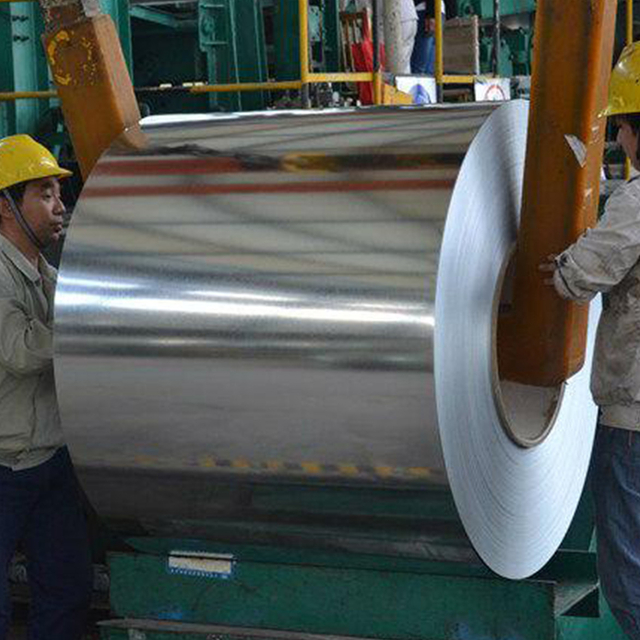
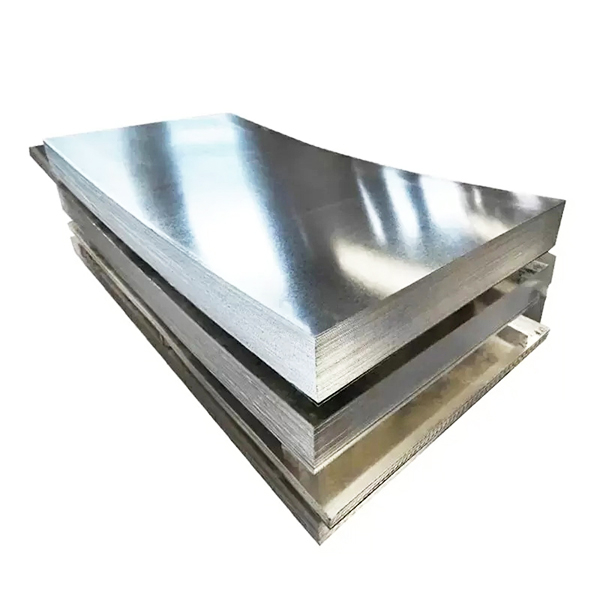
Is galvanized steel truly rust-proof? This question often arises in construction and manufacturing. Galvanized steel, known for its zinc coating, offers a robust shield against rust. Rust resistance is crucial for longevity and durability in various environments. In this article, you'll learn about the galvanization process, factors influencing rust, and maintenance tips for galvanized steel.
Understanding Galvanization
The Process of Hot-Dip Galvanizing
Hot-dip galvanizing involves dipping clean steel into molten zinc, heated to around 450°C (842°F). Before dipping, the steel undergoes cleaning steps like degreasing and pickling to remove dirt, oil, and rust. Once immersed, the zinc metallurgically bonds to the steel, forming a strong, durable coating. This process creates several layers of zinc-iron alloy topped with pure zinc, ensuring excellent adhesion and protection.
The zinc coating acts as a shield, preventing moisture and oxygen from reaching the steel beneath. This barrier significantly slows corrosion compared to uncoated steel or paint-coated steel. The thickness of the zinc layer can vary depending on the steel’s size and galvanizing duration but typically ranges from 45 to 85 microns, offering long-lasting protection.
Chemical Bonding of Zinc and Steel
Unlike paint, which simply sits on the steel surface, hot-dip galvanizing results in a metallurgical bond between zinc and steel. This bond forms a unique zinc-iron alloy layer that is harder and more resistant to wear. The chemical reaction during galvanizing produces a seamless coating that becomes part of the steel’s surface, rather than an added layer.
This bond ensures the zinc coating remains firmly attached, even under mechanical stress or environmental exposure. It also prevents water and oxygen from penetrating, which are essential to start rust formation. This chemical fusion is the secret behind galvanized steel’s superior corrosion resistance.
Self-Healing Properties of Zinc Coating
One remarkable feature of galvanized steel is zinc’s self-healing ability. When the zinc coating is scratched or slightly damaged, it protects the exposed steel by corroding sacrificially. Zinc acts as a sacrificial anode, meaning it corrodes first, protecting the steel underneath.
Additionally, when zinc reacts with moisture and carbon dioxide in the air, it forms a tight, insoluble layer of zinc carbonate. This layer seals the surface, preventing further corrosion. This self-healing mechanism helps maintain the steel’s integrity over time, even if the coating suffers minor damage.
This property is especially important in harsh environments where scratches or abrasions are common. It allows galvanized steel to endure longer without rusting compared to other coated steels.
Does Galvanized Steel Rust?
Conditions Under Which Rust Occurs
Galvanized steel is coated with zinc, which protects the steel underneath by preventing moisture and oxygen from causing rust. However, it isn't completely immune to rust. Rust can form if the zinc coating wears away or gets damaged, exposing the steel beneath.
Certain environments speed up this process. High humidity above 60% often found in tropical or greenhouse settings can cause the zinc layer to break down over time. Salt, especially in marine or coastal areas, accelerates corrosion because it dissolves the protective zinc carbonate layer. Frequent wetting, like in car washes or rainy climates, also challenges the coating’s durability.
Pollutants like sulfur dioxide in urban areas or hydrogen sulfide near volcanoes and sewers can chemically attack the zinc, weakening its protection. Strong alkalis found in materials like Portland cement can damage the coating if the steel is in contact with such substances. Even moss or lichen growing on the surface can trap moisture, creating a microclimate that promotes corrosion.
Comparison with Other Coatings
Compared to paint, galvanized steel offers much longer rust protection. Paint sits on the surface and can chip or peel, allowing water to reach steel quickly. Galvanizing forms a metallurgical bond, making the coating part of the steel itself.
Powder coating is another option, often applied over galvanized steel to add color and extra protection. It’s more durable than paint and helps extend the life of the steel, especially in harsh environments.
However, no coating can last forever. Galvanized steel typically lasts 50 years or more before rust becomes a concern, far outlasting paint alone.
Long-Term Durability
Galvanized steel’s zinc coating corrodes much slower than steel, approximately 1/30th the rate. Its self-healing nature means small scratches won’t immediately lead to rust. Zinc corrodes sacrificially, protecting the steel underneath until the zinc layer is depleted.
The thickness of the zinc layer plays a big role in durability. Thicker coatings provide longer protection. Industry standards like ASTM A123 specify minimum thicknesses to ensure longevity.
In most environments, galvanized steel remains rust-free for decades. Even in corrosive settings, it outperforms many other coatings. However, regular inspection helps catch damage early, preventing rust from spreading.
To maximize galvanized steel's lifespan, choose products with zinc coatings that meet or exceed ASTM A123 standards and consider additional protective coatings for highly corrosive environments.
Factors Influencing Rust on Galvanized Steel
Environmental Conditions
Galvanized steel's resistance to rust depends heavily on its environment. Dry, clean air helps keep the zinc coating intact and effective. However, when exposed to moist or polluted air, the zinc layer can degrade faster. Industrial areas with pollutants like sulfur dioxide accelerate corrosion by reacting chemically with the zinc coating. Similarly, acid rain, which contains dissolved acids from pollution, can wear down the protective zinc layer over time.
Soil conditions also matter. When galvanized steel is buried, the type of soil influences corrosion. Wet, muddy soils rich in organic matter or salts promote faster zinc corrosion than dry, sandy soils. Temperature plays a role too. While zinc melts at a high temperature (around 420°C), normal environmental heat won’t harm it, but combined with moisture and pollutants, heat can speed up corrosion.
Impact of Humidity and Salt
Humidity above 60% is a common culprit in zinc coating breakdown. High moisture levels mean the zinc reacts more often with water and oxygen, forming zinc carbonate that protects the steel. But constant wetness, like in tropical climates or greenhouses, causes the zinc carbonate layer to wear away, exposing the steel beneath.
Salt, especially from marine or coastal environments, is particularly aggressive. Saltwater dissolves the zinc carbonate protective layer quickly. Salt particles in the air also settle on the surface, attracting moisture and creating tiny areas where corrosion can start. This makes galvanized steel near oceans or salt lakes more vulnerable to rust.
Mechanical Damage and Its Effects
Physical damage to galvanized steel impacts rust resistance significantly. Scratches, dents, or abrasions can break the zinc coating, exposing bare steel. While zinc’s self-healing property helps by corroding sacrificially to protect the steel, extensive or deep damage overwhelms this ability.
Repeated mechanical impacts, like from tools, vehicles, or environmental debris, can wear down the zinc layer. Over time, this leads to rust spots forming at damaged sites. Also, if galvanized steel is in contact with materials like cement or plaster containing strong alkalis, the zinc coating can deteriorate faster, especially around damaged areas.
When using galvanized steel outdoors, consider local environmental factors like humidity, salt exposure, and potential mechanical damage, and choose zinc coatings thick enough to withstand these challenges for longer rust protection.
Advantages of Using Galvanized Steel
Cost-Effectiveness
Galvanized steel offers a highly cost-effective solution for many projects. The initial cost of hot-dip galvanizing is generally lower than that of stainless steel or other corrosion-resistant metals. Since the zinc coating protects steel for decades, it reduces the need for frequent replacements or repairs. This long lifespan means less downtime and lower maintenance expenses, saving money over the steel’s entire service life. Additionally, galvanizing is a quick process that can be done in bulk, making it economical for large-scale projects.
Corrosion Resistance in Various Environments
One of galvanized steel's biggest advantages is its excellent corrosion resistance across diverse environments. The zinc coating acts as a tough barrier against moisture, oxygen, and pollutants. It performs well in urban, rural, and industrial settings, defending steel from rust and degradation. In coastal or marine environments, the zinc layer slows corrosion even when exposed to salt air or seawater spray. This durability makes galvanized steel suitable for applications ranging from bridges and buildings to agricultural equipment and outdoor fixtures.
Longevity and Low Maintenance
Galvanized steel is known for its long service life, often exceeding 50 years under normal conditions. The self-healing property of the zinc coating helps it maintain protection even if scratched or slightly damaged. This means minor wear won't immediately lead to rust, extending the steel’s useful life. Because of this durability, galvanized steel requires minimal maintenance compared to painted or untreated steel. Occasional cleaning and inspections are usually enough to keep it in good shape, reducing labor and upkeep costs over time.
Tip: Choose galvanized steel with zinc coatings meeting ASTM A123 or equivalent standards to ensure optimal corrosion resistance and long-term cost savings.
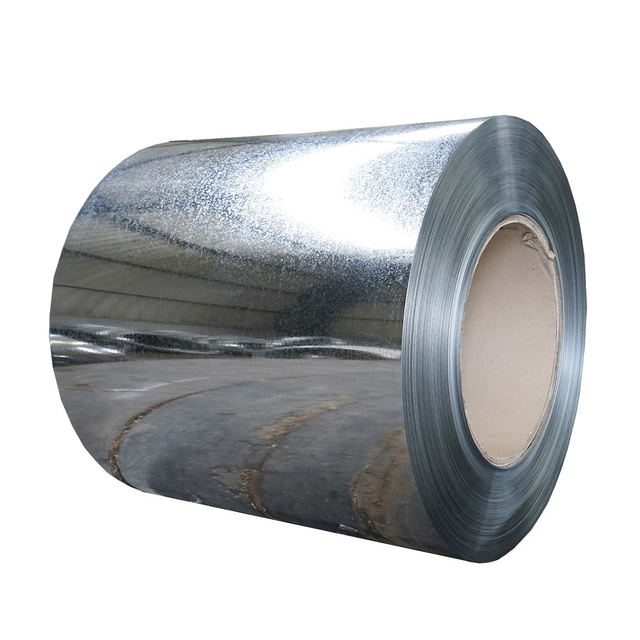
Tips to Maintain Galvanized Steel
Regular Cleaning Practices
Keeping galvanized steel clean is key to preserving its rust resistance. Dirt, grime, and pollutants can trap moisture, which accelerates corrosion. Use mild soap or detergent mixed with water to gently wash the surface. Soft brushes or cloths work best to avoid scratching the zinc coating. After cleaning, rinse thoroughly with clean water to remove any residue, then dry the surface with a soft cloth or allow it to air dry. Regular cleaning prevents buildup that could degrade the protective zinc layer.
Inspection and Damage Control
Routine inspections help catch early signs of damage or corrosion. Focus on areas prone to wear, such as edges, joints, or places exposed to mechanical impact. Look for scratches, chips, or rust spots. If you find any damage, act quickly. Small rust spots can be treated with a rust converter to stop corrosion. Then apply a zinc-rich primer or cold galvanizing compound to restore protection. Prompt repair prevents rust from spreading and protects the steel's longevity.
Avoiding Abrasive Cleaning Methods
Avoid harsh cleaning tools like steel wool, wire brushes, or abrasive powders. These can scratch or wear down the zinc coating, exposing the steel beneath. Power washers should be used cautiously; high pressure might damage the surface. Instead, opt for gentle cleaning methods that preserve the integrity of the galvanized layer. Using soft materials and mild solutions ensures the coating remains intact and effective over time.
Schedule regular cleaning and inspections for galvanized steel, and always use gentle cleaning tools to maintain its protective zinc coating and extend its rust-free lifespan.
Applications of Galvanized Steel
Construction and Infrastructure
Galvanized steel is a top choice in construction and infrastructure due to its durability and rust resistance. It’s widely used for structural frameworks, bridges, roofing, and support beams. The zinc coating protects steel from weather exposure, reducing corrosion in outdoor environments. This makes galvanized steel cost-effective for long-term projects, cutting down maintenance and replacement needs.
For example, highway guardrails and street lighting poles often use galvanized steel because they can withstand rain, snow, and pollution without rusting quickly. Its strength and corrosion resistance ensure safety and reliability over many years.
Agricultural and Outdoor Equipment
In agriculture, galvanized steel is essential for equipment exposed to harsh conditions. Fences, gates, silos, and irrigation systems benefit from the protective zinc layer. These structures face moisture, soil chemicals, and mechanical wear, all of which can cause rust in untreated steel.
Galvanized steel resists these challenges, maintaining structural integrity and reducing downtime. Outdoor furniture and playground equipment also use galvanized steel to endure sun, rain, and frequent use without rusting.
Transportation and Energy Sectors
Transportation infrastructure, such as railway tracks, transmission towers, and vehicle frames, relies on galvanized steel for corrosion resistance. The zinc coating helps these components last longer despite exposure to weather and road salts.
In the energy sector, galvanized steel supports power lines, wind turbines, and oil rigs. These applications demand materials that withstand extreme environments, including coastal salt spray and industrial pollution. Galvanized steel's ability to resist rust extends the life of these critical assets, improving safety and lowering maintenance costs.
When selecting galvanized steel for outdoor or industrial use, choose products that comply with ASTM A123 or equivalent standards to ensure optimal protection and longevity in demanding applications.
Conclusion
Galvanized steel offers excellent rust resistance due to its zinc coating, which acts as a protective barrier. It is cost-effective, durable, and suitable for various environments, including construction, agriculture, and transportation. The zinc coating self-heals when damaged, prolonging the steel's lifespan. As industries continue to demand reliable materials, galvanized steel remains a top choice for long-term projects. Sino Steel provides high-quality galvanized steel products, ensuring optimal protection and value for diverse applications.
FAQ
Q: Is Galvanized Steel rust-proof?
A: Galvanized Steel is not entirely rust-proof but offers excellent resistance due to its zinc coating, which shields the steel from moisture and oxygen.
Q: How long does Galvanized Steel last before rusting?
A: Galvanized Steel can last over 50 years without rusting in non-corrosive environments, thanks to its durable zinc coating.
Q: Why is Galvanized Steel preferred in construction?
A: Galvanized Steel is favored for its cost-effectiveness, long-term durability, and superior corrosion resistance, making it ideal for construction.
Q: How does Galvanized Steel compare to painted steel?
A: Unlike painted steel, Galvanized Steel forms a metallurgical bond with zinc, providing more durable and long-lasting rust protection.