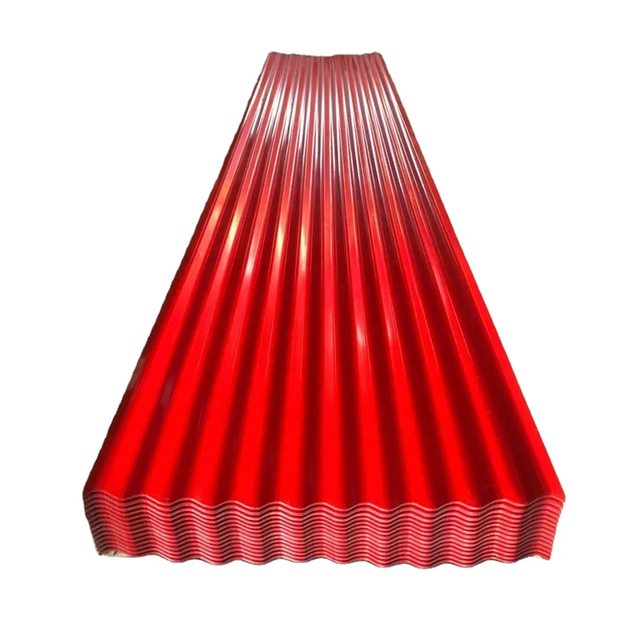
Have you ever wondered why galvanized steel is so popular in construction and industry? It's simple: its zinc coating offers unmatched corrosion resistance, making it a top choice for durability. However, welding galvanized steel presents unique challenges due to this protective layer. In this post, you'll learn what galvanized steel is, why welding it is important, and get an overview of the welding process to ensure strong, clean welds.
Understanding Galvanized Steel
Definition and Composition
Galvanized steel is regular steel coated with a thin layer of zinc. This zinc layer protects the steel from rust and corrosion by acting as a barrier and sacrificing itself before the steel corrodes. The zinc coating is usually applied through hot-dipping or electroplating. Hot-dip galvanizing involves immersing the steel in molten zinc, creating a thick, durable coating. Electroplating d
eposits a thinner zinc layer using electrical current.
The steel underneath is typically carbon steel, known for its strength and flexibility. The zinc coating bonds metallurgically to the steel, forming a robust, corrosion-resistant surface. This combination makes galvanized steel an excellent choice for environments exposed to moisture or harsh weather.
Common Uses and Applications
Galvanized steel is widely used across many industries due to its durability and corrosion resistance. Common applications include:
Construction: Structural beams, steel framing, roofing sheets, and fencing.
Automotive: Car bodies, chassis parts, and exhaust systems.
Electrical: Cable trays and enclosures.
Agriculture: Grain silos, fencing, and irrigation equipment.
Infrastructure: Bridges, street lighting poles, and guardrails.
Its ability to withstand outdoor conditions makes it a favorite for both industrial and residential projects. Additionally, galvanized steel is often used where long-lasting protection is critical but maintenance needs to be minimal.
Advantages of Galvanized Steel
Galvanized steel offers several benefits, including:
Corrosion Resistance: Zinc coating prevents rust, extending the steel's life.
Cost-Effectiveness: Lower maintenance and longer lifespan reduce overall costs.
Durability: Resistant to scratches and physical damage.
Ease of Inspection: The coating's uniform appearance helps detect damage easily.
Versatility: Suitable for welding, forming, and fabrication.
Environmental Benefits: Zinc is recyclable and galvanizing reduces the need for protective paints.
These advantages make galvanized steel a practical choice for projects requiring strength and longevity in challenging environments.
Challenges in Welding Galvanized Steel
Corrosion and Coating Issues
Welding galvanized steel presents unique challenges mainly due to its zinc coating. This coating protects steel from rust but must be removed near the weld area. When zinc is burned off during welding, it exposes bare steel, which becomes vulnerable to corrosion. To maintain corrosion resistance, the welded area often needs re-galvanizing after welding.
The zinc coating also complicates welding by interfering with weld penetration. Zinc vaporizes at lower temperatures than steel, creating zinc oxide fumes and causing porosity or inclusions in the weld. These defects weaken the joint and reduce structural integrity. Skilled welders must carefully prepare the surface by grinding off zinc from the weld zone to improve penetration and weld quality.
Health Risks and Safety Concerns
Welding galvanized steel releases zinc oxide fumes, which pose health risks. Inhaling these fumes can lead to metal fume fever, a flu-like illness with symptoms such as headache, nausea, fever, and chills. These symptoms usually subside within 48 hours but can be severe if exposure is high or prolonged.
Additionally, galvanized coatings may contain trace amounts of lead, which vaporizes during welding. Lead fumes are toxic and can cause serious long-term health problems, including lung and brain cancer and nervous system damage. Proper safety measures like wearing respirators, using ventilation systems, and welding in open or well-ventilated areas are crucial to protect welders.
Material and Structural Challenges
The zinc coating affects welding parameters and joint design. Weld penetration depth decreases, requiring larger root gaps and modified welding techniques. For example, welders may need to reduce travel speed and adjust electrode angles to ensure complete fusion.
Spatter formation increases when welding galvanized steel, especially with thicker zinc layers like hot-dip galvanizing. Spatter can stick to the surface, creating an unsightly finish and requiring additional cleanup. Applying anti-spatter compounds before welding helps reduce this issue.
Furthermore, welding galvanized steel in the field or on large structures can be tough because removing the coating from extensive weld zones is time-consuming. Sometimes, welding must proceed without zinc removal, using special procedures to minimize defects and health risks.
Tip: Always grind off zinc coating at least 1 to 4 inches around the weld area to improve penetration and reduce harmful zinc fumes during welding.
Preparation for Welding
Safety Equipment and Gear
Welding galvanized steel requires proper safety gear to protect against harmful fumes. Always wear a welding helmet with the correct shade to shield your eyes from intense light and sparks. Use flame-resistant gloves and a long-sleeve jacket to protect skin from burns and ultraviolet radiation. Respirators or masks designed to filter metal fumes are essential because zinc vaporizes during welding, creating hazardous zinc oxide fumes. In confined or poorly ventilated spaces, use powered air-purifying respirators (PAPR) or supplied-air respirators for extra protection. Don’t forget sturdy boots that cover the ankles to prevent injuries from hot metal or sparks.
Workspace Setup and Ventilation
Set up your workspace in a well-ventilated area to reduce fume inhalation. Outdoor welding or rooms with open doors and windows work best. If indoors, use exhaust fans or fume extractors to capture and remove fumes at the source. Position yourself so that the wind or airflow blows fumes away from your breathing zone. Avoid welding in cramped, enclosed spaces without adequate ventilation. Keep fire extinguishers nearby and clear the area of flammable materials to prevent fire hazards. Good lighting helps ensure precise welds and safer working conditions.
Removing Zinc Coating from Weld Areas
Before welding, remove the zinc coating around the weld zone. Zinc melts and vaporizes at lower temperatures than steel, causing weld defects and toxic fumes. Use an angle grinder with a flap disc or wire brush to grind off the zinc coating at least 1 to 4 inches (2.5 to 10 cm) on either side of the weld line. This step improves weld penetration and reduces porosity. In some cases, burning off or pushing back the zinc coating can work, but grinding is preferred for better control and cleaner surfaces. After grinding, clean the area to remove dust and debris. Proper zinc removal helps create strong, clean welds and lowers health risks.
Welding Techniques for Galvanized Steel
Welding galvanized steel requires special techniques to handle the zinc coating and ensure strong, clean welds. Here are the most common welding methods used and tips for each:
Gas Metal Arc Welding (GMAW)
Also called MIG welding, GMAW works well on thinner galvanized steel (under 1/2 inch). Welding speeds need slowing to let zinc burn off ahead of the weld pool. Increasing electrode current helps burn thicker zinc layers.
Zinc reduces weld penetration, so for butt welds, use larger root gaps and a side-to-side torch motion for consistent fusion. Spatter increases with zinc thickness, especially on hot-dip galvanized steel. Applying a silicon- or graphite-based anti-spatter compound before welding helps spatter brush off easily.
Using an argon-CO₂ shielding gas mix and adjusting heat and speed produces a smoother weld with less zinc loss and spatter.
Shielded Metal Arc Welding (SMAW)
SMAW, or stick welding, suits thicker galvanized steel (over 1/2 inch). Like GMAW, zinc reduces penetration, so increase root openings. Lower the electrode angle from usual 70° to about 30°, and slow travel speed. Use a slight back-and-forth whipping motion to burn off zinc before the weld bead forms.
Spatter rises but usually not enough to need anti-spatter sprays. Avoid weaving or multiple passes. Keep heat low to protect nearby coating but enough to burn zinc. A short arc length improves control and prevents defects.
Oxyacetylene Welding
This fusion welding uses a flame to join steel. It requires slow travel speeds, so heat affects a larger area, burning off zinc over more surface. Move the filler rod back and forth to create ripple welds. Avoid remelting welds with the flame afterward, as it damages the zinc coating.
Stud and Rebar Welding
For stud welding on galvanized steel, remove zinc from the stud end and surface to avoid violent weld expulsion caused by zinc vaporization. For rebar, welding can occur without zinc removal, but removing zinc within 2 inches of the joint is preferred. Use SMAW or GMAW and prepare bar ends by grinding or cutting to ensure clean fusion surfaces.
Friction and Resistance Welding
Friction welding struggles with flat-ended studs on galvanized steel because zinc layers act like low-friction surfaces, reducing heat generation. Using pointed studs with a 120° tip improves welds. Zinc presence increases welding time.
Resistance welding suits galvanized steel under 1/4 inch thick with light zinc coatings. Thicker coatings shorten electrode life and require frequent electrode maintenance. Resistance welding can usually proceed without zinc removal and causes minimal coating damage.
Post-Welding Considerations
Checking for Weld Quality
After welding galvanized steel, inspecting the weld quality is crucial. Look for common defects such as porosity, cracks, or incomplete fusion. The zinc coating can cause porosity due to vaporized zinc forming gas pockets in the weld. Use visual inspection and, if needed, non-destructive testing methods like ultrasonic or dye penetrant tests to ensure the weld is sound.
Check the weld bead for uniformity and consistent penetration. Proper welds should be smooth and free of excessive spatter or undercutting. Because galvanized steel often requires larger root gaps, verify that the weld has fully penetrated the joint. Any weak spots can compromise structural integrity and corrosion resistance.
Re-Galvanizing the Welded Area
Since welding removes or damages the zinc coating, re-galvanizing the welded area is essential to restore corrosion protection. Several methods exist:
Cold Galvanizing Paint: A zinc-rich paint applied to the weld area. It’s easy and quick but provides less durable protection than hot-dip galvanizing.
Hot-Dip Galvanizing: Dipping the entire assembly in molten zinc. This offers the most durable coating but may not be practical for large or assembled structures.
Zinc Spraying (Thermal Spraying): Spraying molten zinc onto the weld area. It provides a thicker coating than paint and is suitable for field repairs.
Choose the method based on project size, environment, and cost. Ensure the surface is clean and free of contaminants before applying any re-galvanizing treatment. This step helps maintain the lifespan and corrosion resistance of the steel.
Maintenance and Care for Longevity
Maintaining welded galvanized steel ensures long-term performance. Follow these tips:
Regular Inspections: Check for rust, coating damage, or weld cracks. Early detection prevents costly repairs.
Avoid Abrasive Cleaning: Harsh cleaning can remove the protective zinc patina. Use mild detergents and soft brushes.
Protect from Harsh Environments: In highly corrosive areas like coastal zones, rinse the steel with fresh water periodically to remove salt deposits.
Prevent Contact with Dissimilar Metals: Avoid direct contact with metals like copper or brass, which can cause galvanic corrosion.
Store Properly: Keep galvanized steel in dry, well-ventilated areas to prevent moisture buildup.
Proper care extends the life of galvanized steel and preserves weld integrity.
Safety Measures and Best Practices
Understanding Metal Fume Fever
When welding galvanized steel, zinc coating vaporizes and forms zinc oxide fumes. Inhaling these fumes can cause metal fume fever, a flu-like illness. Symptoms include headache, nausea, fever, chills, and fatigue. Usually, symptoms appear a few hours after exposure and last up to 48 hours. Although metal fume fever is temporary, repeated or high exposure can lead to more serious health problems. It’s important to minimize fume inhalation by using proper safety measures.
Proper Training and Safety Protocols
Proper training is essential for anyone welding galvanized steel. Welders should understand the risks and how to protect themselves. Training covers correct welding techniques, safe handling of materials, and emergency procedures. It also includes how to use personal protective equipment (PPE) properly. Welders must keep their face and body away from fumes and sparks. They should position themselves so air flows away from their breathing zone. Supervisors should enforce safety rules and ensure all workers follow protocols.
Welders must wear high-quality respirators designed to filter metal fumes. Standard dust masks do not provide enough protection. Respirators should fit snugly and be maintained regularly. Other PPE includes welding helmets with appropriate shade lenses, flame-resistant gloves, jackets, and boots. Protecting skin from UV rays and sparks prevents burns and injuries.
Ensuring Adequate Ventilation
Ventilation is critical when welding galvanized steel. Welding fumes accumulate quickly in enclosed spaces and pose serious health risks. Work in open-air environments when possible. If indoors, use exhaust fans or fume extraction systems to remove fumes at the source. Local exhaust ventilation captures fumes before they spread. Position fans so airflow moves fumes away from the welder’s breathing zone.
For confined spaces, use supplied-air respirators or powered air-purifying respirators (PAPR) to ensure clean breathing air. Avoid welding in poorly ventilated or cramped areas. Regularly check ventilation equipment to ensure it functions properly. Good ventilation also reduces fire hazards by dispersing flammable gases.
Conclusion
Welding galvanized steel involves handling zinc coatings, requiring specific techniques to ensure quality and safety. Proper preparation, including removing zinc around weld areas, is crucial. Safety measures, like using respirators and ensuring ventilation, protect against harmful fumes. Skilled welders must adjust parameters to compensate for zinc effects. Re-galvanizing welded areas restores corrosion resistance. Sino Steel offers high-quality galvanized steel, emphasizing durability and cost-effectiveness, making it ideal for various applications. Their products provide lasting value in challenging environments.
FAQ
Q: What is galvanized steel?
A: Galvanized steel is regular steel coated with zinc to prevent rust and corrosion.
Q: Why is galvanized steel used in construction?
A: Galvanized steel is used for its durability and corrosion resistance, ideal for outdoor projects.
Q: How do you weld galvanized steel safely?
A: Remove zinc coating from the weld area and use proper ventilation to avoid toxic fumes.
Q: What are the benefits of using galvanized steel?
A: Benefits include corrosion resistance, cost-effectiveness, and durability.
Q: How does galvanized steel compare to regular steel?
A: Galvanized steel offers superior corrosion resistance due to its zinc coating.