Galvanized steel is widely recognized for its exceptional durability and resistance to corrosion, making it an ideal choice for various applications, including construction, infrastructure, and industrial settings. At Shandong Sino Steel Co., Ltd., we provide high-quality galvanized steel coils and galvanized steel sheets that offer reliable performance and longevity. The question, "How long does galvanized steel last?" is an important one for engineers, architects, and construction professionals. Understanding the factors that influence the lifespan of galvanized steel is essential for making informed decisions about its use in different environments. In this article, we will explore the key factors that affect the lifespan of galvanized steel, typical life expectancy in various conditions, and practical tips for ensuring that galvanized steel lasts as long as possible in your projects.
Factors That Determine Lifespan
The longevity of galvanized steel depends on various factors that can influence how well the material holds up over time. These factors can vary depending on the environment in which the steel is used, as well as the method of galvanization.
Coating Thickness
One of the most important factors in determining the lifespan of galvanized steel is the thickness of the zinc coating. The thicker the zinc layer, the longer the steel will last, as it provides a stronger and more durable barrier against rust and corrosion. There are different grades of galvanized steel, with varying zinc coating thicknesses. The most common method of galvanization, hot-dip galvanizing, involves dipping the steel into a bath of molten zinc, which creates a thick and robust coating. Steel that has been hot-dip galvanized typically lasts longer, especially in harsh environments, compared to electrogalvanized steel, which has a thinner zinc coating.
For more demanding applications, such as those in coastal or industrial areas, galvanized steel with a thicker coating is recommended to provide enhanced protection against rust and corrosion.
Environmental Exposure
The environment in which galvanized steel is used plays a significant role in determining its longevity. Galvanized steel is highly resistant to rust, but its lifespan can be shortened by exposure to moisture, pollutants, salt, and extreme weather conditions. For instance, galvanized steel used in coastal areas or near industrial zones may experience faster corrosion due to exposure to saltwater, chemicals, or pollutants in the air. On the other hand, galvanized steel used in dry, controlled environments, such as indoor applications, can last much longer without significant deterioration.
Typical Life Expectancy in Various Conditions
The expected lifespan of galvanized steel can vary widely depending on the environmental conditions it is exposed to. Below are some typical life expectancies of galvanized steel in various environments.
Urban & Industrial Settings
In urban and industrial environments, where galvanized steel is exposed to pollutants, chemicals, and occasional moisture, it can last anywhere from 20 to 40 years. In these environments, regular maintenance, including cleaning and inspecting for damage to the zinc coating, can help extend the lifespan of galvanized steel. Factors such as air pollution, humidity, and the presence of aggressive chemicals in the atmosphere contribute to the wear and tear of the protective zinc layer.
Coastal & Marine Environments
Coastal and marine environments are particularly harsh on galvanized steel due to the presence of saltwater and high humidity, which can accelerate the corrosion process. In these conditions, galvanized steel typically lasts between 15 and 25 years. The constant exposure to salt mist and high moisture content in the air causes the zinc coating to break down more quickly, making the steel more susceptible to corrosion. To extend the life of galvanized steel in these environments, additional protective measures such as coating the steel with protective paints or resins may be necessary.
Table: Expected Lifespan of Galvanized Steel in Different Environments
Environment Type | Expected Lifespan (Years) | Influencing Factors |
Dry Indoor Environment | 50+ | No exposure to water, moisture, or salt |
Humid or Wet Environments | 30-40 | Increased corrosion risk due to moisture and humidity |
Coastal or High-Humidity | 15-25 | Salt mist accelerates corrosion |
Highly Polluted Environments | 10-20 | Industrial pollutants speed up corrosion process |
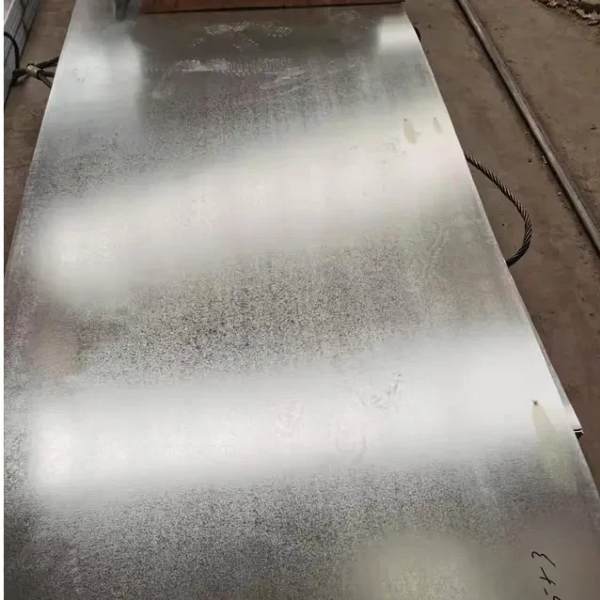
Hot-Dip Galvanized vs Electrogalvanized
There are two primary methods for applying the zinc coating to steel: hot-dip galvanizing and electrogalvanizing. These methods differ in terms of the thickness of the coating, the level of corrosion resistance, and the types of applications they are best suited for.
Differences in Corrosion Resistance
Hot-dip galvanizing involves immersing the steel in molten zinc, which forms a thick, durable coating that provides excellent resistance to corrosion. The thickness of the zinc coating produced through this method offers superior protection, making hot-dip galvanized steel ideal for harsh environments where the material is exposed to moisture, salt, or industrial pollutants.
In contrast, electrogalvanizing uses an electrolytic process to apply a thinner, more uniform layer of zinc to the steel. While electrogalvanized steel offers some corrosion resistance, it is not as durable as hot-dip galvanized steel in aggressive environments. Electrogalvanized steel is often used for applications where a smooth, aesthetically pleasing finish is required, such as in automotive parts or appliances.
Typical Application Scenarios
Hot-Dip Galvanized Steel: Best for outdoor, heavy-duty applications such as construction, infrastructure, and environmental exposure.
Electrogalvanized Steel: Typically used in lighter applications such as appliances, automotive parts, and products requiring a smooth, uniform surface finish.
Real World Examples of Longevity
The longevity of galvanized steel in real-world applications depends on various factors, including the method of galvanization, the environmental conditions, and the level of maintenance.
Infrastructure Applications
Galvanized steel is widely used in infrastructure projects such as bridges, fences, and highway signs. These applications require a long-lasting material that can withstand constant exposure to weather, pollutants, and physical wear. In these environments, galvanized steel can last anywhere from 20 to 50 years, depending on the level of exposure to corrosive elements. For example, galvanized steel used in bridge construction may require periodic inspections and maintenance to ensure the zinc coating remains intact and continues to protect the steel.
Residential & Roofing Uses
In residential and roofing applications, galvanized steel is a popular choice due to its excellent corrosion resistance and long lifespan. When used for roofing or siding, galvanized steel can last anywhere from 40 to 50 years, depending on the environment. In coastal or humid regions, this lifespan may be reduced, but with proper maintenance, such as periodic cleaning and touch-up painting, galvanized steel roofing can remain functional and visually appealing for many decades.
Tips to Extend Service Life
While galvanized steel is highly durable, there are steps you can take to extend its service life and ensure it continues to perform optimally.
Cleaning & Protective Coating
Regular cleaning is essential to prevent dirt, pollutants, and moisture from degrading the zinc coating. For general cleaning, use mild soap and water to remove surface contaminants. Additionally, applying protective coatings such as zinc-rich paint or corrosion-resistant coatings can provide extra protection against the elements, particularly in harsh environments.
Regular Inspections
Regular inspections are essential to identify any signs of wear or damage to the zinc coating. Look for areas where the coating may have been scratched or worn away, exposing the steel beneath. If damage is found, touch up the affected area with a zinc-rich paint or apply a protective coating to restore the protective layer and prevent corrosion from spreading.
Conclusion
In conclusion, galvanized steel offers exceptional longevity and corrosion resistance, making it a reliable material for a wide range of applications. By understanding the factors that affect its lifespan, such as coating thickness and environmental exposure, you can ensure that your galvanized steel products provide excellent performance for many years. At Shandong Sino Steel Co., Ltd., we offer high-quality galvanized steel coils and sheets that are built to last, providing superior durability and corrosion resistance. For more information on how our products can meet your needs, contact us today.
Contact Us
For more details about galvanized steel products or to discuss your project needs, please contact us. Our team is ready to assist with your steel requirements and provide expert advice on the best solutions for your project.
FAQ
1. How long does galvanized steel last in outdoor applications?
Galvanized steel can last anywhere from 20 to 50 years depending on environmental exposure. In coastal areas, it may last 15 to 25 years due to salt mist.
2. Does the thickness of the zinc coating affect the lifespan of galvanized steel?
Yes, the thicker the zinc coating, the longer the galvanized steel will last. For harsh environments, a thicker coating is recommended.
3. Can galvanized steel be used in marine environments?
Yes, galvanized steel is often used in marine environments. However, its lifespan may be reduced to 15 to 25 years due to the corrosive effects of saltwater.
4. How can I maintain galvanized steel to ensure it lasts longer?
Regular cleaning, applying protective coatings, and conducting inspections to address any damage to the zinc coating are essential for maintaining galvanized steel.


