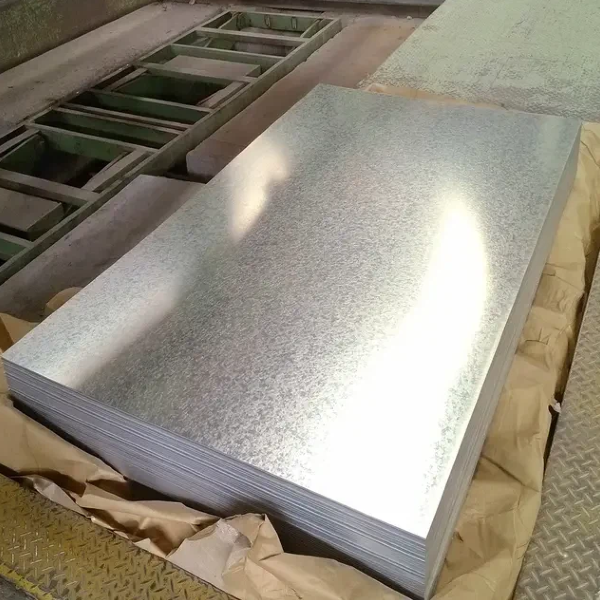
Galvanized steel is widely known for its exceptional durability and corrosion-resistant properties, thanks to the zinc coating applied during the galvanization process. At Shandong Sino Steel Co., Ltd., we provide high-quality galvanized steel coils and galvanized steel sheets designed to meet a variety of industrial and construction needs. While galvanized steel is highly resistant to rust, regular maintenance and cleaning are essential for preserving its protective layer and ensuring its longevity.
In this article, we will dive into the reasons why cleaning galvanized steel is crucial, the best cleaning methods, tools you should use, and how to handle stubborn stains. We'll also discuss the dos and don’ts of cleaning, how to maintain your galvanized steel products over time, and share expert tips for achieving a polished, durable finish that maximizes the performance of your steel.
Why Regular Cleaning Matters
Regular cleaning of galvanized steel is essential for maintaining the material's appearance and functionality. Dirt, grime, environmental pollutants, and even certain substances can gradually build up on the surface of the steel, potentially compromising its protective zinc layer and causing degradation over time.
Preserve Zinc Protective Layer
The most important reason for regular cleaning is to preserve the zinc coating that shields galvanized steel from corrosion. The zinc layer acts as a barrier between the steel and moisture or harmful elements, preventing rust from forming on the base metal. However, over time, contaminants like dirt, oil, and pollutants can collect on the steel surface, which can damage the zinc coating and reduce its effectiveness. By cleaning the steel regularly, you ensure that the zinc layer remains intact and continues to offer superior protection against environmental elements.
Prevent Surface Contamination
Another crucial aspect of cleaning galvanized steel is preventing surface contamination. Contaminants such as dust, salt, or industrial chemicals can settle on the surface and lead to corrosion or staining. This is especially critical for galvanized steel sheets used in construction, roofing, or outdoor environments, where exposure to environmental factors is constant. Regular cleaning prevents contaminants from penetrating the zinc layer and helps maintain the steel's pristine appearance while also ensuring its durability.
Daily Cleaning Routine
For galvanized steel used in day-to-day applications, a simple cleaning routine can effectively maintain its performance and appearance.
Mild Soap & Water
One of the most straightforward and effective cleaning solutions for galvanized steel is a mixture of mild soap and warm water. This combination is gentle enough to avoid damaging the zinc coating while effectively removing surface dirt and grime. Simply mix a mild detergent (such as dish soap) with warm water and apply the solution to the galvanized steel using a soft cloth or sponge. It’s a great solution for light cleaning, such as removing dust, dirt, or mild stains.
Tools & Brushes to Use
When cleaning galvanized steel coils or galvanized steel sheets, it’s essential to use the right tools to avoid damaging the surface. Soft brushes, microfiber cloths, or non-abrasive sponges work best for gently scrubbing the surface without scratching or scuffing the steel. Avoid using steel wool or rough sponges, as they can damage the zinc coating and expose the underlying metal to rust. It’s also a good idea to use a hose or gentle stream of water to rinse away the soap and dirt after cleaning.
Table: Suitable Cleaning Methods and Their Effectiveness
Cleaning Method | Suitable Application | Cleaning Effectiveness |
Mild Water + Neutral Detergent | Daily maintenance, light stains | Removes dirt, maintains surface cleanliness |
Vinegar + Water Solution | Removes mineral deposits, light rust | Cleans rust stains and reduces water scale build-up |
Fine Steel Wool | Removes stubborn grease, deeper rust stains | Effectively removes heavy grease or rust stains |
Deep Cleaning for Tough Stains
For stubborn stains or heavy buildup on galvanized steel, a more in-depth cleaning process is required. Regular cleaning will prevent minor buildup, but tough stains like rust, mineral deposits, or heavy grease may need extra attention.
Removing Rust Stains
Rust stains can form on galvanized steel if the protective zinc coating is damaged or compromised, allowing moisture to come into direct contact with the steel underneath. To effectively remove rust stains, a vinegar and water solution or a rust remover designed for galvanized steel should be used. Apply the solution to the affected area, let it sit for a few minutes, and then gently scrub the surface with a soft brush. After cleaning, rinse thoroughly with water to remove any residue and prevent further corrosion.
Avoiding Abrasive Cleaners
Abrasive cleaners, such as steel wool or harsh scouring pads, should be avoided when cleaning galvanized steel. While these may be effective at removing stubborn stains, they can scratch the zinc coating, exposing the steel to corrosion. Instead, opt for gentler cleaning methods, like vinegar-based solutions or mild soap and water. Always test any cleaner on a small, inconspicuous area of the steel before applying it to the entire surface to ensure it won’t cause damage.
Dos & Don’ts of Galvanized Cleaning
There are several guidelines to follow when cleaning galvanized steel to ensure its longevity and maintain its protective qualities.
Safe Chemicals
When choosing cleaning products for galvanized steel, it's important to select chemicals that are safe for zinc-coated surfaces. Mild soaps and vinegar-based solutions are generally safe to use. For more stubborn stains, a rust remover specifically designed for galvanized steel can be helpful. Always read the labels on cleaning products to ensure they are suitable for use on metal surfaces. Avoid using products with chlorine bleach, ammonia, or acidic chemicals that could damage the zinc coating.
What Harsh Chemicals to Avoid
Certain cleaning chemicals can be damaging to the zinc coating on galvanized steel. Never use chlorine bleach, ammonia-based cleaners, or products with strong acids on galvanized steel. These substances can break down the protective layer, leading to corrosion and weakening the steel over time. Always opt for mild, non-abrasive cleaners to protect your galvanized steel products from unnecessary damage.
Maintaining Galvanized Steel Products Over Time
To ensure that galvanized steel continues to perform well over time, regular maintenance and inspections are necessary. Seasonal maintenance can help address any minor issues before they turn into significant problems.
Seasonal Maintenance Guide
For galvanized steel exposed to outdoor elements, such as roofing or fences, it’s important to perform seasonal maintenance. This includes cleaning the surface, inspecting for any damage to the zinc coating, and touching up any exposed areas with zinc-rich paint if necessary. During the winter months, it’s essential to remove snow, ice, and debris from the surface to prevent moisture buildup, which can lead to corrosion.
Inspection & Touch-Up Painting
Even with regular cleaning, galvanized steel may experience wear and tear over time. Inspect the steel for any signs of damage, such as scratches, dents, or corrosion. If the zinc coating is compromised, apply a cold galvanizing compound or touch-up paint designed for metal surfaces to restore the protective layer. This will help ensure the galvanized steel continues to provide excellent rust protection.
Conclusion
In conclusion, cleaning galvanized steel is essential for preserving its appearance and ensuring its long-term durability. At Shandong Sino Steel Co., Ltd., we offer high-quality galvanized steel coils and sheets that are designed to withstand the elements and provide superior corrosion resistance. By following the cleaning and maintenance tips provided in this article, you can ensure that your galvanized steel products remain in top condition and perform well for many years.
Contact Us
For more information on galvanized steel products or to discuss your project needs, please contact us. Our team is ready to assist with your maintenance and construction requirements.
FAQ
1. How often should I clean galvanized steel?
For general maintenance, cleaning once every few months is recommended. However, if the galvanized steel is exposed to harsh conditions, more frequent cleaning may be necessary.
2. Can I use vinegar to clean galvanized steel?
Yes, vinegar mixed with water is an effective solution for removing mineral deposits and rust stains from galvanized steel.
3. What’s the best way to remove rust from galvanized steel?
Rust can be removed with a vinegar and water solution, or by using a rust remover designed for galvanized steel. Scrub gently with a soft brush and rinse thoroughly afterward.
4. Are there any chemicals I should avoid when cleaning galvanized steel?
Avoid using chlorine bleach, ammonia, and acidic cleaners on galvanized steel, as these can damage the zinc coating and lead to corrosion.


