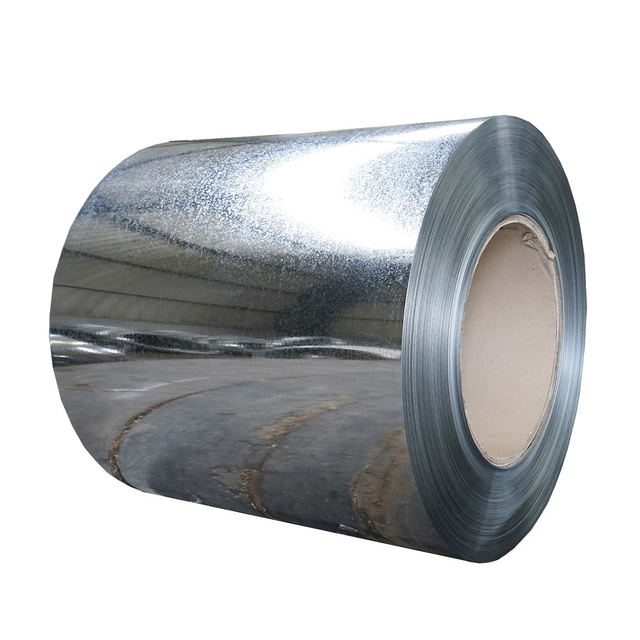
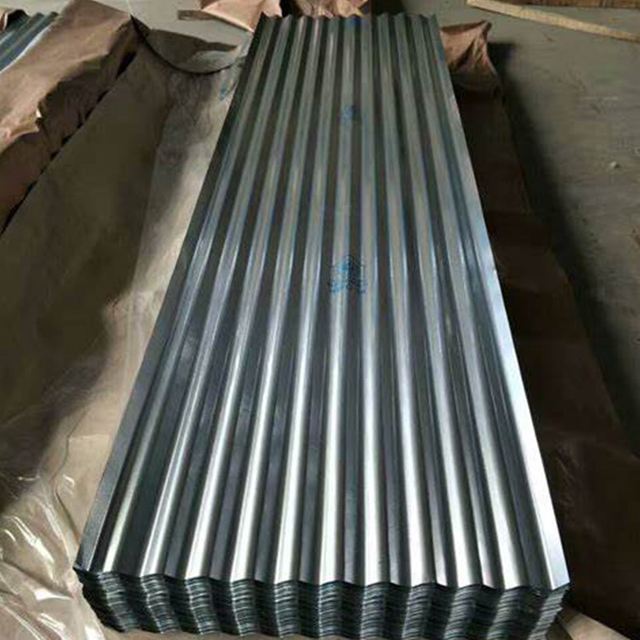
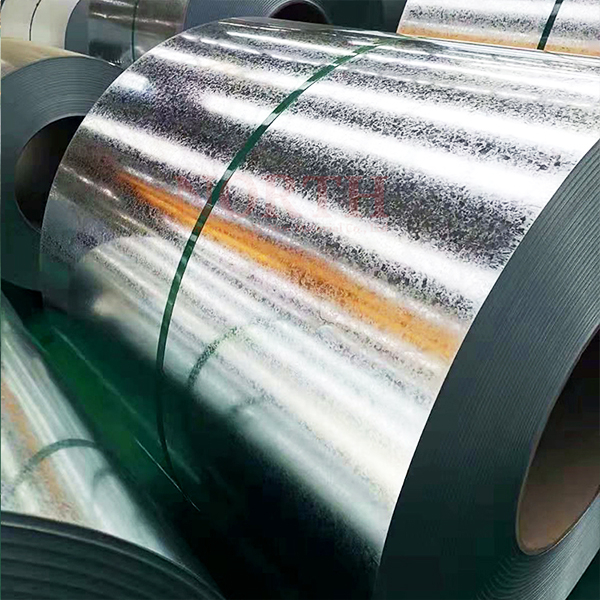
Galvanized steel has long been valued in construction, infrastructure, and manufacturing for its strength, affordability, and corrosion-resistant performance. Yet one question continues to surface across industries: How well does galvanized steel hold up when exposed to moisture?
Moist environments are often the leading cause of metal deterioration, making it essential to understand how galvanized steel behaves under humidity, condensation, rain, and long-term water exposure.
This article explores the science behind galvanized steel’s durability, the factors that influence its longevity, and the situations where moisture may challenge its corrosion resistance. By examining both strengths and limitations, you can make informed decisions when selecting materials for outdoor structures, marine applications, HVAC systems, roofing, storage facilities, and more.
Understanding Galvanized Steel and Its Protective Mechanism
What Makes Galvanized Steel Different?
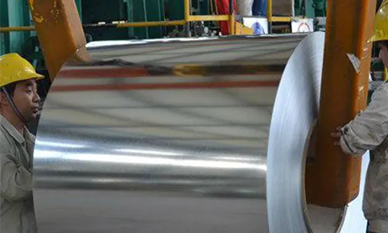
Galvanized steel is created through a metallurgical bonding process in which a steel base is coated with a protective layer of zinc. This zinc layer acts as a barrier between the steel and external corrosive elements. Because this coating adheres tightly, it resists flaking and peeling even when the metal undergoes physical stress.
How Zinc Protects Against Moisture
Moisture alone does not immediately cause rust on galvanized steel. Instead, the zinc coating provides multiple layers of protection:
Barrier protection that prevents oxygen, humidity, and contaminants from contacting the steel surface.
Sacrificial protection, meaning zinc will intentionally corrode before the steel does.
Formation of zinc patina, a stable layer of zinc carbonate that strengthens the metal’s resistance to future oxidation.
This unique combination is the primary reason industries rely heavily on galvanized steel for environments where moisture is persistent or unavoidable.
Performance of Galvanized Steel in Moist Environments
How Humidity Affects Galvanized Steel
Humidity levels influence corrosion rates. However, unlike untreated steel, galvanized steel develops a patina that slows the reaction between water and metal. As a result, structures made from galvanized steel often retain their integrity for decades, even in regions with year-round high humidity.
Behavior Under Direct Water Exposure
Continuous water exposure does not automatically compromise galvanized steel. For example:
Outdoor fences last 20–50 years depending on climate.
Galvanized roofing and framing can remain functional for up to 70 years.
Agricultural equipment withstands wet conditions far better than plain carbon steel.
However, water that contains salts, acids, or industrial pollutants may accelerate zinc consumption. Identifying water composition is essential for long-term durability assessments.
Galvanized Steel in Coastal or Marine Environments
Marine environments pose additional challenges because salt accelerates zinc corrosion. In such settings, galvanized steel still performs well but may require:
Despite the harsher conditions, galvanized steel remains preferred in many seaside installations because of its cost efficiency compared to stainless steel.
Why Moisture Does Not Immediately Cause Rust
Formation of Zinc Hydroxide and Patina
When galvanized steel is exposed to moisture, it undergoes a controlled reaction:
Zinc reacts with oxygen and water.
Zinc hydroxide forms on the surface.
Over time, zinc carbonate develops—a dense, protective patina layer.
This process is essential to long-term durability. It seals microscopic voids and prevents corrosion from progressing deeper into the metal.
Self-Healing Capability
One of the greatest advantages of galvanized steel is its ability to protect scratched or abraded areas. When small sections of zinc coating are damaged:
This self-healing feature is particularly beneficial in moist environments where scratches would otherwise trap water and initiate rust.
Environmental Conditions That Influence Durability
Moisture Level and Frequency
More frequent wetting accelerates the breakdown of the zinc layer. Still, the rate remains slow compared to untreated steel, which rusts rapidly under the same conditions.
Presence of Pollutants
Certain atmospheric elements can shorten the lifespan of galvanized steel:
These contaminants speed up zinc loss, but proper coating thickness and surface treatments can mitigate their effects.
Temperature Fluctuations
Moist environments with dramatic temperature changes—such as those where nightly condensation forms—may increase corrosion rates through repeated wet/dry cycles. Even then, galvanized steel generally performs significantly better than other coated metals.
Applications of Galvanized Steel in Moist Settings
Outdoor Construction and Infrastructure
Galvanized steel is widely used for:
Bridges
Guardrails
Street lighting poles
Staircases and balconies
Playground frames
These structures face constant exposure to rain and humidity and yet maintain decades of service life.
Roofing and Water-Related Installations
Because of its resistance to rust and water infiltration, galvanized steel is commonly found in:
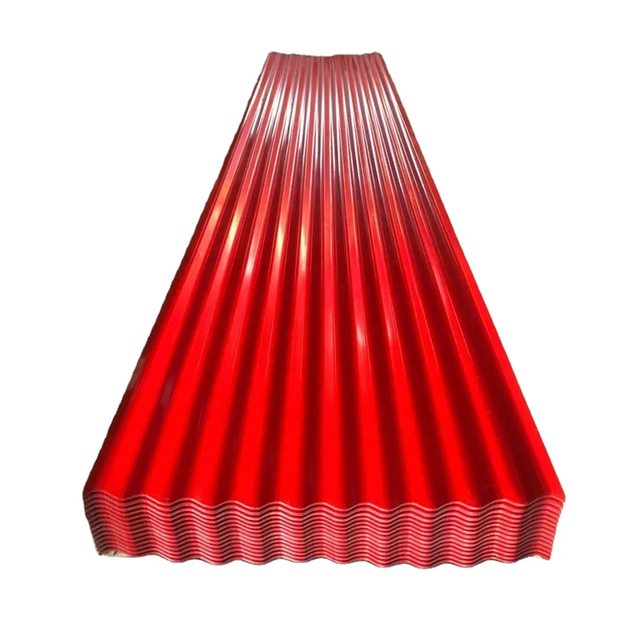
Roofing sheets
Gutter systems
Water tanks
Drainage channels
HVAC ducts
These applications rely on the metal’s ability to resist corrosion even when water repeatedly flows across the surface.
Agricultural and Industrial Settings
Moisture is unavoidable in farming and manufacturing, making galvanized steel ideal for:
Animal housing
Storage facilities
Greenhouse structures
Equipment frames
Industrial handrails
Its low maintenance requirement is a major advantage where constant cleaning or washing is needed.
Maximizing Durability in Moist Environments
Use the Correct Coating Thickness
The longevity of galvanized steel depends significantly on zinc coating thickness. For highly moist or coastal areas, a thicker layer dramatically increases service life.
Combine Galvanizing with Additional Coatings
Sometimes a duplex system—galvanizing plus paint or powder coating—offers enhanced lifespan, especially when appearances, colors, or branding matter.
Regular Maintenance
Though low maintenance, inspections help detect early signs of corrosion:
Timely cleaning preserves both aesthetics and corrosion resistance.
Long-Term Outlook for Galvanized Steel in Moist Environments
Galvanized steel performs exceptionally well under moisture exposure thanks to its zinc-based barrier and sacrificial protection. While no metal is entirely immune to corrosion, galvanized steel remains one of the most reliable and cost-effective materials for humid or wet environments. With proper coating selection and reasonable maintenance, businesses and homeowners can expect long service life with minimal performance degradation.
Why Choose Our Galvanized Steel Products
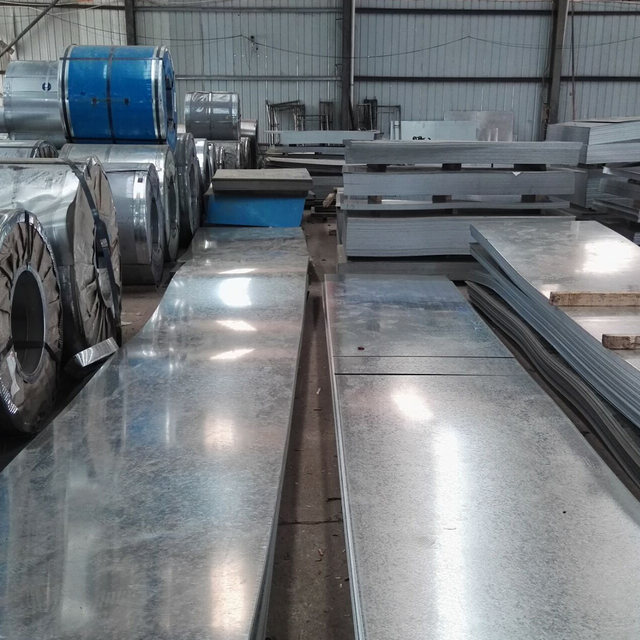
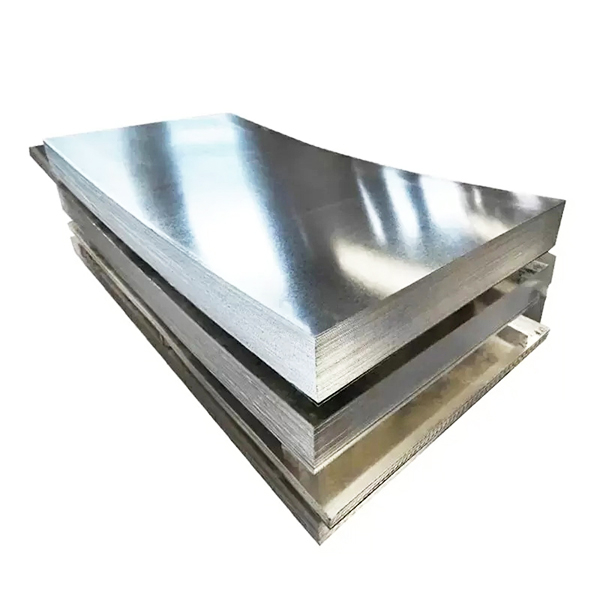
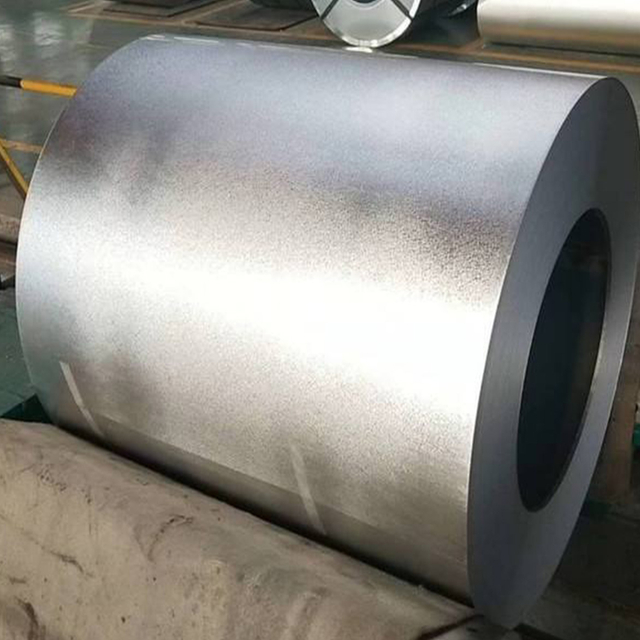
At Shandong Sino Steel Co.,Ltd, we supply galvanized steel coils, sheets, and customized metal materials produced through advanced coating lines and rigorous quality control. Each batch is manufactured with stable zinc-coating thickness, smooth surface treatment, and strong corrosion-resistant properties to ensure long-lasting performance in moisture-rich or outdoor environments. Whether your project involves roofing, structural components, industrial fabrication, or large-scale construction, our galvanized steel provides dependable durability, consistent quality, and outstanding value across a wide range of applications.
FAQ
1. Does galvanized steel rust in constant moisture?
It resists rust for a long time because of the zinc coating, although extremely aggressive environments may eventually wear the coating down.
2. Is galvanized steel suitable for coastal areas?
Yes, but thicker zinc coatings or additional paint layers are recommended for enhanced protection against salt exposure.
3. How long does galvanized steel last outdoors?
Depending on climate, coating thickness, and pollutants, it can last anywhere from 20 to 70+ years.
4. Can scratches on galvanized steel cause rust?
Small scratches generally self-heal due to sacrificial zinc protection, preventing immediate rusting.
5. How do I maintain galvanized steel in moist environments?
Routine cleaning, occasional inspections, and avoiding prolonged contact with corrosive chemicals will maximize lifespan.