Have you ever wondered how to bend aluminum coil without using a brake? Aluminum coil, a lightweight yet sturdy material, is frequently used in construction for its durability and versatility. However, bending it without a brake can be challenging. In this article, you'll learn about the characteristics of aluminum coil and why it's important to bend it without a brake. We'll explore various methods and tools to effectively bend aluminum coil manually, ensuring clean and precise results.
Understanding Aluminum Coil Properties
Characteristics of Aluminum Coil
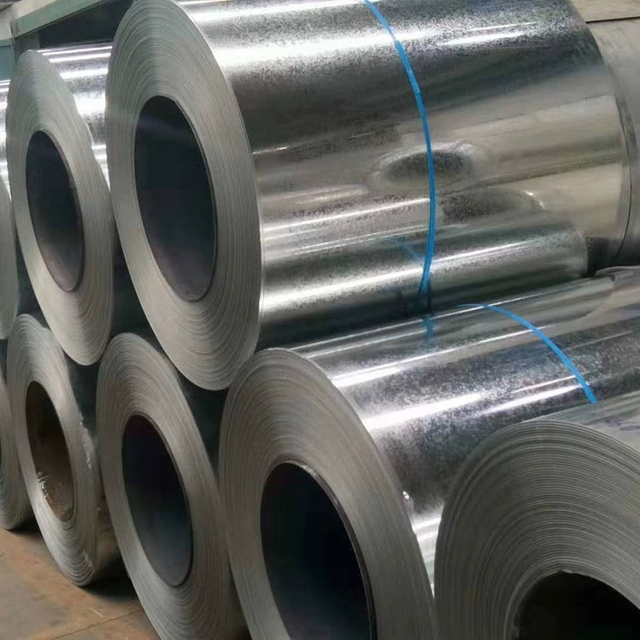
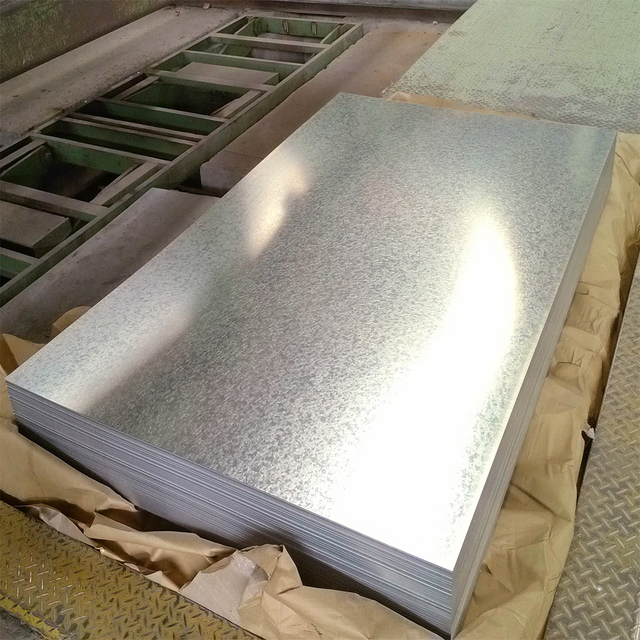
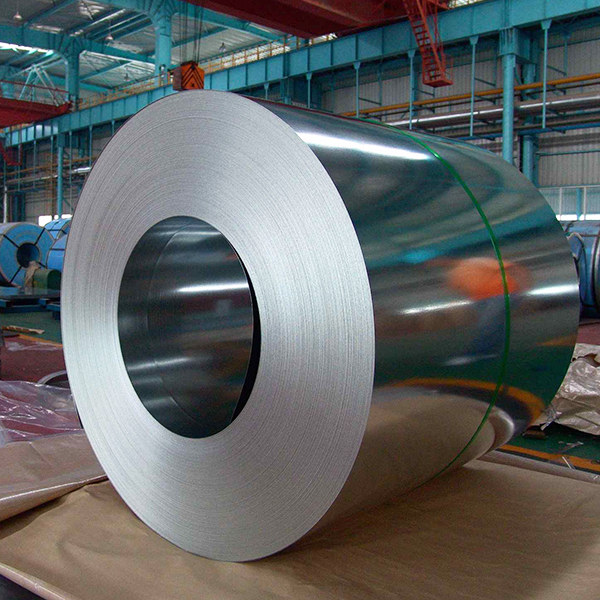
Aluminum coil is a thin, flexible sheet of aluminum rolled into a coil form. It is lightweight yet strong, resistant to rust and corrosion, and easy to work with. Its smooth surface makes it ideal for finishing and cladding applications. Aluminum coil also conducts heat and electricity well, which adds to its versatility. The metal’s malleability means it can be bent or shaped without cracking when handled properly.
Why Aluminum Coil is Popular in Construction
Aluminum coil is widely used in construction because it combines durability and aesthetic appeal. It resists weather damage, making it perfect for roofing, siding, and flashing. Its light weight reduces the load on structures, and its corrosion resistance extends the lifespan of installations. The material is also recyclable, which appeals to environmentally conscious builders. Plus, aluminum coil can be painted or coated to match various design schemes, enhancing architectural flexibility.
Challenges of Bending Aluminum Coil
Despite its malleability, bending aluminum coil presents challenges. The metal can easily crease or deform if bent improperly. Without the right tools, bends may look uneven or rough, which affects the finished appearance. Aluminum coil also tends to spring back slightly after bending, requiring careful control to achieve precise angles. Thicker gauges are harder to bend by hand, and improper bending can weaken the metal, leading to cracks or breaks. Achieving crisp, clean bends without a brake demands patience, the right technique, and sometimes creative DIY solutions.
When bending aluminum coil, always consider its thickness and temper, as these factors greatly influence how easily it bends and how crisp the final bend will be.
Basic Tools for Bending Aluminum Coil
Essential Hand Tools
When you don’t have access to a brake, some basic hand tools can help you bend aluminum coil effectively. A sturdy workbench or table with a sharp edge serves as a great surface for bending. You can place the aluminum coil on the edge, then bend it manually over the edge. To get a clean bend, use a straight piece of wood or metal as a bending form and clamp it down to hold the aluminum in place. C-clamps are perfect for this task because they provide strong, stable pressure to secure the coil while you bend it.
A rubber mallet or a plastic hammer can be used to tap and shape the aluminum gently. This helps in achieving sharper bends without damaging the metal. Avoid using metal hammers since they can leave marks or cause dents. Also, using a straight edge or ruler to mark bend lines clearly before bending ensures accuracy.
Using a Dremel for Precision
A Dremel tool can be surprisingly useful when bending aluminum coil without a brake. By using the cutting attachment, you can score a light line along the bend area. This scoring weakens the metal just enough to make bending easier and more precise. However, be cautious not to cut all the way through or damage the coil’s integrity.
The Dremel also works well for smoothing edges after bending or trimming excess material. With the right attachments, it provides fine control for detailed work, especially on smaller pieces or intricate bends. Remember to wear safety goggles when operating a Dremel to protect your eyes from metal shavings.
Safety Equipment for Handling Aluminum Coil
Handling aluminum coil safely is crucial, especially when working without specialized tools. The edges of aluminum coil can be razor-sharp and cause serious cuts. Always wear heavy-duty gloves designed for metalwork to protect your hands. Long sleeves and safety glasses are also recommended to shield your skin and eyes from metal shards or dust.
If you’re using power tools like a Dremel, ear protection is a good idea to prevent hearing damage. Work in a well-ventilated area or wear a dust mask to avoid inhaling any fine metal particles. Keeping a first aid kit nearby is wise, just in case of minor injuries.
Tip: Use C-clamps to firmly secure aluminum coil and bending forms during hand bending; this prevents slipping and helps achieve cleaner, straighter bends without a brake.
DIY Methods for Bending Aluminum Coil
Using a Plywood Template
One effective DIY method for bending aluminum coil without a brake involves using a plywood template. Start by cutting a piece of plywood to match the desired bend shape. For example, if you need an "L" shape, cut two straight lines into the plywood at a 90-degree angle, creating a form or die. Clamp the plywood firmly to a stable surface, like a workbench or sawhorses, to keep it from moving during bending.
Next, feed the aluminum coil through the cut-out section of the plywood. The metal will bend as it passes through, conforming to the shape of the template. This method works best for long, consistent bends and is especially useful when the finished edge won’t be highly visible. It’s a simple, low-cost solution that produces reasonably uniform bends without specialized equipment.
Creating a DIY Extruder
Another creative approach is making a DIY extruder, similar to gutter-forming tools. This involves crafting a frame, often from wood or metal, with a shaped channel to guide the aluminum coil. The coil is pulled or pushed through this channel, which forces it to bend along the desired profile.
To build one, use sturdy lumber or metal bars to form the frame, and cut or shape the channel to the bend radius you want. Clamps or bolts hold the frame tightly together. Pull the aluminum coil through slowly and steadily to avoid creasing or uneven bends. Though this method requires some initial setup, it can be reused for multiple projects and adjusted for different bend shapes.
Using Lumber and Clamps
For smaller projects or quick bends, lumber and clamps offer a practical solution. Take a straight piece of wood, such as a 2x4, and place it along the bend line on the aluminum coil. Clamp the wood tightly to the coil using C-clamps to hold everything securely in place.
Once clamped, manually bend the aluminum coil over the edge of the wood. The wood acts as a bending form and helps achieve a straighter, cleaner bend than bending by hand alone. For sharper bends, tap gently along the bend line with a rubber mallet to crease the metal without damaging it. This method is straightforward, requires minimal tools, and works well for bends up to 90 degrees.
When using plywood templates or lumber forms, always clamp materials securely to prevent slipping and ensure consistent bends along the entire length of the aluminum coil.
Alternative Techniques
Using an Arbor Press
An arbor press is a handy tool for bending smaller aluminum coil sections precisely without a brake. It works by applying steady pressure through a lever arm to shape the metal. To use it, first create a V-block from wood with the desired bend radius cut into it. Place the aluminum coil over this block, then position a steel pipe taped onto the bend line on the coil’s surface. The pipe acts as a form for the bend.
Place the assembly under the arbor press’s anvil and slowly lower it. The press forces the pipe into the coil, bending it around the V-block’s angle. This method gives you control over the bend angle and radius, making it ideal for smaller or more intricate bends. The arbor press’s compact size means it fits easily on a workbench and requires less space than a brake.
Hand Bending Techniques
Hand bending aluminum coil is possible for thinner gauges or small projects. Start by marking the bend line clearly with a marker and placing the coil on a sturdy workbench or table edge. Position a straight piece of wood, like a 2x4, along the bend line and clamp it firmly to the coil. This wood acts as a bending form.
Grasp the coil’s overhanging edge and slowly fold it up and over the wood’s edge. Apply steady pressure to avoid creases or uneven bends. For sharper bends, gently tap along the bend line with a rubber mallet to create a crisp crease. This technique works best for bends up to 90 degrees and when the finish quality is not critical.
Employing a Rubber Mallet
A rubber mallet is a valuable tool for shaping aluminum coil without causing dents or scratches. After clamping the coil and bending form securely, use the mallet to tap along the bend line. This helps refine the bend’s sharpness and smooth out any minor irregularities.
Avoid using metal hammers as they can damage the aluminum surface. The rubber mallet’s softer head distributes force evenly, reducing the risk of deforming the metal. This method is especially useful when combined with hand bending or when working on small sections that need fine adjustments.
Tip: When using an arbor press or hand bending, always secure the aluminum coil firmly to prevent slipping and ensure consistent, clean bends without specialized equipment.
Common Mistakes and How to Avoid Them
Overbending and Its Consequences
One common mistake when bending aluminum coil without a brake is overbending. Because aluminum tends to spring back slightly after you release it, it’s tempting to bend it further than needed. However, pushing it too far can cause permanent deformation or even cracks, especially in thicker or harder temper coils. Overbending weakens the metal and ruins the clean look you want. To avoid this, bend slowly and check the angle often. Stop just before the desired angle and let the metal relax. If needed, make small adjustments afterward rather than trying to force a perfect bend in one go.
Ensuring a Crisp Bend
A bend that looks crisp and sharp is often the goal, but without a brake, this can be tricky. Uneven pressure or slipping during bending causes rounded or uneven bends. To get a sharp crease, use a straight, sturdy bending form like a 2x4 or plywood template clamped tightly to the coil. Applying gentle taps along the bend line with a rubber mallet helps define the crease without denting the aluminum. Also, scoring a light line with a Dremel or utility knife can make bending easier and more precise, but be careful not to cut too deep. Consistent pressure and steady control are key to a crisp bend.
Maintaining Aluminum Coil Integrity
Maintaining the coil's integrity means avoiding cracks, dents, or unwanted stretching. Sharp tools or hammers can damage the surface or edges, so always use softer tools like rubber mallets or plastic hammers. Secure the aluminum firmly during bending to prevent slipping, which can cause uneven bends or scratches. Avoid bending the same spot multiple times, as repeated stress weakens the metal. If working with longer lengths, support the coil evenly to prevent sagging or warping. Lastly, always wear gloves to protect hands from sharp edges and reduce accidental damage caused by handling.
Bend slowly and check angles frequently to prevent overbending, ensuring clean, strong bends without damaging the aluminum coil.
When to Consider Professional Help
Assessing the Complexity of the Job
Some aluminum coil bending projects are simple enough for DIY methods, but others require more skill or equipment. If your project involves long, precise bends or thicker aluminum gauges, it might be too difficult to achieve clean results without a brake. Complex shapes or multiple bends increase the challenge further. Also, if the finished appearance is important, professional tools and experience often make a big difference. Consider the time, effort, and potential waste of material if you try to do it yourself but don’t get the results you want. When in doubt, evaluate whether the job's complexity exceeds your comfort level or tool availability.
Cost-Benefit Analysis of Renting a Brake
Renting a metal brake can be a cost-effective solution for one-time or occasional projects. Rental fees typically range from $30 to $50 per day, which may be worth it to get crisp, professional-quality bends. Compare this cost to the value of your time, the risk of damaging the aluminum coil, and the potential need to buy extra material due to mistakes. If you plan to do multiple bends or future projects, investing in a brake might save money over time. However, if it’s a small job or the bend won’t be visible, DIY methods or professional services might be more practical.
Finding Local Contractors for Assistance
If renting a brake is not an option and the project is too complex for DIY, hiring a local contractor or metal fabricator can be a smart choice. Many siding, roofing, or metalworking shops offer bending services and have the right tools to deliver precise results quickly. You can provide them with your aluminum coil and specifications, and they’ll handle the bending. This option saves you from buying or renting equipment and reduces the risk of errors. To find contractors, check local business directories, ask at lumber yards, or search online for metal fabrication services nearby. Getting quotes and timelines upfront helps you make an informed decision.
When facing complex bends or large projects, weigh the rental cost of a brake against potential material waste and time saved by professionals to decide the best approach.
Conclusion
Bending aluminum coil without a brake involves using hand tools, plywood templates, and DIY extruders. Essential tips include using C-clamps and rubber mallets for precise bends. DIY enthusiasts should start with simple projects, gradually increasing complexity. For complex tasks, consider professional help. Sino Steel offers high-quality aluminum coils, ensuring durability and ease of handling. Their products provide excellent value, making them a reliable choice for construction and DIY projects.
FAQ
Q: What is an aluminum coil?
A: An aluminum coil is a thin, flexible sheet of aluminum rolled into a coil form, known for its lightweight, strength, and corrosion resistance, making it ideal for construction and finishing applications.
Q: How can I bend aluminum coil without a brake?
A: Bending aluminum coil without a brake involves using basic tools like a sturdy workbench, clamps, a rubber mallet, and DIY methods such as plywood templates or lumber forms for clean bends.
Q: Why is aluminum coil popular in construction?
A: Aluminum coil is favored in construction for its durability, corrosion resistance, lightweight nature, and aesthetic versatility, making it suitable for roofing, siding, and other applications.
Q: What are common mistakes when bending aluminum coil?
A: Common mistakes include overbending, which can cause cracks, and failing to maintain even pressure, leading to uneven bends. Using soft tools and checking angles frequently helps avoid these issues.
Q: Is it worth renting a brake for aluminum coil projects?
A: Renting a brake can be cost-effective for precise, professional-quality bends, especially for complex projects. Compare rental costs with potential material waste and time savings to decide.