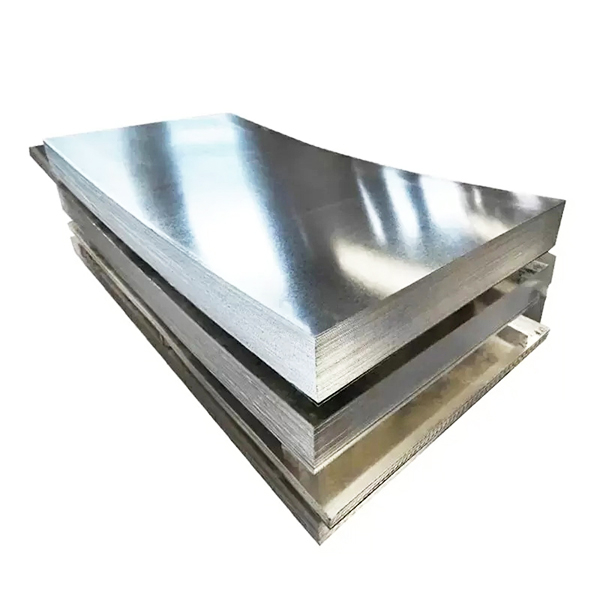
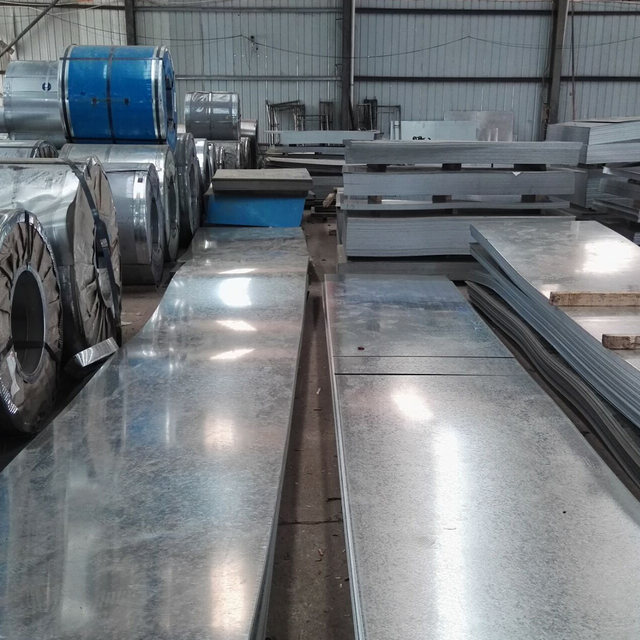
What Is Galvanized Steel and Why It Resists Corrosion
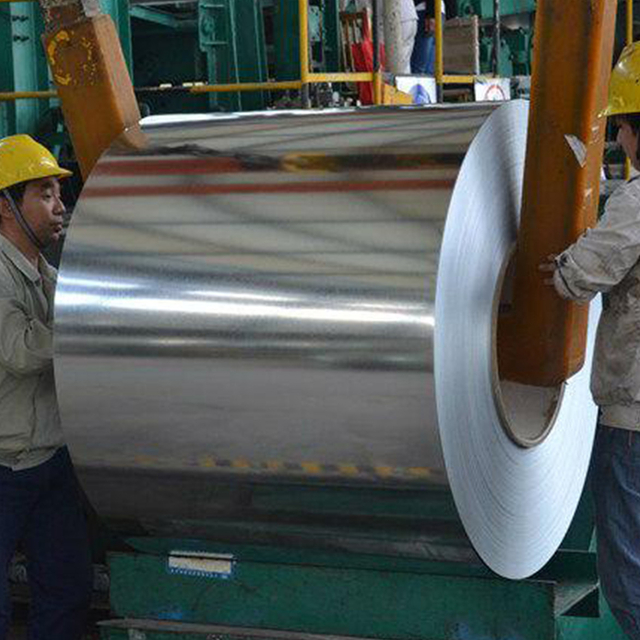
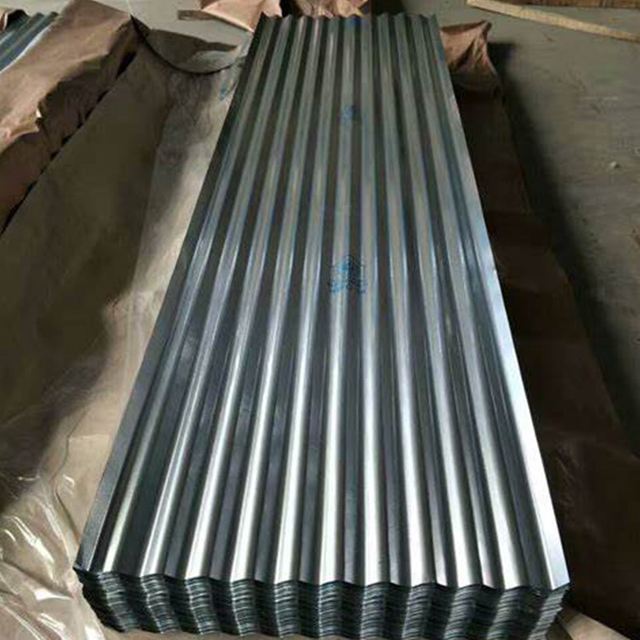
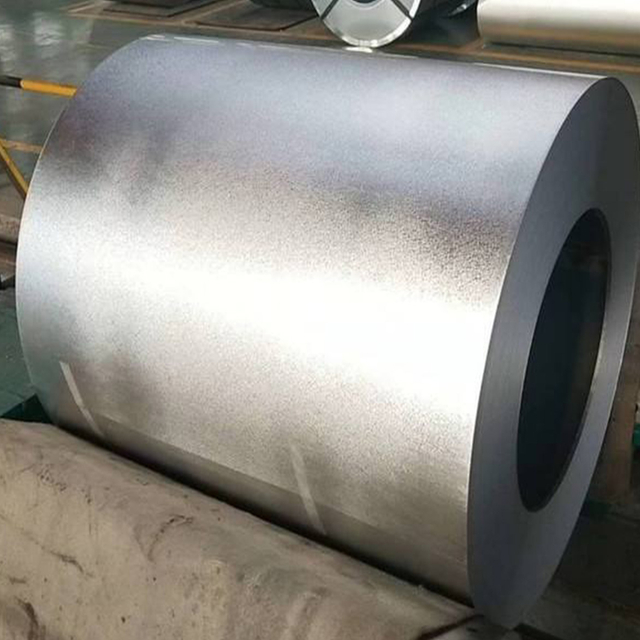
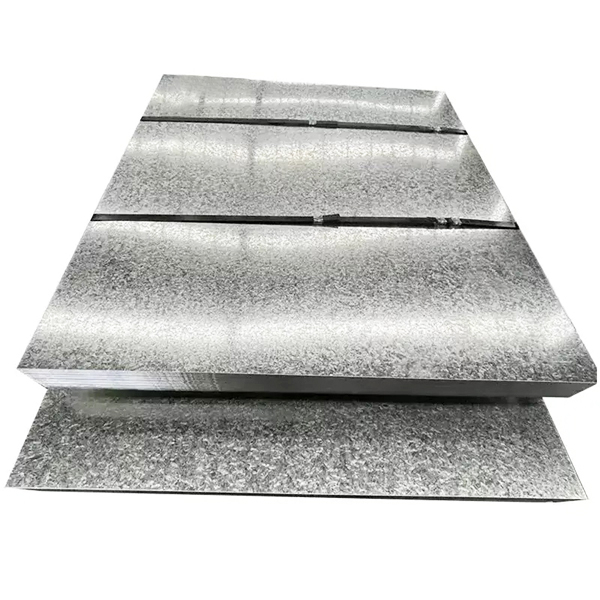
Galvanized Steel is widely used in construction, transportation, appliances, agriculture, and outdoor infrastructure because of its exceptional resistance to corrosion. The material is created by coating steel with a protective layer of zinc, which prevents moisture, oxygen, and contaminants from reaching the underlying metal. This process significantly slows the natural degradation of steel, making it one of the most cost-effective and long-lasting metals used in modern manufacturing.
However, while Galvanized Steel is known for durability, a common question remains: does it eventually corrode? The short answer is yes—but at an extremely slow rate, depending on the environment, coating thickness, and exposure conditions. Understanding how corrosion develops helps businesses and users make informed decisions about material selection and long-term performance.
How the Zinc Coating on Galvanized Steel Works
Galvanized Steel performs well because zinc reacts differently to environmental exposure than raw steel. Instead of rusting rapidly, zinc corrodes in a controlled, predictable way that forms a protective barrier.
Sacrificial Protection Mechanism
One of zinc’s most valuable characteristics is its role as a sacrificial metal. When Galvanized Steel is scratched or slightly damaged, the zinc coating corrodes first, protecting the exposed steel underneath. This self-sacrificing reaction slows the overall corrosion process and can keep the steel structurally sound for decades.
Formation of a Stable Zinc Patina
Over time, zinc reacts with air and moisture to form a thin, durable layer called zinc patina. This patina seals the surface from further interaction with the environment.
The patina is especially effective in mild, dry, or moderately humid climates, extending the lifespan of Galvanized Steel far beyond many alternative materials.
Does Galvanized Steel Eventually Corrode?
Yes—Galvanized Steel can corrode over time, but the timeframe varies widely. In some outdoor environments, the material lasts 50–70 years. In harsher industrial zones or coastal regions, its lifespan may decrease.
When Corrosion Begins
Corrosion typically starts when:
The zinc coating wears thin
The environment contains aggressive chemicals
The surface experiences continuous moisture
There is mechanical abrasion or erosion
Even when corrosion begins, the progression tends to be slow and predictable, which is why Galvanized Steel remains a preferred choice for long-term structural and protective applications.
Environmental Factors That Influence Corrosion Rate
Rural Environments
Rural areas usually have the slowest corrosion rates because the air contains fewer industrial chemicals. Galvanized Steel used in farming equipment, storage buildings, or fencing can last for many decades with minimal deterioration.
Urban or Industrial Areas
Industrial zones contain pollutants such as sulfur dioxide, nitrogen oxides, and chemical particulates. These contaminants react with the zinc coating more aggressively, accelerating the erosion of the protective layer.
Coastal Regions
Salt spray and high humidity create electrically conductive conditions that speed up the corrosion of zinc. However, even in marine environments, properly coated Galvanized Steel still maintains years of effective performance.
High-Moisture and Condensation Environments
Warehouses, refrigeration units, and places with continuous condensation can see increased corrosion because moisture weakens the zinc patina and promotes chemical reactions.
Coating Thickness: A Key to Corrosion Resistance
While environment plays a significant role, coating thickness is one of the most influential factors in determining how long Galvanized Steel can resist corrosion.
Standard Zinc Coating Levels
Typical zinc coating weights include:
40–120 g/m² for light-duty applications
180–275 g/m² for harsh or long-term exposure
Even thicker coatings for marine or industrial uses
A thicker coating provides more zinc mass, meaning it takes longer for the sacrificial protection to wear down.
Application-Specific Coating Requirements
For roofing, wall cladding, and building structure components, higher galvanized coating thickness is recommended to handle moisture, UV, and chemical exposure.
For indoor appliances or ventilation systems, thinner coatings may be sufficient because they face less environmental stress.
Signs of Early Corrosion in Galvanized Steel
Although Galvanized Steel resists rusting, some surface changes may appear over time.
White Rust Formation
White rust is a chalky substance formed from fresh zinc reacting with moisture. It is generally superficial and does not indicate structural corrosion unless it occurs repeatedly.
Dull Surface or Patina Changes
As the zinc patina matures, it changes from shiny to matte gray. This is a normal protective transformation and not a sign of damage.
Localized Rust Spots
These can occur when the zinc coating has been heavily scratched, abraded, or chemically attacked. Small spots are not a major issue but may require touch-up coatings or protective treatments.
Can Galvanized Steel Be Restored or Reprotected?
Yes—Galvanized Steel can be treated to slow or stop corrosion even after the initial signs appear.
Zinc-Rich Paints and Coatings
These coatings mimic the protective properties of galvanized layers and can extend the material’s life when applied correctly.
Galvanizing Repair Compounds
Cold galvanizing sprays or zinc adhesives can be applied to welds, cut edges, or damaged spots.
Protective Barrier Coatings
Paint, powder coatings, or epoxy layers create a secondary shield that helps preserve the remaining zinc.
Best Practices to Reduce Corrosion Over Time
Keep Surfaces Clean and Dry When Possible
Accumulated dirt and moisture accelerate the breakdown of zinc coatings.
Avoid Long-Term Water Traps
Structural designs should prevent water accumulation, condensation cycles, or pooling.
Choose the Right Coating Thickness
Projects in coastal or industrial zones should always use the highest zinc plating levels to maximize lifespan.
Use Compatible Materials
Galvanized Steel should not come into direct contact with copper, brass, or carbon steel without insulation, as galvanic reactions can occur.
Applications Where Galvanized Steel Performs Best
Galvanized Steel remains an excellent material for:
These applications benefit from both strength and long-term corrosion resistance.
Is Galvanized Steel Worth Using Long-Term?
Absolutely. While Galvanized Steel does corrode slowly over decades, its durability, affordability, and reliability make it one of the most widely chosen materials in global construction and manufacturing.
Its predictable corrosion behavior allows engineers, builders, and manufacturers to design systems with confidence. By matching the coating thickness to the environment and applying proper maintenance, users can ensure that structures and components perform efficiently throughout their intended service life.
Why Work With a Professional Supplier
Selecting high-quality Galvanized Steel is essential for ensuring long-term corrosion resistance.
Shandong Sino Steel specializes in producing premium Galvanized Steel coils, sheets, and Galvalume materials with controlled zinc coatings from 20–275 g/m². With multiple advanced production lines, strict quality inspections, and a global distribution network covering 150+ countries, we provide reliable steel products tailored to construction, roofing, appliance, and industrial projects. Our commitment to quality and fast delivery ensures that your projects receive durable materials with consistent performance.
FAQ
1. How long does Galvanized Steel last before it starts corroding?
It varies by environment, but in many cases, Galvanized Steel lasts several decades before notable corrosion begins.
2. Does coastal exposure significantly reduce its lifespan?
Yes. Salt and humidity accelerate zinc corrosion, but proper coating thickness can still provide long service life.
3. Can Galvanized Steel be painted for extra protection?
Yes. Paint or epoxy coatings can serve as an additional barrier and extend its life further.
4. What causes white rust on Galvanized Steel?
White rust forms when fresh zinc reacts with moisture. It’s usually superficial and not structurally harmful.
5. Is thicker zinc coating always better?
Generally yes, but the ideal thickness depends on the application and exposure conditions. Coastal and industrial environments require the highest levels.