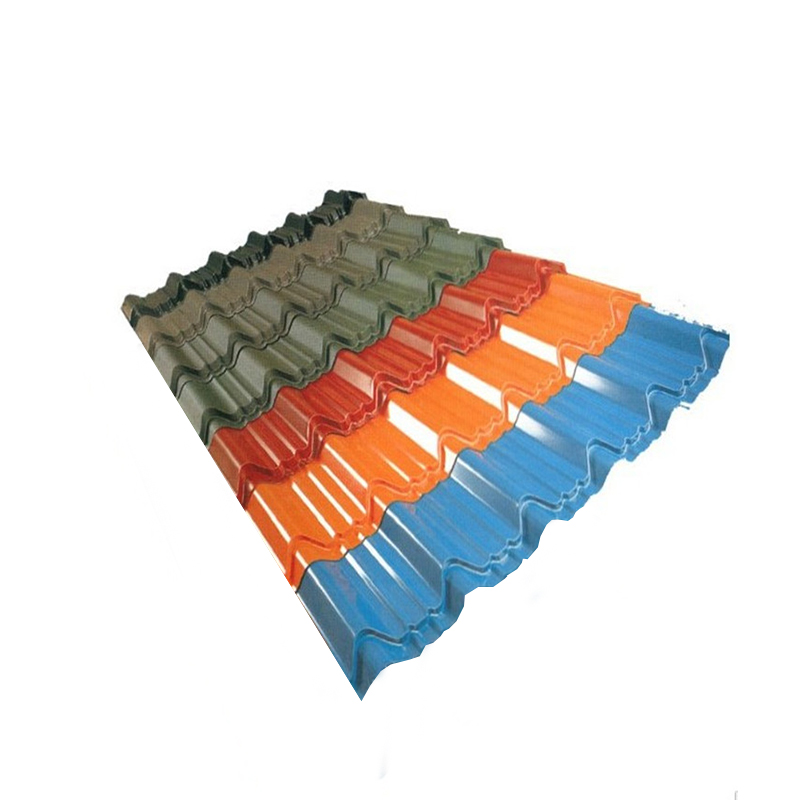
Sourcing materials for a commercial, agricultural, or large-scale residential build requires balancing initial expenses against long-term structural integrity. You must make precise choices early in the design phase. Procurement mistakes often trigger severe consequences down the line. For example, specifying the wrong coating for a high-humidity environment leads to premature corrosion. Similarly, miscalculating load-bearing requirements causes project delays and compliance failures on site. Our goal is to provide you a standardized framework for these critical decisions. We will help you define technical requirements, evaluate materials, and vet suppliers properly. You will learn how to secure a resilient, efficient procurement process from start to finish. By following this guide, you can eliminate guesswork, avoid substandard materials, and build a highly robust supply chain strategy.
Key Takeaways
Match material to environment: Select substrates and coatings (e.g., Galvalume vs. Galvanized) based on site-specific climate risks and building codes.
Verify true technical specs: Always separate base metal thickness from coating thickness when evaluating quotes to avoid substandard materials.
Audit supplier logistics: A lower per-unit cost can be negated by excessive minimum order quantities (MOQs), poor packaging (causing white rust), or inflexible delivery terms.
Demand compliance documentation: Require mill test certificates and warranty clarity before finalizing a purchase order.
Defining Your Corrugated Sheet Specifications
You must establish strict technical parameters before contacting vendors. Vague requests yield inconsistent quotes. Clear parameters ensure every bidder prices the exact same material grade. This prevents costly changes during the construction phase.
Determine the Application
Engineers distinguish material requirements based on structural placement. A wall panel faces different stress factors than a roof panel. A reliable construction roofing sheet requires rigorous structural calculations. You must account for seasonal snow loads. You also need to calculate wind uplift pressure based on local weather patterns. Roof panels generally require deeper corrugations to shed water efficiently. Conversely, siding panels prioritize aesthetics and impact resistance over sheer load-bearing capacity. Decking sheets serve as structural sub-floors. They require heavy-gauge steel to support concrete pours.
Environmental Assessment (Micro-climate)
Your building site dictates your material choices. Every micro-climate presents unique degradation risks. You must evaluate coastal exposure carefully. Airborne salt spray accelerates metal oxidation rapidly. Industrial zones present another major threat. Airborne chemical runoff and acid rain compromise standard finishes. You must also measure the local UV index. High UV exposure degrades cheap paint quickly, causing chalking and fading. Understanding these localized threats allows you to select the correct anti-corrosion coating.
Regulatory & Code Compliance
Building codes vary wildly between municipalities. You must identify all local regulations before finalizing your order. Fire ratings dictate whether you can use polycarbonate accents. Impact resistance mandates often apply in hurricane-prone regions. Your chosen corrugated sheet specifications must meet or exceed these local guidelines. Ask your structural engineer to verify the required ASTM standard designations. Skipping this verification step risks failed building inspections.
Material Categories and Coating Technologies
Modern construction utilizes varied substrate materials. Choosing the right substrate ensures building longevity. You must weigh structural needs against natural lighting requirements.
Metal vs. Polycarbonate
Steel and metal panels dominate the industry. They offer exceptional structural integrity. They are entirely non-combustible. These traits make them ideal for primary commercial spans and agricultural barns. Metal panels span greater distances between supports. This reduces the total framing required.
Polycarbonate and fiberglass panels serve a different purpose. They work best for daylighting solutions. Greenhouses and commercial skylights rely on these translucent materials. However, polycarbonate panels require careful evaluation. You must review their UV degradation rates. Cheap plastics turn yellow and brittle within years. You also need to calculate thermal expansion rates. Polycarbonate expands differently than steel. Fastening them together requires specialized oversized holes and flexible grommets.
Metal Coating Systems (The Longevity Factor)
Bare steel rusts immediately upon environmental exposure. Manufacturers apply chemical barriers to prevent this. The specific coating system determines the lifespan of your panels.
Galvanized steel relies on a zinc coating. This traditional method remains highly cost-effective. Zinc provides self-healing properties upon scratching. It sacrifices itself to protect the underlying steel. Galvanized panels perform best in dry environments. They also suit standard agricultural builds perfectly.
Galvalume utilizes a precise zinc-aluminum alloy. This mixture offers superior barrier protection. It resists continuous moisture far better than pure zinc. However, you must observe strict installation rules. Do not place Galvalume in direct contact with wet concrete. The alkaline environment destroys the coating. Furthermore, avoid using Galvalume in animal confinement buildings. Ammonia fumes from livestock waste degrade the aluminum rapidly.
Painted finishes provide aesthetic appeal and extra protection. Silicone Modified Polyester (SMP) dominates the standard commercial market. It resists chalking well and keeps costs moderate. Polyvinylidene Fluoride (PVDF), often known as Kynar, represents the premium tier. PVDF delivers unmatched color retention. It resists harsh chemicals effortlessly. Choose PVDF for high-profile architectural projects.
Table 1: Comparison of Metal Coating Systems
Coating Type
Primary Composition
Best Applications
Key Limitation
Galvanized
Pure Zinc
Dry climates, standard agricultural sheds
Lower resistance to continuous salt spray
Galvalume
Zinc and Aluminum
High-moisture areas, commercial roofing
Degrades around animal waste (ammonia)
SMP Paint
Silicone Modified Polyester
Retail stores, warehouses, residential
Fades faster than premium resins under high UV
PVDF Paint
Polyvinylidene Fluoride
High-end architectural, coastal builds
Higher initial procurement expense
Navigating Corrugated Sheet Thickness and Profiles
Thickness dictates strength. Profile design determines water shedding capacity. Misunderstanding these two metrics leads to structural failure. You must scrutinize these numbers on every vendor quote.
Decoding Thickness (Gauge vs. Millimeters)
The steel industry often measures thickness using the gauge system. You must understand its inverse relationship. A lower gauge number indicates thicker steel. For example, 26-gauge steel is significantly thicker than 29-gauge steel. Thicker steel delivers higher structural capacity. It handles heavy snow loads safely. It also resists hail damage far better.
Crucial Buyer Tip: You must remain vigilant when comparing corrugated sheet thickness across different quotes. Always demand the Base Metal Thickness (BMT). You must separate this from the Total Coated Thickness (TCT). Unethical suppliers sometimes mask thin steel. They apply heavy layers of cheap paint to increase the TCT. You might think you are buying strong steel. In reality, you are buying weak steel hidden under thick paint. Always base your structural calculations on the BMT.
Pitch, Depth, and Profile Design
Corrugation shapes vary by design and function. The rib height plays a crucial structural role. Deeper corrugations offer greater spanning capabilities. A 7/8-inch rib height spans wider gaps between purlins than a 1/2-inch rib. Deeper ribs also channel heavy rain more efficiently. They prevent water from overflowing the side-laps during severe storms.
You must also differentiate between physical dimensions and usable dimensions. The overall width of a panel differs from its coverage width. Calculate your material requirements based on the net coverage width. The net coverage accounts for the panel side-lap loss. If you calculate materials using the overall width, you will inevitably run short of panels on site.
Common Mistake: Ordering panels based on raw roof square footage without adding a 10% waste and side-lap margin.
Best Practice: Ask your supplier to provide a computerized cut-list based on your architectural drawings.
How to Evaluate a Corrugated Sheet Supplier
The origin of your materials matters immensely. A poor supplier ruins a perfect project plan. You must vet vendors rigorously before sending funds. The right partnership ensures timely delivery and guaranteed quality.
Distributor vs. Direct Manufacturer
Big-box retailers and local distributors serve specific needs. They work well for small-scale patches. They also help when you need a few panels immediately. However, they charge a high cost per square foot. They also limit your choices to standard lengths. You will generate significant site waste cutting these panels to fit.
Working with a direct metal roofing manufacturer provides better results for bulk procurement. Manufacturers cut panels to your exact specifications straight from the coil. Custom cut-to-length panels eliminate site waste completely. They speed up the installation process. Manufacturers also provide direct technical support. They can answer complex engineering questions immediately.
Vendor Shortlisting Criteria
You need a systematic approach to shortlist potential partners. Evaluate them across three distinct pillars.
Production Capacity & Lead Times: Can the corrugated sheet supplier meet your project schedule? You must ask about their current production backlog. Also, clarify their turnaround time for custom trims and flashings. Standard panels arrive quickly, but custom flashings often delay the final dry-in phase.
Cross-Border / Import Considerations: Buying overseas reduces material costs significantly. However, you must calculate the total landed costs. You need to include ocean freight, import tariffs, and port handling fees. Always require clear Incoterms on your quote. Designating FOB (Free on Board) or CIF (Cost, Insurance, and Freight) clarifies liability during transit.
Quality Assurance: Never trust verbal quality claims. Require verifiable Mill Test Certificates (MTCs) before placing your order. An MTC proves the underlying steel grade. It also verifies the exact coating mass. Ensure the document explicitly lists standard designations like G90 for galvanized or AZ50 for Galvalume.
Implementation Realities and Logistics Risks
Procuring excellent materials solves only half the problem. Getting them to the roof intact requires flawless logistics. Site damage voids warranties and delays construction schedules.
Shipping and Unloading
Bulk panels require specialized flatbed delivery. You must verify site access constraints beforehand. Long trucks cannot navigate tight residential corners easily. More importantly, you must ensure proper machinery is on-site for unloading. Long panels buckle easily under their own weight. Your crews must use forklifts equipped with spreader bars. Lifting long corrugated sheets without a spreader bar permanently crimps the metal. Damaged ribs will not overlap correctly, causing immediate roof leaks.
Storage Best Practices
Improper site storage destroys coatings rapidly. Moisture easily becomes trapped between bundled metal sheets. This trapped moisture causes "white rust" to form within days. White rust is a destructive storage stain. It eats through the protective zinc layer quickly. You must ensure the supplier ships panels packed with moisture barriers. Once on site, store them correctly. Keep bundles off the ground using wood blocks. Elevate one end to create a slope for water drainage. Finally, cover them under breathable tarps. Never use tight plastic tarps. Plastic traps ground condensation directly against the metal.
Warranty Blind Spots
Do not accept marketing claims at face value. You must read the warranty fine print carefully. Many manufacturers advertise a "40-year warranty." However, this usually covers paint adhesion only. It rarely covers red rust or structural failure. Most warranties explicitly exclude installations in coastal environments. They also void coverage for specific atmospheric conditions, like proximity to chemical plants. Understand exactly what actions void your coverage before you install the first panel.
Conclusion
A successful procurement strategy relies on strict methodical planning. You must define your load and climate specifications first. Next, select the proper substrate, coating, and base metal thickness to match those parameters. Vet your supplier based on production capacity and verifiable quality documentation. Finally, secure your logistics and site storage plans to protect your investment.
Your next steps should focus on verification. Advise your purchasing team to request physical sample panels. Have them request quotes based strictly on net coverage area, including all custom cut lengths. Most importantly, demand a localized warranty document. You must review the exact terms applicable to your project address before signing the final purchase order. Following this framework protects your budget and guarantees long-term building resilience.
FAQ
Q: What is the minimum roof pitch required for corrugated metal sheets?
A: Most manufacturers require a minimum 3:12 roof pitch. This steepness ensures proper water shedding during heavy rain. However, specific deep-rib profiles can accommodate lower slopes. If you drop below a 3:12 pitch, you must apply continuous butyl tape sealants along every side-lap to prevent capillary water action.
Q: Can I order custom-length corrugated panels directly from the manufacturer?
A: Yes. Buying direct allows factories to execute exact-length cuts straight from the master steel coil. This eliminates horizontal overlap waste on your roof. It also reduces on-site cutting and speeds up installation significantly compared to buying standard 8-foot retail sheets.
Q: How do minimum order quantities (MOQs) affect pricing?
A: MOQs dictate your overall procurement strategy. Domestic manufacturers often feature low or zero MOQs for standard inventory colors. Conversely, overseas bulk suppliers usually require Full Container Loads (FCL). You must order large volumes to make international ocean freight economics viable and achieve a lower per-unit cost.
Shandong Sino Steel Co., Ltd. is a comprehensive company for steel production and trading. Its business includes production, processing, distribution, logistics and import& export of steel.