Procurement managers and building contractors often face confusing terminology when sourcing metal panels. You might find yourself staring at spec sheets, wondering whether to purchase a corrugated or galvanized product. This dilemma slows down project timelines and complicates budgeting.
This perceived choice represents a massive industry misconception. "Corrugated" refers entirely to the physical shape of the metal. "Galvanized" indicates a chemical rust-prevention treatment. They are not mutually exclusive options. Selecting the wrong profile or coating specification can lead to premature structural failure. It can also cause unexpected maintenance overruns and compromised weatherproofing.
We need clear definitions to make sound purchasing decisions. This guide breaks down the mechanical properties of corrugation and the metallurgical defense of galvanization. You will learn how to evaluate these specific attributes properly. By understanding these concepts, you can confidently specify materials for your next commercial, industrial, or agricultural building project.
Key Takeaways
Shape vs. Coating: Corrugated refers to the wavy, folded structural design; galvanized refers to a zinc-based protective coating applied to metal.
They Work Together: You do not have to choose between them. A galvanized corrugated sheet combines the structural rigidity of corrugation with the rust resistance of galvanization.
Evaluation Focus: Purchasing decisions should be based on coating weight (e.g., G90) for environmental exposure and panel thickness (gauge) for structural load requirements.
Supplier Vetting: Partnering with a reliable metal roofing material supplier ensures accurate coating certifications and prevents premature material degradation.
The Root of the Confusion: Profile vs. Treatment
Buyers frequently mix up these terms due to historical language habits. Decades ago, farmers and builders commonly referred to any wavy metal panel as a "tin roof." As modern manufacturing evolved, the terminology shifted. Today, precision engineering defines exactly how we shape and protect metal. Despite this precision, colloquial speech still treats these distinct manufacturing steps as if they are competing materials.
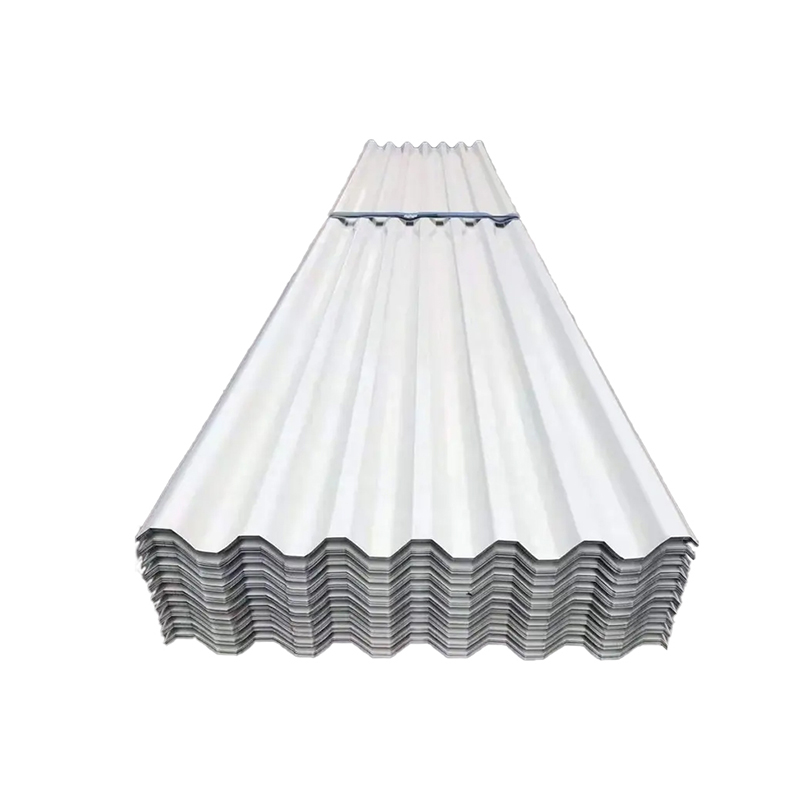
First, consider the "profile." When we say a panel is corrugated, we focus on its physical manipulation. Engineers use heavy machinery to press flat metal into alternating ridges and grooves. This is purely a mechanical engineering choice. Manufacturers do this to increase the panel's spanning capabilities and overall structural rigidity. The metal simply changes shape.
Next, consider the "treatment." When we say a panel is galvanized, we focus on the metallurgical process. This is a chemical engineering choice. Factory lines dip the raw steel core into protective elements to stop oxidation. Without this treatment, raw steel reacts rapidly to moisture and oxygen. It rusts. The galvanization process adds a microscopic shield to keep the underlying steel intact.
Evaluating Corrugated Sheets: Structural Mechanics and Applications
Understanding how corrugation works requires a basic grasp of physics. You take a flat sheet of metal. It easily bends and flops under its own weight. Now, fold that flat metal into continuous ridges and valleys. You just exponentially increased its strength-to-weight ratio. The folds act like tiny I-beams. They resist bending perpendicular to the corrugation lines.
This structural change delivers several crucial performance outcomes:
Water and Snow Shedding: The deep channels naturally direct precipitation away from the roof deck. Gravity pulls water down the grooves, preventing pooling and subsequent leaks.
Impact Resistance: The angled surfaces provide better deflection against hail and flying debris. Flat panels take direct hits, which cause noticeable denting. The ridges absorb and distribute impact force more effectively.
Thermal Movement: Metal expands and contracts as temperatures change. The wavy profile acts like an accordion. It safely absorbs this thermal movement without warping the entire roof structure.
It is vital to recognize material agnosticism here. Manufacturers can press almost any flat material into this shape. Corrugated sheets can be formed from bare aluminum, translucent polycarbonate, plain carbon steel, or coated steel. The shape does not dictate the base material.
Because of their immense strength and economical production, these profiles dominate specific industries. Typical use cases include agricultural barns, industrial siding, and commercial warehouses. They provide high structural integrity on a strict budget. You get maximum spanning distance between supports, which reduces the total lumber or steel framing required for the building.
Evaluating the Galvanized Steel Sheet: Corrosion Defense
Steel offers incredible tensile strength. However, it possesses one fatal flaw: it rusts rapidly when exposed to the elements. The galvanization process solves this problem. During hot-dip galvanization, mills clean a base steel sheet and submerge it in a bath of molten zinc. The zinc bonds metallurgically to the steel. It creates a tightly adhering, multi-layered protective alloy.
This defense mechanism relies on the sacrificial anode principle. Zinc is more electrochemically active than steel. If a falling branch scratches the roof and exposes the raw steel beneath, you might expect immediate rusting. Instead, the surrounding zinc sacrifices itself. It corrodes first, actively protecting the exposed steel core. This chemical reaction ensures minor surface damage does not compromise structural integrity.
To evaluate a galvanized steel sheet, you must understand coating designations. The industry uses the "G-Scale" to measure zinc weight per square foot.
G60 Designation: This indicates 0.60 ounces of zinc per square foot. Manufacturers generally reserve G60 for interior applications or temporary structures. It lacks the mass required to withstand decades of harsh weather.
G90 Designation: This indicates 0.90 ounces of zinc per square foot. G90 serves as the absolute industry standard for exterior roofing and siding. The heavier zinc coating directly translates to a longer lifespan.
You must also consider environmental limitations. Galvanized steel performs exceptionally well in standard rural and suburban environments. It struggles, however, in highly saline coastal areas. Salt accelerates the zinc consumption process. It also performs poorly in highly acidic agricultural environments, such as poultry or swine confinement buildings. In these aggressive settings, ammonia vapors strip the zinc away. You will need additional protective paint systems to survive these extremes.
The Industry Standard: The Galvanized Corrugated Sheet
Smart builders do not choose between shape and chemistry. They merge the two. Creating a hybrid product yields the most cost-effective solution in modern construction. By running a zinc-coated steel coil through a roll-forming machine, you produce a highly durable panel.
This galvanized corrugated sheet delivers maximum ROI. You leverage the extreme structural span of the wavy profile. This means you need fewer purlins and internal supports. Simultaneously, you secure a 20-to-50-year lifespan depending on the specific G-scale zinc weight applied.
Understanding the implementation reality is just as important as the material science. Handling these hybrid sheets requires strict attention to detail during installation. The zinc protects the steel, but bad installation practices can ruin it.
Installers typically use exposed fastener systems to secure these panels. Every time a contractor drives a screw through the metal, they puncture the protective zinc layer. They expose raw, untreated steel edges inside the screw hole. To prevent localized rusting at these puncture points, crews must use high-quality fasteners equipped with EPDM rubber washers. When driven to the correct depth, the rubber expands. It forms a watertight seal over the vulnerable exposed steel. Over-tightening or under-tightening these screws guarantees premature roof failure.
Decision Framework: Specifying the Right Material for Your Project
Procuring metal panels demands a systematic approach. You must audit your specific project requirements before signing a purchase order. Guesswork leads to compromised buildings. Follow a structured framework to identify your exact material needs.
First, assess the environmental load. The atmosphere surrounding your building dictates your coating requirements. Standard galvanized zinc easily handles typical rain, snow, and UV exposure. If your project sits within a mile of the ocean, standard zinc will fail. You may require an upgrade to Galvalume, which blends aluminum and zinc for superior barrier protection. Alternatively, heavy industrial zones with airborne chemicals might necessitate a high-performance paint system. SMP (Silicone Modified Polyester) or PVDF (Polyvinylidene Fluoride) coatings applied over the galvanization offer extreme chemical resistance.
Second, assess the structural load. You must determine the necessary steel gauge, which measures thickness. A lower gauge number indicates thicker steel. High wind zones and heavy snow loads demand rigidity.
A 26-gauge or 24-gauge corrugated steel sheet stands as the standard for commercial roofing. These thicknesses resist hail damage and support the weight of maintenance crews walking on the roof. Conversely, a 29-gauge panel is much thinner. Builders often restrict 29-gauge to budget-friendly agricultural siding or minor outbuildings where structural demands remain low.
Metal Specification Decision Matrix
Application Setting
Recommended Profile Thickness
Recommended Coating Specification
Agricultural Barn (Standard)
29-Gauge or 26-Gauge
G90 Galvanized
Commercial Warehouse
26-Gauge or 24-Gauge
G90 Galvanized + SMP Paint
Coastal / Heavy Industrial
24-Gauge
Galvalume + PVDF Paint
Procurement Risks and Selecting a Metal Roofing Material Supplier
Sourcing metal correctly requires vigilance. The market contains subpar materials passed off as premium goods. You must mitigate procurement risks through strict verification protocols.
Verification of specifications is your primary defense. Visual inspections cannot differentiate between a G60 and a G90 coating. They look identical to the naked eye. To ensure you actually receive the heavier zinc defense, demand Mill Test Reports (MTRs) before accepting delivery. These technical documents trace the exact chemical composition and coating weight of the steel coil used to produce your panels. If a supplier hesitates to provide MTRs, walk away.
Storage and delivery pose significant secondary risks. The most common threat is "white rust," also known as wet storage stain. This occurs when manufacturers or distributors store wet panels tightly stacked together without proper airflow. Moisture gets trapped between the sheets. The water rapidly attacks the fresh zinc layer, creating an ugly, powdery white chalk. This chemical reaction consumes the zinc before the roof is even installed. Poor supplier storage directly robs your building of its future lifespan.
Use strict shortlisting criteria to find reliable partners. When vetting a metal roofing material supplier, look for three critical service offerings:
Transparent Warranties: They should clearly explain what environmental factors void the coating warranty.
Custom Cut-to-Length Services: Factory-sheared edges are cleaner and safer. On-site job cutting exposes raw steel edges to moisture, accelerating rust. Custom factory lengths eliminate this risk.
Localized Delivery Logistics: Shorter transit times reduce the risk of rain exposure and panel warping during flatbed transport.
Conclusion
Navigating building materials does not have to be a confusing ordeal. Buyers are never forced to choose between corrugated and galvanized products. You are simply specifying two different layers of protection. You choose the right structural shape to handle physical stress. You choose the appropriate protective coating to fight environmental decay. Together, they create a resilient, long-lasting barrier for your building.
To move forward successfully, take action on the following steps:
Audit your specific project location for airborne salts, agricultural chemicals, and extreme weather patterns.
Determine the precise steel gauge required to support your local snow and wind loads.
Commit to a G90 zinc weight minimum for any exterior application.
Request spec-specific quotes from vetted suppliers and demand Mill Test Reports to ensure an apples-to-apples comparison.
FAQ
Q: Can you paint galvanized corrugated sheets?
A: Yes, but it requires proper surface preparation. You must remove the factory passivation layer, usually with a mild solvent or specialized etching wash. You must also use a specialized primer formulated for zinc surfaces. If you skip this, standard paint will quickly peel. Factory-painted panels remain the recommended choice for maximum longevity.
Q: Which is better: Galvanized or Galvalume?
A: It depends entirely on the environment. Galvalume uses a zinc and aluminum coating. It generally outlasts standard galvanized steel in normal residential and commercial environments. However, standard galvanized steel performs significantly better in agricultural settings with high animal waste exposure, as ammonia rapidly degrades the aluminum in Galvalume.
Q: Does a galvanized steel sheet rust?
A: Eventually, yes. The zinc coating is sacrificial by design. It actively depletes over decades to protect the underlying steel core. Once environmental exposure fully consumes the zinc, the raw steel will rust. Specifying higher zinc weights, like G90 or G100, delays this process significantly.
Q: What is the standard thickness for corrugated roofing?
A: The industry measures metal thickness in gauge. Remember that a lower gauge number equals thicker steel. 26-gauge and 24-gauge panels are the standard choices for durable commercial roofing. 29-gauge panels are much thinner and are commonly reserved for lighter agricultural structures or basic wall siding.
Shandong Sino Steel Co., Ltd. is a comprehensive company for steel production and trading. Its business includes production, processing, distribution, logistics and import& export of steel.