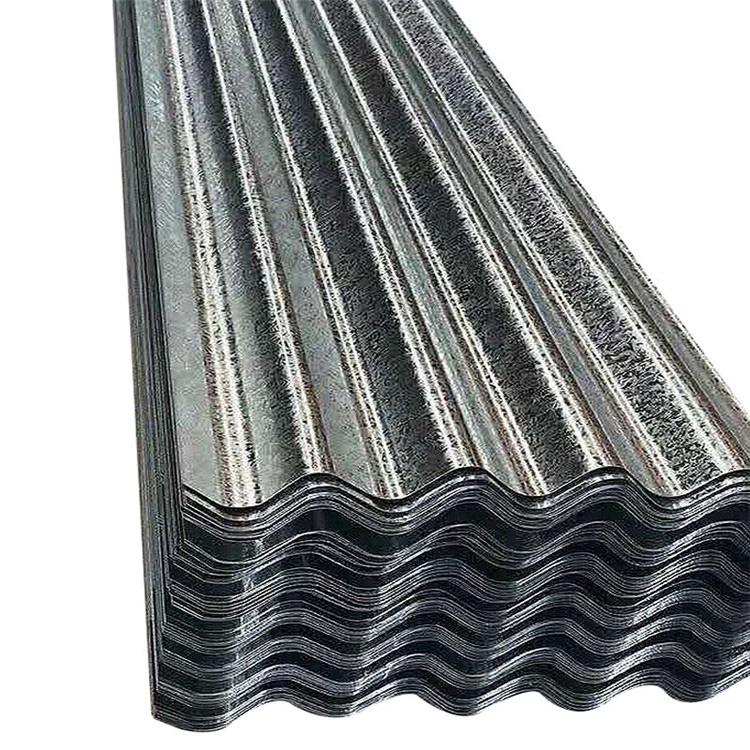
Specifying corrugated sheets for construction projects requires careful and rigorous planning. You must balance material longevity against specific structural load requirements. You also have to manage strict project budgets. Mistakes during gauge selection consistently lead to costly installation overruns. Incorrect profile sizing can also cause premature structural failures. Severe weather easily damages inadequate roofing materials. Choosing the wrong metal coating limits the lifespan of your entire building envelope. This comprehensive guide provides an objective framework for evaluating your available metal options. You will learn how to verify accurate dimensioning for any building scale. We will help you build reliable pricing models. We will also explore essential steps for selecting a capable supplier. Ultimately, these insights ensure seamless project compliance and maximize your overall investment return.
Key Takeaways
Profile depth (e.g., 7/8" vs. 1/2") directly dictates load-bearing capacity and spans; deeper profiles handle heavier loads and wider purlin spacing.
Material selection—particularly choosing between a standard galvanized corrugated sheet, Galvalume, or bare carbon steel—determines corrosion resistance and lifespan in specific environments.
True corrugated roofing sheet cost must account for overlapping waste (coverage width vs. actual width), specialized fasteners, and freight minimums.
Vetting a metal roofing sheet supplier on cut-to-length capabilities and warranty transparency is as critical as negotiating the per-square-foot price.
Evaluating Corrugated Sheet Types and Base Materials
Aligning base metals and chemical coatings to environmental exposure is critical. Structural demands also dictate your final material choice. Evaluating various corrugated sheet types requires understanding their distinct properties. This ensures they survive specific site conditions without degrading. You must match the product features directly to your expected outcomes.
Galvanized Corrugated Sheet vs. Galvalume
Industry professionals frequently debate between standard galvanized products and Galvalume. A galvanized corrugated sheet features a heavy zinc coating. Common ratings include G90 and G60. The zinc layer provides active cathodic protection. It sacrifices itself to protect the underlying steel from rust. Zinc possesses unique self-healing properties on minor scratches. Galvanized metal performs best in highly alkaline environments. It remains the top choice for animal confinement facilities. Animal waste destroys other coatings very quickly.
Galvalume uses a complex zinc-aluminum alloy coating. It offers superior long-term rust resistance in standard environments. It typically outlasts galvanized steel in residential applications. However, Galvalume degrades rapidly near concrete. It also fails quickly around animal waste. You should never use Galvalume for livestock barns.
Best Practice: Always specify G90 over G60 for exterior applications. G90 contains more zinc per square foot. It provides significantly better weather protection.
Carbon Steel and Specialty Metals
Carbon steel serves as a highly economical base material. Builders use it heavily in interior aesthetics. It works well for fencing and temporary structures. Bare carbon steel actively rusts over time. Many designers desire this specific oxidized patina. You must apply specialized paint if you want to stop this rusting process. It requires frequent maintenance in damp climates.
Aluminum and stainless steel represent premium market options. They thrive in coastal environments. Salt spray destroys standard steel panels within years. Aluminum never rusts. Stainless steel handles highly corrosive industrial applications easily. Both options require a larger upfront budget.
Common Mistake: Using bare carbon steel for permanent load-bearing roofs. It will eventually rust through unless heavily painted and rigorously maintained.
Standard Corrugated Sheet Sizes and Engineering Specs
Understanding nominal versus actual dimensions prevents critical material shortages. You must accurately evaluate the exact corrugated sheet sizes before ordering. Mismatched sizing disrupts installation timelines.
Profile Depths: 7/8" vs. 1/2"
Profile depth dictates structural strength. The 7/8-inch corrugated profile serves as the primary industry standard. Builders use it for structural roofing and heavy exterior siding. Deep ribs create a rigid panel. They allow for greater span capacities between purlins. Deep profiles also provide excellent water runoff on low-slope roofs. They handle heavy rainfall effectively.
The 1/2-inch corrugated profile offers a much lower profile. Designers primarily use it for interior accents. It works well for wainscoting and light-duty siding. You should not use 1/2-inch profiles for load-bearing roofs. They lack the necessary rigidity. They will bend under heavy snow loads.
Gauge Thickness Charting
Metal thickness is measured in gauges. A higher number indicates a thinner piece of metal. You must select the appropriate gauge for your climate.
Standard Metal Gauge Application Guide
Gauge Number
Relative Thickness
Primary Applications
Durability Profile
29 Gauge
Thinnest (Standard)
Agricultural siding, sheds, interior trim
Low impact resistance; susceptible to hail damage.
26 Gauge
Medium (Standard)
Residential roofing, light commercial siding
Good wind resistance; industry standard for homes.
You must differentiate between overall width and actual coverage width. An overall width might measure 26 inches. However, panels must overlap during installation. This overlap creates a watertight seal. The actual coverage width usually drops to 24 inches after a standard one-to-two rib overlap. You must highlight the 10-15% material loss factor. Always incorporate this loss factor into your purchasing calculations.
Best Practice: Always divide your total roof width by the coverage width, not the overall width. This simple math prevents you from running short on materials.
Corrugated Roofing Sheet Cost Breakdown
Pricing models vary wildly across the construction industry. Global steel indices constantly shift. Regional freight expenses also impact final quotes. Coating thickness directly changes the bottom line. You must understand how to calculate true corrugated roofing sheet cost accurately.
Material-Only Cost Ranges
Material costs follow a predictable baseline ratio. We use bare carbon steel as our baseline metric (1x). Upgrading your materials increases this multiplier.
Carbon Steel: The 1.0x baseline. Highly affordable but requires post-processing.
Galvanized Steel: Typically sits at 1.2x. The zinc coating adds slight expense.
Painted Galvalume: Usually averages 1.5x. Premium paints add aesthetic value and longevity.
Aluminum Panels: Starts at 2.5x or higher. Required for coastal salt-spray zones.
Stainless Steel: Can exceed 4.0x. Reserved for extreme industrial settings.
Hidden Installation and Ancillary Costs
Evaluating material-only prices ignores critical installation accessories. Ancillary components add substantial expenses. Exposed fastener systems require thousands of specialized screws. These screws feature neoprene washers. The rubber washers degrade under UV exposure. You usually need to replace them every 10 to 15 years.
Trim and flashing represent a major hidden expense. Ridge caps seal the roof peak. Gable trims protect the roof edges. Drip edges direct water into gutters. These specialized pieces often account for 15-20% of your total material bill.
Wastage adds another financial burden. Complex roof geometries require extensive on-site cutting. Valleys and hips create angled waste pieces. You cannot reuse these triangular cut-offs. You must budget for this expected material loss.
Common Mistake: Ordering panels without accounting for ridge caps and specialized fasteners. This forces expensive, rushed supplementary orders.
Implementation Realities and Installation Risks
Proper installation guarantees structural integrity. Poor execution compromises both aesthetic value and weatherproofing. You must mitigate common points of failure.
Key Installation Risks to Manage
Galvanic Corrosion: Mixing incompatible metals causes rapid degradation. Copper run-off onto galvanized panels destroys the zinc coating. Using improper fasteners also triggers this chemical reaction. Always use fasteners designed specifically for your chosen panel material.
Condensation Management: Single-skin corrugated sheets will sweat. Temperature fluctuations cause moisture accumulation underneath the metal. You must install high-quality vapor barriers. Some builders prefer factory-applied anti-condensation flocking. Proper ventilation in the attic space remains mandatory.
Fastener Torque Issues: Driving screws correctly requires practice. Over-tightening causes the neoprene washer to deform. This splits the rubber and creates instant leak points. Under-tightening fails to compress the washer. This allows water penetration and severe wind uplift during storms. Installers must apply precise torque.
Best Practice: Use screw guns equipped with adjustable depth clutches. This prevents your crew from crushing the sealing washers.
Shortlisting a Metal Roofing Sheet Supplier
Transitioning from product selection to procurement requires careful vetting. A reliable metal roofing sheet supplier ensures your project stays on schedule. Do not choose a vendor based solely on the lowest price.
Cut-to-Length vs. Standard Stock
Prioritize suppliers offering custom cut-to-length capabilities. Standard stock lengths force your crew to cut panels on-site. This wastes expensive labor hours. Standard lengths also force horizontal lap joints on long roofs. Horizontal laps serve as major leak liabilities. Custom lengths run seamlessly from the roof ridge down to the eave. This eliminates horizontal seams entirely.
Packaging and Freight Operations
Corrugated panels easily sustain damage during transport. The thin edges bend if handled poorly. The panels are also highly susceptible to moisture trapping. If water sits between stacked panels, it causes white rust. This instantly ruins the factory finish. You must evaluate the supplier's crating standards. Ask how they tarp their flatbed deliveries. Professional suppliers use waterproof wrapping and heavy wooden crates.
Warranty Transparency
Warranty documents often confuse buyers. You must differentiate between various warranty types. A "substrate warranty" only covers rust-through scenarios. It guarantees the metal will not develop holes. A "paint or coating warranty" covers aesthetic degradation. It protects against chalking and fading. Ensure your supplier provides written documentation for both categories. Review the prorated terms carefully.
Common Mistake: Assuming a 40-year paint warranty prevents the underlying metal from rusting. You must verify both the paint and substrate protections.
Conclusion
Selecting the right corrugated metal demands a methodical approach. You must match your profile depth to expected structural loads. Aligning your material coating to the local environment prevents premature rusting. You must also calculate exact coverage dimensions to avoid costly shortages. Accurate planning ensures your project remains durable and visually appealing.
As your next step, calculate your exact coverage requirements carefully. Always factor in the necessary overlapping loss. We recommend requesting physical samples to verify gauge stiffness firsthand. Finally, solicit itemized quotes from vetted suppliers. Ensure they separate the costs for panels, trim, and freight. This transparency allows you to make an empowered, cost-effective procurement decision.
FAQ
Q: What is the minimum roof pitch for corrugated metal sheets?
A: The minimum pitch is typically 3:12 for standard corrugated panels. This steepness ensures adequate water shedding. It prevents capillary draw, which pulls water backward through the overlapping laps. If your project has a lower pitch, you must upgrade to a mechanically seamed standing seam system.
Q: Which is better for roofing: 26 gauge or 29 gauge?
A: A 26-gauge panel provides superior performance for roofing. It is thicker and highly resistant to hail and heavy wind uplift. A 29-gauge panel is cheaper. However, it is primarily suited for agricultural siding or low-impact structures where heavy foot traffic is absent.
Q: Can you install corrugated sheets over an existing shingle roof?
A: Yes, you can install them over existing shingles. Installers typically use wooden purlins or battens to create a flat mounting surface. However, you must consult local building codes. You must verify strict weight limits and ensure the underlying wooden deck remains structurally sound.
Shandong Sino Steel Co., Ltd. is a comprehensive company for steel production and trading. Its business includes production, processing, distribution, logistics and import& export of steel.