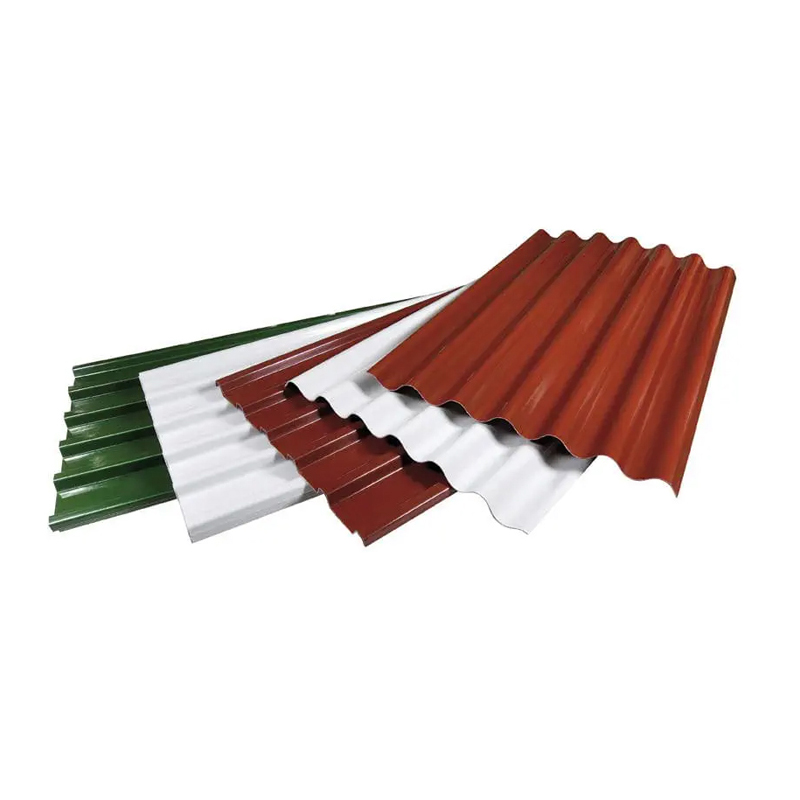
When people hear the term "corrugated," they usually picture brown cardboard packaging boxes.
However, corrugation is actually a geometric manufacturing process. It is not a specific raw material. Manufacturers use this process to create alternating ridges and grooves. This unique geometry maximizes structural rigidity. It drastically improves overall structural integrity.
Many people confuse corrugated fiberboard used in logistics with heavy-duty structural materials. Modern construction relies heavily on resilient components like metal and high-density polyethylene (HDPE). These durable materials form the backbone of industrial infrastructure.
This article explores commercial-grade corrugated sheets. We evaluate them for roofing, cladding, and architectural applications. You will learn how to match the right metal substrate to specific environmental demands. We also cover essential structural requirements to ensure long-term building safety and compliance.
Key Takeaways
Corrugation is a structural design application that increases tensile strength and spans, not a standalone material.
The primary substrates for industrial applications are galvanized steel, Galvalume, and aluminum, each offering distinct corrosion resistance and lifecycle costs.
Selecting the right corrugated steel material requires balancing upfront costs with site-specific environmental realities (e.g., coastal salinity vs. industrial chemical exposure).
Partnering with a vetted corrugated sheet supplier is critical for mitigating supply chain delays and ensuring compliance with local building codes and gauge tolerances.
The Mechanics of Corrugated Sheets: Problem Framing & Structural Value
Commercial construction faces a persistent engineering challenge. Builders require materials offering high strength-to-weight ratios. They must reduce structural loads. At the same time, they cannot compromise weather resistance or durability.
Heavy materials require massive supporting frameworks. This drives up material costs. It also complicates engineering plans. Architects need a lighter solution. The answer lies in the geometry of strength.
The Geometry of Strength
The corrugation process transforms flat sheet metal into a highly rigid panel. Factories achieve this through roll forming. Flat metal coils pass through a series of specialized rollers. These rollers press alternating ridges into the metal.
This simple geometric change alters the structural dynamics of the metal entirely. It exponentially increases the panel's bending stiffness. The wavy profile acts like a continuous series of small I-beams.
This structural upgrade provides three main advantages:
Impact Resistance: The ridges deflect physical impacts effectively. They absorb the energy from hail and debris.
Snow Load Capacity: The grooves channel heavy snow away. The rigid peaks support tremendous vertical weight.
Wind Uplift Defense: The stiffness prevents the panel from buckling under negative pressure. This is vital during severe storms.
Scalability and Installation
Corrugated panels offer massive installation benefits. They weigh significantly less than traditional masonry or thick plate steel. This lightweight nature accelerates installation timelines.
Contractors require less heavy machinery on-site. Smaller crane systems can lift these panels. Roofing crews can cover large commercial spans quickly. Less labor time translates directly into tighter construction schedules. Efficiency scales up effortlessly.
Evaluating Metal Substrates: Types of Corrugated Sheets
Matching the substrate to the environment is an absolute necessity. A poor choice guarantees premature structural failure. We must evaluate each material objectively.
Galvanized Corrugated Sheet
A galvanized corrugated sheet consists of a carbon steel core. Manufacturers coat this core with a layer of pure zinc. The zinc provides barrier protection. It also offers galvanic protection, sacrificing itself to save the steel.
This material serves as the standard baseline for agricultural and commercial buildings. It is highly cost-effective. Builders trust it for inland projects with moderate weather. However, it has a distinct limitation. The steel will eventually rust once the zinc layer degrades.
Galvalume Corrugated Sheet
A galvalume corrugated sheet uses a more advanced coating. The steel core receives a coating made of zinc, aluminum, and silicon. This alloy creates a powerful protective barrier.
Galvalume offers superior long-term corrosion resistance. It often lasts twice as long as standard galvanized steel in typical environments. However, it carries specific risks. You must not use it for animal confinement buildings. Ammonia gas causes rapid alkaline degradation. You must also keep it away from wet concrete.
Aluminum Corrugated Sheet
An aluminum corrugated sheet features a pure aluminum substrate. It contains no steel. Therefore, it cannot produce red rust.
Aluminum is highly resistant to saltwater corrosion. Industry standards make it mandatory for coastal applications. If your project sits within one mile of a coastline, you need aluminum. The trade-offs include a higher upfront cost. Aluminum also has lower structural dent resistance compared to rigid steel.
Corrugated HDPE and Polycarbonate
We must briefly mention non-metal alternatives. Corrugated high-density polyethylene (HDPE) and polycarbonate sheets serve specific niches. Architects use them primarily for daylighting. These translucent sheets allow natural light into warehouses.
They also provide specialized chemical resistance. Certain caustic environments destroy metal quickly. Polycarbonate survives these harsh vapors. However, plastics lack the structural span capabilities of metal. Builders must space the underlying purlins much closer together.
Metal Substrate Comparison Chart
Material Type
Protective Coating
Ideal Application
Key Limitation
Galvanized Steel
Pure Zinc
Inland agricultural & commercial
Prone to rust once zinc degrades
Galvalume Steel
Zinc, Aluminum, Silicon
General industrial & architectural
Fails rapidly near ammonia or wet concrete
Pure Aluminum
None (Naturally resistant)
Coastal & marine environments
Lower impact/dent resistance than steel
Performance and Code Compliance
Building codes dictate strict material requirements. Engineers must select substrates based on proven site realities. Guesswork leads to catastrophic roof failures.
Environmental Matching
You must establish a framework for selecting materials. Evaluate the specific environmental threats surrounding your site. Salt spray destroys standard steel rapidly. Industrial zones emit sulfuric acid into the air. Agricultural barns trap highly corrosive ammonia.
Select aluminum over Galvalume within one mile of a coastline. Choose heavy galvanized coatings (like G90) for high-ammonia livestock facilities. Match the chemistry of the metal to the chemistry of the local atmosphere.
Gauge and Thickness Compliance
You must specify the correct panel gauge. The gauge system measures metal thickness. A lower number indicates thicker metal. For example, 22-gauge steel is thicker and stronger than 29-gauge steel.
Local building codes strictly enforce gauge requirements. They base these rules on regional wind uplift ratings. Coastal regions prone to hurricanes demand thicker panels. Inland areas with mild weather safely utilize thinner gauges.
Always verify wind load requirements through ASCE 7 structural engineering standards. Ensure your selected thickness complies with municipal safety codes. Thinner panels might save money initially, but they risk massive structural failure during storms.
Implementation Realities and Structural Risks
Procuring excellent materials solves only half the problem. Installation introduces complex physical challenges. Poor engineering details destroy even the best metal panels.
Thermal Movement
Metal expands when heated. It contracts when cooled. This thermal movement is unavoidable. Long continuous panels experience significant physical shifts.
You must address this reality through proper fastener selection. Exposed fastener systems restrict movement. This restriction can cause panels to tear at the screw holes over time. Concealed fastener standing seam profiles allow panels to slide freely.
If you use exposed fasteners, incorporate slotted holes. Slotted holes give the screws room to glide. This simple detail prevents severe panel distortion and premature structural tearing.
Galvanic Corrosion Risks
Mixing dissimilar metals triggers a destructive chemical reaction. We call this galvanic corrosion. When water connects two incompatible metals, one rapidly corrodes.
Never allow water runoff from copper pipes to hit a Galvalume roof. Do not use standard steel screws on an aluminum roof. Always consult a galvanic series chart before mixing construction materials. Engineer your drainage details to prevent incompatible water runoff.
Handling and Storage Pre-Installation
Job-site storage introduces massive risks. Poor moisture management causes "white rust" on galvanized materials. This storage stain destroys the protective coating before you even install the panel.
Best Practices for Material Storage:
Never store nested metal panels flat on the ground.
Elevate bundles using wooden blocks to promote air circulation.
Tilt the bundles slightly to allow moisture and condensation to drain away.
Cover the materials with a breathable canvas tarp. Never use tight plastic tarps.
How to Shortlist a Corrugated Sheet Supplier
Your project success depends heavily on your supply chain. You need a partner, not just a vendor. Evaluating suppliers requires strict criteria.
Verification of Certifications
Always assess a corrugated sheet supplier based on compliance. Request documentation proving adherence to ASTM standards. ASTM A653 governs galvanized substrate thickness and zinc coating weights. You must verify these metrics. Unscrupulous vendors often sell under-gauged metal to increase their margins.
Customization and Lead Times
Labor is the most expensive variable in construction. Ask your supplier if they provide custom cut-to-length panels. Factory-cut panels arrive ready for immediate installation.
This drastically reduces on-site labor. It also eliminates dangerous metal waste on the job site. Evaluate their lead times carefully. A supplier that can deliver custom lengths within a tight window protects your project schedule.
Warranty Transparency
Manufacturer warranties contain hidden pitfalls. You must identify these red flags early. Many vendors offer 40-year warranties that lose value quickly.
Look for the difference between prorated and non-prorated warranties. Prorated warranties cover less replacement cost each year. Check for coastal exclusion clauses. Many warranties void themselves if installed near saltwater. Ensure the warranty covers film integrity, not just excessive chalking or fading.
Conclusion
The effectiveness of corrugated material relies on smart engineering choices. You cannot simply order a generic panel. You must match the specific alloy and coating to the environmental demands of your exact project location. Metal roofs and cladding provide incredible structural value when engineered correctly.
Take immediate action before purchasing materials. Audit your site’s specific environmental constraints. Document your local wind speeds, salt exposure, and nearby chemical emissions. Shortlist three reputable suppliers based on this criteria. Request technical data sheets (TDS) and physical material samples from them. Verify their ASTM compliance before committing to any purchase order.
FAQ
Q: What is the difference between corrugated steel and galvanized steel?
A: Corrugated refers to the geometric wavy shape of the panel. Galvanized refers to the chemical zinc coating applied to the steel core. A single sheet can be both. However, a sheet can also be corrugated without being galvanized, such as a painted cold-rolled steel panel.
Q: Is Galvalume better than galvanized for corrugated metal sheets?
A: Generally, yes. Galvalume offers superior longevity and rust resistance in standard environments. However, Galvalume fails much faster in high-ammonia environments, like agricultural livestock barns. In those specific settings, heavy galvanized steel is the better choice.
Q: How long do architectural corrugated sheets last?
A: Lifespans vary heavily based on the substrate and local climate. Basic galvanized panels generally last around 20 years. Premium aluminum substrates or high-grade Galvalume panels with advanced PVDF coatings can exceed 50 years with minimal maintenance.
Q: Can you walk on corrugated metal roofs?
A: Yes, you can walk on them safely. However, it requires specific care. You must step directly over the purlins, which are the structural supports underneath. Always step within the flat "pans" between the ribs. Stepping directly on the elevated ribs will permanently crimp and deform the metal.
Shandong Sino Steel Co., Ltd. is a comprehensive company for steel production and trading. Its business includes production, processing, distribution, logistics and import& export of steel.