The global supply chain is undergoing a critical transformation right now. Chinese steel production is shifting aggressively away from domestic reliance toward massive export volumes. Once dominated by local real estate demands, mills are now flooding international markets. They produce incredible export volumes to maintain their operational viability.
Global procurement teams face a highly complex dilemma. You must balance the immediate cost advantages of these imported materials against escalating geopolitical hurdles. Furthermore, rising compliance regulations and supply chain continuity risks threaten your profit margins constantly. Navigating this environment demands unprecedented diligence.
This article provides a rigorous framework for navigating these turbulent market dynamics. We will thoroughly evaluate current pricing variables and outline robust strategies to mitigate hidden risks. Finally, you will learn actionable steps for vetting suppliers to ensure long-term stability in today's shifting landscape.
Key Takeaways
The china steel market is experiencing sustained structural changes, marked by domestic overcapacity and a pivot toward high-value manufacturing exports.
Analyzing the steel price trend requires looking beyond base metrics to include export tax rebates, shipping freight rates, and international anti-dumping tariffs.
Successful steel procurement China demands a shift from transactional buying to stringent supplier vetting, focusing on financial stability and quality assurance.
Product segments are diverging: while basic construction materials face stagnation, opportunities in specialized and coated steel sourcing are increasing.
Macro Shifts Reshaping the China Steel Market
The Property Sector Plateau
The domestic property sector once consumed massive volumes of industrial metal. Today, it faces a severe structural decline. Major real estate developers have drastically slowed new construction projects across all major provinces. This plateau compounds the negative effects on domestic demand. Mill capacity now vastly exceeds local consumption needs. Because the china steel market historically relied on domestic urbanization, this decline forces a permanent structural pivot rather than a temporary market correction.
Manufacturing and Export Pivot
To survive, factories are actively reallocating their production lines. They aggressively target global markets to offset local financial losses. This manufacturing pivot heavily favors high-value sectors over basic building materials. Mills upgrade their technology to serve advanced industries worldwide. Key target sectors for exported materials include:
Automotive manufacturing and assembly components
Electric vehicle (EV) battery casings and structural frames
Renewable energy infrastructure, particularly solar panel mounting structures
Heavy machinery, shipbuilding, and industrial equipment
Analyzing the Steel Price Trend
Understanding these macro shifts helps buyers navigate the broader landscape. You cannot rely on historical pricing models anymore. Tracking the current steel price trend requires analyzing multiple external factors simultaneously. Raw material costs still establish baseline production expenses. Iron ore and coking coal remain the primary cost drivers. However, artificial export pricing often obscures the true market value. Government tax rebates heavily influence final export tags, allowing mills to undercut international competitors.
Currency fluctuations also play a massive role in procurement strategy. The exchange rate between the Chinese Yuan (RMB) and the US Dollar (USD) directly dictates long-term contract pricing. A weaker RMB makes exports highly attractive for Western buyers. However, rapid currency shifts can destroy your projected margins overnight. You must hedge against these fluctuations when signing extended supply agreements.
Table 1: Primary Variables Influencing Current Export Pricing
Driver Category
Core Components
Market Impact
Raw Materials
Iron ore, coking coal, scrap metal availability
Sets the absolute baseline production floor for all mills.
Artificially lowers international selling prices for buyers.
Financial
RMB to USD exchange rate volatility
Alters the final landed costs for long-term overseas contracts.
Segment-Specific Dynamics for Buyers
Impact on the Construction Steel Buyer
The current economic landscape affects different product segments in completely opposite ways. The domestic property stagnation heavily impacts the traditional construction steel buyer. Domestic demand for long products has softened significantly. Rebar and wire rod sit in massive stockpiles across the country. Developers simply do not need the volume they once consumed.
This massive oversupply creates immediate sourcing implications. You will find incredibly high product availability everywhere. Export prices often drop far below global averages. However, this environment breeds severe structural risks. Smaller mills face aggressive consolidation or abrupt bankruptcy. They might cut operational corners to survive another month. You must rigorously verify quality consistency before committing to bulk long-product orders. A cheap unit price means nothing if the mill collapses mid-production.
Opportunities in Coated Steel Sourcing and Flat Products
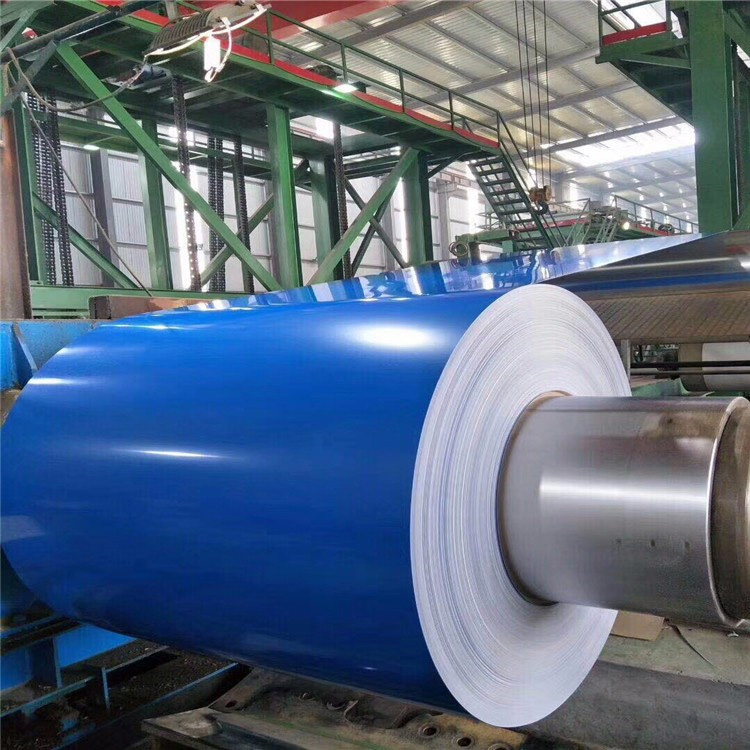
Conversely, flat products present highly lucrative opportunities. Global buyers are pivoting rapidly toward specialized coated steel sourcing. The market actively shifts toward high-value-added products. Demand for galvanized sheets, prepainted coils, hot-rolled coils (HRC), and cold-rolled coils (CRC) continues climbing steadily. Factories upgrade their machinery to produce tighter tolerances.
These specialized materials require intense quality considerations. You often procure coated products for strict regulatory markets. Automotive and appliance manufacturing standards tolerate zero physical defects. Coating thickness, paint adhesion, and tensile strength must meet exact international specifications. Do not compromise on quality merely to secure a cheaper invoice. A single bad coil can halt an entire downstream assembly line.
Evaluating and Selecting a Reliable China Steel Supplier
Mill-Direct vs. Trading Companies
Operational realities dictate your initial sourcing strategy. You must choose between mill-direct purchasing and utilizing trading companies. Buying direct from state-owned or large private mills offers immense price transparency. They provide unmatched production stability. However, they enforce massive minimum order quantities (MOQs). Direct mills rarely entertain custom requests or mixed-batch shipping orders.
Trading companies offer valuable flexibility. They consolidate smaller orders and manage complex logistics for you. However, they introduce a distinct risk profile into your supply chain. Intermediaries sometimes obscure the actual origin mill. Finding a truly reliable China steel supplier requires looking past glossy brochures. You must demand full traceability from your trading partners.
Financial Health and Capacity Viability
Financial health is your next major checkpoint. Industry consolidation is accelerating rapidly across the country. Profit margins remain incredibly narrow for domestic manufacturers. You must assess supplier solvency before transferring any deposits. Request audited financial statements during the vetting phase. Check their credit ratings through international trade agencies. A bankrupt mill simply cannot deliver your cargo, regardless of the signed contract.
Quality Assurance & Verification
Quality assurance demands rigorous independent verification. Never rely solely on a supplier's internal lab reports. Mandate recognized international certifications. Verify their ISO documentation thoroughly. Ensure they comply strictly with specific EN or ASTM standards required by your engineering teams.
Third-party pre-shipment inspections are absolutely necessary. Engage reputable firms like SGS or Bureau Veritas. They must inspect the cargo at the origin port before loading. This physical inspection prevents common bait-and-switch tactics. Unscrupulous sellers might swap premium prime coils for secondary materials at the last minute. Independent verification eliminates this costly threat.
Risk Mitigation in Steel Procurement China
Geopolitical & Tariff Complexities
Successfully navigating steel procurement China requires proactive risk management. Geopolitical complexities top the list of modern threats. International trade barriers shift constantly. You must map out anti-dumping duties (ADD) targeting Chinese exports in your region. Countervailing duties (CVD) also penalize subsidized materials aggressively. These tariffs can instantly double your landed costs. Always consult trade compliance legal experts before importing.
Supply Chain & Logistics Volatility
Supply chain volatility remains a constant headache. Global logistics dictate your actual delivery timelines. You must factor port congestion into your daily procurement planning. Ocean freight rates fluctuate wildly based on seasonal demands and geopolitical conflicts. Blank sailings and vessel shortages create severe lead time extensions. Always build strategic safety stock buffers. Extra inventory absorbs unforeseen transit delays and keeps your production running.
Decarbonization and ESG Compliance
Decarbonization policies actively reshape future supply stability. China strictly enforces new environmental production curbs. They actively track industrial emissions across heavy manufacturing zones. These ESG compliance mandates affect factory output levels directly. Furthermore, Western carbon border taxes target dirty manufacturing. The EU’s Carbon Border Adjustment Mechanism (CBAM) requires strict emissions reporting. Your suppliers must provide accurate carbon data. If they fail, customs will block your imports or levy massive financial penalties.
Strategic Sourcing Framework for the Next 12 Months
Shortlisting Logic
Procurement teams need a structured approach to navigate these varied risks. Establishing a clear shortlisting logic is vital. We recommend using a weighted scorecard for supplier selection. This framework removes emotional bias from your purchasing decisions. It forces teams to evaluate holistic value rather than just unit costs.
Table 2: Strategic Supplier Selection Scorecard
Evaluation Criteria
Weight Factor
Key Metrics Assessed
Price Competitiveness
30%
FOB unit cost, tooling fees, export tax rebate handling.
Port proximity, warehousing conditions, on-time delivery record.
Contracting Best Practices
Contracting best practices protect your working capital. Structuring favorable payment terms is highly critical. Avoid large Telegraphic Transfers (TT) for unverified new partners. Use irrevocable Letters of Credit (L/C) at sight for initial high-volume transactions. This ensures the bank only releases funds upon receiving proper, verified shipping documents.
Optimizing Incoterms requires current freight market visibility. Use Free On Board (FOB) terms if you control competitive ocean freight contracts. Use Cost, Insurance, and Freight (CIF) if the supplier secures better shipping rates. Always verify insurance coverage limits carefully under CIF terms to protect against maritime disasters.
Next-Step Actions
You must take decisive steps to lock in your strategy. Follow these exact actions to execute safe procurement:
Initiate a small pilot order to test communication, logistics, and physical product tolerances.
Execute a comprehensive on-site supplier audit using a localized third-party engineering team.
Negotiate index-linked pricing contracts to protect your budget against sudden raw material price spikes.
Establish clear, enforceable penalty clauses for late deliveries or failed quality inspections.
Conclusion
The current market presents a highly distinct dual nature. Buyers enjoy unprecedented material availability right now. However, you face deeply complex sourcing risks simultaneously. Chasing the absolute lowest unit cost often leads to catastrophic supply failures.
Strategic advantage belongs to cautious, educated buyers. You must prioritize deep supplier diligence above all else. Maintain total compliance visibility regarding trade tariffs and emerging carbon taxes. Implement robust quality control checks before cargo ever leaves the origin port.
Take immediate action to protect your supply lines today. Review your current supplier portfolios against the risk framework outlined above. If your current partners lack financial transparency or ESG compliance, start searching for alternatives immediately. Engage a qualified sourcing auditor to vet your supply chain and secure your production future.
FAQ
Q: How is the domestic property crisis affecting Chinese steel export prices?
A: Lower domestic real estate demand directly causes immense manufacturing overcapacity. Mills must offload surplus inventory to survive financial pressure. This dynamic drives highly competitive export pricing, as factories prioritize volume overseas sales over high domestic profit margins.
Q: What is the safest payment structure when dealing with a new China steel supplier?
A: We strongly recommend using irrevocable Letters of Credit (L/C) at sight for initial high-volume transactions. This structure ensures your bank only releases funds when the supplier provides valid, verified shipping documents, severely limiting your financial exposure.
Q: How can a construction steel buyer protect against anti-dumping duties?
A: You must ensure accurate HS code classification on all customs paperwork. Monitor regional trade policies constantly. Furthermore, source materials only from reputable mills with proven compliance records to avoid sudden retroactive tariff penalties.
Q: What are standard lead times for coated steel sourcing from China?
A: Standard production cycles typically require 30 to 45 days. You must also factor in 30 to 45 days for ocean freight transit times. Therefore, procurement teams need strict 60-90 day planning windows to ensure continuous supply stability.
Shandong Sino Steel Co., Ltd. is a comprehensive company for steel production and trading. Its business includes production, processing, distribution, logistics and import& export of steel.