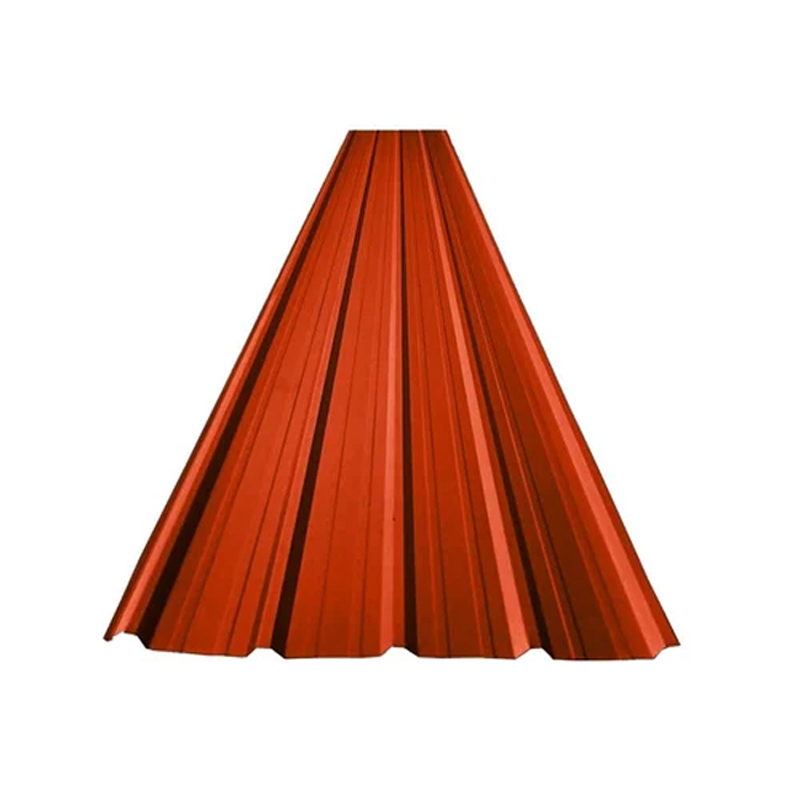
What transforms a flimsy flat material into a rigid structural powerhouse? The answer lies in the simple genius of the corrugated shape. You can define a corrugated sheet as a material formed into alternating ridges and grooves. These continuous folds maximize structural rigidity without adding excess weight. This geometric design allows lightweight materials to span long distances safely.
While corrugation serves as a straightforward engineering principle, execution often fails in the field. Selecting the wrong material, gauge, or profile for commercial builds leads to severe consequences. Structural failures happen quickly. Compliance issues arise during inspections. Poor decisions ultimately inflate project budgets and cause severe delays. You cannot rely on guesswork when specifying these materials.
You need a reliable method to navigate these complex specification choices. This article provides procurement teams, contractors, and engineers with an objective evaluation framework. We will help you evaluate sheet materials and understand profile geometry perfectly. You will also learn how to shortlist reliable suppliers for specific structural use cases.
Key Takeaways
The structural integrity of a corrugated sheet depends equally on its geometric profile (pitch and depth) and its baseline material thickness (gauge).
Applications dictate material choice: steel and aluminum dominate commercial roofing and cladding, while polycarbonate serves daylighting needs, and heavy-duty paperboard serves logistics.
Choosing the right corrugated sheet manufacturer requires verifying load-testing data, coating warranties, and exact dimensional tolerances to avoid on-site installation delays.
The Engineering Behind the Corrugated Sheet Profile
The Science of Corrugation
The folding process changes the physical limits of a material fundamentally. Continuous folding creates a series of flutes or ridges. These shapes increase the tensile strength of the base material significantly. They actively resist bending parallel to the corrugations. Engineers call this increasing the moment of inertia. By pushing material away from the neutral center axis, you multiply its stiffness. A flat piece of steel bends under its own weight. Once corrugated, it supports heavy environmental loads easily.
Deconstructing the Profile
You must understand the specific geometry of a corrugated sheet profile to predict its performance. Every profile features two critical measurements. First, we look at the pitch. Pitch measures the exact distance from the crest of one rib to the crest of the next. The pitch directly impacts water runoff speed and load distribution. A wider pitch handles high-volume rain effectively. Second, we measure the depth. Depth represents the total height of the rib. Deeper profiles generally offer higher spanning capabilities. They can cross wider gaps between structural supports safely.
Performance vs. Flat Sheets
We see a massive strength-to-weight ratio advantage when comparing corrugated panels to flat sheets. Flat sheets require substantial thickness to support weight. This adds unnecessary dead load to a building structure. Corrugation allows buyers to achieve required load capacities using thinner materials. Lighter materials reduce structural framing requirements. They also drop freight expenses and make field handling safer. The geometric shape does the heavy lifting, not the raw mass of the metal.
Evaluating Materials: Metal, Polycarbonate, and Beyond
Material selection dictates how a panel survives its environment. You must match the base chemistry to the local climate. We categorize these materials by their core functions.
Corrugated Metal Sheets
Commercial builds heavily rely on metal for structural integrity. Galvanized and Galvalume steel represent the industry standards for high-load needs. Galvanized steel uses a zinc coating to prevent rust. Galvalume combines zinc and aluminum for superior barrier protection. Both coatings remain necessary to stop oxidation.
Aluminum offers a different set of benefits. It feels exceptionally lightweight. It naturally resists corrosion without specialized coatings. We highly recommend aluminum for coastal environments facing constant salt spray. However, you must evaluate aluminum against its lower impact resistance. Steel handles hail and falling debris much better.
Always source a high-quality corrugated metal sheet when structural failure is not an option.
Polycarbonate and PVC Plastics
You will frequently see polycarbonate and PVC used for daylighting needs. Agricultural structures and large warehouses use these clear or translucent panels. They allow natural sunlight to enter, reducing energy consumption. However, plastics come with distinct trade-offs. You must weigh the benefit of light transmission against UV degradation. Polycarbonate turns yellow and becomes brittle over time if it lacks proper UV-blocking layers. We recommend checking the UV warranty closely.
Industrial Cardboard and Paperboard
Logistics and packaging industries rely on corrugated paperboard heavily. This category satisfies a completely different search intent, focusing on product protection. We differentiate these profiles by their wall structures. Single-wall handles basic retail boxes. Double-wall protects heavy consumer goods during transit. Structural paperboard profiles replace wooden crates in specialized shipping lanes. They reduce shipping weight drastically while absorbing impact shock.
Material Performance Comparison Chart
Material Type
Primary Use Case
Key Advantage
Key Limitation
Galvalume Steel
Commercial Roofing
Excellent rust prevention
Vulnerable to animal confinement off-gassing
Aluminum
Coastal Construction
Immune to salt-spray rust
Lower resistance to hail impact
Polycarbonate
Daylighting Panels
High light transmission
Prone to UV degradation over time
Double-Wall Paperboard
Heavy Logistics
High shock absorption
Fails under heavy moisture exposure
Core Corrugated Sheet Applications by Industry
Commercial and Agricultural Construction
Builders use these panels extensively across large structures. A high-quality corrugated roofing sheet caps warehouses, agricultural barns, and manufacturing factories. Project engineers frame the success criteria strictly. The roof must provide immense wind uplift resistance. It must also handle heavy regional snow load capacities without deflecting.
Beyond roofing, contractors use these panels for wall cladding and siding. Siding serves two critical roles. It acts as an exterior weather barrier against driving rain. It also provides aesthetic modernization for aging facilities. Vertical corrugation sheds water rapidly while creating a clean, industrial look.
Infrastructure and Fencing
Civil engineering relies on the rigid nature of these panels. You will see them used as highway sound barriers. They deflect noise effectively while surviving harsh roadside conditions. Construction crews use them for temporary hoarding around active sites. They also feature prominently in heavy-duty retaining systems. The deep flutes hold back earth and gravel safely during excavation projects.
Logistics and Manufacturing
Manufacturers integrate these profiles directly into their products. You can find diverse corrugated sheet applications in custom shipping containers. Manufacturers also use them as internal structural components in appliances and vehicles. In these scenarios, weight reduction serves as the primary key performance indicator. The corrugated shape maintains necessary stiffness while shedding unnecessary pounds.
Decision Criteria: How to Specify the Right Corrugated Sheets
Specifying materials incorrectly leads to catastrophic job site failures. You must follow a rigid evaluation framework before issuing purchase orders. We break down the specification process into four vital steps.
Determine Gauge and Load Requirements: Match the material thickness to your structural engineering needs. Remember that a lower gauge number means thicker metal. A 22-gauge panel handles much higher loads than a 29-gauge panel. You must factor in live loads, dead loads, and environmental stresses.
Select Coating and Finish Systems: You must evaluate paint systems carefully for metal panels. Silicone Modified Polyester (SMP) finishes offer great value for agricultural builds. Polyvinylidene Fluoride (PVDF) finishes perform better on commercial buildings. PVDF resists fading, chalking, and chemical degradation much longer. Always review transparent assumptions regarding lifespan before choosing.
Calculate Span Capacity: The distance between your structural supports dictates your profile needs. We call these supports purlins on a roof and girts on a wall. Wider spans require deeper flutes. If you choose a shallow profile for a wide span, the panel will sag or collapse under pressure.
Verify Building Code Compliance: Local municipalities enforce strict building codes. You must check local fire ratings and wind uplift codes. Coastal regions demand high-velocity hurricane zone approvals. Demand impact-resistance certifications, such as UL ratings, for all roofing materials.
Reviewing these four steps ensures your corrugated sheets perform exactly as engineered.
Vetting a Corrugated Sheet Manufacturer and Supplier
Quality Assurance and Testing
Do not accept marketing claims at face value. Buyers should demand transparent load tables immediately. A reputable corrugated sheet manufacturer will gladly provide third-party testing certifications. These documents prove the panels perform under simulated wind and weight pressures. They verify that the metal meets strict ASTM standards for yield strength. Without this data, you assume total liability for material failure.
Implementation Considerations
Installation reality often clashes with engineering theory. You must decide between factory custom cutting and standard lengths. We strongly advise against on-site cutting. Field cutting creates jagged edges that rust quickly. It can also void expensive coating warranties if not done perfectly. Factory-cut panels arrive ready to install, though they require longer lead times.
Accessory compatibility also drives project success. Ensure your supplier provides matching fasteners, closure strips, and flashing. These accessories must be engineered specifically for your chosen profile. Using generic foam closures on a custom deep-rib profile guarantees water leaks.
Shortlisting Logic
Procurement teams need next-step actions to finalize suppliers. Base your shortlisting criteria on lead time reliability first. Late deliveries pause entire construction schedules. Next, evaluate their delivery logistics. Ensure they possess the freight capabilities required for oversized, easily damaged sheets. Finally, demand clear warranty terms. Look for straightforward language that does not hide behind excessive exclusions or impossible maintenance clauses.
Conclusion
The right corrugated sheet perfectly balances the geometric strength of the profile with the appropriate material properties. You cannot separate the two. A brilliant profile fails if stamped from inferior steel. High-grade aluminum fails if folded into a shallow, weak geometry. You must match both elements to your specific environmental constraints.
Do not rush the specification phase. Finalize your exact load requirements and wind ratings first. Understand your regional climate hazards, whether that involves coastal salt spray or heavy mountain snow. Once you define these parameters clearly, reach out to your shortlisted manufacturers. Request detailed quotes, technical load tables, and physical material samples. Taking these deliberate steps guarantees a structurally sound and code-compliant installation.
FAQ
Q: What is the difference between a corrugated metal sheet and a standing seam panel?
A: A corrugated sheet features an exposed fastening system where screws penetrate the panel face. It costs less but requires more maintenance. A standing seam panel uses a concealed fastening system. The clips and screws hide beneath interlocked vertical seams. This creates superior weather-tightness and allows thermal expansion, though it costs significantly more to install.
Q: How long does a corrugated roofing sheet typically last?
A: A galvanized steel roof typically lasts 20 to 30 years before significant rusting occurs. A Galvalume roof coated with a premium PVDF paint system can last 40 to 60 years. Longevity depends heavily on the local climate, the specific coating thickness, and regular debris removal. Avoid any manufacturer offering blanket lifetime guarantees without strict conditions.
Q: Can you walk on a corrugated metal roof during installation?
A: Yes, but you must follow strict weight distribution rules. Always step directly over the structural supports (purlins) beneath the panels. Step in the flat valleys of the profile, never on the raised ribs. Walking blindly across thin-gauge panels causes permanent crimping and compromises the structural integrity. Always wear soft-soled shoes and harness equipment.
Q: How do you measure a corrugated sheet profile?
A: You measure the pitch by finding the exact distance from the center of one crest to the center of the adjacent crest. You measure depth from the lowest valley point to the highest crest point. Finally, distinguish between nominal width (total physical width) and coverage width (usable width after panels overlap during installation).
Shandong Sino Steel Co., Ltd. is a comprehensive company for steel production and trading. Its business includes production, processing, distribution, logistics and import& export of steel.