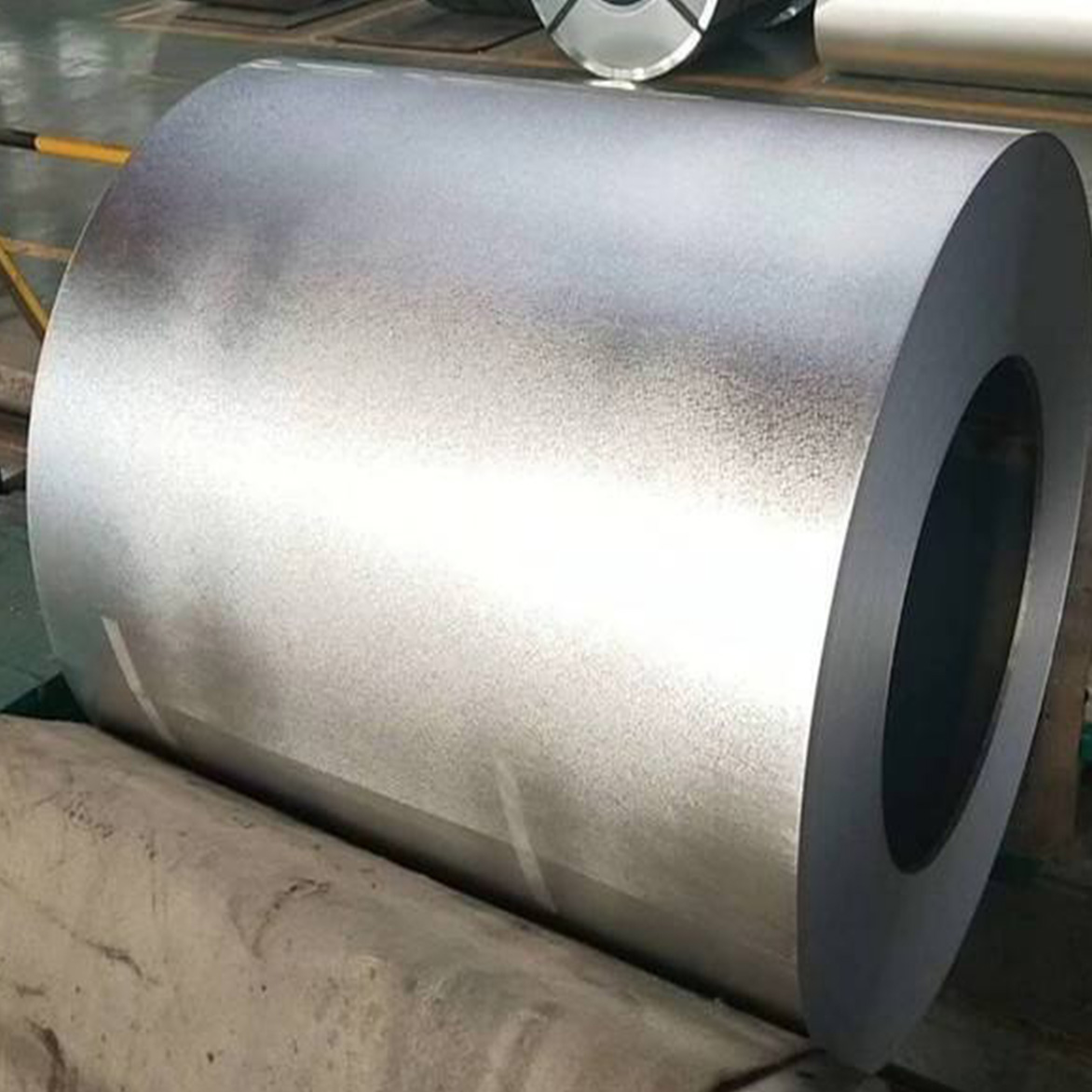
Modern construction projects face severe oxidation and weathering challenges. Builders require materials offering exceptional durability without compromising structural integrity. Historically, specifiers often default to standard galvanized steel out of sheer habit. Unfortunately, this choice risks premature corrosion in demanding climates. Heavy maintenance burdens and frequent replacement cycles quickly follow. Our objective is to provide a clear, evidence-based evaluation of these advanced alloys. We will explore the unique chemical advantages of the Galvalume Steel Coil. You will learn how to identify ideal application environments and avoid common installation pitfalls. Furthermore, we will outline strict procurement criteria to support accurate material specification. By understanding these dynamics, you can ensure lasting performance for commercial and industrial structures.
Key Takeaways
Superior Lifespan: The specific aluminum-zinc-silicon alloy offers up to 2-4 times the lifespan of traditional galvanized steel in similar environments.
Thermal Efficiency: High heat reflectivity significantly reduces building cooling costs, making it a premier construction roofing material.
Risk Mitigation: While highly corrosion-resistant, Galvalume requires strict avoidance of direct contact with wet concrete, treated lumber, and highly alkaline environments.
Specification Standard: Baseline procurement should verify coating weights (e.g., AZ150 steel coil) against regional climate demands.
The Chemical Framework: What Makes an Aluzinc Steel Coil Distinct?
The secret to superior longevity lies in the precise alloy composition. The industry-standard coating consists of 55% aluminum, 43.4% zinc, and 1.6% silicon. Each element performs a highly specific function. The aluminum creates an impermeable barrier against moisture. It blocks corrosive elements from ever reaching the base steel. Meanwhile, the zinc provides vital galvanic protection. Finally, the silicon acts as an essential bonding agent. It ensures the coating adheres firmly to the steel substrate during intense roll-forming operations.
Understanding the corrosion mechanism reveals why this structure excels. When you cut or scratch the panel, the exposed steel becomes vulnerable. Here, the zinc actively sacrifices itself. It oxidizes before the steel can rust, offering self-healing protection at the cut edges. Simultaneously, the aluminum matrix remains intact. It continues providing broad surface shielding across the rest of the panel. This dual-action defense is highly efficient.
This precise ratio establishes a powerful performance baseline. It yields a structurally superior aluzinc steel coil compared to single-element coatings. Traditional galvanized steel relies entirely on zinc. While zinc heals edges well, it depletes much faster across wide surfaces. Pure aluminized steel offers great surface barriers but fails to protect cut edges. By combining both elements, the 55% alloy delivers the ultimate corrosion resistant steel coil. Builders gain long-term barrier protection and crucial edge defense simultaneously.
Core Commercial Advantages for Building Lifecycles
Evaluating building materials requires looking beyond the initial purchase price. These advanced alloys often carry a slight premium over standard G90 galvanized options. However, they drastically reduce replacement and maintenance frequency over the building's life. This long-term durability delivers an exceptional return on investment for property developers.
Thermal efficiency represents a major commercial advantage. These panels feature high thermal reflectivity. The bright surface actively bounces solar radiation away from the structure. Consequently, buildings absorb significantly less heat during peak summer months. This dynamic drastically lowers HVAC loads in commercial and industrial structures. Facility managers often report noticeable reductions in seasonal cooling costs.
We must also evaluate the weight-to-strength ratio. The lightweight nature of the coil reduces overall structural load. You can achieve large-span commercial roofing using lighter support structures. Engineers can specify fewer purlins and a less massive load-bearing framework. This efficiency saves considerable money on structural steel and heavy equipment rentals during installation.
Finally, visual retention matters for modern architectural designs. Traditional zinc coatings darken and weather unevenly over time. They often develop a patchy, dull gray appearance. In contrast, this aluminum-zinc alloy retains a consistent surface spangle. It strongly resists surface darkening. The material maintains a clean, uniform aesthetic for decades, protecting the property's visual appeal.
Galvalume vs. Galvanized: A Decision Matrix for Specifiers
Specifiers must choose between these two popular metals based on environmental realities. Industrial and mild marine environments demand robust protection. Galvalume heavily outperforms galvanized steel in these harsh climates. Galvanized materials degrade rapidly under extreme UV exposure and acid rain. The zinc layer simply washes away too quickly in polluted air.
However, galvanized steel does offer slightly better edge protection. Its higher overall zinc volume heals cut edges more rapidly. If a project requires excessive cutting or heavy fabrication, this self-healing speed helps. Still, the aluminum barrier in the alloy limits overall rust spread much better over decades. The rust may start at an edge, but it struggles to creep beneath the aluminum matrix.
Formability is another critical decision factor. Roll-forming processes apply immense stress to the metal coating. We must assess bend radii carefully. The aluminum-zinc matrix is slightly more brittle than pure zinc. Forming sharp profiles requires wider bend radii to prevent micro-cracking. Galvanized steel handles extremely tight bends and deep drawing processes with fewer surface fractures.
Outcome-based selection prevents costly errors. Use galvanized steel for internal HVAC ducts, hidden flashing, or agricultural framing. Specify the 55% aluminum-zinc alloy for external roofing, architectural wall panels, and high-exposure assets.
Material Performance Comparison Chart
Performance Metric
Aluminum-Zinc Alloy (55%)
Standard Galvanized (G90)
Overall Corrosion Resistance
Excellent (Barrier & Sacrificial)
Moderate (Sacrificial Only)
Cut-Edge Protection
Good
Excellent
Thermal Reflectivity
High (Energy Saving)
Moderate
Formability & Bending
Moderate (Prone to micro-cracking)
High (Highly malleable)
Primary Best Use
Exterior Roofing & Wall Cladding
Internal Ducts & Sub-framing
Primary Applications: Optimizing the Galvalume Roofing Coil
Commercial and industrial builders rely heavily on the galvalume roofing coil. It absolutely dominates the low-slope and standing seam metal roof sectors. These roof designs require long, continuous panels that easily shed standing water. The material resists long-term weathering effortlessly. When combined with concealed fastener systems, the roof becomes nearly impenetrable to wind-driven rain.
Architectural wall panels represent another massive application segment. Pre-engineered metal buildings (PEMBs) utilize these coils extensively. Modern architects leverage the material for striking structural aesthetics. The panels offer incredible structural integrity while maintaining a sleek, industrial look. You will often see them applied as horizontal cladding on contemporary retail spaces and warehouse facilities.
Beyond exterior surfaces, engineers specify this metal for vital structural sub-components. We frequently see it used in steel framing, purlins, and heavy-duty decking. In these hidden areas, moisture exposure is intermittent but highly damaging. Condensation naturally forms inside a building envelope due to temperature fluctuations. Utilizing a premium construction roofing material for hidden sub-frames prevents unseen structural decay.
Implementation Realities: Material Incompatibilities and Risks
Despite its incredible resilience, this alloy has known vulnerabilities. Installers must understand these chemical risks. Failure to do so leads to rapid, catastrophic panel failure.
The Alkaline Threat: You must strictly avoid direct contact with wet concrete or mortar. The highly alkaline nature of cement destroys the aluminum barrier instantly. Documented failure rates are severe when installers embed these panels into wet foundation walls.
Agricultural Limitations: Never use this material in enclosed animal confinement buildings. Animal waste releases concentrated ammonia gas. Ammonia interacts chemically with the coating, causing rapid degradation. Galvanized or heavily painted materials perform better here.
Dissimilar Metals: Galvanic corrosion is a severe and common risk. Do not pair these roof panels with copper piping or lead roof flashing. Furthermore, runoff from chemically treated lumber introduces destructive copper compounds onto the steel surface. Water flowing over dissimilar metals will destroy the coating in months.
Handling Precautions: Proper warehouse storage prevents storage stain, commonly known as white rust. Keep coils perfectly dry and well-ventilated before installation. Capillary action can draw moisture between tightly wound coil layers. If moisture becomes trapped without oxygen, aggressive oxidation begins immediately.
Procurement Checklist: Specifying the Right Galvalume Steel Coil
Buying the correct specification prevents premature failure. Procurement teams should follow a strict technical checklist before issuing purchase orders.
Coating Weight Verification: You must match the coating specification to the local environment. A standard AZ150 steel coil handles most typical exterior construction needs perfectly. However, harsher industrial zones or highly polluted areas often require a thicker AZ180 designation for added security.
Yield Strength & Grade: Align the base metal grade with your specific structural loads. Grade 33 (Structural Quality) works well for standard, highly formable panels. Conversely, Grade 80 is full-hard steel. It provides the necessary high-yield strength for heavy-load floor decking and simple roof profiles.
Surface Treatment Selection: Your downstream roll-forming process dictates the surface treatment. You can choose anti-fingerprint (AFP) acrylic coatings for unpainted, bare applications. AFP protects the metal during handling. Chromated or oiled finishes work better if you plan to send the coil through a continuous painting line.
Supplier Compliance: Demand total transparency from your metallurgical suppliers. Require verified mill test certificates (MTCs) for every single batch. Ensure strict compliance with ASTM A792 standards. This guarantees the factory properly balanced the 55% aluminum ratio.
Conclusion
Specifying these advanced steel coils provides unmatched project value. They perfectly balance thermal efficiency, aesthetic retention, and structural longevity. When applied in the correct environments, the reduction in maintenance frequency easily justifies the initial investment. Builders avoid premature rust and deliver superior structures to their clients.
As a next step, actively audit your specific project environments. Identify any chemical incompatibilities, alkaline threats, or dissimilar metal risks before ordering materials. Then, finalize your coating weight and structural grade specifications. Always partner with trusted metallurgical suppliers to ensure you receive certified, high-grade materials tailored to your precise climate demands.
FAQ
Q: Can Galvalume be painted?
A: Yes, it readily accepts paint. It serves as an excellent substrate for prepainted systems like SMP (Silicone Modified Polyester) or PVDF (Polyvinylidene Fluoride). Paint adds an extra barrier against corrosion and provides diverse aesthetic options. You must ensure the coil receives proper chemical pre-treatment before painting for maximum adhesion.
Q: What is the difference between AZ55 and AZ150?
A: These terms indicate coating weights using different measurement systems. AZ55 is an imperial designation, meaning 0.55 ounces of coating per square foot. AZ150 is the metric equivalent, representing 150 grams of coating per square meter. Both specifications refer to the same level of environmental protection for standard exterior construction.
Q: How long does a Galvalume roof realistically last?
A: Industry averages indicate a lifespan of 40 to 60 years. This longevity depends heavily on the base metal gauge, coating weight, and local environment. In unpolluted, moderate climates, it often outlasts the building itself. Regular inspection and avoiding trapped debris further extend its realistic service life.
Q: Is Galvalume suitable for coastal environments?
A: It performs well in mild marine environments located a few miles inland. However, it is not recommended for severe saltwater spray environments directly on the coast. Heavy salt concentrations rapidly break down the aluminum barrier. For beachfront properties, specialized prepainted aluminum or heavier zinc coatings are safer choices.
Shandong Sino Steel Co., Ltd. is a comprehensive company for steel production and trading. Its business includes production, processing, distribution, logistics and import& export of steel.