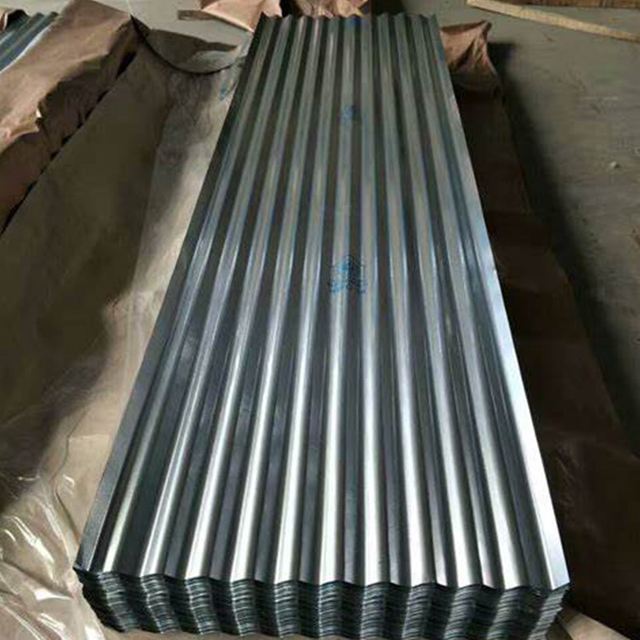
For an industrial building, a roofing sheet profile affects how panels fit the roof layout, connect to supporting structures, and manage rainwater. The right choice depends on the project’s drawings, roof slope, local weather requirements, material and coating specifications, and installation plan. A profile name by itself does not confirm that a sheet is suitable for a particular building.
This guide compares common corrugated, wave, and ribbed profile considerations and outlines the information procurement teams can include in a request for quotation (RFQ). It focuses on matching the roofing sheet to project requirements rather than assuming one design works for every site.
Quick Navigation
Why roofing sheet profiles matter
Wave, rib, and trapezoidal profiles
How to match a profile to an industrial building
Material and coating considerations
What to confirm before ordering
How to evaluate a roofing sheet supplier
Frequently asked questions
Request a project quotation
Why Roofing Sheet Profiles Matter
Industrial roofs can cover warehouses, workshops, manufacturing facilities, storage buildings, and other large-span structures. Their roof plans, support arrangements, drainage paths, and exposure conditions vary. A roofing sheet profile needs to work with those project details and with the specified installation system.
Corrugations and ribs shape the sheet. Depending on the profile geometry and the overall specification, they can affect how the panel spans between supports, how sheets overlap, and how water moves across the roof. These effects cannot be judged from a profile name or photograph alone. The sheet thickness, material properties, support spacing, fixings, roof pitch, and installation details also matter.
For procurement teams, selecting a profile early can help coordinate the roof layout, quantity takeoff, accessory requirements, and supplier quotation. It also makes it easier to compare offers on equivalent specifications. When steel prices and material costs fluctuate, comparing complete project specifications can be more useful than comparing a unit price without context.
Wave, Rib, and Trapezoidal Profiles
Wave or Corrugated Profiles
A wave profile has repeated curved corrugations. Corrugated sheets are used in a range of roofing applications, and the selected product needs to match the building’s layout and installation requirements. For an industrial project, buyers should confirm the effective cover width, side-lap arrangement, sheet length, fixing positions, and compatibility with the roof details.
A corrugated profile may suit a project where the specified sheet form and appearance work with the roof design. However, the word “corrugated” alone does not tell a buyer the panel’s dimensions, load performance, or drainage suitability. Those details should be confirmed against the supplier’s product specification and the project engineer’s requirements.
Ribbed and Trapezoidal Profiles
Ribbed or trapezoidal panels use more angular folds than a rounded wave profile. Their shape may suit roof layouts that call for a distinct rib pattern or a particular panel arrangement. The spacing and height of ribs vary by product, so buyers should request the profile drawing rather than infer dimensions from a general product description.
The project team should also check how the selected panel aligns with purlins, side laps, ridge details, eaves, and roof penetrations. A profile that looks suitable in a catalog may require adjustments to the layout or accessories. If a project specifies a particular profile, confirm that the supplier can provide that profile and its corresponding installation details.
Some suppliers offer additional profile forms, including T-shaped or V-shaped designs. Availability and specifications depend on the product range. Treat these as project-specific options: ask for a drawing, dimensions, and installation guidance, then compare them with the approved roof design.
The Roofing Sheet product category and Color Roofing Sheet category show roofing options that buyers can review when preparing a project specification.
How to Match a Profile to an Industrial Building
Profile selection should begin with the roof design and its constraints. Share the following information with the project engineer and potential suppliers before requesting a quote.
Roof Layout and Support Arrangement
Confirm the roof plan, panel direction, support or purlin layout, and any limits on sheet length or transport. The profile and panel dimensions need to coordinate with the structure. Do not assume a profile is suitable for a particular support spacing without engineering confirmation.
If the building has multiple roof sections, valleys, rooflights, ventilation openings, or other penetrations, include these in the layout review. These areas can affect panel cutting, flashing, and installation details.
Roof Slope and Water Management
Roof pitch, rainfall conditions, panel direction, overlaps, gutters, and installation quality all contribute to water management. A profile should be evaluated as part of the complete roof system. Ask the designer or supplier to confirm the intended side-lap and end-lap details, eaves treatment, ridge treatment, and flashing requirements for the project.
A sheet profile by itself does not guarantee that a roof will be watertight. The approved details and correct installation matter, especially around transitions and penetrations.
Building Use and Exposure
A warehouse, production facility, and coastal storage building may have different project requirements. Consider the building’s operating environment, exposure to moisture or corrosive conditions, maintenance access, and any requirements for appearance or color. These considerations can affect not only the profile choice, but also the material and coating specification.
For buildings near industrial processes, clarify whether the roof may be exposed to chemicals, fumes, or other site-specific conditions. The project team should assess those conditions and specify a suitable product system.
Handling, Installation, and Logistics
Confirm available sheet lengths, packaging requirements, unloading arrangements, and delivery sequence. Long panels may reduce the number of transverse joints in some layouts, but transport and site handling need to be considered. The supplier should confirm what lengths and packaging options are available for the order.
Include installation method and accessory requirements in the review. Fasteners, washers, flashing, ridge pieces, and compatible trim may need to be coordinated with the selected profile and coating.
Material and Coating Considerations
The profile is only one part of the purchase specification. Industrial roofing buyers should also state the required base material, coating, finish, color, dimensions, and applicable project standards.
For example, buyers may compare galvanized, aluminum-zinc-coated, and prepainted roofing options where they are offered for the project. The appropriate choice depends on the environment, design requirements, maintenance plan, and applicable specification. Do not treat coating names as interchangeable or assume that a particular coating is suitable for every exposure condition.
The corrugated galvanized roofing sheet product page is one example to review when comparing corrugated sheet options. Buyers should confirm the product’s current technical data and ensure the listed details match the project requirements before placing an order.
A complete specification can include:
Profile drawing and dimensions
Base metal and coating requirements
Sheet thickness and dimensional tolerances
Color or finish, if applicable
Sheet length and effective cover width
Required standards or inspection documents
Packaging, labeling, and delivery requirements
Where the project has a formal technical specification, share it with the supplier and request written confirmation of compliance or a clear list of deviations.
What to Confirm Before Ordering
A well-prepared RFQ helps suppliers quote on a comparable basis. Provide the project drawings or a clear roof layout, then ask suppliers to confirm the following points:
Profile availability: Does the quoted profile match the required drawing and dimensions?
Material specification: Are the base material, coating, finish, and thickness stated clearly?
Coverage and overlaps: What are the effective cover width and recommended lap details?
Panel dimensions: Can the supplier provide the requested lengths, and are there transport or packaging limits?
Accessories: Are compatible flashings, ridge details, fasteners, and other accessories included or quoted separately?
Quality documentation: What inspection records, test reports, or product documents can be supplied?
Commercial terms: Confirm quotation validity, minimum order quantity if applicable, payment terms, lead time, packaging, and delivery terms.
Order changes: Clarify how drawing revisions, quantity adjustments, or color changes are handled before production.
These questions help purchasing managers and contractors identify gaps before award. They also make it easier to assess the supplier’s ability to support the specification, documentation, and delivery needs of a B2B roofing order.
How to Evaluate a Roofing Sheet Supplier
When comparing a roofing sheet supplier, review more than the quoted price. Check whether the offer identifies the profile, material, coating, dimensions, tolerances, and delivery basis clearly. A quotation that leaves key fields open may be difficult to compare with a fully specified offer.
Ask how the supplier verifies product dimensions and coating requirements, and what quality documents are available for the order. The supplier’s quality control information can help buyers understand the types of checks described, but project-specific acceptance criteria should still be confirmed in writing.
Also assess communication during the quotation process. A responsive supplier should be able to review drawings, flag specification questions, identify exclusions, and explain which product details need confirmation. For an industrial building project, this can help reduce avoidable mismatches between procurement documents and the roof package.
Frequently Asked Questions
Is a wave profile always better for an industrial roof?
No single profile is best for every building. The choice depends on the approved design, support arrangement, roof slope, drainage details, material specification, and installation plan. Confirm profile suitability with the project engineer and supplier.
Does a deeper rib automatically mean a stronger sheet?
Not by itself. Performance depends on the full product design and specification, including material properties, dimensions, thickness, and support conditions. Use verified product data and engineering requirements to evaluate suitability.
Can galvanized and prepainted sheets use the same profile?
A profile may be available in different material or finish options, depending on the product range. Confirm the exact profile, substrate, coating, color, and dimensions with the supplier for each quotation.
What should be included in an RFQ for corrugated roofing sheets?
Include the roof layout or drawings, required profile, material and coating specification, thickness, sheet lengths, quantity, accessories, quality documents, packaging, and delivery destination. Ask the supplier to list exclusions and confirm any specification differences.
Request a Project Quotation
For a project quotation, share the roof drawings or profile requirements, estimated quantities, material and coating specification, sheet lengths, destination, and target delivery schedule. Ask the supplier to confirm profile dimensions, effective cover width, available documentation, and any assumptions in the offer.
To discuss a project-specific requirement, contact the roofing sheet supplier team. Clear drawings and a complete RFQ help the sales and technical teams respond with a more relevant product proposal.