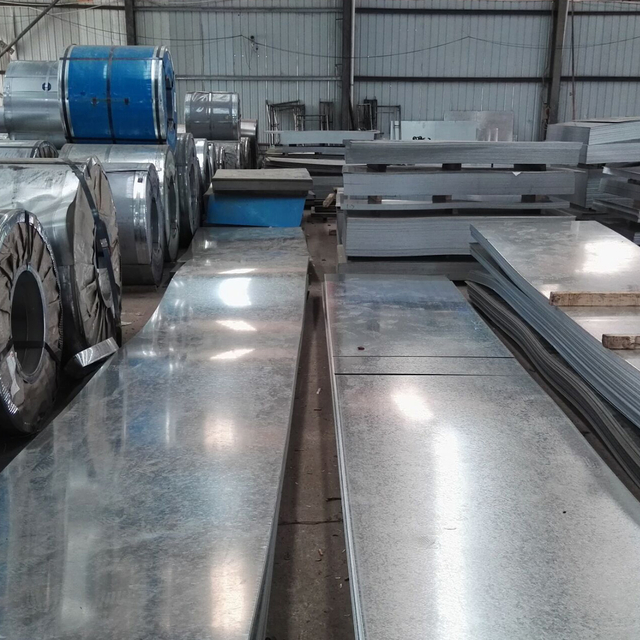
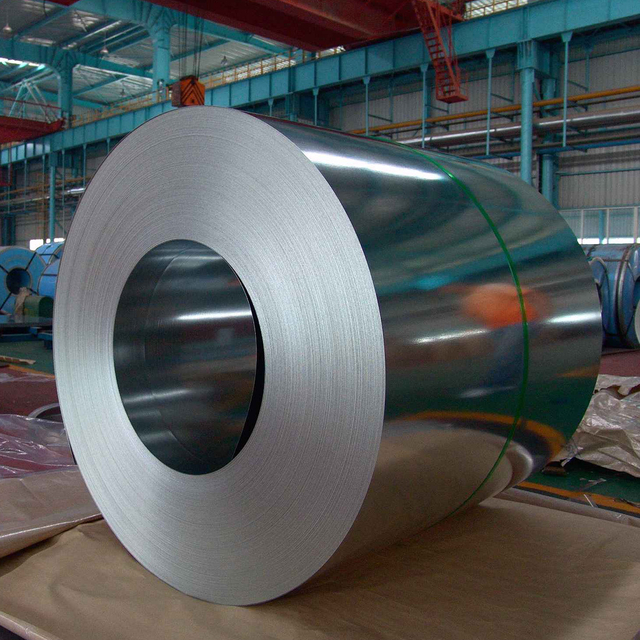
Steel corrodes quickly without protection. How can we extend its life effectively? Steel coatings are the answer.
They protect steel from rust, wear, and harsh environments. These protective systems are widely used in construction, automotive production, and other industries. Buyers can explore different coated steel products based on their required corrosion resistance, appearance, and application.
In this post, you’ll learn about different steel coatings, their uses, and how to choose the right one for your needs.
Key Takeaways
Steel coatings protect metal from corrosion, abrasion, chemicals, heat, and environmental exposure, helping extend product service life.
Organic coatings, including epoxy, polyurethane, acrylic, and powder systems, mainly provide barrier protection and varied surface finishes.
Inorganic coatings, such as zinc and ceramic layers, support sacrificial corrosion protection or resistance to demanding temperatures and chemicals.
Selecting a coating requires comparing exposure conditions, durability, appearance, application method, maintenance needs, and overall project requirements.
Coated steel products—including galvanized, galvalume, and prepainted steel—combine the steel substrate with protective surface layers for construction and industrial applications.
Types of Steel Coatings: An Overview
Classification of steel coatings
Steel coatings generally fall into two broad categories: organic and inorganic. Organic coatings include paints, powder coatings, epoxies, polyurethanes, and acrylics. These coatings are based on carbon-containing compounds that form a protective film on steel surfaces. Inorganic coatings mainly consist of metallic layers such as zinc or ceramic materials that provide barrier protection and sacrificial properties.
Within these categories, coatings can be further classified by their application method, thickness, and chemical composition. For example, galvanized coatings involve applying zinc through hot-dip or electro-galvanizing, while powder coatings are sprayed as dry powders and then cured under heat.
Differences between organic and inorganic coatings
Organic coatings protect steel mainly by forming a physical barrier that prevents moisture and oxygen from reaching the metal. They often offer excellent color options and surface finishes, making them popular for aesthetic and architectural uses. However, organic coatings may degrade under UV exposure or harsh chemicals over time.
Inorganic coatings, like zinc-based layers, protect steel by acting as sacrificial anodes. Zinc corrodes preferentially, sparing the steel underneath. These coatings tend to be more durable against mechanical damage and corrosion but offer fewer color choices. Ceramic coatings provide heat resistance and chemical inertness, ideal for extreme environments.
Factors influencing the choice of steel coatings
Several factors affect which steel coating suits a particular application:
Environment: Corrosive or marine environments need coatings with strong corrosion resistance, such as galvanizing or epoxies.
Durability requirements: High-traffic or mechanical impact areas benefit from thicker or tougher coatings like powder or polyurethane.
Aesthetic needs: Projects requiring specific colors or finishes lean toward organic coatings.
Cost considerations: Some coatings have higher upfront costs but lower maintenance, affecting long-term value.
Application method and speed: On-site or factory application constraints can limit coating choices.
Regulatory and environmental concerns: Low-VOC or environmentally friendly coatings may be required.
Choosing the right coating involves balancing these factors to maximize steel’s lifespan and performance while meeting project goals.
Galvanized Steel Coatings
What is galvanization?
Galvanization is a process that protects steel by coating it with a layer of zinc. This zinc layer acts as a shield against corrosion and rust. When steel is exposed to moisture or air, zinc corrodes first, preserving the steel underneath. This sacrificial protection makes galvanized steel ideal for outdoor and harsh environments. Galvanization extends steel’s lifespan and reduces maintenance costs.
Hot-dip galvanizing vs electro-galvanizing
Two primary methods exist for galvanizing steel: hot-dip galvanizing and electro-galvanizing.
Hot-dip galvanizing involves dipping steel into molten zinc. This creates a thick, durable zinc coating that bonds metallurgically to the steel surface. It offers excellent corrosion resistance and can withstand rough handling and outdoor exposure. The coating tends to be rougher and thicker, often visible as a spangled or matte finish.
Electro-galvanizing uses an electric current to deposit a thinner zinc layer onto steel. This method produces a smoother, more uniform coating with better appearance and paint adhesion. However, the zinc layer is thinner and less resistant to abrasion and corrosion compared to hot-dip galvanizing. Electro-galvanized steel is common in automotive and appliance industries where appearance matters.
Feature
Hot-Dip Galvanizing
Electro-Galvanizing
Zinc Coating Thickness
Thick (45-85 microns)
Thin (5-25 microns)
Durability
High, excellent corrosion protection
Moderate, suitable for mild environments
Surface Finish
Rough, spangled or matte
Smooth, shiny
Cost
Generally lower per unit area
Typically higher per unit area
Typical Uses
Outdoor structures, bridges, poles
Automotive parts, appliances
Benefits and common uses of galvanized steel coatings
Galvanized steel coatings offer many advantages:
Corrosion resistance: Zinc sacrificially protects steel from rust.
Longevity: Coatings last decades in many environments.
Low maintenance: Requires minimal upkeep or repainting.
Versatility: Suitable for construction, infrastructure, automotive, agriculture, and marine applications.
Common uses include roofing sheets, steel pipes, guardrails, street lighting poles, and structural steel in bridges or buildings. Galvanized steel coil performs well in outdoor, wet, or industrial environments where corrosion risk is high.
Powder Coating for Steel
Process of powder coating steel
Powder coating involves applying a dry powder to steel surfaces, then curing it under heat. The process starts by cleaning the steel to remove dirt, oil, or rust. Next, an electrostatic gun sprays fine powder particles onto the steel. These particles carry an electric charge, so they stick evenly to the grounded steel surface. Finally, the coated steel passes through an oven where heat melts and fuses the powder into a smooth, hard finish.
This method creates a thick, uniform coating without drips or runs common in liquid painting. The cured powder forms a durable, protective layer that bonds tightly to steel.
Advantages of powder coatings over liquid paints
Powder coatings offer several benefits compared to traditional liquid paints:
Durability: Powder coatings resist chipping, scratching, and fading better than most liquid paints.
Environmental friendliness: They contain no solvents or volatile organic compounds (VOCs), reducing harmful emissions.
Efficiency: Overspray can be collected and reused, minimizing waste.
Thickness control: Powder coatings can be applied thicker without sagging or running.
Color retention: They maintain vibrant colors longer, even under UV exposure.
Fast curing: The baking process takes less time than drying liquid paints.
These advantages make powder coating a preferred choice for steel products needing long-lasting protection and appealing finishes.
Typical applications and color options
Powder coating suits many steel applications across industries:
Architectural elements: Enhances aesthetic appeal and durability.
Industrial equipment: Protects against chemicals and wear.
Color options are vast, including gloss, matte, satin, metallic, and textured finishes. Custom colors can be mixed to meet branding or design needs.
Tip: Ensure thorough surface cleaning before powder coating to maximize adhesion and coating lifespan.
Epoxy Coatings on Steel
Characteristics of epoxy coatings
Epoxy coatings form a tough, durable layer on steel surfaces. They are made from epoxy resins, which cure into a hard, adhesive film. This film sticks well to steel, providing excellent mechanical strength and chemical resistance. Epoxy coatings can be applied as liquids or powders and cure through a chemical reaction at room or elevated temperatures.
These coatings resist abrasion, impact, and moisture penetration. They also offer good electrical insulation and adhesion to various substrates. Epoxy coatings often have a smooth, glossy finish and can be tinted in different colors to meet aesthetic needs.
Protection against corrosion and chemicals
Epoxy coatings excel at protecting steel from corrosion. They create a dense barrier that blocks water, oxygen, and salts from reaching the metal surface. This barrier prevents rust formation and slows down corrosion processes significantly.
Additionally, epoxy coatings resist many chemicals, including acids, alkalis, solvents, and oils. This chemical resistance makes them ideal for harsh environments where steel encounters aggressive substances. Epoxy coatings also withstand repeated cleaning and exposure to industrial pollutants without degrading.
Use cases in industrial and marine environments
Epoxy coatings are widely used in industries requiring strong corrosion and chemical protection:
Industrial flooring and equipment: Epoxy coatings protect steel machinery, tanks, and pipelines from wear and chemical damage.
Marine applications: Ships, offshore platforms, and docks use epoxy coatings to prevent saltwater corrosion and extend service life.
Water treatment plants: Epoxy coatings resist chemicals and moisture in tanks and pipes.
Automotive and aerospace: Epoxy coatings protect steel components exposed to harsh conditions and chemicals.
Bridges and infrastructure: They provide durable protection against weather, pollution, and deicing salts.
Their versatility and protective qualities make epoxy coatings a top choice for steel exposed to aggressive environments.
Zinc Coatings and Their Variations
Role of zinc in steel protection
Zinc plays a crucial role in protecting steel from corrosion. When applied as a coating, zinc acts as a sacrificial metal. This means zinc corrodes first, preserving the steel beneath. This sacrificial protection prevents rust formation on steel surfaces, even if the coating is scratched or damaged. Zinc coatings form a barrier that blocks moisture and oxygen, two main causes of steel corrosion. This dual action makes zinc coatings highly effective for steel protection in harsh environments.
Types of zinc coatings: zinc-rich primers, sherardizing
There are several types of zinc coatings, each offering unique benefits:
Zinc-rich primers: These coatings contain a high percentage of zinc dust mixed into a binder. When applied, they create a conductive layer that provides cathodic protection similar to galvanizing. Zinc-rich primers are often used as a base layer beneath organic topcoats to enhance corrosion resistance, especially on steel structures exposed to aggressive environments.
Sherardizing: This is a thermal diffusion process where steel parts are heated in the presence of zinc powder inside a sealed rotating drum. Zinc atoms diffuse into the steel surface, forming a thin but dense zinc-iron alloy layer. Sherardized coatings offer excellent corrosion resistance and a uniform finish, often used for small parts like fasteners and hardware.
Other zinc coating methods include electroplating and mechanical plating, each suited for specific applications requiring different thickness or finish qualities.
Durability and maintenance considerations
Zinc coatings provide long-lasting protection but require proper maintenance for optimal performance. Hot-dip galvanized coatings typically last 20 to 50 years depending on the environment. Zinc-rich primers need to be covered by a compatible topcoat to prevent chalking and UV degradation. Sherardized coatings offer durable corrosion resistance, especially in indoor or mild outdoor conditions.
Maintenance involves regular inspections for coating damage or wear. Repairs should use compatible zinc-rich products to restore sacrificial protection. In highly corrosive environments, zinc coatings may eventually degrade and require recoating or replacement.
Choosing the right zinc coating depends on the steel’s intended use, exposure conditions, and maintenance capabilities. Proper application and upkeep maximize zinc coatings' lifespan and steel durability.
For applications requiring an aluminum-zinc alloy coating, galvalume steel coil provides another option. Its coated surface combines the protective characteristics of aluminum and zinc for construction, roofing, cladding, and industrial fabrication.
Polyurethane and Acrylic Steel Coatings
Properties of polyurethane coatings
Polyurethane coatings form a tough, flexible film on steel surfaces. They resist abrasion, impact, and weathering very well. This flexibility lets the coating expand and contract with steel during temperature changes without cracking. Polyurethane coatings also offer excellent UV resistance, preventing color fading and chalking over time. They typically provide a glossy or satin finish that enhances steel aesthetics.
These coatings are chemical resistant, protecting steel from oils, solvents, and mild acids. Their strong adhesion ensures long-lasting protection, even in harsh environments. Polyurethane coatings cure by reacting with moisture or heat, creating a durable cross-linked structure.
Acrylic coatings and their benefits
Acrylic coatings are water-based or solvent-based paints made from acrylic polymers. They dry quickly and provide good color retention and gloss. Acrylic coatings are highly resistant to UV rays, making them ideal for outdoor steel applications. They also resist chalking and cracking, maintaining appearance for years.
Compared to polyurethane, acrylic coatings are easier to apply and clean up. They have lower odor and fewer harmful emissions, making them more environmentally friendly. Acrylics offer good resistance to weather and moderate chemical exposure but may not be as tough against abrasion or impact.
Comparison and typical usage scenarios
Feature
Polyurethane Coatings
Acrylic Coatings
Durability
High; excellent abrasion and chemical resistance
Moderate; good weather and UV resistance
Flexibility
High; resists cracking and peeling
Moderate; less flexible
Application
Requires careful surface prep and controlled conditions
Easier to apply; fast drying
Environmental Impact
Usually solvent-based; some water-based options
Mostly water-based; lower VOCs
Finish Options
Glossy, satin, matte
Glossy, satin
Typical Uses
Industrial equipment, bridges, automotive parts
Outdoor architectural steel, signage, fencing
Polyurethane coatings suit steel exposed to harsh environments needing strong protection and durability. Think bridges, heavy machinery, or automotive parts. Acrylic coatings fit projects prioritizing appearance, easy application, and UV resistance, like outdoor architectural elements or decorative steelwork.
When these protective finishes are applied during factory production, they can become part of a complete prepainted steel system. Such products combine a steel substrate, metallic coating, primer, and finish coating to provide both corrosion protection and a decorative surface.
Specialty Steel Coatings
Ceramic coatings for heat resistance
Ceramic coatings provide excellent heat resistance for steel surfaces exposed to high temperatures. These coatings are made from inorganic materials like silicon carbide or aluminum oxide. They form a hard, thin layer that protects steel from thermal damage, oxidation, and wear. Ceramic coatings can withstand temperatures above 1000°C, making them ideal for furnace parts, exhaust systems, and turbine components.
Besides heat resistance, ceramic coatings also offer chemical inertness. They resist corrosion from acids, alkalis, and other harsh chemicals. Their low thermal conductivity helps reduce heat transfer, improving energy efficiency in some applications.
Anti-fingerprint and anti-graffiti coatings
Anti-fingerprint coatings help keep steel surfaces clean by repelling oils and dirt from human touch. They create a smooth, slippery surface that reduces fingerprint marks and smudges. These coatings are popular for stainless steel appliances, elevator panels, and public fixtures where appearance matters.
Anti-graffiti coatings protect steel from paint, markers, or stickers. They form a non-stick surface that allows easy removal of graffiti without damaging the steel underneath. These coatings are used on urban infrastructure, public transportation vehicles, and building facades to reduce maintenance costs and preserve aesthetics.
Both types of coatings often have transparent finishes, preserving the steel’s natural look or existing paint colors. They improve cleanliness and reduce cleaning frequency in high-touch or vandalism-prone areas.
Innovations in nanotechnology coatings for steel
Nanotechnology has introduced advanced coatings that improve steel protection at the microscopic level. Nanocoatings contain particles sized in nanometers, which create ultra-thin, highly uniform layers. These coatings enhance corrosion resistance, hardness, and surface smoothness beyond traditional options.
Som
e nanocoatings offer self-healing properties. They can repair minor scratches or damages automatically by redistributing coating materials. Others provide superhydrophobic surfaces, causing water and dirt to bead and roll off easily. This reduces corrosion risk and cleaning needs.
Nanotechnology also enables multifunctional coatings combining corrosion resistance, anti-fingerprint, and anti-microbial properties. These innovations suit medical equipment, electronics, and high-performance industrial steel parts.
Conclusion
Steel coatings vary widely, including organic types like epoxy and polyurethane, and inorganic ones such as galvanized and ceramic coatings. Selecting the right coating depends on environment, durability, aesthetics, and cost. Future trends focus on advanced nanotechnology and specialty coatings offering enhanced protection and self-healing properties.
For buyers applying these principles to material selection, Shandong Sino Steel offers galvanized, galvalume, prepainted, and other coated steel products for construction and industrial applications. Comparing the steel substrate, metallic coating, surface finish, and intended environment can help identify a suitable product for each project.
FAQ
Q: What are steel coatings and why are they important?
A: Steel coatings are protective layers applied to steel surfaces to prevent corrosion, enhance durability, and improve appearance. They extend steel’s lifespan by shielding it from moisture, chemicals, and environmental damage.
Q: How do organic and inorganic steel coatings differ?
A: Organic coatings form a physical barrier using paints or epoxies, offering color options but less durability. Inorganic coatings, like zinc layers, provide sacrificial protection and superior corrosion resistance but fewer color choices.
Q: What factors influence the choice of steel coatings?
A: Environment, durability needs, aesthetic preferences, cost, application methods, and environmental regulations all affect which steel coatings are most suitable for a project.
Q: How does galvanizing protect steel?
A: Galvanizing coats steel with zinc, which corrodes sacrificially to protect the steel underneath, making it ideal for outdoor and harsh conditions.
Q: What are the benefits of powder coatings on steel?
A: Powder coatings offer durable, thick, and environmentally friendly protection with excellent color retention and resistance to chipping and fading.
Shandong Sino Steel Co., Ltd. is a comprehensive company for steel production and trading. Its business includes production, processing, distribution, logistics and import& export of steel.