Choosing galvanized steel sheet for fabrication involves more than selecting a grade or thickness from a supplier’s catalog. The material needs to work with the part design, forming or cutting process, required surface appearance, and service environment. A mismatch can lead to processing problems, avoidable scrap, or differences between the delivered material and the purchase specification.
For B2B buyers, fabricators, and project procurement teams, the goal is to give suppliers enough information to quote comparable material. This guide explains how to review grade, thickness, and surface requirements, and what to include in a request for quotation (RFQ).
Quick Navigation
Why Grade, Thickness, and Surface Must Be Reviewed Together
How to Select the Right Grade for Fabrication
Why Sheet Thickness Must Match the Part and Process
How to Specify the Galvanized Surface
Coordinate Material Specifications With Fabrication
What Buyers Should Include in an RFQ
How to Evaluate a Galvanized Steel Sheet Supplier
Frequently Asked Questions
Discuss Your Sheet Requirements
Why Grade, Thickness, and Surface Must Be Reviewed Together
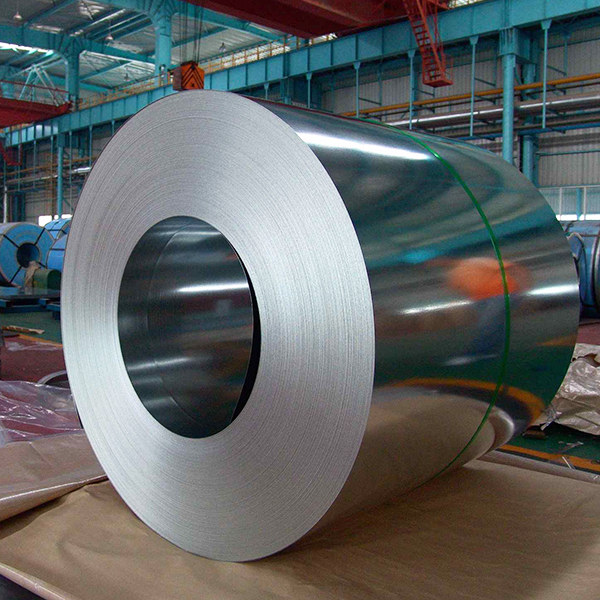
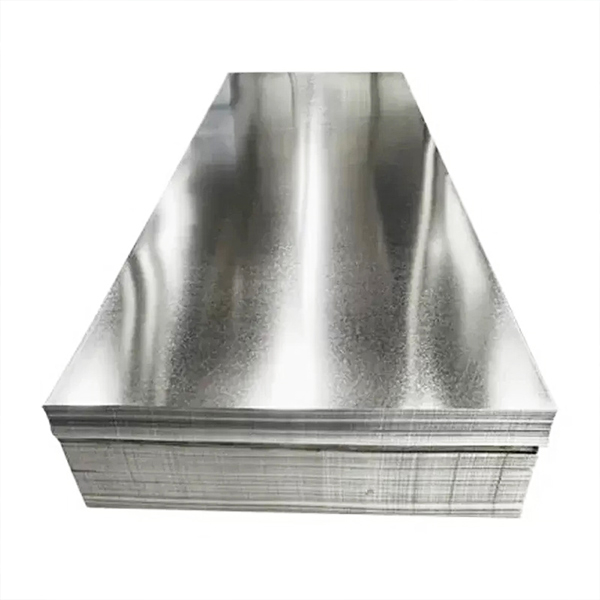
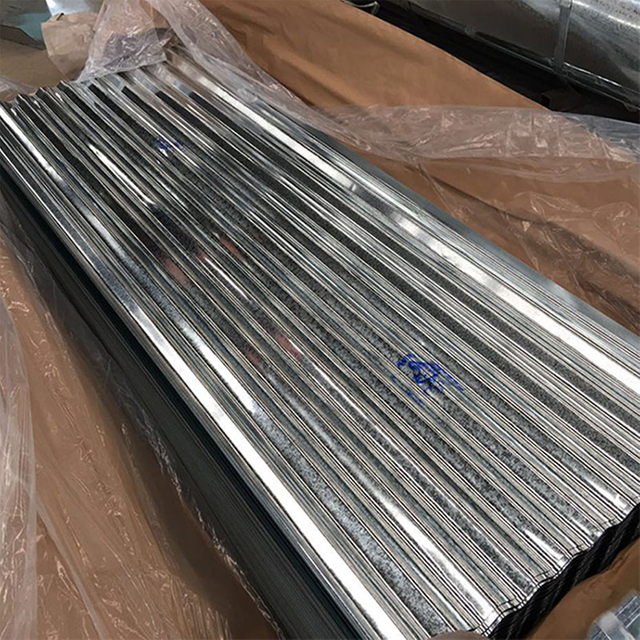
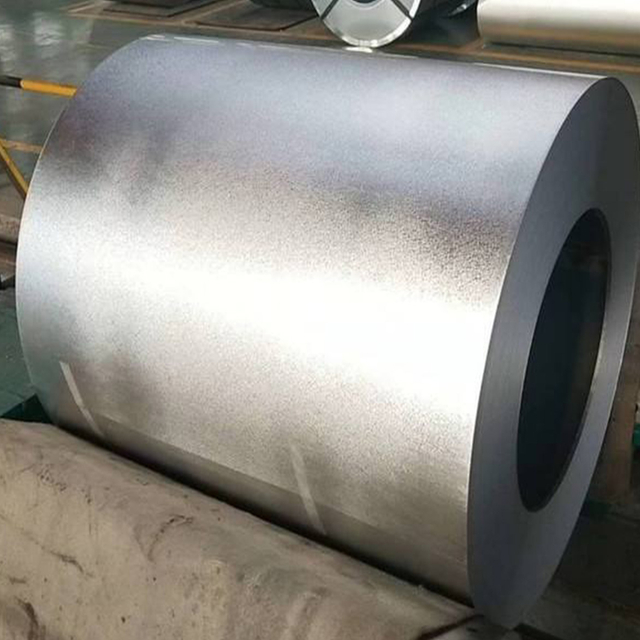
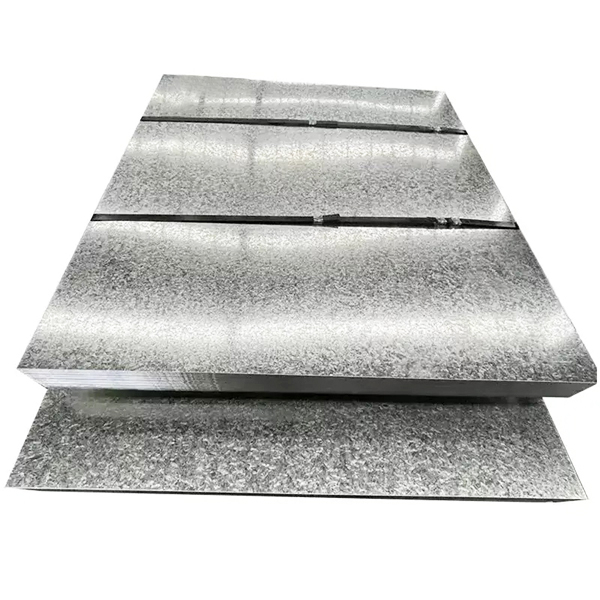
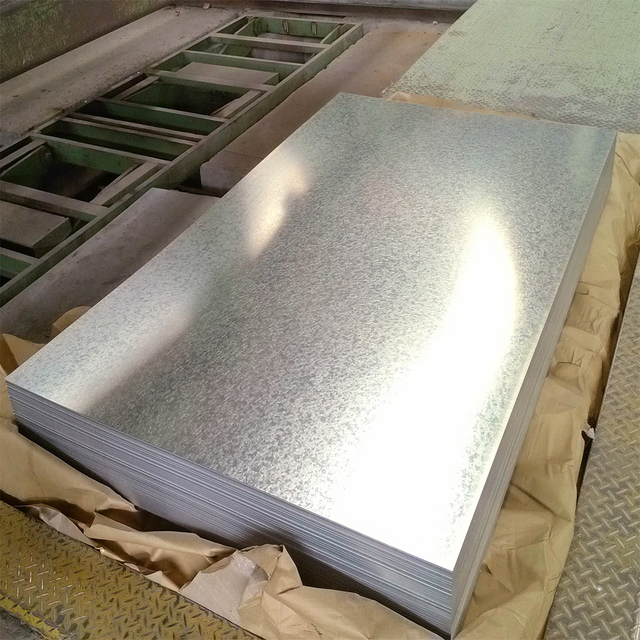
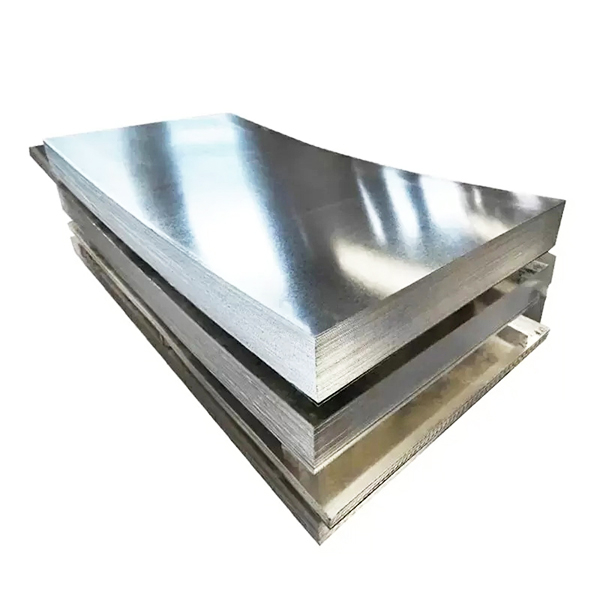
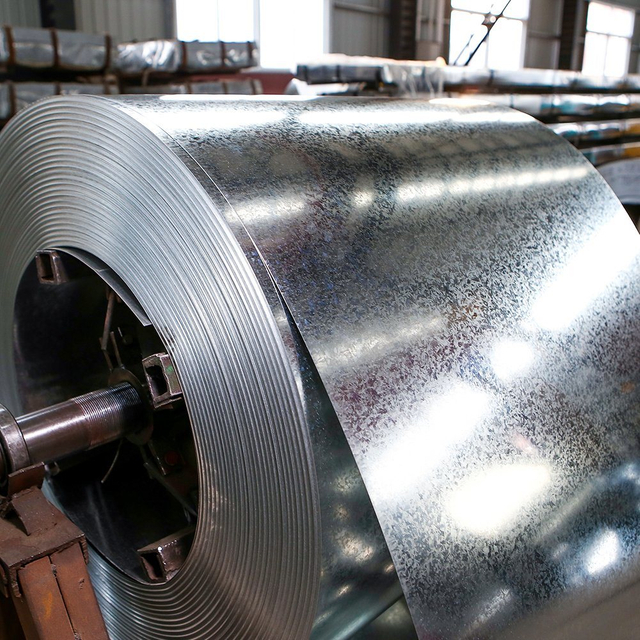
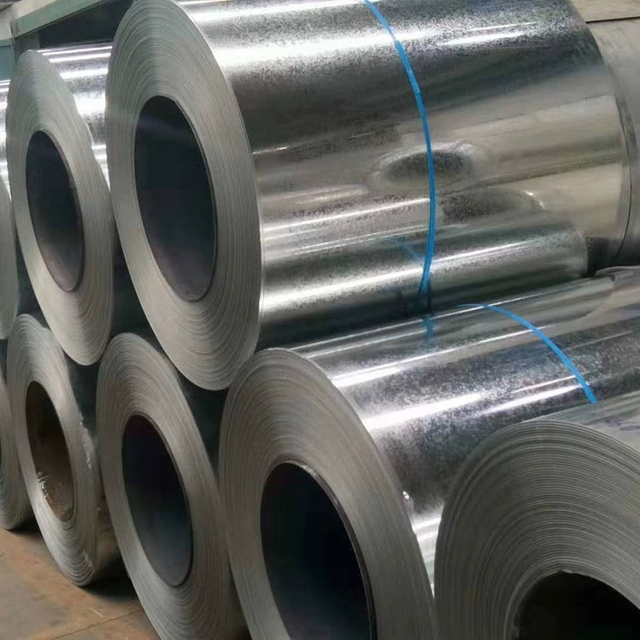
Galvanized steel sheet consists of a steel substrate with a zinc coating. For fabrication, the substrate grade affects how the material behaves during forming, while thickness influences the dimensions and performance of the finished part. Surface condition and coating requirements can matter during handling, storage, painting, or other downstream operations.
These requirements interact. A grade that suits a simple cut-and-bend part may not be appropriate for a component with more demanding drawing operations. A thickness selected only by comparing finished part dimensions may not account for the forming process or design requirements. A surface finish that looks acceptable in a sample may also need further checks for a painted or visible component.
For procurement teams, it helps to evaluate the material against the complete production route: incoming inspection, blanking or cutting, forming, joining, finishing, and final use. If steel market prices or input costs shift, comparing complete specifications also helps prevent a low unit price from masking differences in grade, coating, surface, or tolerances.
How to Select the Right Grade for Fabrication
Start by describing how the sheet will be processed. Is the part cut and bent, roll-formed, stamped, or drawn into a more complex shape? The supplier needs this information to recommend a grade that matches the fabrication requirements. The project engineer or material specification should determine the final selection.
Galvanized sheet listings may include grades such as DX51D, DX52D, and DX54D. These designations are often presented in supplier materials in connection with general forming, deep drawing, or more demanding drawing requirements. The exact grade, governing standard, and mechanical properties should be confirmed on the product data sheet and purchase documents. Do not assume that similarly named grades under different standards are interchangeable.
Fabrication requirement | What to confirm with the supplier |
Cutting and simple bending | Grade, thickness tolerance, bend requirements, and edge condition |
Roll forming or repeated bending | Grade consistency, surface condition, and compatibility with the forming line |
Stamping or drawing | Specified grade, mechanical-property range, and forming data required by the design |
Visible finished parts | Surface appearance, spangle preference, handling protection, and coating compatibility |
Parts with joining operations | Grade and coating details, plus process requirements from the fabricator |
The galvanized steel sheet category lists several sheet products, including multi-grade and DX51D options. Buyers can use it to review the product range, then confirm the precise grade and standard for their application.
If a project requires a particular forming grade, state it directly in the RFQ instead of asking for “standard galvanized sheet.” Also provide the part drawing or a short description of the forming operation where commercially appropriate. This gives the supplier useful context and makes it easier to flag any specification questions before production.
Why Sheet Thickness Must Match the Part and Process
Thickness selection should follow the part drawing, engineering requirements, and fabrication process. There is no universal thickness that works for every bracket, enclosure, panel, duct, or appliance component. The finished part’s dimensions and intended use are important, but so are forming geometry, tolerances, joining method, and any requirements for stiffness or fit.
When comparing quotations, check how the thickness is specified. Confirm whether the requirement applies to the steel substrate, the coated product, or another measurement basis defined by the project documents. Also clarify the permitted thickness tolerance and how it will be verified. A specification that says only “about this thick” can lead to inconsistent quotations and receiving disputes.
For parts made on automated equipment, thickness consistency may affect tooling setup and production repeatability. For projects with multiple components or production batches, buyers can request the supplier’s available tolerance information and agree on the applicable acceptance criteria before placing an order.
Avoid choosing a thinner or thicker sheet based only on a price comparison. A change in thickness can affect material use, forming behavior, part dimensions, and downstream assembly. If a substitution is proposed, have the responsible engineering or quality team review it before approval.
How to Specify the Galvanized Surface
“Galvanized finish” can refer to several surface characteristics and treatments. Buyers should state what matters to the application instead of relying on a broad finish description.
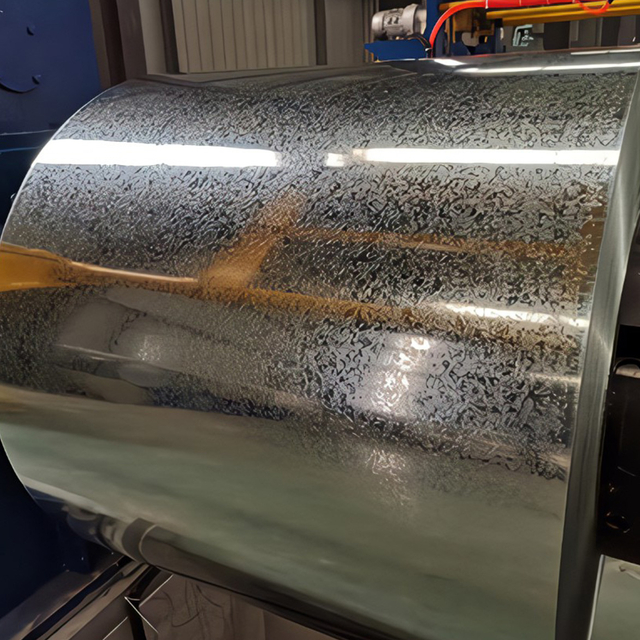
Depending on the product, surface options may include regular or minimized spangle, passivated or non-passivated material, and oiled or dry surfaces. Availability varies by product and supplier, so confirm the choices for the specific grade and thickness being quoted.
Consider the following points:
Appearance: If the sheet will remain visible, specify the acceptable surface appearance and whether a consistent finish is required across the order.
Further coating: If the part will be painted or otherwise coated, confirm surface preparation and coating compatibility with the supplier and finishing team.
Forming and handling: Describe any process or storage requirements that affect oiling, protection, or cleanliness.
Corrosion protection: State the required coating specification and applicable standard. Do not rely on a general phrase such as “heavy zinc coating” without an agreed measurable requirement.
Inspection: Define how surface condition, coating, and dimensions will be reviewed on delivery.
A sample or reference image can help explain appearance expectations, but it should not replace the written specification. If color, gloss, coating weight, spangle, or surface treatment is important, record it in the approved documents.
Coordinate Material Specifications With Fabrication
A galvanized sheet purchase should be reviewed against the downstream operation, not just the incoming material description. Cutting, forming, welding, painting, and assembly can place different demands on the sheet and coating. The production team should identify any process limits or handling rules that suppliers need to know.
For example, a highly visible component may need a surface specification that supports consistent appearance after forming. A component that will be painted may require agreed preparation and coating compatibility. Where welding or other heat-based joining is involved, the fabricator should confirm its process and applicable safety controls for working with coated steel.
Packaging and delivery condition matter too. Ask how the sheets will be protected during transit and storage, and specify any labeling or batch identification needed for receiving inspection. For ongoing orders, buyers may also want to agree on document retention, traceability, and how changes to the specification will be approved.
What Buyers Should Include in an RFQ
A clear RFQ helps a galvanized steel sheet supplier prepare a more accurate offer. Include the information that defines the material and the purchase conditions:
Product form: Sheet, cut-to-length material, or another requested form.
Grade and standard: State the exact designation and governing standard.
Dimensions: Specify thickness, width, length, and tolerances.
Coating: Identify the required zinc coating designation or coating specification.
Surface requirements: State spangle, oiling, passivation, appearance, or other relevant finish conditions.
Fabrication details: Describe bending, stamping, roll forming, cutting, joining, or finishing requirements that may affect material selection.
Quantity and delivery: Provide order quantity, delivery destination, packaging needs, and target schedule.
Quality documents: Identify inspection records, certificates, or test documents required for the project.
Commercial terms: Ask the supplier to state quotation validity, minimum order quantity if applicable, payment terms, and delivery basis.
Exceptions: Request a written list of any differences between the offer and the RFQ.
This checklist supports apples-to-apples supplier comparison. It also gives procurement, engineering, and quality teams a shared basis for reviewing substitutions or specification questions before order confirmation.
How to Evaluate a Galvanized Steel Sheet Supplier
When comparing a galvanized steel sheet supplier, review whether the quotation identifies the grade, standard, dimensions, coating, surface, tolerances, packaging, and delivery terms. A low price is difficult to assess if important specification details are missing or differ from other offers.
Ask how the supplier handles document review and product inspection. For a project order, confirm which documents can accompany the shipment and how the supplied batch will be identified. Sino Steel’s quality control information can help buyers review the site’s stated quality-control approach; project-specific inspection and acceptance requirements should still be agreed in writing.
Communication during the quotation process is another useful indicator. A responsive supplier should be able to identify incomplete information, confirm available options, and clarify exclusions. For custom or repeat orders, buyers can also discuss how the supplier will record approved specifications and manage changes between purchase orders.
To learn more about the company behind the product range, visit Sino Steel’s company profile. Buyers can also review the multi-grade hot-dipped galvanized sheet as one product reference, then confirm current specifications and availability directly with the sales team.
Frequently Asked Questions
Which galvanized steel grade is suitable for fabrication?
The suitable grade depends on the part design and process. Simple bending, roll forming, stamping, and drawing may call for different material properties. Specify the required standard and confirm the grade with the project engineer and supplier.
How do I choose galvanized sheet thickness?
Use the approved drawing and engineering requirements as the basis. Confirm the measurement basis, tolerance, and any process requirements with the supplier. Avoid selecting thickness by price alone.
What surface finish should I specify?
State the required appearance and any downstream operations, such as painting or forming. Confirm available spangle, oiling, passivation, or other surface options for the exact product being quoted.
Provide the grade, standard, dimensions, coating, surface requirements, quantity, delivery details, and fabrication context. Include drawings or a project specification when available, and ask the supplier to list exceptions.
Discuss Your Sheet Requirements
Before requesting a project quotation, prepare the grade and standard, required dimensions, coating and surface requirements, quantity, and delivery destination. If the sheet will be used in a specific fabrication process, include that information so the sales team can review the request with the relevant product details.
For a project-specific inquiry, contact Sino Steel’s sales team with your RFQ or material specification.