Choosing between galvanized steel and stainless steel is rarely just a debate about rust resistance. It is a high-stakes decision balancing budget, fabrication safety, and operational liability. Every engineering project demands extreme precision to succeed. Selecting the wrong metal often leads to disastrous field failures. It can quickly create toxic welding environments. Material budgets might even inflate by 400% without delivering measurable returns. You need reliable facts to avoid these structural pitfalls. Misapplications frequently trigger massive replacement liabilities for construction and manufacturing firms. We understand these engineering pressures perfectly. This guide breaks down the true metallurgical realities, cost-to-performance ratios, and machining constraints of both metals. You will learn exactly how to match the right material to your specific environment. We explore strength metrics, corrosion thresholds, and real-world fabrication risks in detail. This information empowers procurement teams and engineers to finalize their bill of materials with complete confidence.
Key Takeaways
Protection Mechanism: Galvanized steel relies on a sacrificial zinc coating that eventually depletes; stainless steel utilizes a self-healing chromium oxide passivation layer.
Cost Discrepancy: Stainless steel typically costs 4 to 5 times more than galvanized steel, making it overkill for non-corrosive or temporary structural applications.
Fabrication Hazards: Welding galvanized material releases toxic zinc oxide gases and requires post-weld recoating. Stainless steel is prone to "galling" (cold welding) during friction.
Strength Metrics: Stainless steel generally offers significantly higher tensile strength (515–1300 MPa) compared to standard hot-dip galvanized variants (typically ~300-400 MPa).
The Metallurgical Core: Sacrificial Coating vs. Alloyed Passivation
Understanding how each metal defends itself is critical. They use entirely different chemical strategies to combat oxidation.
Galvanized Steel (The Shield)
Manufacturers create galvanized steel by dipping carbon steel into molten zinc. This hot-dip process occurs at extremely high temperatures, usually around 840°F. The extreme heat forms a tight metallurgical bond between the steel and the zinc. It operates purely on a "sacrificial" model. The zinc physically oxidizes to protect the underlying carbon steel base. It acts as a dedicated bodyguard. The zinc layer can survive minor surface scratches effectively. However, it has a finite lifespan. The protection lasts only as long as the coating thickness permits. Once the environment consumes the zinc, the bare steel will rust rapidly.
Best Practice: Always specify the exact zinc coating thickness (measured in ounces per square foot) based on the expected atmospheric exposure of your project.
Stainless Steel (The Integral Defender)
Stainless steel operates on a completely different level. It is not a coated metal. It is a highly engineered alloy. The mixture contains at least 10.5% chromium. Many 300-series variations also include nickel and molybdenum. This unique chemistry forms a microscopic, self-repairing "passivation layer" of chromium oxide across the surface. If you scratch stainless steel, oxygen reacts with the exposed chromium. The protective layer instantly heals itself. Furthermore, manufacturers rely heavily on recycled scrap metal in the electric arc furnace (EAF) process. This recycling loop makes stainless steel a highly ESG-friendly material choice for modern green building initiatives.
Material Property Comparison Chart
Feature | Galvanized Steel | Stainless Steel |
Protection Method | Sacrificial zinc coating | Internal chromium oxide layer |
Recycling Impact | Recyclable, but zinc fumes complicate melting | Highly recyclable via EAF process |
Scratch Response | Zinc corrodes first to protect steel | Passivation layer self-heals instantly |
Lifespan Limit | Finite (based on coating thickness) | Indefinite (in proper environments) |
Environmental Resistance & Structural Strength Benchmarks
No metal survives every environment. You must match the alloy to the specific atmospheric threats.
Corrosion Thresholds and Failure Points
Marine environments brutally test metal durability. Galvanized steel degrades rapidly around saltwater. The salt actively strips away the sacrificial zinc layer. Stainless steel handles cold saltwater quite well. However, high-temperature tropical seawater changes the rules entirely. Warm seawater can accelerate corrosion by up to 10x compared to cold fresh water. This massive acceleration happens due to unique biological factors. Microorganisms in warm seawater actively consume iron. They combine with aggressive chloride attacks to break down the passivation layer.
Neither metal is completely invincible. Both have specific chemical weaknesses. You must account for chlorine exposure. The 300-series stainless steel is highly susceptible to rapid degradation in heavily chlorinated environments. Indoor swimming pools are notorious for destroying 304 stainless steel. The trapped chlorine gas attacks the microscopic chromium barrier. This chemical attack causes rapid pitting and structural failure.
Tensile Strength and Material Thickness
We must look closely at the physical data. Stainless steel yields extreme tensile strength. The ratings generally fall between 75 and 90 ksi (515–1300 MPa). Standard hot-dip galvanized steel tops out much lower. It usually provides a tensile strength of just 38 to 50 ksi. This data reveals a massive performance gap.
However, engineers face a distinct reality check during structural design. Standard, unalloyed carbon steel is naturally very rigid. To achieve the exact same rigidity using an alloyed metal, you must adjust your dimensions. Stainless steel components often require thicker material specifications to match the stiffness of standard structural carbon steel. You cannot simply swap them one-for-one without recalculating load-bearing deflections.
Machining, Welding, and Fabrication Realities
The differences between these metals become obvious on the fabrication floor. Processing methods vary wildly depending on your selection.
Processing Raw Formats
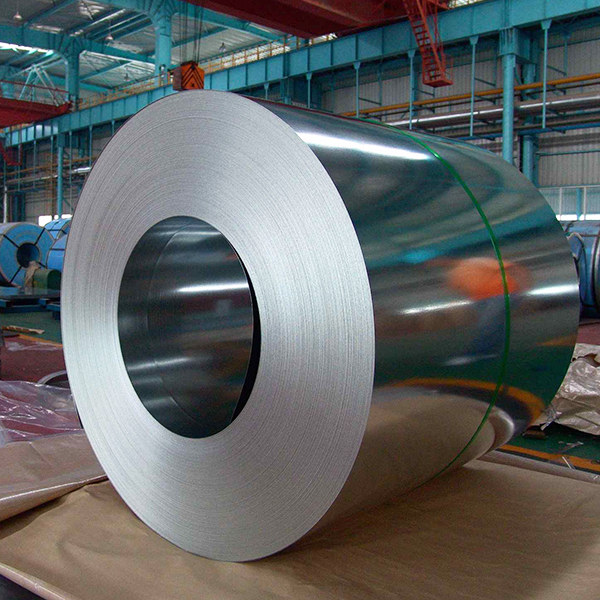
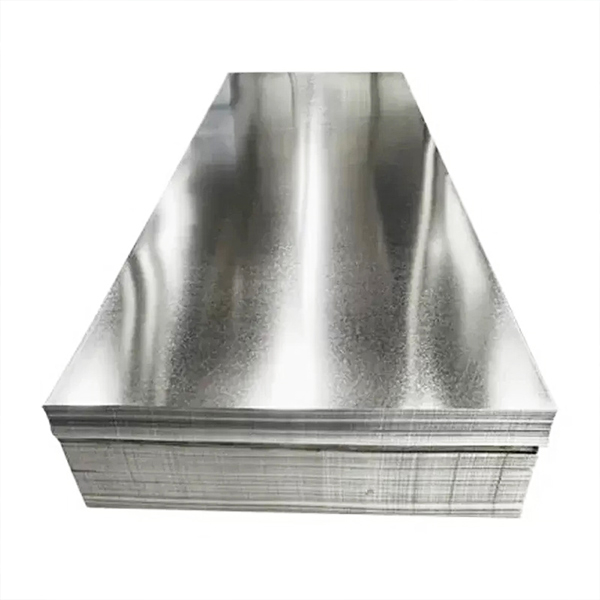
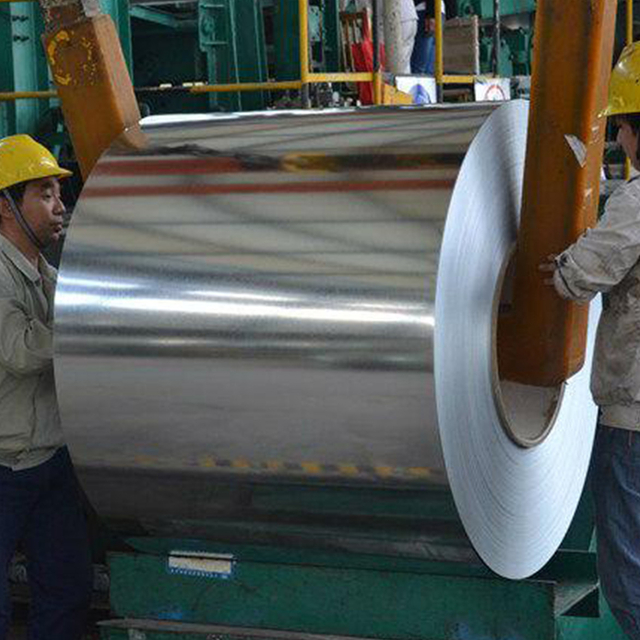
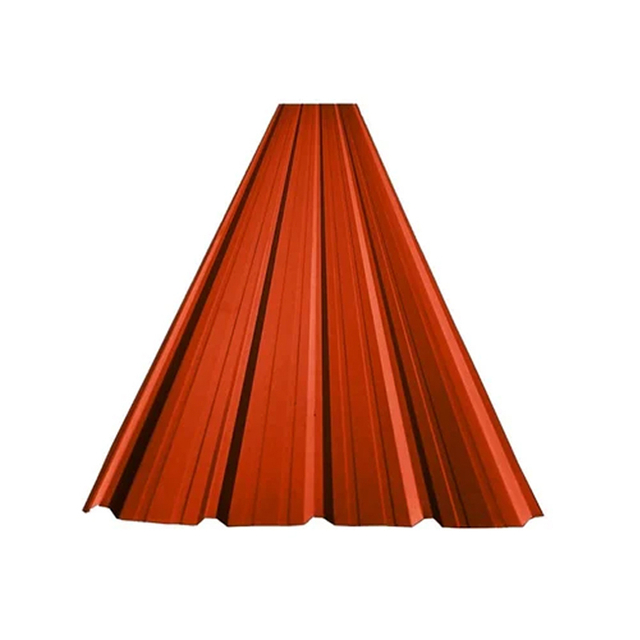
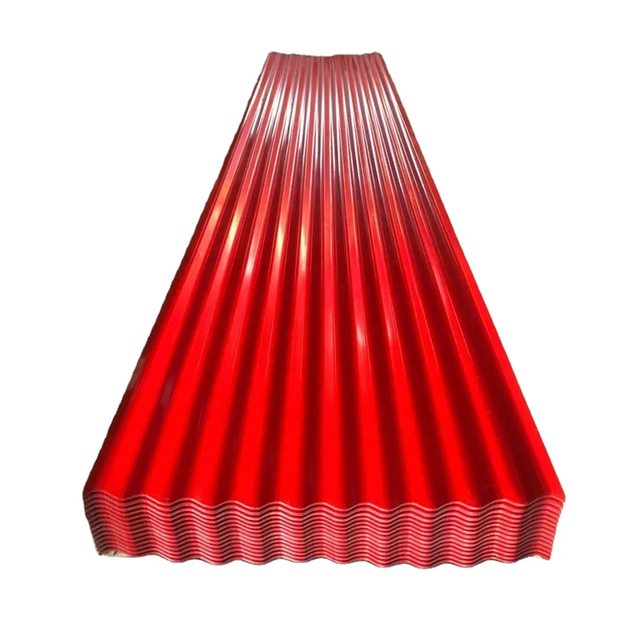
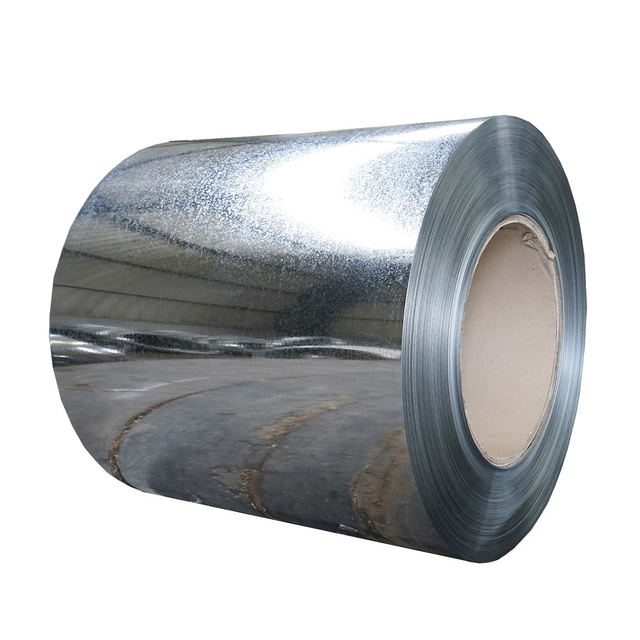
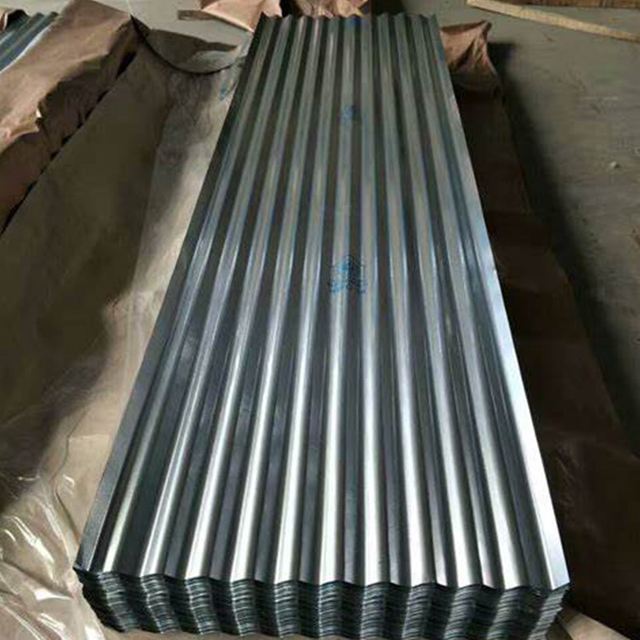
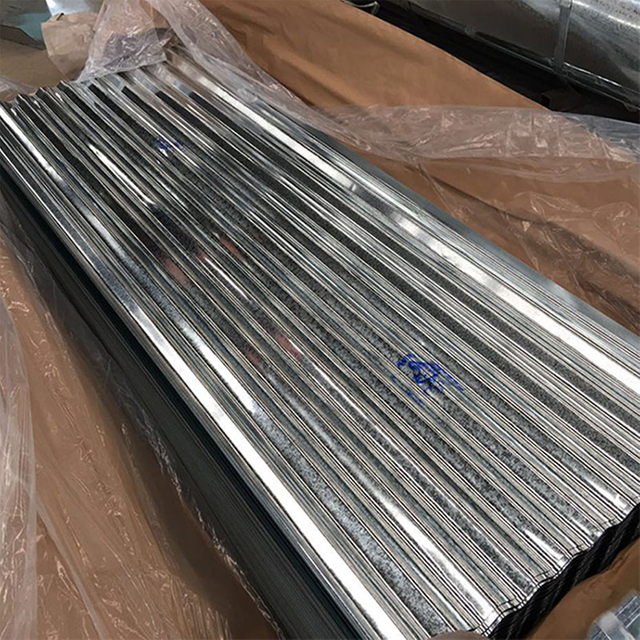
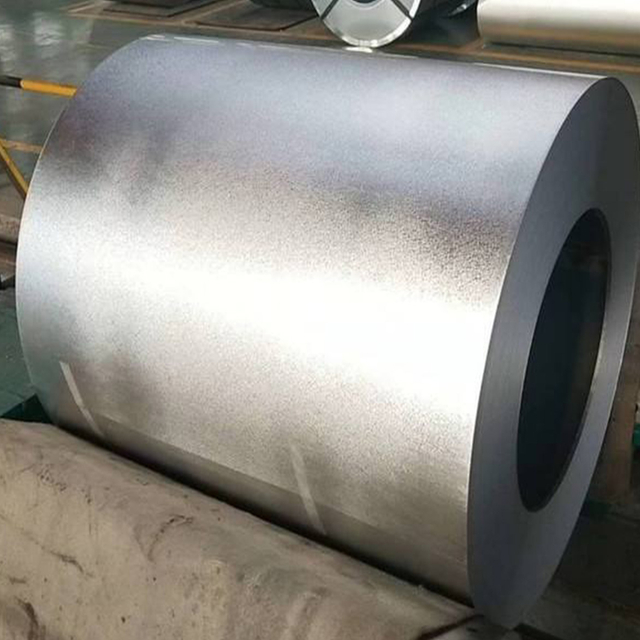
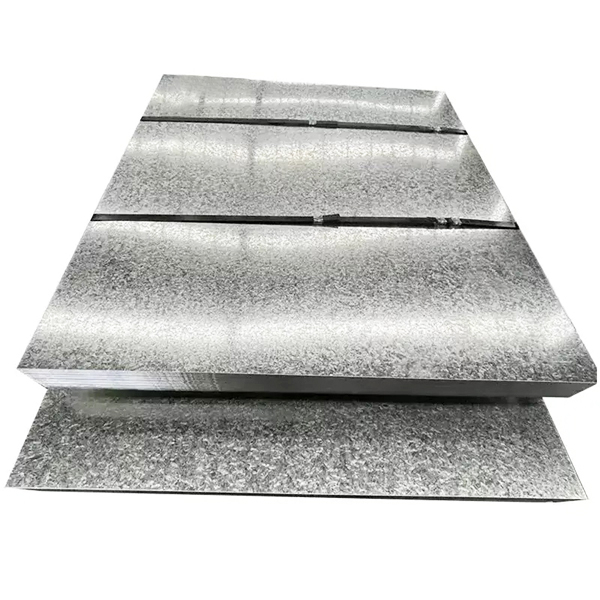
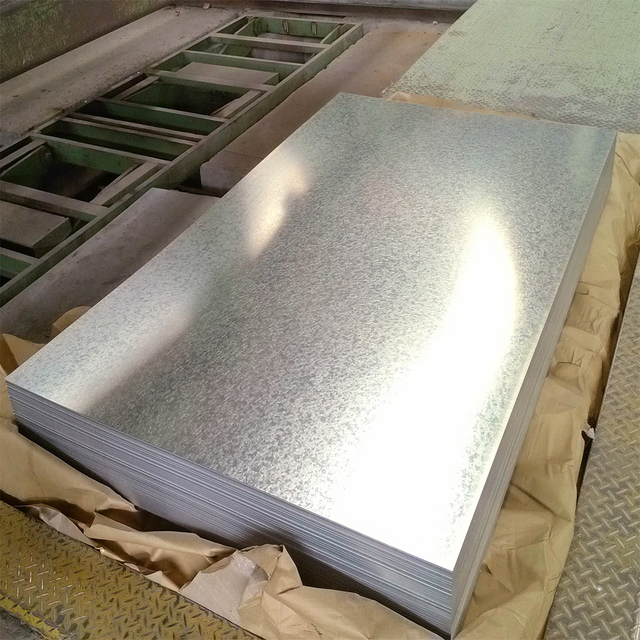
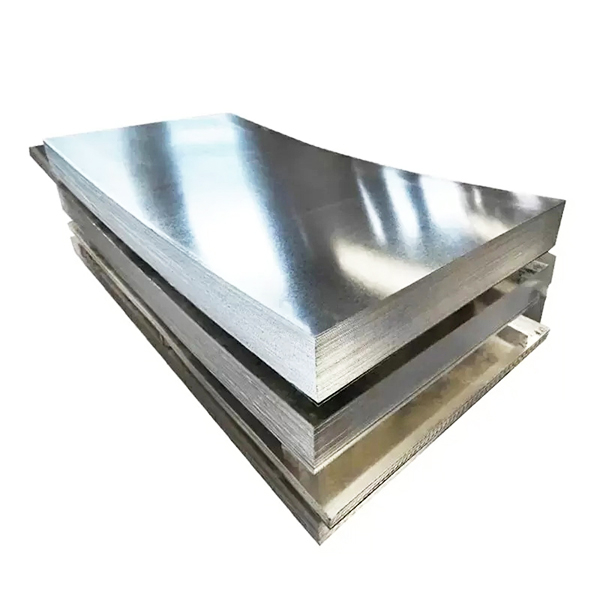
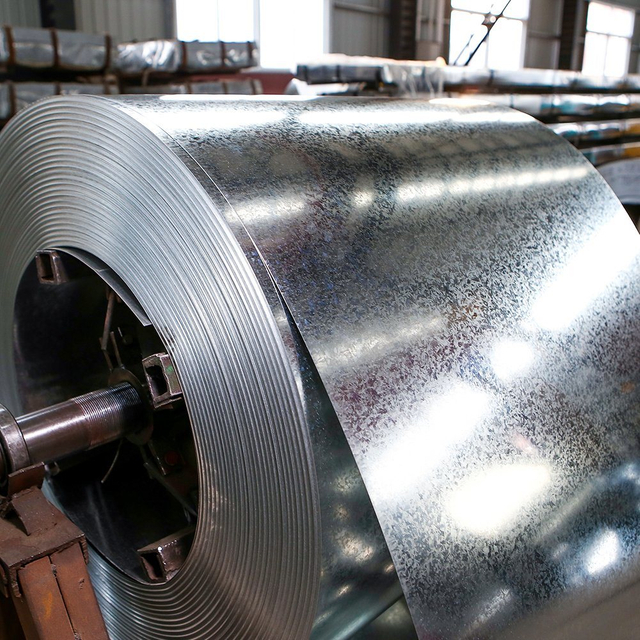
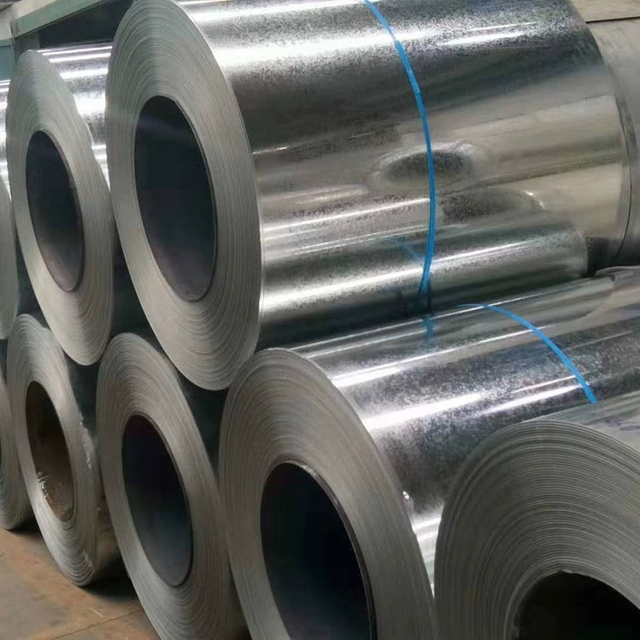
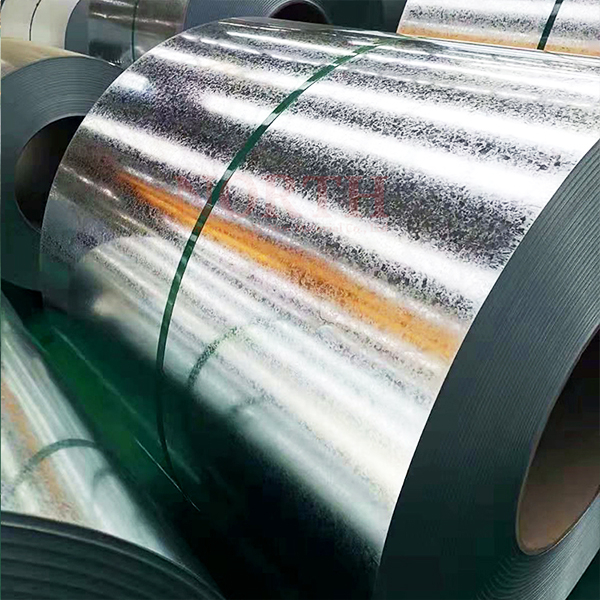
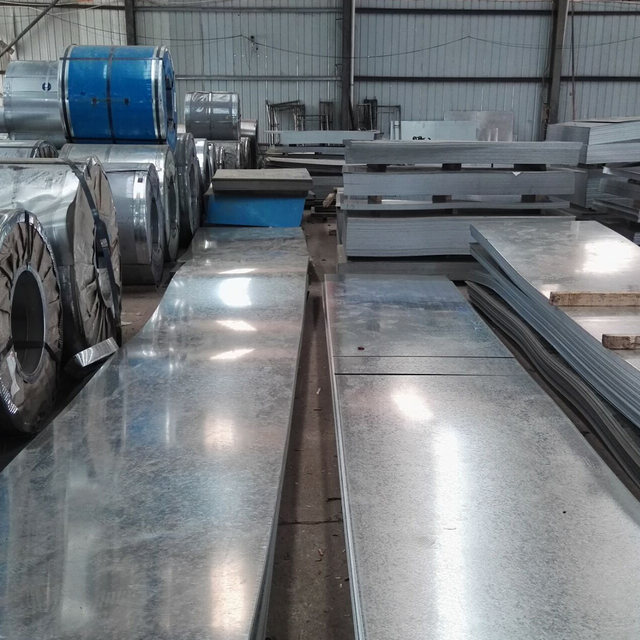
Material formatting dictates the entire manufacturing workflow. You might source a galvanized steel coil for continuous roll-forming operations. Alternatively, you might buy a galvanized steel sheet for heavy duty stamping. During these physical processes, the zinc coating acts as a mild, beneficial lubricant. It helps the metal glide through the dies. However, the coating has physical limits. It can flake or crack if your bend radii are too tight.
The Welding Hazard (Galvanized)
Welding galvanized metal introduces serious occupational hazards. The extreme heat of the welding torch instantly burns off the protective zinc layer. This leaves the welded joint entirely unprotected from future rust. You must manually apply secondary cold galvanizing sprays to restore the barrier. More importantly, burning zinc emits hazardous zinc oxide fumes. Inhaling these fumes causes "metal fume fever." Shop managers must enforce strict extraction protocols and mandate proper respiratory gear.
Common Mistake: Failing to grind away the zinc coating around the weld zone before striking an arc. This results in heavy porosity, weak joints, and excessive toxic smoke.
The Friction Risk (Stainless)
Machining stainless steel presents its own unique hurdles. The alloy is incredibly tough. It requires highly rigid machining setups to prevent chatter. Shops often use specialized Swiss screw machines to hold tight tolerances. You also face a high risk of "galling." Galling is a form of friction-induced cold welding. If two clean stainless surfaces rub together tightly, they can fuse solid. You must use anti-seize lubricants. You can also mix differing hardness levels between nuts and bolts to prevent this fusion.
Cost Analysis & Compliance Implications
Financial considerations often dictate the final material choice. However, upfront price tags only tell half the story.
The 5x Cost Multiplier
The price difference is staggering. A standard cut of stainless steel can cost upwards of $100. The exact same dimensional equivalent in galvanized steel might cost just $15. This represents a massive 5x cost multiplier. Procurement teams must firmly justify this premium. They usually justify it based on extended lifecycle longevity and reduced maintenance downtime. Using expensive alloys for temporary structures destroys project profitability.
Building Codes & Standards
Architectural compliance plays a massive role in material selection. Engineers frequently reference the TMS 402 masonry codes for commercial construction. Modern commercial builds often mandate 300-series stainless steel for permanent exterior wall anchors. The code requires absolute longevity hidden behind brickwork. Conversely, galvanized steel remains perfectly acceptable for interior framing. It is also the go-to material for budget-constrained temporary structures.
Liability Considerations
Misapplication carries immense financial risk. Choosing the wrong pipe material can devastate an industrial facility. Using galvanized pipes in corrosive fluid transfer systems is a terrible idea. The fluids will dissolve the zinc layer. This leads to rapid internal scaling and severe fluid contamination. The resulting damage creates massive replacement liabilities and catastrophic operational downtime.
Field Identification: Distinguishing the Metals Without a Lab
Engineers and contractors often need to identify metals directly on the job site. You can distinguish them using three simple field tests.
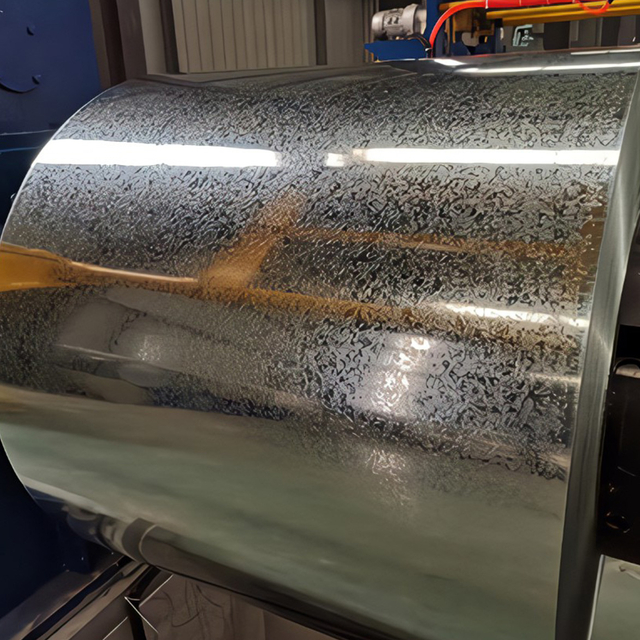
The Visual Test (Spangles vs. Grain): Galvanized components often feature a unique crystalline pattern. The industry calls this "spangling." It looks like a metallic camo pattern. You see it commonly on street signs and HVAC ductwork. Stainless steel features a uniform appearance. It typically has a very smooth or brushed directional finish.
The Magnet Test: Magnetic response is a dead giveaway. Most standard stainless steels are non-magnetic. Specifically, Austenitic 304 and 316 grades repel magnets or show extremely weak attraction. Galvanized steel retains the strong magnetic properties of its raw carbon steel core. A strong magnet will stick firmly to it.
The Rust Signature: You can learn a lot from existing corrosion. When galvanized steel begins to degrade, it produces a chalky substance. We call this "white rust." It is simply oxidized zinc. Stainless steel rarely rusts. But if its passivation layer is compromised by chlorine, it will show traditional red or brown iron oxidation.
Decision Framework: Shortlisting the Right Metal
Use a structured approach to finalize your material selection. Follow these clear guidelines to match the metal to your project.
Evaluate Environmental Chemistry: Check for salt, chlorine, and biological threats. Assess the ambient moisture levels in the installation area.
Review Fabrication Capacity: Determine if your shop has high-rigidity CNC machines. Verify if your welders have proper fume extraction systems.
Calculate Upfront Budget: Compare the immediate project funding against the required structural longevity. Decide if a 400% price premium is viable.
Specify Stainless Steel If:
Choose this alloy when absolute hygiene is required. The application might involve food processing equipment or medical surgical surfaces. It is vital for aerospace components. The smooth surface actively prevents bacterial growth. It resists acidic degradation from cleaning chemicals. You should also specify it if the component faces continuous marine exposure or extreme, constant moisture. Finally, choose it when aesthetic permanence and structural longevity justify a 400% cost increase.
Specify Galvanized Steel If:
Select this material when the project requires massive structural volumes. Cost-efficiency is paramount in large-scale builds. It is perfect if the environment is outdoors but relatively dry. Keep it away from salt and chlorine. It excels when designing commercial HVAC ductwork. Automotive engineers use it heavily for internal body framing. It is the absolute best choice for manufacturing bulk industrial fasteners.
Conclusion
Both metals offer distinct evolutionary paths from raw carbon steel. Galvanized relies on a tough, sacrificial outer layer. Stainless utilizes a smart, self-healing internal chemistry. The final choice hinges on the exact intersection of environmental severity, fabrication capacity, and upfront budget limits. You cannot guess when specifying materials. Evaluate your environmental threats thoroughly. Always check for airborne chlorides, high humidity, and expected mechanical wear. Next, consult directly with your metallurgy partner or your CNC machine shop. Request specific material samples. Ask for detailed quote comparisons before finalizing your blueprints.
FAQ
Q: Is galvanized steel heavier than stainless steel?
A: No. The weight is largely identical depending on the base steel gauge. The only variance comes from the microscopic zinc layer thickness compared to the specific alloy density. For general engineering purposes, they weigh the same.
Q: Can I weld galvanized steel to stainless steel?
A: Yes, but it is highly discouraged. Joining these dissimilar metals creates severe galvanic corrosion risks. Additionally, the extreme welding heat destroys the protective zinc coating on the galvanized side, leaving the joint totally vulnerable.
Q: Which steel is better for food service and medical use?
A: Stainless steel is vastly superior. Primarily, you should use austenitic grades like 304 or 316. They offer non-porous surfaces that prevent bacterial trapping. They also provide incredible resistance to high-acid foods and harsh medical cleaning agents.
Q: Does galvanized steel eventually rust?
A: Yes. It operates on a sacrificial model. Once the external zinc layer is completely consumed by environmental exposure or physical wear, the underlying carbon steel is exposed. It will then oxidize and rust rapidly.