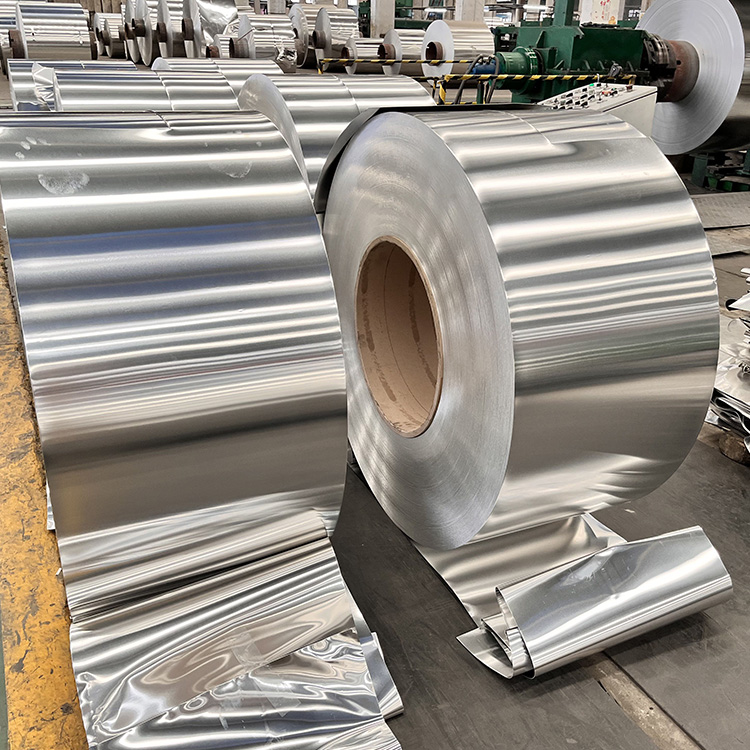
Ever wondered how steel resists rust and lasts longer outdoors? Coated Steel is the key to durable metal products. It involves applying protective layers to steel surfaces.
In this post, you’ll learn what coated steel is, how it’s made, and why it’s vital in many industries. We’ll explore types, benefits, and common uses of coated steel.
Key Takeaways
Coated steel uses zinc, aluminum-zinc, polyester, PVC, or PVDF layers to improve corrosion resistance, appearance, and service life.
Galvanized, galvalume, and polymer-coated steel offer different advantages for construction, automotive, appliance, agricultural, and industrial applications.
Reliable coated steel production requires proper surface preparation, controlled coating processes, and tests for thickness, adhesion, corrosion, impact, and abrasion.
Coated steel combines a steel base with a protective metallic or organic layer. The right type depends on corrosion exposure, appearance, weather resistance, and service life.
Coated Steel Type
Coating
Main Benefits
Common Applications
Galvanized steel
Zinc
Cost-effective corrosion protection and sacrificial protection at exposed areas
Construction components, automotive parts, ducts, and outdoor structures
Galvalume steel
Aluminum, zinc, and silicon alloy
Strong resistance to atmospheric corrosion and good heat reflectivity
Roofing, wall panels, siding, and appliances
Polyester-coated steel
Polyester paint, often over galvanized or galvalume steel
Wide color range, economical finish, and moderate UV and weather resistance
Building panels, appliances, furniture, and interior products
PVC-coated steel
Polyvinyl chloride layer
Chemical resistance, flexibility, and impact protection
Industrial equipment, outdoor products, partitions, and signage
PVDF-coated steel
Polyvinylidene fluoride paint
Excellent UV resistance, color retention, and outdoor durability
Architectural façades, roofing, and high-end exterior construction
Galvanized steel is a practical choice for general corrosion protection. Galvalume is often selected for roofing and cladding, although its suitability depends on the environment.
Polyester coatings offer economical color and surface protection. PVC suits applications needing flexibility or chemical resistance, while PVDF is preferred when long-term outdoor appearance is important.
Differences Between Various Coated Steel Types
Coating Type
Main Component(s)
Key Benefits
Typical Applications
Galvanized Steel
Zinc
Corrosion resistance, cost-effective
Construction, automotive
Galvalume Steel
Aluminum + Zinc + Silicon
Enhanced corrosion & heat resistance
Roofing, appliances
Polyester Coated
Paint over metal
Aesthetic variety, UV protection
Building panels, furniture
PVC Coated
Polyvinyl chloride
Chemical resistance, flexibility
Outdoor signage, industrial gear
PVDF Coated
Polyvinylidene fluoride
Durability, UV stability, color retention
Architectural cladding, roofing
Each coated steel type offers unique strengths. Your choice depends on environmental exposure, mechanical needs, and budget.
Benefits of Using Coated Steel
Coated steel offers numerous advantages that make it a popular choice across industries. Its benefits go beyond simple protection, improving performance and cost-efficiency in various applications.
Corrosion Resistance and Durability
One of coated steel’s biggest benefits is its excellent corrosion resistance. The coating acts as a barrier against moisture, chemicals, and environmental elements that cause rust. For example, galvanized steel uses zinc to protect the metal underneath by corroding first, preserving the steel’s integrity. This protection greatly extends the lifespan of steel products, reducing the need for frequent replacements and repairs. It also performs well in harsh environments like coastal regions or industrial areas.
Enhanced Aesthetic Appeal
Coated steel often comes with smooth, colorful finishes that improve the look of products. Polyester and PVDF coatings provide vibrant colors and glossy surfaces that resist fading and chalking over time. This makes coated steel ideal for architectural applications, appliances, and furniture where appearance matters. The coatings allow designers freedom to choose from many colors and textures, adding style without sacrificing strength.
Cost-Effectiveness Over Time
Though coated steel might cost more upfront than bare steel, it saves money long term. The durability and corrosion resistance reduce maintenance expenses and downtime. For example, roofing made from galvalume steel lasts longer than plain steel, lowering replacement frequency. This durability means less labor and material costs over a product’s life cycle. Businesses benefit from fewer repairs and longer-lasting assets.
Environmental Advantages of Coated Steel
Coated steel supports sustainability goals. It extends steel’s life, reducing waste and demand for raw materials. Many coatings, like zinc and aluminum, are recyclable and environmentally friendly. Additionally, coatings that reflect heat, such as galvalume, contribute to energy efficiency by reducing cooling needs in buildings. This lowers carbon footprints and operational costs. Using coated steel aligns with green building standards and eco-conscious manufacturing.
Improved Mechanical Properties
Besides protection, coatings can enhance mechanical properties. Certain coatings add hardness and resistance to abrasion or impact. For example, PVC coatings add flexibility and toughness, protecting steel surfaces from scratches and dents. This makes coated steel more reliable in demanding industrial or outdoor settings. The combination of strong substrate and protective coating results in a material fit for heavy-duty use.
Common Uses and Applications of Coated Steel
Coated steel plays a vital role across various industries due to its durability, corrosion resistance, and aesthetic versatility. Understanding its common uses helps businesses pick the right type for their projects.
Construction Industry Applications
Coated steel is a staple in construction. Galvanized and galvalume steel are popular for roofing, wall panels, and structural frameworks. Their corrosion resistance ensures buildings last longer, especially in harsh weather. Polyester and PVDF coatings add color and protect surfaces from UV damage, making them ideal for exterior cladding and architectural details. Using coated steel reduces maintenance costs and improves building longevity.
Automotive Manufacturing Uses
The automotive industry relies on coated steel for body panels, chassis parts, and exhaust systems. Zinc-coated steel prevents rust caused by road salts and moisture, extending vehicle life. Galvalume’s heat resistance suits engine components. Polyester coatings offer a smooth base for paint finishes, enhancing appearance. These coatings help manufacturers meet safety and durability standards while keeping production costs manageable.
Appliance and Electronics Industry
Coated steel is common in household appliances like refrigerators, ovens, and washing machines. The steel’s corrosion resistance protects internal and external parts from moisture and chemicals. Polyester coatings provide attractive, easy-to-clean surfaces in various colors. PVDF coatings resist fading, keeping appliances looking new longer. Electronics enclosures also benefit from coated steel’s protection and aesthetic appeal.
Agricultural and Industrial Equipment
Equipment used in agriculture and heavy industry faces tough conditions. Coated steel protects machinery from rust caused by soil, fertilizers, and moisture. Galvanized steel is widely used for fencing, storage tanks, and silos. PVC coatings add extra chemical resistance for equipment exposed to harsh substances. This durability lowers repair costs and downtime.
Architectural and Decorative Uses
Beyond function, coated steel offers design flexibility. Architects use PVDF and polyester coated steel for decorative facades, ceilings, and interior panels. The coatings come in many colors and finishes, from matte to glossy. This variety allows creative expression without sacrificing strength or durability. Coated steel also suits signage and art installations needing weatherproof materials.
Coated Steel Manufacturing Process
Raw Material Selection and Preparation
Manufacturing coated steel starts with selecting high-quality raw steel. The steel must have consistent thickness, chemical composition, and surface cleanliness to ensure coating adhesion. Typically, cold-rolled steel sheets or coils serve as substrates. Before coating, the steel undergoes cleaning processes like degreasing and pickling. These remove oils, dirt, and oxides, preparing the surface for a strong bond. Proper preparation prevents coating defects and enhances corrosion resistance.
Coating Techniques: Hot-Dip, Electroplating, and Others
Several coating methods apply protective layers to steel. Hot-dip galvanizing immerses steel into molten zinc, creating a thick, metallurgically bonded layer. This method offers excellent corrosion protection and is widely used for structural steel and outdoor products.
Electroplating deposits a metal coating, like zinc or nickel, using electric current. It produces thinner, uniform coatings suitable for automotive parts and appliances.
Other techniques include:
Galvalume coating: Spraying molten aluminum-zinc alloy onto steel for heat and corrosion resistance.
Polymer coatings: Applying paints or plastics like polyester, PVC, or PVDF via spraying or roll coating for color and weather protection.
Each technique suits different applications depending on required thickness, durability, and appearance.
Quality Control in Coated Steel Production
Factories implement strict quality control to ensure coated steel meets specifications. This includes:
Coating thickness measurement: Using magnetic or X-ray gauges to verify uniformity.
Adhesion tests: Checking if coatings firmly bond to steel.
Corrosion resistance tests: Simulating harsh environments to assess performance.
Surface inspections: Detecting defects like blisters, cracks, or uneven coverage.
Real-time monitoring and batch sampling help maintain consistent quality. Meeting industry standards like ASTM or ISO ensures product reliability.
Innovations in Coated Steel Factory Processes
Modern coated steel factories adopt advanced technologies to improve efficiency and product quality. Innovations include:
Automation and robotics: For precise coating application and faster production lines.
Advanced surface treatments: Such as nano-coatings for enhanced corrosion resistance.
Energy-efficient furnaces: Reducing environmental impact during hot-dip processes.
Digital quality control: Using AI and machine vision to detect defects instantly.
These innovations help factories produce superior coated steel while lowering costs and environmental footprint.
Environmental and Safety Standards in Manufacturing
Coated steel production follows strict environmental regulations. Factories control emissions of volatile organic compounds (VOCs) from paints and solvents. Wastewater from cleaning and coating processes undergoes treatment before discharge. Recycling scrap steel and coating materials reduces landfill waste.
Worker safety is paramount. Protective equipment, ventilation systems, and training minimize exposure to hazardous substances. Compliance with OSHA and other safety standards ensures a safe working environment.
Factors Affecting the Quality of Coated Steel
Several factors influence the quality of coated steel, determining its performance, durability, and suitability for specific applications. Understanding these quality factors helps you select the best coated steel product.
Type and Thickness of Coating
The coating type directly impacts corrosion resistance, aesthetics, and mechanical strength. For example, hot-dip galvanized steel usually has a thicker zinc layer than electroplated steel, offering longer protection. Thicker coatings generally provide better durability but may cost more. Polymer coatings like PVDF or polyester vary in thickness, affecting color retention and weather resistance. Choosing the right coating type and thickness depends on environmental exposure and intended use.
Steel Substrate Quality
The steel base itself matters. High-quality steel with uniform composition and surface smoothness ensures better coating adhesion. Impurities or surface defects can cause coating failures like peeling or blistering. Cold-rolled steel often serves as a preferred substrate for coated steel due to its smooth surface and consistent thickness. The substrate's mechanical properties also affect the coated steel’s overall strength and flexibility.
Environmental Exposure Conditions
Where you use coated steel affects its longevity. Coastal areas expose steel to salt spray, accelerating corrosion. Industrial zones may have acidic or chemical pollutants. UV radiation from sunlight can degrade polymer coatings over time. Understanding local environmental factors helps choose coatings designed to withstand such conditions. For instance, PVDF coatings resist UV damage better than polyester, making them ideal for sunny climates.
Maintenance and Handling Practices
Proper handling during transport and installation prevents damage to coatings. Scratches or dents can expose steel, leading to rust. Routine maintenance, like cleaning and inspections, prolongs coated steel life. Removing dirt, salt, or chemicals from surfaces prevents corrosion initiation. Protective measures during storage, such as covering steel sheets, also preserve coating integrity.
Testing Methods for Quality Assurance
Factories and buyers use testing to verify coated steel quality. Common tests include:
Coating Thickness Measurement: Ensures uniform application using magnetic or X-ray gauges.
Adhesion Test: Checks if coating sticks firmly to steel, often by tape or bend tests.
Salt Spray Test: Simulates corrosive environments to assess resistance.
Impact and Abrasion Tests: Evaluate coating toughness and wear resistance.
Visual Inspection: Detects surface defects like cracks or bubbles.
Regular testing guarantees coated steel meets industry standards and performs reliably in use.
How to Choose the Right Coated Steel for Your Needs
Selecting the right coated steel requires careful consideration of several key factors. This ensures the steel performs well and lasts long in your specific application.
Assessing Environmental and Application Requirements
Start by understanding the environment where the coated steel will be used. Is it exposed to salty air near the coast, industrial pollutants, or constant sunlight? These conditions affect corrosion rates and coating durability. For example, PVDF coatings resist UV damage better, making them ideal for sunny climates. If the steel faces chemicals or moisture, a thicker or more resistant coating like galvanized or PVC might be necessary. Also, consider mechanical stresses like impact or abrasion that the steel must withstand.
Comparing Coating Types and Their Properties
Different coatings offer unique benefits. Galvanized steel provides good corrosion resistance at a reasonable cost. Galvalume adds heat reflectivity and longer life in harsh weather. Polyester coatings bring color variety and UV protection but may wear faster in extreme environments. PVC coatings offer chemical resistance and flexibility, while PVDF coatings excel in durability and color retention. Match the coating type to your environment and performance needs.
Cost vs. Performance Considerations
Balance your budget against required performance. Higher-quality coatings like PVDF cost more upfront but save money long term by reducing maintenance and replacement. Lower-cost options may suit less demanding uses. Think about total lifecycle cost instead of initial price alone. Investing more initially often pays off through extended steel life and fewer repairs.
Supplier and Factory Selection Criteria
Choose suppliers with proven quality control and environmental standards. Reliable factories follow strict testing procedures to ensure coating thickness, adhesion, and corrosion resistance meet industry norms. Check for certifications like ISO or ASTM compliance. Also, consider suppliers offering technical support and warranty services. This helps avoid costly mistakes and ensures you get consistent, high-quality coated steel.
Long-Term Durability and Warranty Information
Review warranty terms carefully. Longer warranties often indicate confidence in product durability. Ask about expected service life under your conditions. Some coatings may degrade faster under certain exposures. Understanding warranty coverage helps you plan maintenance and replacement cycles, reducing unexpected costs.
Conclusion
Coated steel offers diverse types, each suited for specific needs like corrosion resistance and aesthetics. Advances in technology improve quality and sustainability. Environmental benefits include longer life and energy efficiency. Its applications span construction, automotive, and appliances, proving versatile and cost-effective. Choosing the right coated steel ensures durability and performance. Buyers can explore high-quality coated steel products backed by strict quality control and environmental standards for applications across various industries.
FAQ
Q: What is coated steel and why is it important?
A: Coated steel is steel covered with protective layers like zinc, aluminum, or polymers to prevent corrosion and enhance durability. It’s important because it extends steel’s lifespan and improves performance in various environments.
Q: How do different types of coated steel vary in usage?
A: Galvanized steel is common in construction, galvalume suits roofing, polyester coatings add color and UV protection, while PVC and PVDF coatings offer chemical resistance and durability for industrial and architectural uses.
Q: Why choose coated steel over bare steel despite higher initial cost?
A: Coated steel’s corrosion resistance and durability reduce maintenance and replacement costs, making it more cost-effective over time compared to bare steel.
Q: How does the manufacturing process affect coated steel quality?
A: Proper steel preparation, coating techniques like hot-dip galvanizing, and strict quality control ensure strong adhesion, uniform coatings, and corrosion resistance in coated steel.
Q: What factors should I consider when selecting coated steel?
A: Consider environmental exposure, mechanical needs, coating type, cost, supplier quality, and warranty to choose coated steel that offers the best durability and value for your project.
Shandong Sino Steel Co., Ltd. is a comprehensive company for steel production and trading. Its business includes production, processing, distribution, logistics and import& export of steel.