Contractors often view painted zinc as a massive gamble. You constantly hear industry stories about catastrophic peeling and adhesion failure happening within months of project completion. The skepticism is entirely understandable. However, the reality is clear: yes, you can successfully paint it. In commercial and industrial applications, professionals call this process a "Duplex System."
The stakes are high. When you execute it correctly, paint and galvanizing create a highly synergistic defense mechanism. When you execute it poorly—often by relying on standard mechanical sanding and conventional epoxies—it simply wastes your budget and accelerates localized corrosion. Your paint will literally slide off the metal.
We designed this guide to eliminate the guesswork. Our objective is to equip contractors, specifiers, and procurement teams with the unvarnished chemical realities. You will learn the exact preparation standards required, including vital ASTM protocols. You will also discover the coating selection logic necessary to ensure a verifiable, flawless, and long-lasting finish.
Key Takeaways
Adhesion relies on surface chemistry, not just roughness: Standard mechanical sanding often compromises the zinc layer without ensuring paint adherence.
Age dictates the process: Newly galvanized, partially weathered, and fully weathered zinc require completely different preparation protocols.
Never use alkyd or oil-based primers: They react with zinc (saponification), turning the primer interface into a slippery soap layer, leading to total peeling.
Evaluate alternatives early: For highly precise assemblies prone to thermal distortion, high-performance zinc-rich primers on bare steel may offer better ROI than hot-dip galvanizing (HDG) plus paint.
The Business Case for the "Duplex System"
We must first define the Duplex System to understand its value. It is the strategic combination of a hot-dip galvanized (HDG) coating and a specialized liquid or powder topcoat. To achieve this correctly, the entire process must remain strictly compliant with the ASTM D6386 standard. This standard governs the preparation of zinc surfaces for painting.
The core benefit of this system lies in its synergistic outcome. The outer paint film acts as a barrier. It protects the underlying zinc coating from premature consumption caused by atmospheric pollutants. In return, the underlying zinc provides immense cathodic protection. If the paint gets scratched or gouged, the zinc acts as a sacrificial anode. It prevents under-film rust creepage, ensuring the damage remains localized.
This dual-layer defense mechanism extends longevity drastically. The total service life of a duplex system is typically 1.5 to 2.5 times the sum of the individual lifespans of the zinc and paint alone. You do not just get two layers of protection; you get a multiplier effect.
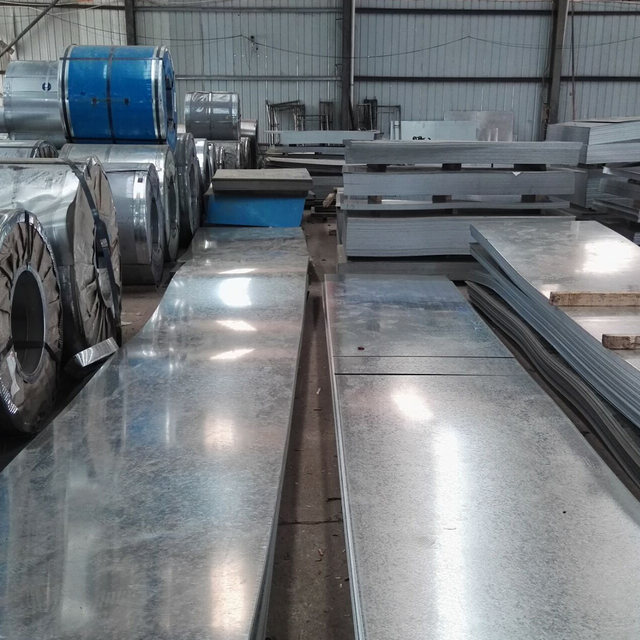
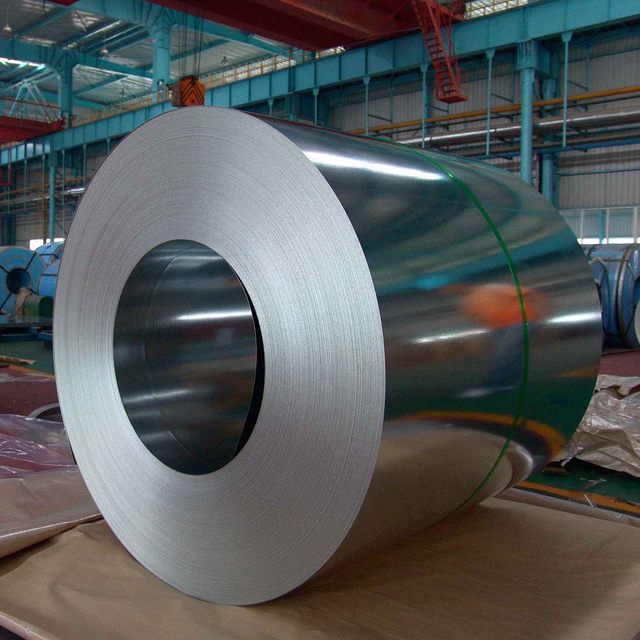
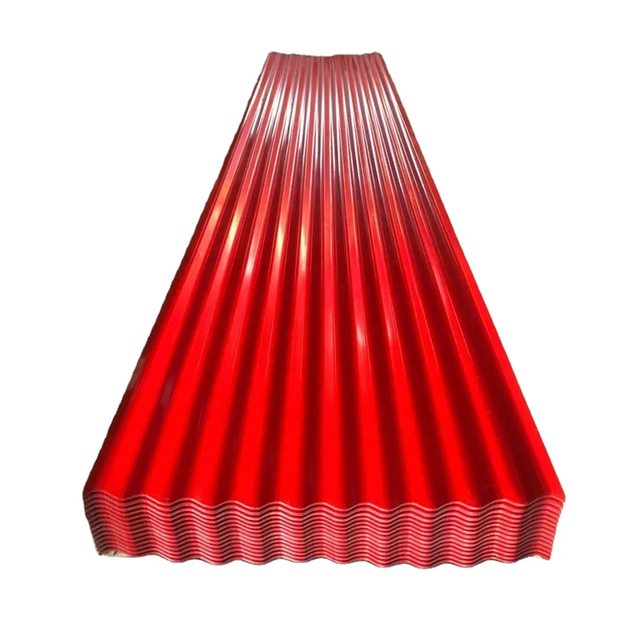
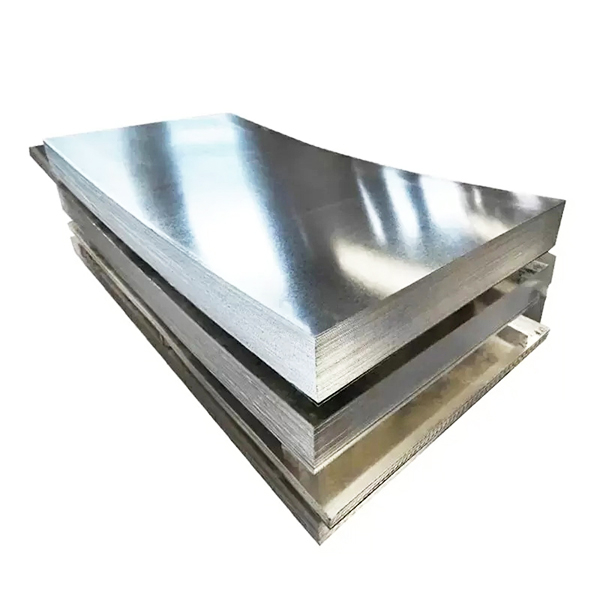
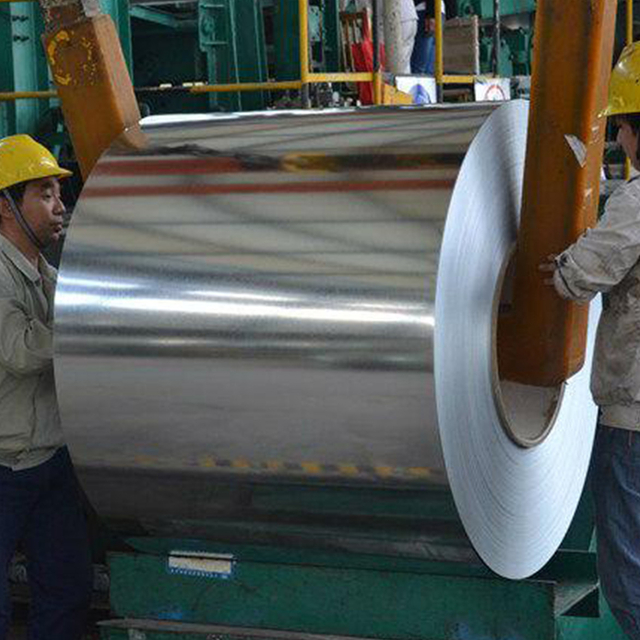
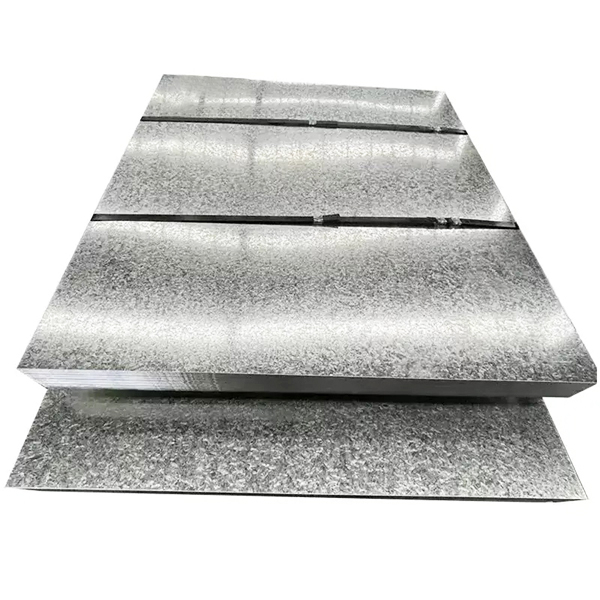
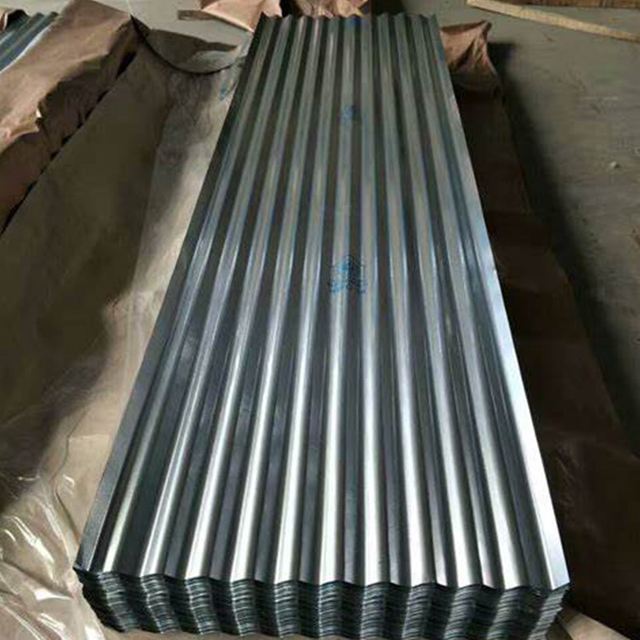
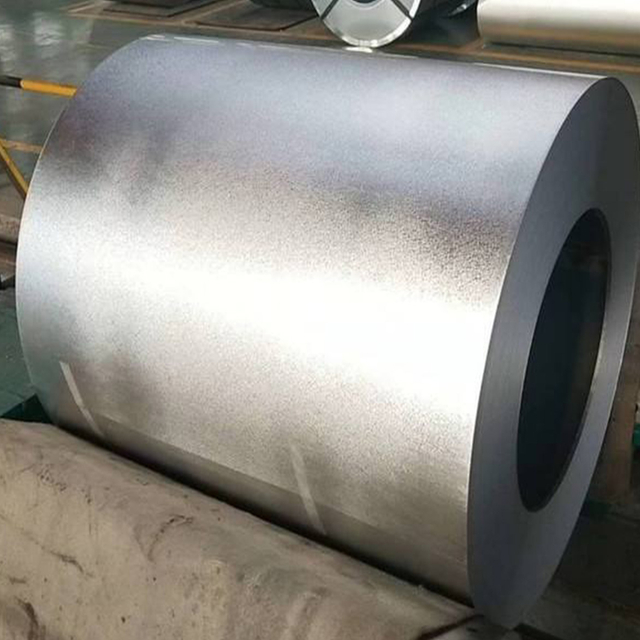
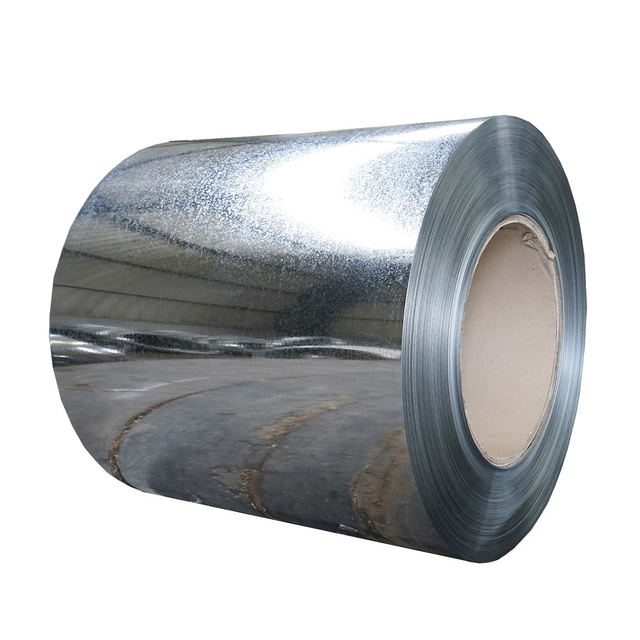
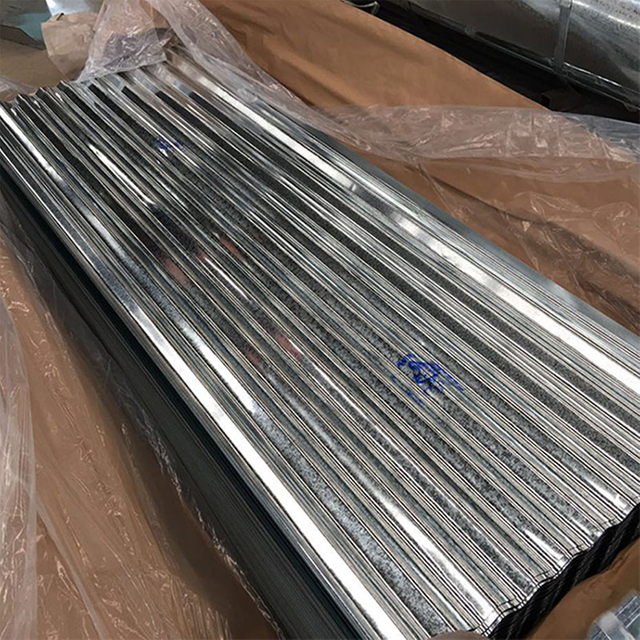
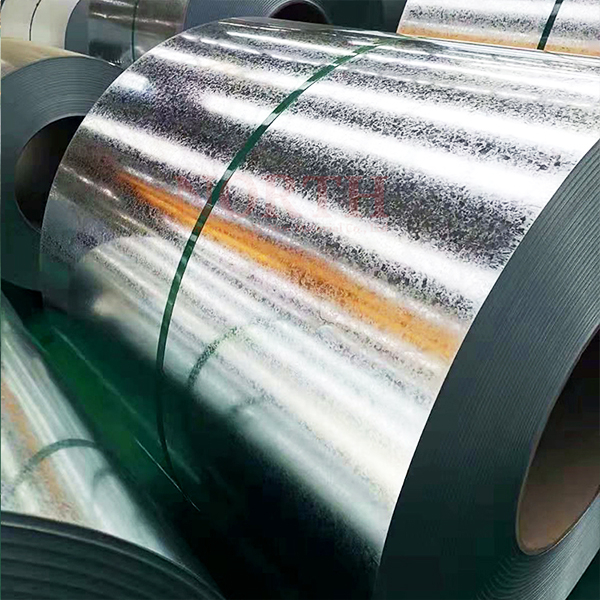
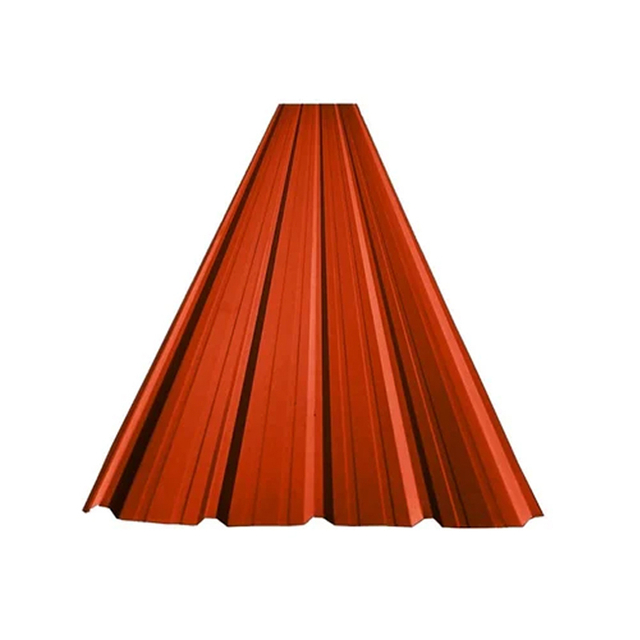
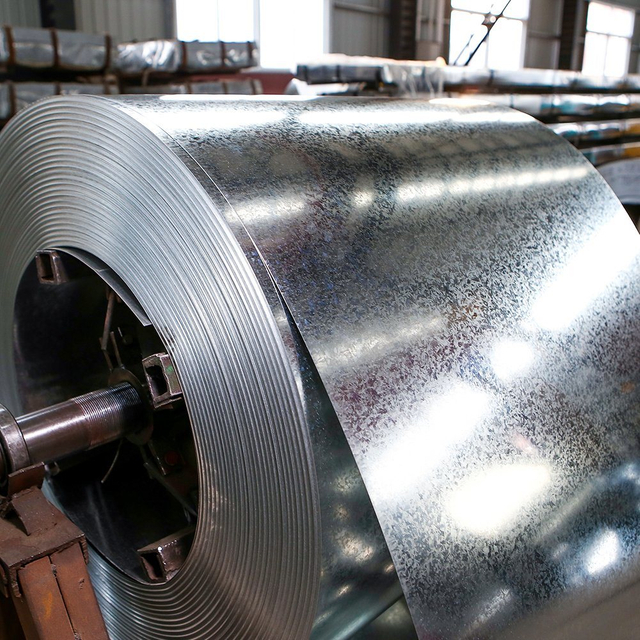
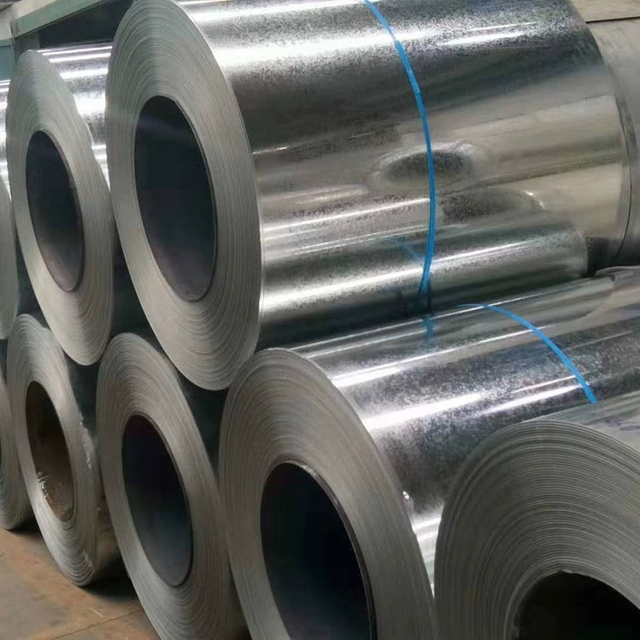
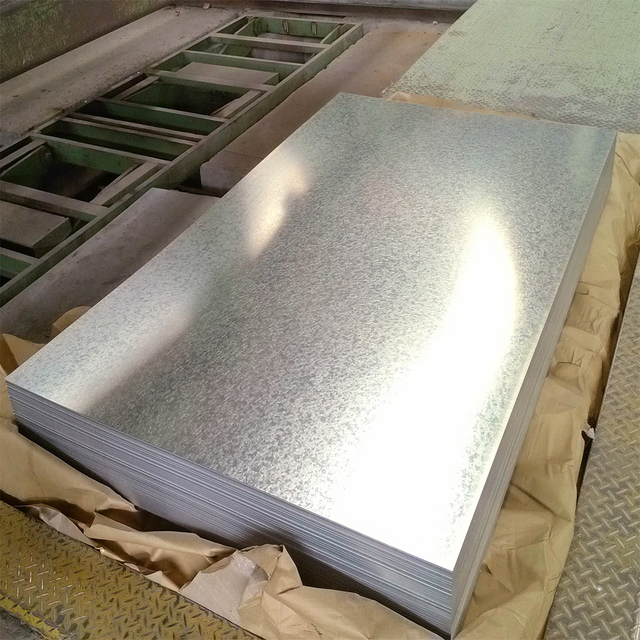
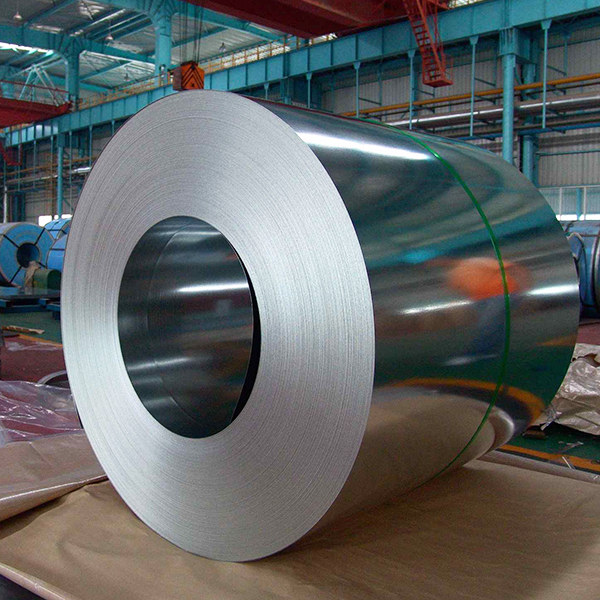
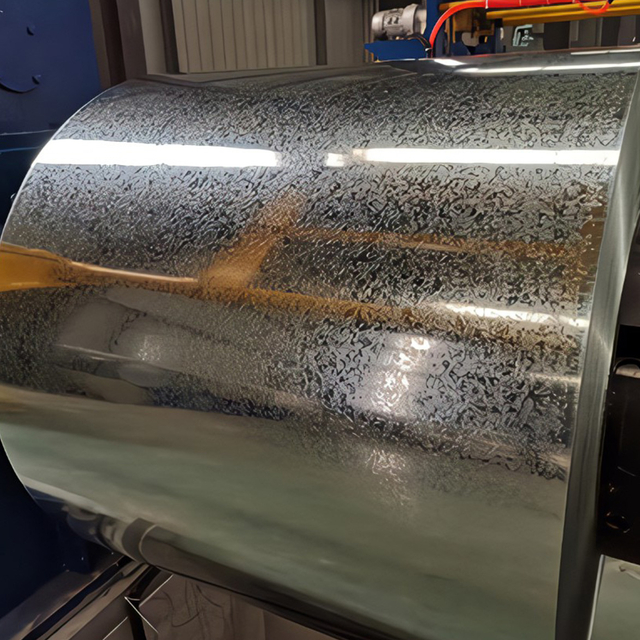
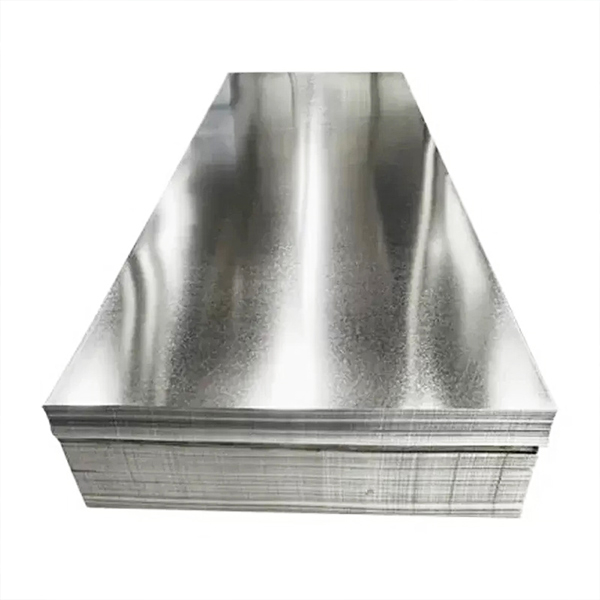
This logic applies across numerous scalability applications. You might treat heavy post-fabrication structural steel for an outdoor stadium. Conversely, you might utilize pre-painted galvanized steel coil and galvanized steel sheet materials for high-volume architectural manufacturing. The underlying chemistry and protection principles remain identical regardless of the material format.
Assessing Coating Condition: The 3 Stages of Weathering
Your surface evaluation framework dictates success or failure. The preparation protocol depends entirely on how long the Galvanized Steel has been exposed to the atmosphere. You cannot treat old zinc and new zinc the same way.
Newly Galvanized (0 to 48 Hours)
In this initial window, the condition of the metal is extremely smooth and highly reflective. Almost no zinc compounds have formed on the surface yet. The metal is completely non-porous. Because it lacks texture, paint has nothing to grab onto. Action is mandatory. The surface requires thorough cleaning and mandatory chemical or mechanical profiling. You must etch the surface to create microscopic anchor points for adhesion.
Partially Weathered (2 Days to 1 Year) – The Highest Risk Stage
This is the most dangerous stage for coating applications. During these months, the surface condition changes rapidly. It becomes covered in loosely adhered zinc oxides and zinc hydroxides. You often see this as a white powdery rust on the metal. These loose compounds drastically interfere with paint adhesion. If you paint over them, the paint sticks to the powder, and the powder pulls away from the steel. Action requires aggressive cleaning and profiling. You must completely remove these chalky deposits before applying any primer.
Fully Weathered (1 Year+)
After a year of exposure, the metal stabilizes. The surface condition transforms as it absorbs carbon dioxide from the air. It forms zinc carbonate. This is a tightly adhered, water-insoluble compound. Zinc carbonate is actually an excellent, naturally rough substrate for paint. Action here requires caution. You only need mild cleaning using warm water and a gentle degreaser. It is crucial that you do not remove the zinc carbonate layer during cleaning.
Weathering Stage | Timeframe | Surface Condition | Required Action |
Newly Galvanized | 0 to 48 Hours | Smooth, shiny, non-porous | Clean thoroughly; apply chemical or mechanical etching. |
Partially Weathered | 2 Days to 1 Year | White powdery rust (zinc oxides/hydroxides) | Aggressively remove all loose compounds and profile. |
Fully Weathered | 1 Year+ | Stable zinc carbonate layer | Mild degreasing only; preserve the zinc carbonate. |
Surface Preparation: Mitigating Failure Risks
Even if you accurately identify the weathering stage, poor execution during preparation will sabotage the duplex system. You must follow strict protocols to mitigate failure risks.
Risk Mitigation (Chromate Testing)
Facilities often dip newly minted steel into chromate baths. These passivation agents prevent wet storage stain during shipping. However, chromates actively repel paint. You must always test for passivation agents using the ASTM B201 protocol. If the test reveals chromates, you cannot paint the metal immediately. The chromates must naturally weather away, or you must aggressively remove them via mechanical profiling.
Cleaning Protocols
Before roughing up the surface, you must remove all dirt, oil, and organic contaminants. Follow these sequential steps for optimal cleaning:
Apply an alkaline or acidic cleaning solution (typically diluted 25:1) to the surface.
Use a soft bristle brush to agitate stubborn organic contaminants.
Rinse the surface thoroughly with clean, fresh water to neutralize the cleaning agents.
Allow the metal to dry completely before proceeding to the profiling stage.
For pristine new sheet surfaces, an industrial white vinegar wipe down can provide a highly effective, mild acid etch while simultaneously removing light oils.
Profiling (Creating the Anchor Pattern)
Paint needs microscopic valleys and peaks to lock into. We call this the anchor pattern. You have a few ways to achieve this without destroying the metal.
Sweep Blasting (SSPC-SP 16): This is the industry standard for mechanical profiling. You must use a low-angle blast technique. Hold the nozzle between 30 and 60 degrees. Use a low-hardness abrasive. The abrasive must rank at a Mohs hardness of 5 or lower (like walnut shells, corncobs, or specific mineral sands). Keep the particle size between 200 and 500 microns.
The Overblasting Risk: You must avoid standard 90-degree sandblasting at all costs. Standard blasting will strip the soft zinc entirely. This destroys the sacrificial anode protection, rendering the entire galvanizing process pointless. If sweep blasting feels too risky for your field crew, default to chemical methods.
Wash Primers / Acrylic Pretreatment: These are acidic formulations designed to chemically alter the zinc surface tension. They force the zinc to accept paint without requiring any mechanical abrasion. This eliminates the overblasting risk entirely.
Coating Selection: Chemistry That Actually Sticks
Your preparation might be flawless, but applying the wrong chemistry will still cause catastrophic failure. Zinc is an alkaline metal, and it reacts violently with certain paint formulations.
The Cardinal Rule (What to Avoid)
You must strictly prohibit alkyd-based paints and standard oil-based primers. When zinc encounters alkyd resins, an uncontrollable chemical reaction occurs. This is known as saponification. The alkaline zinc reacts with the oils to create a literal layer of soap beneath the paint film. Once saponification occurs, the coating will peel off in large, flexible sheets. This guarantees total coating failure.
Approved Primer Systems
You must specify primers explicitly formulated to interface with zinc. The industry recognizes two primary categories.
Specialized Self-Etching Primers: These are formulated specifically for hot-dip galvanized surfaces. They conform to specifications like SSPC Paint 27. They bite into the metal chemically.
Acrylic Metal Primers: High-quality waterborne acrylic primers exhibit excellent adhesion on properly cleaned zinc. They remain flexible and resist saponification entirely.
High-Performance Topcoats
Once you prime the surface, you need a robust topcoat to withstand environmental abuse. We recommend Direct-To-Metal (DTM) acrylic latex paints or DTM acrylic enamels for most exterior architectural applications.
For aggressive environments, you must upgrade your specifications. Consider high-chlorine aquatic centers. Standard polyester powder coats fail rapidly when exposed to indoor pool vapors. In these scenarios, specify industrial-grade one-step paints. These specialized industrial paints bypass the need for separate etching primers because they chemically bond directly to the zinc layer.
Coating Category | Examples / Types | Verdict for Duplex Systems |
Prohibited Formulations | Alkyd enamels, standard oil-based primers | Strictly Avoid. Causes saponification (soap formation) and total peeling. |
Approved Primers | SSPC Paint 27, acrylic metal primers, wash primers | Highly Recommended. Provides stable chemical adhesion without reacting negatively. |
Ideal Topcoats | DTM acrylic latex, DTM enamels, industrial one-step zinc paints | Highly Recommended. Forms a durable, flexible, weather-resistant barrier. |
The Counter-Argument: When to Skip Galvanizing + Paint
We must address a critical implementation reality. Hot-dip galvanizing followed by painting is an incredibly complex, multi-trade process. It carries a remarkably high margin for error. Sometimes, a duplex system is the wrong choice for your project.
Implementation Realities & Quality Control
Fabrication rarely goes perfectly. Field adjustments require on-site welding. Welding instantly destroys the HDG layer. When contractors repair these welds in the field with cold zinc spray, the repair is vastly inferior to factory hot-dip galvanizing. You create a weak link in your anti-corrosion chain.
The Thermal Distortion Risk
You must also consider the intense heat of the galvanizing bath. Complex or highly precise structural steel architectures are exceptionally susceptible to warpage and distortion during the dipping process. If your architectural design requires exact tolerances, you must consult ASTM A384 guidelines for thermal distortion. Often, the heat risk is simply too high.
The High-Performance Primer Alternative
Consider the surface preparation requirements of your final topcoat. Some premium marine-grade or industrial topcoats demand a "Near-White Blast" profile for proper adhesion. If you blast a galvanized surface to a Near-White standard, that aggressive blasting will destroy the zinc layer completely. You will blast your investment away into dust.
Decision Logic
In high-precision scenarios, or in heavy industrial applications requiring intense blast profiling, it is vastly more practical to skip hot-dip galvanizing entirely. Apply a premium zinc-rich primer directly to properly blasted bare steel. Follow this with your high-performance topcoat. You will achieve comparable longevity, eliminate thermal distortion risks, and drastically simplify your supply chain.
Conclusion
Painting zinc surfaces is highly effective, but the process is fundamentally intolerant of shortcuts. Your success hinges entirely on performing an accurate weathering assessment, executing a precise profiling technique, and strictly avoiding incompatible resins like alkyds.
Before you launch your next project, take action to protect your specification. Advise your procurement and engineering teams to aggressively audit supplier workflows. Ensure they verify full compliance with ASTM D6386 for surface preparation and SSPC-SP 16 for sweep blasting. By demanding adherence to these standards, you transform a risky painting endeavor into a predictable, highly durable duplex system.
FAQ
Q: Can you paint straight over galvanized steel?
A: No. Unprepared, newly galvanized surfaces are far too smooth and chemically reactive for standard paint adhesion. You must thoroughly clean the metal, profile it using a chemical etch or a low-pressure sweep blast, and apply a specialized metal primer first.
Q: What type of paint will stick to galvanized metal?
A: You should use Direct-To-Metal (DTM) acrylic latex paints, acrylic enamels, or specialized industrial one-step paints formulated for zinc. You must never use alkyd or oil-based paints, as they will cause saponification and inevitably peel.
Q: How do I paint rusted (weathered) galvanized metal?
A: If you see "white rust" (zinc oxide), you must thoroughly remove it via aggressive cleaning and degreasing. If you see red rust, the underlying steel is exposed. You must perform traditional rust remediation and apply a zinc-rich patch primer before fully coating the surface.
Q: Do I need a special primer for a galvanized steel coil?
A: Yes. Coils often feature passivation treatments like chromates or rolling oils applied at the factory. You must chemically remove these protective layers first. Afterward, you must apply a self-etching or acrylic-based metal primer before applying your final topcoat.