When planning your garden, choosing the right materials for your garden beds is crucial. One material that has gained popularity in recent years is galvanized steel. Known for its durability and resistance to corrosion, galvanized steel offers several advantages over traditional garden bed materials such as wood and plastic. Shandong Sino Steel Co., Ltd., a leading supplier of galvanized steel coils and galvanized steel sheets, is committed to providing high-quality products that ensure long-lasting, rust-resistant solutions for various applications. In this article, we will explore the safety, benefits, and considerations of using galvanized steel for garden beds and why this material is a top choice for many gardeners. Let’s dive into why galvanized steel is an excellent option for your garden bed project.
What Makes Galvanized Steel Appealing for Gardening
Rust Resistance
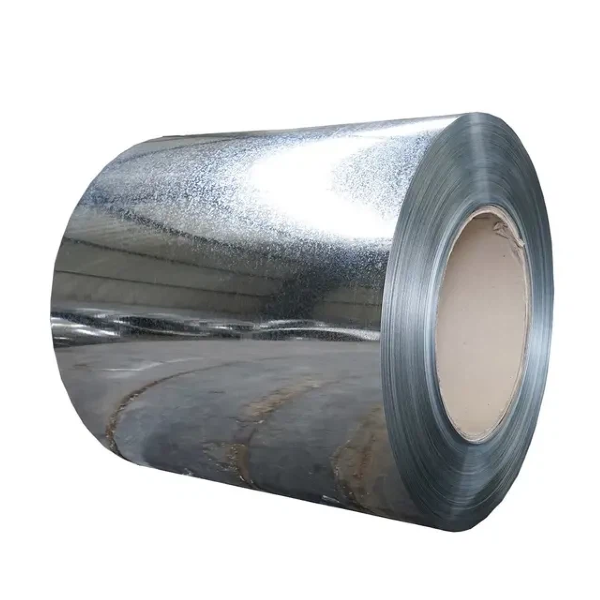
One of the primary reasons galvanized steel is widely used in garden beds is its outstanding rust resistance. Galvanized steel is steel that has been coated with a layer of zinc through a process called hot-dip galvanization. This zinc coating acts as a protective barrier, preventing moisture and air from reaching the steel beneath it, which helps prevent rust and corrosion. Unlike untreated steel, which can rust quickly when exposed to the elements, galvanized steel maintains its integrity over time, making it an excellent choice for long-term outdoor use. The zinc layer serves not only as a physical barrier but also as a sacrificial layer, meaning the zinc will corrode before the steel does, offering an added layer of protection.
Sturdy & Weather-Resistant Material
Galvanized steel is known for its robust construction and weather-resistant properties. The material is designed to withstand a variety of environmental conditions, from intense rainfall to harsh sunlight, and it does so without deteriorating quickly. Whether you're using it in a garden bed or as part of a larger structure, galvanized steel's weather resistance ensures it will stand up to the test of time. Galvanized steel coils and galvanized steel sheets are highly durable, capable of handling the natural elements without warping, fading, or deteriorating like wood or plastic may. This durability means you won’t have to worry about replacing your garden beds frequently, saving you time and money.
Soil Contact & Zinc Safety Concerns
Zinc Leaching Myths vs Facts
A common concern when using galvanized steel for garden beds is the potential for zinc leaching into the soil. While it's true that zinc is a component of the coating, the amount that leaches into the soil is minimal and does not typically reach toxic levels. Some gardeners may worry that zinc leaching will harm the plants growing in the bed, but the reality is that the zinc in galvanized steel is not readily soluble and will not significantly affect plant growth. Studies have shown that the amount of zinc that leaches from galvanized steel is far below toxic levels and is not a cause for concern.
Scientific Perspective on Zinc & Plants
From a scientific perspective, zinc is an essential micronutrient for plant growth. It plays a crucial role in processes such as photosynthesis, enzyme function, and protein synthesis. While too much zinc can be harmful to plants, the amount that leaches from galvanized steel is far below toxic levels and is not a cause for concern. The soil surrounding the steel provides a buffer that helps to absorb and dilute any zinc that might be released. Additionally, the protective zinc layer on the galvanized steel is designed to last for many years without degrading significantly, meaning the amount of zinc that leaches out over time is minimal.
Best Practices for Garden Bed Use
Lining Options
To further protect your garden beds and ensure the safety of your plants, it’s advisable to use a lining inside your galvanized steel garden beds. Lining the interior of the bed with fabric or plastic barriers can help prevent any potential leaching of zinc into the soil while still benefiting from the durability of galvanized steel. Fabric liners allow water to pass through, ensuring proper drainage, while also creating a barrier between the galvanized steel and the soil. This helps maintain a healthy growing environment for your plants while still taking advantage of the long-lasting, rust-resistant properties of galvanized steel sheets.
Drainage and Water Flow Considerations
Proper drainage is essential for maintaining the health of plants in garden beds. Galvanized steel garden beds are no exception. Over time, stagnant water in the bed can lead to issues such as rusting of the steel and waterlogged soil, which can negatively affect plant roots. To avoid these problems, ensure your galvanized steel garden beds have proper drainage channels. This can be achieved by drilling small holes at the bottom of the bed or using materials that allow water to flow through the steel. Maintaining proper drainage will help keep your garden bed free from excessive moisture and ensure your plants thrive.
Comparing Alternatives for Raised Beds
Galvanized Steel vs. Wood
While wood has traditionally been used for garden beds, it comes with several disadvantages. Wood can rot over time when exposed to moisture, leading to the need for frequent replacements. Additionally, wood can attract pests like termites, which can undermine the structural integrity of your garden bed. In contrast, galvanized steel offers a more durable and pest-resistant option. It does not rot, warp, or decay like wood, and its rust-resistant properties make it ideal for long-term use. For a garden bed that will last for years, galvanized steel is a superior choice compared to wood.
Galvanized Coil vs. Powder-Coated Steel
Both galvanized steel coils and powder-coated steel provide excellent protection against corrosion. However, galvanized steel has a unique advantage: the zinc coating on galvanized steel is a sacrificial layer that corrodes before the underlying metal. This provides an added layer of protection compared to powder-coated steel, which may eventually chip or scratch, exposing the metal to rust. Galvanized steel is a more reliable and long-lasting material for garden beds, offering peace of mind that your garden will remain intact and protected for many years.
Long-Term Maintenance in Gardening Use
Cleaning & Rust Inspections
While galvanized steel is known for its rust resistance, it is still important to regularly inspect the material for signs of wear and tear. Over time, the zinc coating can become damaged, and the steel beneath it may be exposed to the elements. To maintain the longevity of your galvanized steel garden bed, perform periodic cleaning and rust inspections. Use a mild soap and water solution to clean the surface, and check for any scratches or areas where the zinc layer has worn off. If you notice any rust spots, it’s important to address them promptly to prevent further damage.
Touch-Up Paint for Aesthetics
If your galvanized steel garden bed begins to show signs of wear or rust, touch-up paint can help restore its appearance and provide an additional layer of protection. Choose a rust-resistant paint that is specifically designed for metal surfaces. This will ensure that your garden bed not only looks good but also maintains its protective qualities. A fresh coat of paint will help extend the life of your galvanized steel garden bed and keep it looking attractive for years to come.
Conclusion
In conclusion, galvanized steel is a safe, durable, and cost-effective option for garden beds. With its rust-resistant properties, sturdy construction, and low maintenance requirements, galvanized steel is a top choice for gardeners looking to create long-lasting, weather-resistant garden beds. Whether you’re growing vegetables, flowers, or herbs, galvanized steel coils and galvanized steel sheets provide a reliable and attractive solution that will withstand the test of time. If you're ready to invest in a garden bed that offers superior performance and protection, consider using galvanized steel for your next project.
For more information about our high-quality galvanized steel products, please contact us.
FAQ
Is galvanized steel safe for garden beds?
Yes, galvanized steel is safe for garden beds. The zinc layer does not leach harmful amounts into the soil, and the steel offers long-lasting protection against rust and weather damage.
Can galvanized steel leach zinc into the soil?
While there is a small amount of zinc leaching, it is well below harmful levels and is considered safe for most plants.
How long does galvanized steel last in a garden bed?
Galvanized steel can last 20-30 years or longer, depending on environmental factors and maintenance.
What is the difference between galvanized steel and powder-coated steel for garden beds?
Galvanized steel has a built-in protective zinc layer that offers better rust resistance compared to powder-coated steel, which may chip and expose the steel to corrosion.


