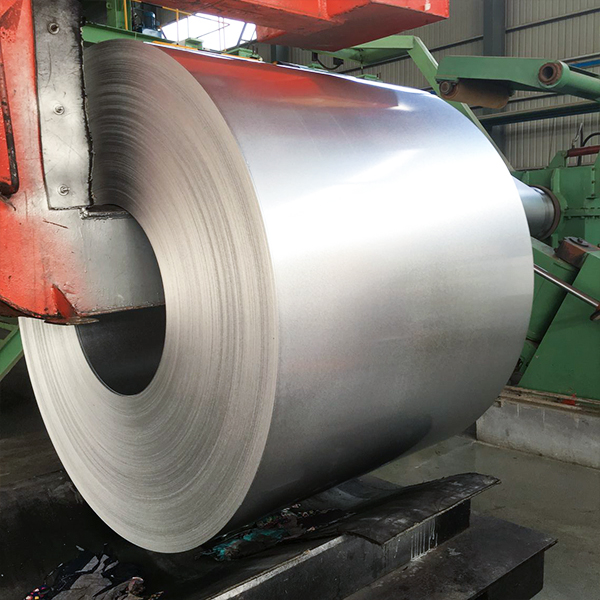
Selecting the right roofing material serves as a critical risk-management decision. Contractors face massive liabilities today regarding building integrity. Roofing failures stem frequently from improper substrate selection during early planning stages. Such material errors lead directly to structural damage. They also trigger expensive callbacks and ruin professional reputations. Both galvanized and galvalume steel operate as trusted industry standards globally. However, their distinct metallurgical properties cause them to react differently. Specific environmental stressors expose these material differences very quickly.
We wrote this guide to provide an objective, evidence-based roofing steel comparison. You will discover exactly how each metal performs under daily physical stress. We will help you select the appropriate substrate matching your specific project environment. You can protect your construction budget effectively. This knowledge ensures long-term structural integrity for your clients.
Key Takeaways
Composition: Galvanized steel uses a 100% zinc coating, while a Galvalume Steel Coil utilizes an alloy of 55% aluminum, 43.4% zinc, and 1.6% silicon.
Lifespan: Galvalume generally outlasts Galvanized by 2 to 4 times in standard environments due to aluminum's barrier protection.
Vulnerabilities: Galvanized is more prone to surface rust over time; Galvalume is highly susceptible to rapid degradation in alkaline environments (e.g., animal confinement, contact with mortar).
Cost Efficiency: While Galvalume often carries a slightly higher upfront cost, its longer lifecycle lowers the Total Cost of Ownership (TCO) for appropriate residential and commercial builds.
GI vs GL Steel: Fundamental Composition & Coating Mechanics
Misunderstanding coating mechanics creates significant business problems for construction firms. Project managers sometimes specify the wrong material for a specific local climate. This technical mistake guarantees premature roof failure and unhappy property owners. Let us examine the exact science behind these metals. We will break down the foundational mechanics of GI vs GL steel.
Galvanized (GI) Mechanics
Galvanized steel depends entirely on sacrificial protection. Industry professionals also call this galvanic protection. The coating contains exactly 100% pure zinc. This zinc layer protects the underlying raw steel core. When a deep scratch occurs, the zinc springs into immediate action. It literally sacrifices itself chemically. The zinc oxidizes long before the steel core can rust. This vital chemical reaction prevents total structural decay.
Industry standards dictate specific coating weights for these materials. G60 and G90 represent the most common commercial options available today. A G90 coil holds significantly more zinc per square foot. This heavier weight correlates directly to a much longer lifespan. You must match this coating weight to your regional weather expectations.
Galvalume (GL) Mechanics
A Galvalume Steel Coil introduces a highly advanced hybrid protection model. The coating blends 55% aluminum, 43.4% zinc, and 1.6% silicon. Zinc continues to offer self-healing properties at minor panel cuts. Aluminum provides a robust, passive barrier against heavy moisture. The precise addition of silicon ensures the coating adheres tightly. It binds the metal firmly to the raw steel base.
This metallurgical triad creates exceptional resilience against bad weather. Common commercial coating designations include AZ50 and AZ55. The letters "AZ" signify the aluminum-zinc mixture. These specific numbers indicate the total coating mass applied. Proper specification here dictates the entire roof performance over decades. Builders constantly debate these options in architectural planning circles. The final choice always traces back to these foundational coating mechanics.
Performance Evaluation: Longevity, Corrosion, and Tension
We must analyze feature-to-outcome expectations thoroughly. Chemical differences transform into tangible on-site performance metrics. Let us evaluate how these materials behave under intense physical stress.
Surface Corrosion Resistance
A galvalume roofing coil excels in most standard environments. It dominates general precipitation scenarios effortlessly. The high aluminum content reflects solar heat extremely efficiently. This reflection lowers internal building temperatures significantly during summer months. It reduces the mechanical burden on HVAC cooling systems. Galvanized steel absorbs much more ambient heat. It also degrades faster under constant, heavy rain. The aluminum barrier simply repels standing water better than pure zinc.
The "Edge Creep" Reality
Every building material carries specific physical limitations. We must address a transparent vulnerability associated with Galvalume panels. Installers routinely cut these panels on the job site. These necessary cuts leave raw steel edges completely exposed. Unpainted cut edges show early rust signs very quickly. The metal roofing industry labels this phenomenon "edge creep."
Edge creep appears faster on Galvalume than on Galvanized panels. The zinc in Galvanized steel flows better chemically. It moves slightly to protect these exposed edges. However, Galvalume edge creep remains mostly cosmetic in nature. The overall panel surface stays structurally intact much longer. You can mitigate this visual issue easily. Installers simply hem the exposed edges during installation.
Formability & Micro-cracking
Installation introduces severe physical stress to the metal. We must evaluate material formability very carefully. The Galvalume coating exhibits a notably harder physical profile. This inherent hardness requires highly precise roll-forming equipment. Operators must adjust machinery tolerances perfectly before bending. Incorrect machine settings cause micro-cracking on tight panel bends. Micro-cracks invite moisture directly into the steel core.
Galvanized coatings offer a slightly softer surface texture. They forgive aggressive bending motions much more readily. Contractors often prefer Galvanized steel for highly complex architectural folds. It conforms to intricate roof geometries without fracturing the outer protective layer.
Implementation Risks: Matching the Coil to the Environment
Real-world implementation involves strict compliance awareness. You must match the material precisely to the macro-environment. Failure to observe environmental hazards causes catastrophic building failures.
When to Specify Galvalume
You should specify this material mostly in high-temperature climates. Superior heat reflectivity provides massive energy savings annually. It serves beautifully for standard residential structures everywhere. We strongly recommend it for most standard commercial roofing projects. It thrives exceptionally well in suburban and light industrial zones. The extended unpainted lifespan makes it highly attractive for long-term investments.
When to Strictly AVOID Galvalume (and use Galvanized)
Certain aggressive environments destroy aluminum barriers rapidly. You must avoid Galvalume completely in these specific scenarios.
Agriculture and Animal Confinement: Livestock produce massive amounts of waste daily. This waste releases highly concentrated ammonia fumes continuously. Ammonia systematically attacks and breaks down aluminum structures. A heavily coated galvanized roofing coil is absolutely mandatory here. It withstands these harsh agricultural fumes much better.
Contact with Concrete or Alkaline Materials: Construction sites feature many hidden alkaline hazards. Mortar, wet concrete, and treated lumber pose huge threats. These materials strip the aluminum coating upon direct contact. Galvanized steel handles alkaline exposure safely without rapid degradation.
Severe Coastal Environments: Heavy salt spray overwhelms standard unpainted metal roofs. Airborne salt aggressively eats through standard Galvalume layers. You must upgrade to specialized high-build paint systems near the ocean. Even then, you must secure specific coastal warranties from manufacturers.
Procurement & Sourcing Considerations
Procurement requires deep vendor scrutiny beyond the initial price tag. You must balance upfront costs against total material yields carefully. Proper sourcing prevents massive installation delays.
Upfront Costs vs Lifecycle Material Yields
Galvalume often demands a slightly higher price per ton initially. Yet, the coating remains physically less dense than pure zinc. This density difference provides a hidden sourcing advantage. Buyers usually secure more linear footage per purchased coil. This extended footage helps balance the higher initial purchase price. You cover more roof area using fewer heavy steel coils. This metric drastically improves your overall material yield calculations.
Vendor Qualification Protocols
Evaluating a coated steel coil supplier is paramount. The raw material quality dictates your entire project's success. You must always seek verifiable mill test certificates (MTCs). These essential certificates guarantee the exact chemical composition. They prove the metal matches your engineering specifications.
Ensure your vendor guarantees exact coating weights consistently. Do not accept materials shorting the required zinc or aluminum amounts. You must also verify proper passivation treatments meticulously. Passivation involves applying a thin protective chemical layer. This vital layer prevents white rust during ocean transit. It protects the coils while they sit in humid warehouses.
Decision Framework: Shortlisting Your Roofing Material
Buyers require a rapid shortlisting method for quick decisions. We created this evaluation matrix to simplify your daily operational choices.
Roofing Material Evaluation Matrix
Environmental Factor
Recommended Material
Critical Reasoning
Animal Confinement Facilities
Galvanized Steel
Ammonia breaks down aluminum barriers rapidly.
Extreme High Heat Zones
Galvalume Steel
Superior solar reflectivity heavily reduces cooling loads.
Provides maximum unpainted surface longevity against rain.
Use this rapid checklist when planning your next purchase:
Is the building housing livestock? Choose Galvanized immediately to prevent ammonia corrosion.
Is the roof pitch extremely low? Assess your waterproof membrane needs first. Standing water damages flat roofs rapidly. Galvanized steel may suffer premature white rust under these exact conditions.
Is maximum unpainted lifespan your priority? Choose Galvalume for standard commercial zones. It delivers superior barrier protection against normal weather.
Is the budget constrained strictly to initial Capex? Weigh local spot prices carefully. Let the linear footage yield guide your final mathematical decision.
Conclusion
Our final verdict remains highly objective. Neither material acts as a universally superior option. Success dictates matching the precise metallurgy to the macro-environment. You must audit your project's environmental stressors thoroughly. Check for nearby industrial chemical plants. Measure your exact coastal proximity accurately. Look for future animal confinement plans nearby.
Take decisive action before you finalize any purchases. Contact an established supplier to discuss specification tolerances immediately. Verify their testing certificates thoroughly. Confirm their warranty conditions for your specific zip code. Issue your final purchase order only after confirming these details. This diligent approach prevents expensive callbacks. It absolutely secures structural longevity for your clients.
FAQ
Q: Can you mix Galvanized and Galvalume on the same roof?
A: No. You must never mix them. Direct contact between dissimilar metals causes severe galvanic corrosion. The resulting chemical reaction leads to rapid structural failure. Always stick to one consistent substrate for the entire roofing assembly to ensure proper performance.
Q: Which is better for painting, Galvanized or Galvalume?
A: Both substrates accept paint exceptionally well. They require proper priming and tension-leveling first. However, pre-painted Galvalume (PPGL) stands as the industry standard today. Architects highly prefer PPGL for premium standing seam metal roofs due to its superior longevity.
Q: Does Galvalume rust?
A: Yes, all steel eventually rusts. Galvalume delays surface rust significantly longer than Galvanized steel in normal environments. It resists non-alkaline weathering beautifully. It may exhibit minor edge rust at cut points over time, though this remains mostly cosmetic.
Shandong Sino Steel Co., Ltd. is a comprehensive company for steel production and trading. Its business includes production, processing, distribution, logistics and import& export of steel.