Volatility in the global metals market creates daily hurdles for industrial buyers. Accurately forecasting material expenses remains a massive challenge for supply chain directors and fabricators alike. Securing predictable margins means you must move beyond simply checking daily spot prices. You need a deeper understanding of the structural components behind metal pricing. This primarily involves analyzing base rates alongside shifting alloy surcharges. Without this clarity, your budget remains at the mercy of unpredictable market swings.
This guide provides a transparent, evidence-based breakdown of how metal pricing works. We will explore exactly how different form factors and material grades influence your final expenses. You will learn to decode complex mill pricing structures quickly and effectively. Furthermore, we will show you how to evaluate vendors properly. This ensures you secure long-term procurement success while minimizing supply chain risks.
Key Takeaways
Pricing Structure: Total cost is rarely a flat rate; it is calculated using a Base Price plus a variable Alloy Surcharge tied to global commodities (like nickel and chromium).
Grade Impact: Upgrading from 304 to 316 increases upfront costs due to molybdenum content but reduces long-term replacement costs in high-corrosion environments.
Form Factor Economics: The stainless steel coil price offers economies of scale for high-volume stamping, while the stainless steel sheet cost includes added processing premiums.
Supplier Selection: The lowest price per ton often hides risk. Total procurement cost must account for freight, lead times, yield loss, and ASTM/ISO compliance.
The Industrial Pricing Formula: Base Price vs. Alloy Surcharges
Mastering stainless steel prices begins by separating the quote into two distinct components. Mills do not charge a single flat fee for their metals. Instead, they use a dynamic formula. This formula protects the mill from sudden raw material spikes while providing a baseline structure for buyers. You must analyze both halves of this equation to forecast your procurement budgets accurately.
The first component is the base price. It covers the steel mill's fundamental operational costs. These include energy consumption, union labor, facility overhead, and baseline raw materials. Mill operators negotiate these base rates carefully. They remain relatively stable over medium-term contracts. When you sign a six-month agreement, the base price rarely fluctuates. It provides the solid foundation of your material cost.
The second component is the alloy surcharge. This adds a monthly variable cost to your base price. Mills calculate this surcharge using the fluctuating spot prices of raw materials on public exchanges. For instance, they track nickel and ferrochrome prices on the London Metal Exchange (LME). If nickel surges due to mining disruptions, your alloy surcharge jumps the following month. Legitimate suppliers should provide transparent surcharge formulas rather than masking them in opaque price hikes. Always demand to see the mathematical breakdown of these monthly adjustments.
Finally, you must account for freight and secondary processing. These represent the hidden variables in your total landed cost. Moving heavy metal across the country consumes massive amounts of diesel fuel. If your supplier sits hundreds of miles away, logistics fees can easily wipe out a low mill quote. Smart buyers always calculate the fully delivered price before signing a purchase order.
How Stainless Steel Grades Determine Your Material Costs
Selecting the correct material grade drastically alters your final budget. Over-engineering a product wastes valuable capital. Under-engineering it invites catastrophic field failures. You must match stainless steel grades precisely to the product's environmental lifecycle. This strategy prevents you from overpaying for unnecessary corrosion resistance.
The 300 Series represents the austenitic class of stainless metals. Grade 304 stands as the undisputed industry standard. It perfectly balances baseline corrosion resistance with cost-effectiveness. Fabricators use it extensively for kitchen equipment, architectural panels, and general-purpose piping. It relies on a standard 18% chromium and 8% nickel composition.
Grade 316 carries a noticeable price premium. Mills add molybdenum to the alloy mix to create 316. This specific element drastically improves resistance to pitting from chlorides. We recommend viewing 316 through a strict evaluation lens. It remains essential for marine, chemical, or pharmaceutical applications. In these harsh environments, the risks of structural failure far outweigh the initial cost differences.
The 400 Series includes ferritic and martensitic options. Grade 430 offers a significantly lower cost because it contains almost no nickel. Nickel often drives the most extreme price volatility in metal markets. By eliminating it, 430 provides a highly stable price point. It works perfectly for indoor appliances or automotive trim. In these scenarios, structural integrity takes priority over extreme corrosion resistance.
Common Stainless Steel Grade Comparisons
Series
Grade
Key Alloy Elements
Primary Applications
Cost Profile
300 (Austenitic)
304
18% Chromium, 8% Nickel
Food processing, appliances, architecture
Moderate (Industry Baseline)
300 (Austenitic)
316
16% Chromium, 10% Nickel, 2% Moly
Marine equipment, chemical plants
High (Premium Surcharges)
400 (Ferritic)
430
16% Chromium, 0% Nickel
Automotive trim, indoor enclosures
Low (Highly Stable)
Form Factors: Comparing Stainless Steel Coil Price and Sheet Cost
Your manufacturing capabilities directly influence how you buy metal. Buying in bulk requires specialized machinery but lowers your raw material expenses. Purchasing pre-cut formats saves factory time but increases your upfront invoice. You must evaluate your internal processing limits before requesting quotes.
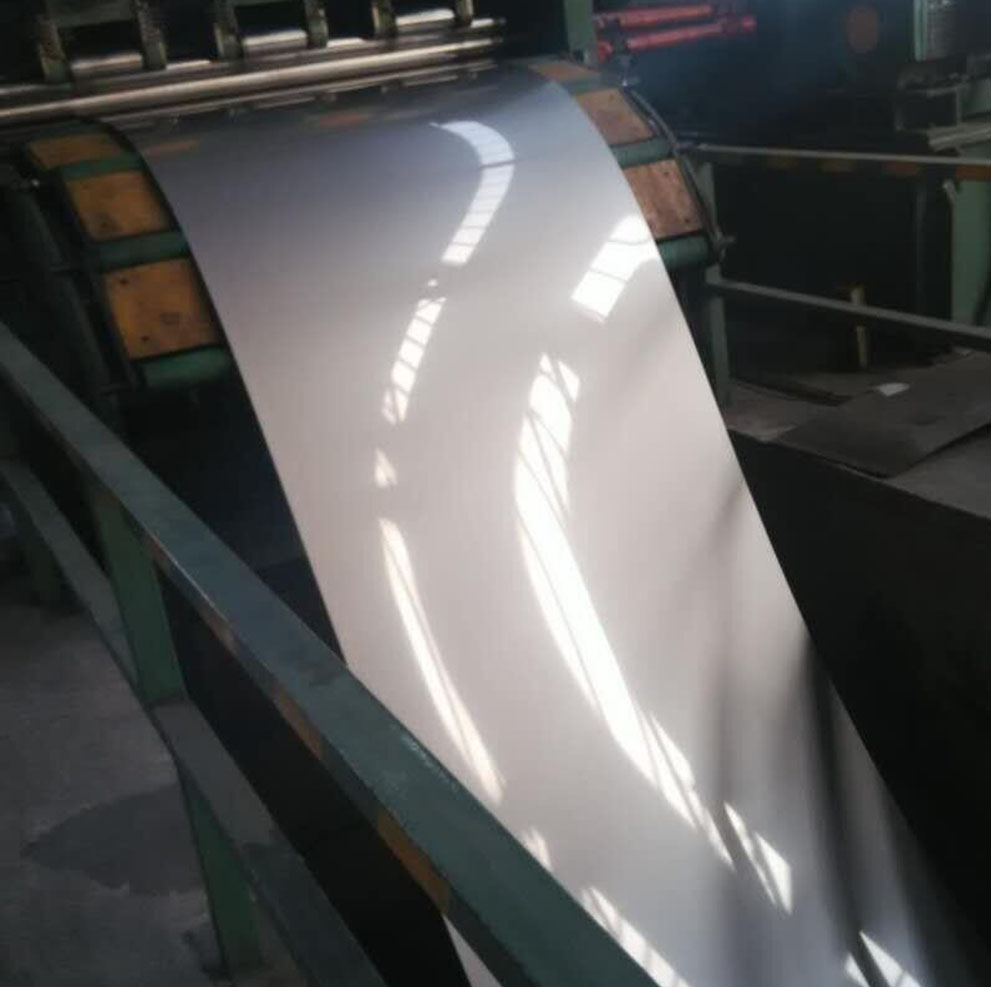
Coil pricing works best for high-volume fabrication. The stainless steel coil price offers the most cost-effective procurement method for major OEMs. If your facility utilizes continuous stamping, roll-forming, or in-house slitting, coils provide unmatched economies of scale. You buy massive continuous rolls directly from the mill. However, this method carries significant risks. It requires capital-intensive material handling equipment. You need heavy-duty forklifts, uncoilers, and straighteners to process master coils safely.
Sheet and plate pricing caters to cut-to-length and custom manufacturing. The stainless steel sheet cost inherently includes processing premiums. The service center must perform leveling, shearing, and edge conditioning before shipping the metal to you. They charge for this labor and machinery time.
When applying a critical evaluation lens, buying pre-cut sheets makes profound financial sense for many businesses. It actively reduces your in-house labor hours. It also eliminates the vast majority of scrap waste generated during the decoiling process. For mid-volume fabricators, these secondary savings easily offset the higher upfront material cost.
Macro Drivers Influencing the Stainless Steel Price Per Ton
Global economic currents constantly shift metal valuations. You cannot predict local pricing without monitoring international market trends. Several distinct macroeconomic drivers dictate the final stainless steel price per ton. Understanding these forces helps you anticipate market corrections before they damage your margins.
Global Raw Material Markets: Supply constraints in major nickel-producing regions immediately impact global alloy surcharges. Political instability or natural disasters in mining districts can trigger massive overnight price spikes. When raw material exchanges panic, mills pass those costs directly to buyers.
Energy and Freight Costs: Steel production remains incredibly energy-intensive. Mills consume vast amounts of electricity and natural gas to melt alloys. Fluctuations in industrial energy indices, such as PPI data, directly correlate with mill base price adjustments. High diesel prices also inflate the final delivered cost of every shipment.
Scrap Availability: Modern steelmaking relies heavily on recycling. The availability of high-quality stainless scrap directly influences mill expenses. The specific ratio of recycled scrap to virgin materials used by the mill affects the final price. When scrap supplies tighten, mills must buy expensive virgin alloys, driving up costs.
Geopolitical Tariffs and Quotas: International trade policies reshape domestic supply chains instantly. Tariffs, such as the Section 232 import restrictions, dictate domestic supply availability. By limiting cheap imported metals, these quotas allow domestic mills to charge premium pricing across the board.
Procurement directors must monitor these four pillars weekly. Subscribing to market intelligence reports provides a distinct competitive advantage. It empowers you to lock in long-term contracts right before energy or tariff policies trigger market-wide price hikes.
Shortlisting a Reliable Stainless Steel Supplier
Looking strictly at the lowest initial quote represents a dangerous procurement strategy. Choosing a vendor solely based on the cheapest spot price introduces massive supply chain fragility. If a cheap vendor fails to deliver on time, your production lines shut down entirely. Finding a reliable stainless steel supplier requires evaluating them across several critical dimensions.
First, assess their inventory depth and scalability. You need to know if the supplier can buffer you against sudden market shortages. A strong partner holds sufficient safety stock. They shield you from unexpected mill delays or global shipping crises. Ask them directly about their warehousing capacity and average inventory turnover rates.
Second, evaluate their value-added processing capabilities. Do they offer slitting, blanking, or polishing in-house? A vendor that processes the metal before shipping can drastically reduce your secondary manufacturing costs. It streamlines your supply chain by removing third-party processing centers from the equation.
Third, demand absolute transparency in quality assurance and traceability. You must set a mandatory requirement for certified Mill Test Reports (MTRs) on every order. Ensure they maintain strict adherence to ASTM and ASME standards. Counterfeit or off-spec metals will ruin your final products and destroy your brand reputation.
Finally, analyze their logistics and Just-In-Time (JIT) delivery networks. Assess their regional proximity to your primary manufacturing hubs. A closer vendor dramatically reduces freight costs. Furthermore, rapid JIT deliveries minimize the amount of capital you must tie up in carrying warehouse inventory.
Conclusion
Mastering industrial metal procurement requires far more than casual price checking. You must rigorously analyze the alloy surcharge and understand its connection to global commodities. Selecting the exact material grade for your specific application prevents disastrous over-engineering. Furthermore, balancing the economies of bulk coil versus pre-cut sheet processing ensures your factory operates at peak financial efficiency.
We strongly recommend procurement teams audit their current supply contracts immediately. Check your existing agreements for surcharge transparency and hidden logistical fees. Always request comprehensive Mill Test Reports (MTRs) on all prospective orders to guarantee structural integrity.
Take control of your manufacturing costs today. Reach out to our technical team for a custom quote or a structural cost analysis based on your specific volume and processing needs. We can help you navigate these complex market dynamics.
FAQ
Q: How often do stainless steel prices change?
A: Base prices typically remain stable for several months under contract. However, alloy surcharges change on a strict monthly cycle. Mills calculate these monthly adjustments by averaging the spot prices of raw commodities, like nickel and chromium, from the previous month.
Q: What is the difference between price per pound and price per ton?
A: Retailers and service centers quote small-batch or custom orders by the pound. Conversely, industrial procurement defaults to the price per metric or short ton. High-volume mill buyers always negotiate by the ton to leverage massive economies of scale.
Q: Does scrap metal value affect new stainless steel pricing?
A: Yes, it significantly impacts final costs. Many modern mills use Electric Arc Furnaces (EAF) to melt metals. High availability of clean, recyclable scrap lowers their reliance on expensive virgin alloys. This abundant scrap availability stabilizes overall market prices for new coils.
Shandong Sino Steel Co., Ltd. is a comprehensive company for steel production and trading. Its business includes production, processing, distribution, logistics and import& export of steel.