Finding a transparent, fixed price for steel is a common frustration for both commercial and retail sellers. Constant market volatility and opaque buyer practices often cloud the true value of your materials. Global commodity indices, localized freight costs, and specific metal grades cause steel prices to fluctuate daily. You might see one rate advertised online, only to receive a completely different payout at the scale. This discrepancy creates confusion and hurts your bottom line.
This article provides an objective framework for understanding how buyers value steel. You will learn how to calculate expected payouts accurately based on weight and material grade. We will also show you how to evaluate processing partners properly. By mastering these concepts, you avoid misleading online estimates and secure the best possible return for your metal.
Key Takeaways
Pricing format: Steel is typically quoted as a steel price per ton for industrial B2B loads, while retail sellers usually see a steel cost per pound rate.
Condition matters: Prepared, sorted, and clean steel commands a premium; mixed or contaminated loads receive downgraded pricing.
Market volatility: Online "today’s prices" are baseline estimates; actual payouts are finalized strictly at the calibrated scale.
Material variety: Pricing spans a massive range, from low-value light iron scrap to high-value industrial materials like new steel coil price benchmarks.
Understanding Current Steel Prices: Scrap vs. Raw Material
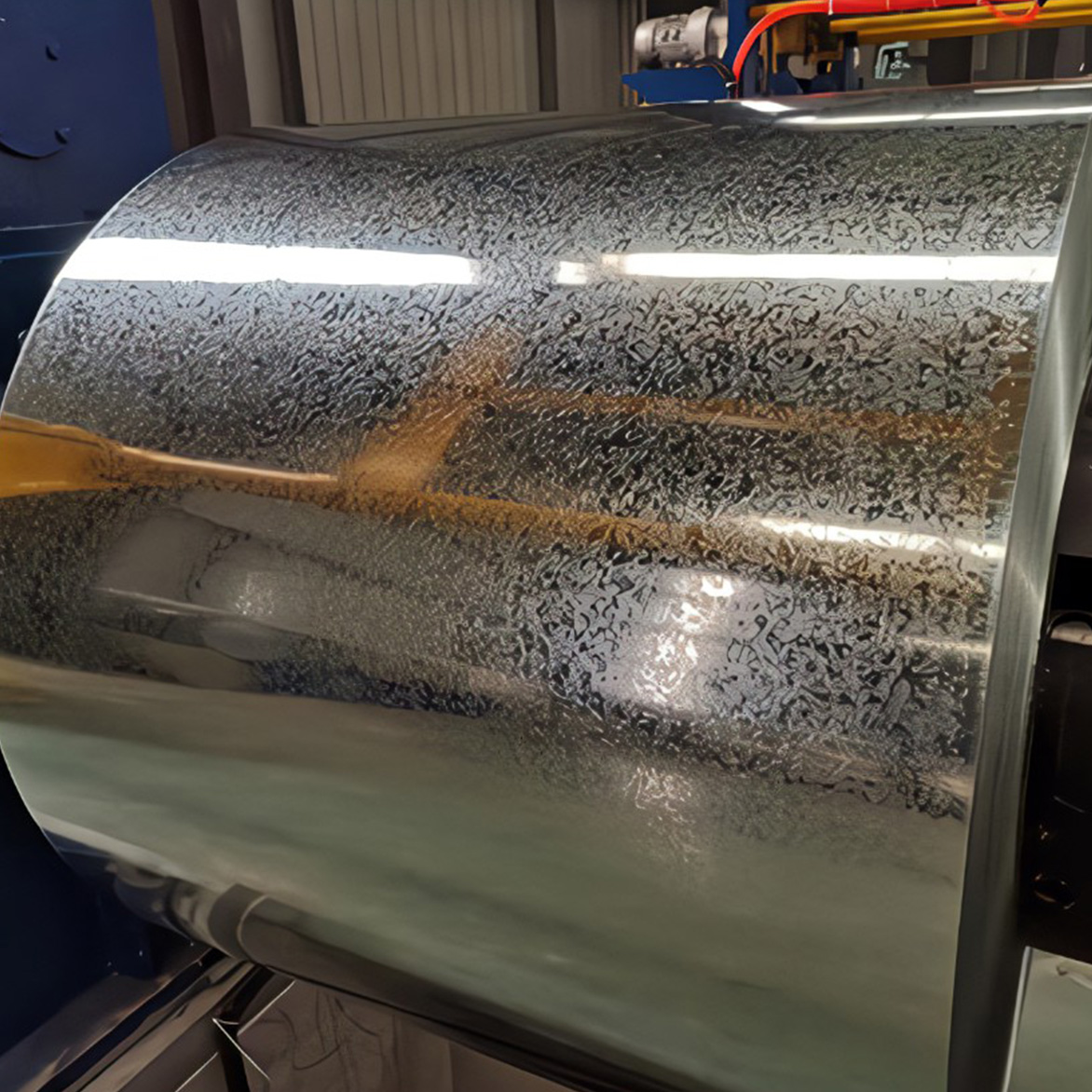
The steel market operates across two distinct pricing ecosystems. You must understand the difference between scrap recovery value and raw material costs. Scrap yards pay a recovery value for recycled metals. This figure represents what buyers can offer while still maintaining margins for processing, shredding, and transporting the metal to mills. Conversely, manufacturers purchase new raw materials at much higher commodity rates. For example, they reference a benchmark steel coil price when buying pristine, ready-to-use metal. You cannot expect scrap payouts to match raw commodity indices.
Retail vs. Wholesale (B2B) Pricing
Walk-in retail sellers face different pricing structures than industrial clients. Scrap yards process small loads from retail sellers manually. This labor-intensive process results in a lower per-pound payout. Retail transactions prioritize quick turnaround over high volume. Sellers bring materials in pickup trucks or small trailers. The yard weighs the load, deducts impurities, and issues a standard door rate.
Commercial and industrial B2B structures look very different. Yards offer volume premiums to businesses generating continuous scrap. These commercial contracts often include customized logistics. Buyers might provide on-site roll-off bins and absorb the freight costs. Industrial sellers negotiate a specific steel price per ton rather than a per-pound rate. This bulk pricing model guarantees a steady supply for the yard while maximizing returns for the seller.
The Volatility Factor
Steel pricing remains inherently volatile. Global markets shift hourly based on international supply chains, energy costs, and mill demand. Advertised rates serve only as temporary estimates. An online quote pulled at breakfast might drop significantly by the afternoon. Actual payouts depend entirely on the exact time of scale weighing. We always advise sellers to treat published yard prices as baselines. You lock in your final payout only when your truck crosses the certified scale.
Classification and Grades: What Impacts Your Steel Cost per Pound?
Not all steel holds the same value. Metal buyers classify materials strictly by chemical composition and physical dimensions. The specific grade of your metal dictates your final steel cost per pound. Understanding these classifications prevents unexpected downgrades at the yard.
Ferrous vs. Non-Ferrous Basics
The evaluation process begins with a simple magnet test. Ferrous metals contain iron and will attract a magnet strongly. Standard steel falls into this category. Non-ferrous metals, like aluminum or copper, do not attract a magnet. Ferrous metals trade at lower prices due to their abundance. Testing your materials beforehand sets accurate baseline expectations. It prevents you from confusing low-value steel items with higher-value aluminum components.
Common Steel Grades (Hierarchy of Value)
Scrap buyers categorize ferrous metals into specific grades. The Institute of Scrap Recycling Industries (now ReMA) sets widely accepted standards for these categories. Following these guidelines ensures you receive fair market value.
Heavy Melting Steel (HMS): This category commands the highest scrap value. It includes thick structural pieces, heavy machinery parts, and industrial plates. HMS materials require less processing energy to melt down. Buyers typically divide this into HMS 1 (no galvanized or blackened steel) and HMS 2.
Prepared vs. Unprepared: Size matters significantly in metal recycling. Prepared steel is cut into specific dimensions (usually under 3 feet by 1.5 feet) so it fits directly into a smelter. Unprepared steel requires the yard to expend labor and torch-cutting gas. You will always receive a lower payout for oversized, unprepared loads.
Light Iron / Shredded: This includes thin sheet metal, old appliances (white goods), and roofing materials. Light iron yields less pure steel and requires massive industrial shredders to process. Consequently, it sits at the bottom of the pricing hierarchy.
Stainless Steel: Stainless steel represents a distinct pricing category. It contains valuable alloys like nickel and chromium. Because it resists rust and features special alloys, it pays significantly more than standard ferrous scrap. Most 300-series stainless steel requires non-magnetic verification, as the alloy composition makes it non-magnetic.
Calculating Your Load: Steel Weight Conversion and Yield
Understanding the math behind your quote protects you from undervalued payouts. Buyers use specific metrics and weighing procedures to determine your final ticket. Mastering a basic steel weight conversion ensures you can compare quotes accurately across different buyers.
The Math Behind the Quote
Different buyers and regions use different tonnage measurements. A yard might quote you a fantastic price, but you must verify the unit of measure. Misunderstanding these units leads to skewed revenue projections.
Standard Weight Conversions for Metal Trading
Measurement Unit
Pound Equivalent (lbs)
Kilogram Equivalent (kg)
Common Usage
Short Ton (Net Ton)
2,000 lbs
907.18 kg
Standard US retail scrap yards
Gross Ton (Long Ton)
2,240 lbs
1,016.05 kg
US industrial and bulk rail freight
Metric Ton (Tonne)
2,204.6 lbs
1,000 kg
Global commodity trading and exports
Gross vs. Tare vs. Net Weight
Your payout depends entirely on the net weight of your material. The yard calculates this using a commercial weighbridge. First, you drive your fully loaded vehicle onto the scale. This generates the Gross Weight. After dumping your material in the designated zone, you drive your empty vehicle back onto the scale. This establishes the Tare Weight. The yard subtracts the Tare from the Gross to determine the Net Weight. You must ensure the yard accounts for your vehicle's correct tare weight, including any extra passengers or tools left inside the cab.
Yield Loss and Deductions
Net weight does not always equal payable weight. Scale operators visually inspect dumped loads for non-metal debris. They evaluate the material yield. If your steel includes excessive plastic, thick rubber attachments, or heavy concrete chunks, the yard applies a deduction. Severe rust and packed dirt also reduce the recoverable metal. Discuss these yield expectations upfront to avoid surprises on your final receipt.
Evaluating Processing Partners: Metal Pricing for Buyers and Sellers
Choosing the right processing partner impacts your bottom line as much as market indices do. You need buyers who prioritize transparency and operate compliant facilities. Navigating metal pricing for buyers requires a critical eye on yard practices and logistics.
Scale Calibration & Compliance
Always inspect the facility's weighing equipment. Reputable yards use state-certified scales. In the United States, look for NTEP (National Type Evaluation Program) certification stickers. The yard should also feature digital weight readouts clearly visible to the customer. Visible readouts guarantee you can verify the gross and tare weights in real-time. Never accept a hand-written weight from an operator who hides the digital display.
Transparent Payout Terms
Evaluate how the buyer handles the final transaction. A trustworthy yard provides a clear, itemized weight ticket. This ticket breaks down the distinct grades of steel you delivered, the net weight of each grade, and the corresponding unit price. They offer immediate payment options via check, cash (where legally permitted), or electronic transfer. Contrast this with opaque operations that group all your materials into one generic lump sum without providing an itemized breakdown.
Logistics and Freight Analysis
Industrial B2B sellers must evaluate how transportation costs impact their net revenue. A buyer might offer an incredibly high price per ton but charge exorbitant hidden fees for trucking and roll-off bin rentals. Another buyer might quote a slightly lower baseline price but include free hauling and zero bin rental fees. You must calculate the net payout after all logistical deductions to determine the truly superior processing partner.
Implementation Risks: What Scrap Yards Reject or Downgrade
Even perfectly calculated loads face rejection if they violate yard safety policies. Scrap processors enforce strict rules regarding incoming materials. Failing to adhere to these rules results in severe financial penalties or outright load rejections.
Common Contaminants and Dealbreakers
Yards will immediately reject loads containing hazardous materials. You cannot bring sealed containers, pressurized propane tanks, or uncut oil drums. These items pose massive explosion risks inside metal shredders. Additionally, yards turn away structural steel coated in asbestos or excessive lead paint. Excessive concrete or wood bolted to heavy steel also triggers rejections. You must remove these non-metal attachments before arriving.
The "Mixed Load" Penalty
One of the most common mistakes sellers make involves commingling their metals. If you throw high-value stainless steel, thick HMS 1 steel, and cheap light iron into the same bin, the yard applies a mixed load penalty. Scale operators do not have the time to sort your truck for you. They will classify the entire load based on the lowest value material present. Failing to separate your grades destroys your profit margins instantly.
Actionable Pre-Arrival Checklist
Protect your payout by following a strict operational procedure before you dispatch your metal.
Sort rigorously: Separate your materials into distinct bins based on grade. Keep light sheet metal away from heavy structural beams. Keep stainless steel completely isolated.
Clean the metal: Strip away attached plastics, heavy rubber, wood, and thick glass. Remove obvious non-metal debris to prevent yield deductions.
Call ahead: Contact the facility before departure. Ask for their current restrictions and verify they accept your specific type of material on that given day.
Conclusion
Securing the most profitable steel payouts requires more than just checking an online commodity index. You must properly prepare and separate your materials to avoid mixed-load penalties. You must also master the math behind weight conversions, ensuring you understand exactly how your net tonnage is calculated. Most importantly, you must partner with a certified buyer who utilizes calibrated scales and offers transparent, itemized weigh tickets.
Your next step is to audit your current metal inventory. Separate your light iron from your heavy melting scrap. Estimate your total tonnage using standard conversion metrics. Finally, contact a certified, local processing facility to request a real-time quote based on your highly sorted, clean material grades.
FAQ
Q: Does rust affect the price of steel per pound?
A: Yes. Severe rust degrades the weight and quality of the metal, often downgrading it to a lower classification or resulting in weight deductions. Surface rust is generally acceptable for heavy melting grades and will not heavily impact industrial payouts.
Q: Why is the price at the yard different from the price I saw online?
A: Online prices are often regional averages or based on the opening commodities market. Local yard prices factor in immediate local demand, current freight costs, and exact material grading at the scale. The yard's physical location dictates the final offer.
Q: Can I lock in a steel price per ton before delivery?
A: Usually, prices are fixed at the moment of weighing. However, some industrial B2B contracts may offer short-term price locks for large, verified volume shipments. Retail walk-in sellers generally cannot lock in prices ahead of time.
Q: How do I test my steel before bringing it in?
A: Use a standard magnet. If it sticks strongly, it is a standard ferrous steel or iron. If it does not stick, or has a very weak pull, it may be a higher-value alloy like certain grades of stainless steel or aluminum.
Shandong Sino Steel Co., Ltd. is a comprehensive company for steel production and trading. Its business includes production, processing, distribution, logistics and import& export of steel.