Yes, galvanized steel is highly magnetic. The underlying carbon steel core dictates its ferromagnetic properties almost entirely. Meanwhile, the thin outer layer of zinc exerts only a minor shielding effect. You must understand this material property accurately to make sound engineering decisions. Miscalculating magnetic permeability easily disrupts electromagnetic interference (EMI) planning. It also affects automated magnetic handling processes and sensor compatibility.
This guide covers the underlying physics of magnetic materials. We explore comparative material frameworks against stainless steel alternatives. We also detail essential quality assurance testing and operational risk management. Procurement and engineering teams will learn how to specify, handle, and deploy these materials safely. You will discover exactly how thermal processing changes magnetic retention. We aim to equip you for better procurement strategies and much safer facility operations.
Key Takeaways
Core Property: Galvanized steel retains the strong magnetic characteristics of its base metal (typically carbon steel), characterized by aligned magnetic domains.
The Zinc Variable: Hot-dip galvanizing and its resulting zinc layer (typically 1.4–3.9 mils) do not neutralize magnetism but can marginally dampen magnetic pull force by up to 10-15%.
Sourcing Distinction: For strictly non-magnetic applications (e.g., medical imaging, highly sensitive electronics), austenitic stainless steel is required, not galvanized metal.
Handling Considerations: Galvanized materials remain fully compatible with magnetic lifting systems, CNC machining, and automated fixturing, provided surface friction variations are accounted for.
The Physical Mechanisms of Galvanized Steel Magnetism
Base Metal Ferromagnetism
Standard galvanized metal utilizes a low-to-medium carbon steel core. This core provides the fundamental structural integrity and magnetic response. Iron makes up the vast majority of this base metal. Iron atoms feature unpaired electrons within their atomic lattice. These unpaired electrons align themselves into distinct magnetic domains. When exposed to an external magnetic field, these domains shift and align rapidly. This alignment generates a very strong magnetic field response. The base metal dictates the overall magnetic behavior of the final product. You cannot change this inherent ferromagnetism simply by adding a surface coating.
The Diamagnetic Coating
Zinc serves as the protective outer layer for galvanized materials. Zinc itself is intrinsically diamagnetic. Diamagnetic materials actively repel magnetic fields rather than attract them. However, you must consider the scale of this application. Manufacturers apply zinc in microscopic layers compared to the thick steel substrate. Because it is so thin, the zinc cannot block the magnetic field. Instead, it acts as a slight physical gap between the magnet and the steel. Engineers call this a shielding effect. It functions identically to a thin piece of paper placed between a magnet and a refrigerator.
Thermal Processing Impact
Manufacturing processes directly influence the final magnetic flux. Hot-dip galvanizing typically requires temperatures between 450°C and 480°C. This intense heat causes a slight annealing effect within the steel core. Annealing relaxes the internal grain structure. This relaxation leads to a minor magnetic dipole reduction. Consequently, hot-dipped materials might show slightly lower magnetic retention than raw steel. Conversely, cold-rolling processes physically compress the steel at room temperature. Cold-rolling alters the microstructure significantly. This mechanical stress increases magnetic retention and overall magnetic strength. You must account for these processing variations when calculating automated handling requirements.
Material Format and Procurement Considerations
Specifying by Form Factor
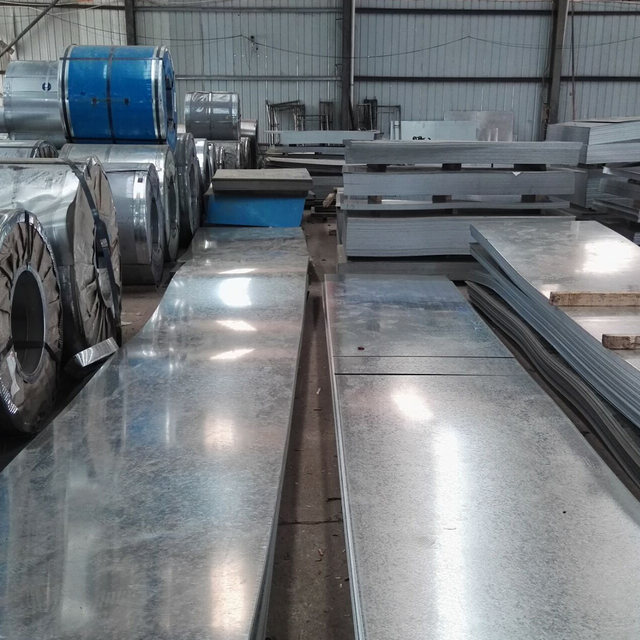
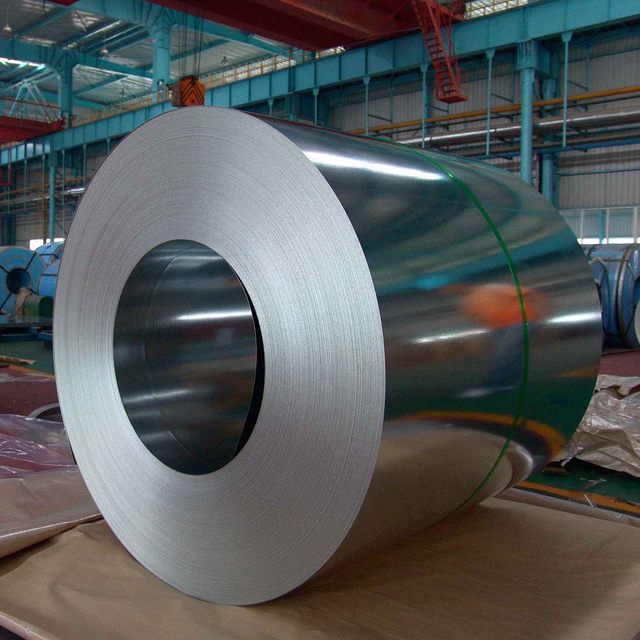
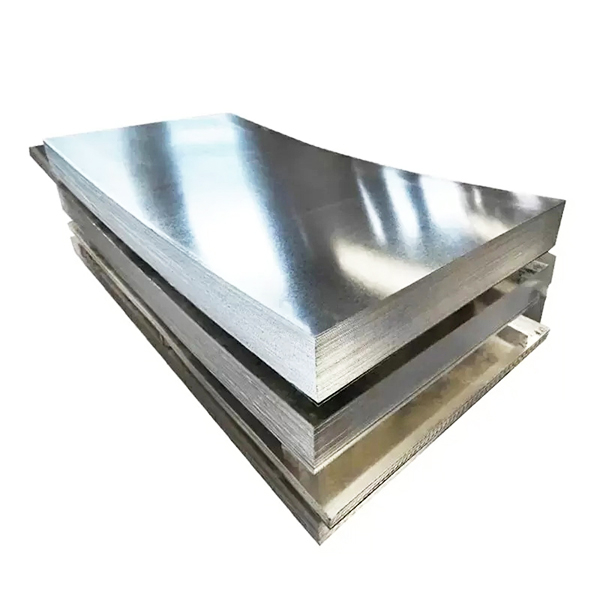
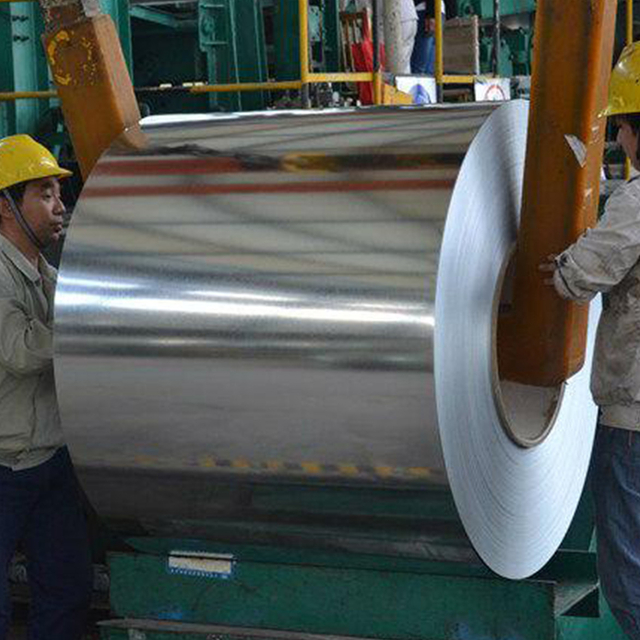
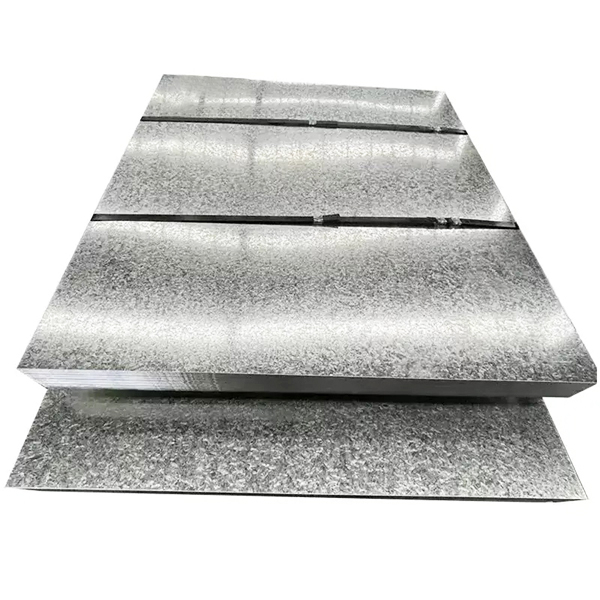
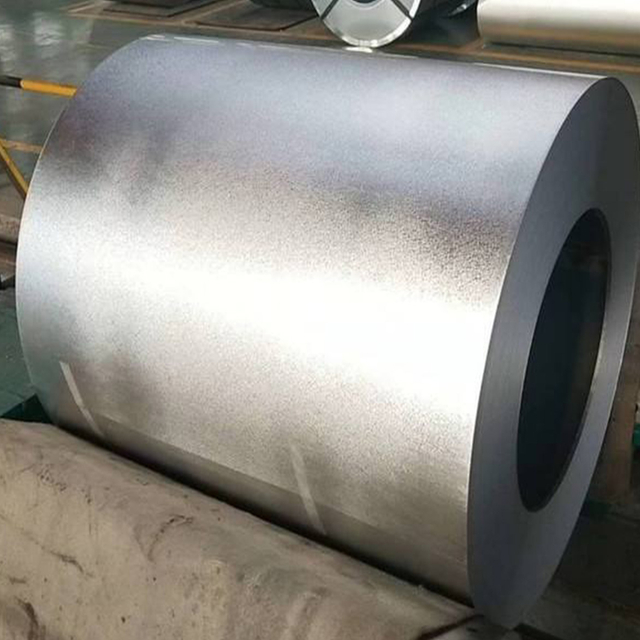
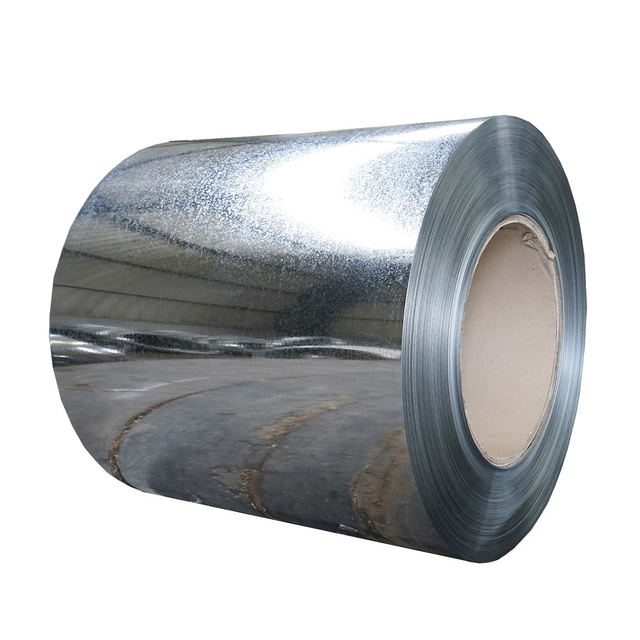
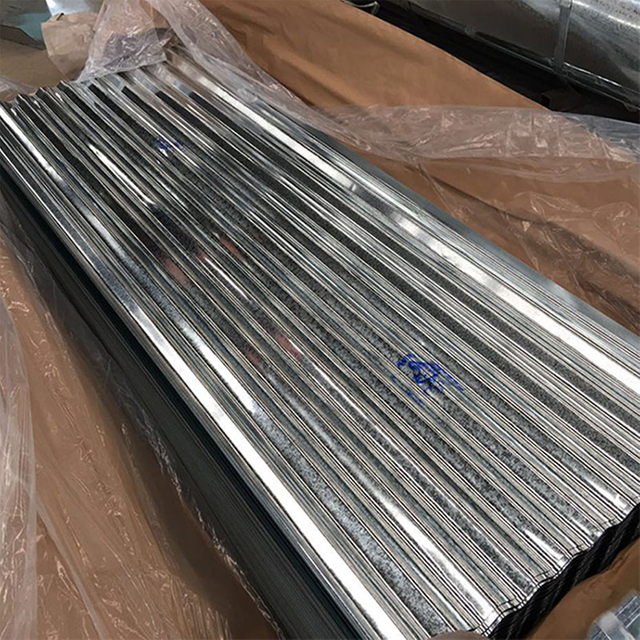
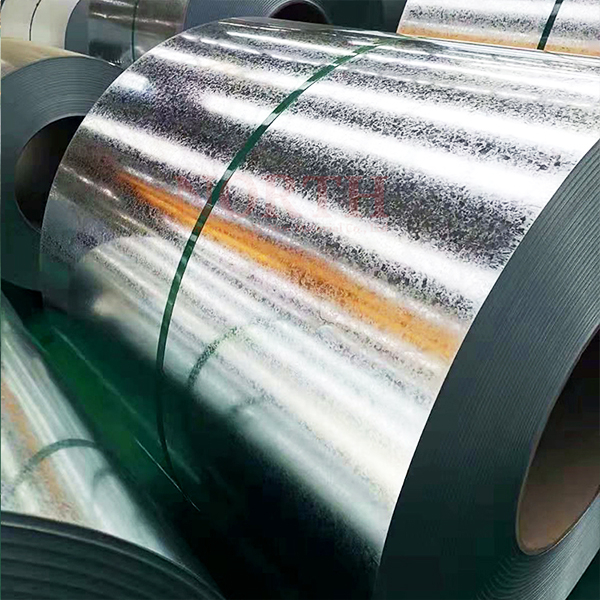
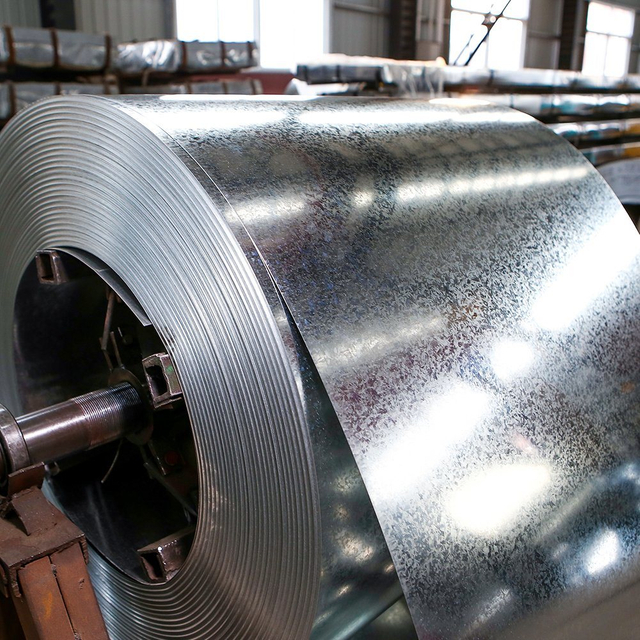
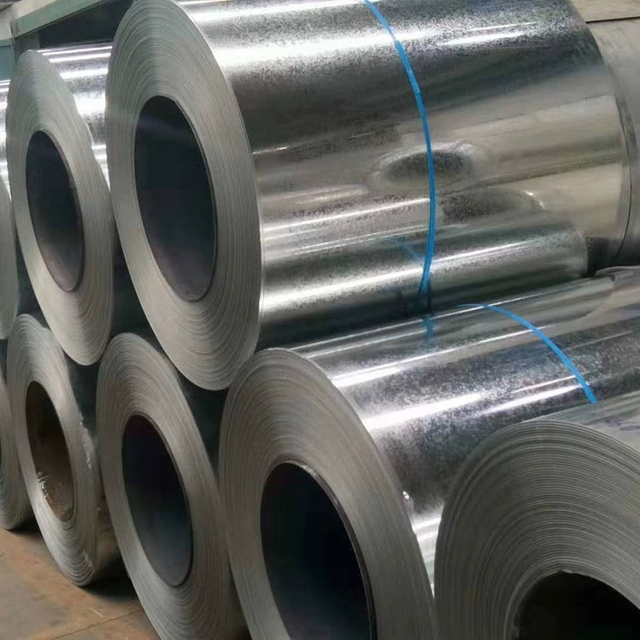
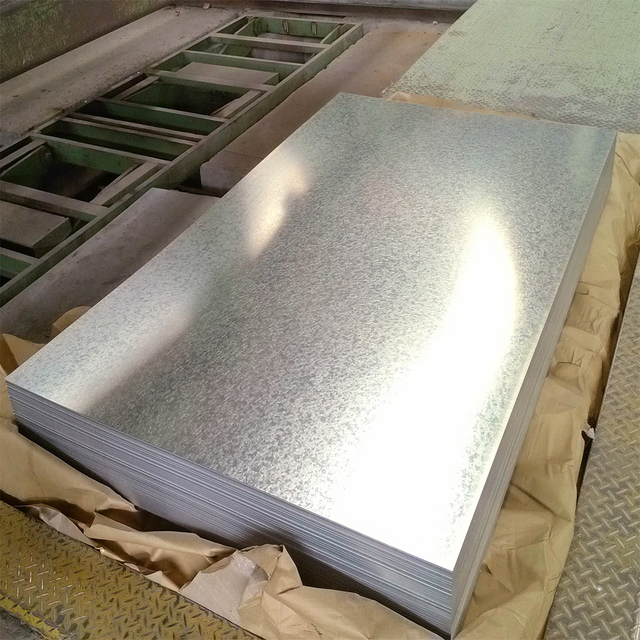
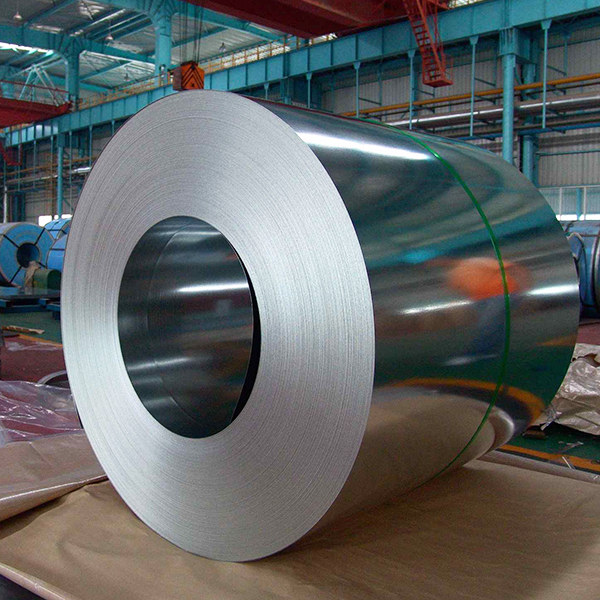
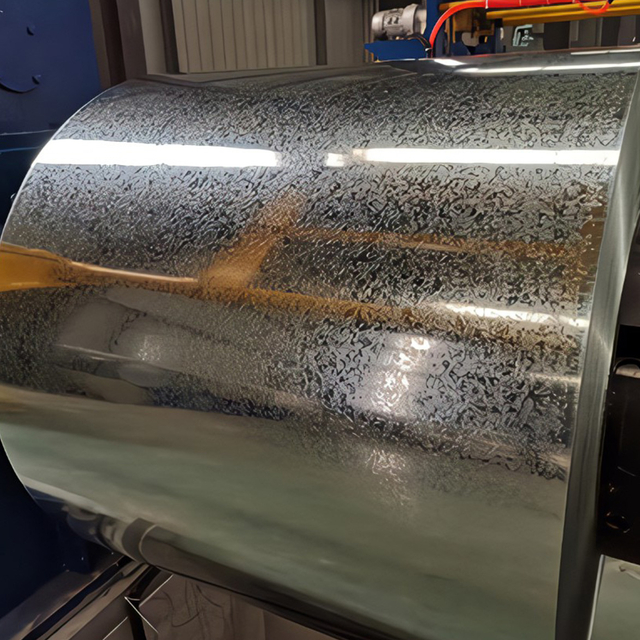
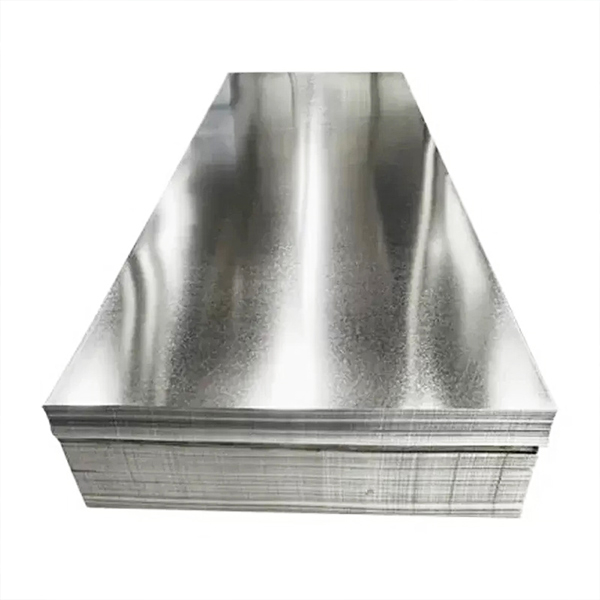
Magnetic properties behave differently depending on the bulk format you order. A standard galvanized steel sheet displays highly uniform magnetic attraction across its entire flat surface. You can deploy magnetic lifters predictably across these broad planes. However, coiled materials introduce different geometric challenges. A tightly wound galvanized steel coil often exhibits concentrated magnetic flux at its extreme edges. The slitting process shears the metal and stresses the crystalline structure at the boundary. This localized stress temporarily alters the magnetic field concentration. You must configure edge-handling sensors carefully to accommodate these flux spikes.
Thickness-to-Pull Ratio
Engineers must evaluate the thickness-to-pull ratio before designing automated handling systems. The protective zinc layer introduces an effective air-gap equivalent. Thicker zinc coatings inherently reduce the effective pull strength of surface magnets. If your zinc layer exceeds 50 microns, you will notice a measurable drop in magnetic adherence. The magnet physically sits further away from the ferromagnetic core. You must calculate this gap precisely. Upgrading to stronger neodymium magnets often solves this adherence drop. Do not assume bare steel pull-strength charts apply perfectly to heavily coated structural members.
Industrial Measurement Standards
Procurement teams rely on rigorous quality assurance metrics. They frequently use Gaussmeters to measure incoming material batches. Commercial Galvanized Steel typically registers a magnetic flux density between 0.5 to 2 Tesla. The exact measurement depends heavily on the specific alloy grade and carbon content. Higher carbon grades usually yield higher Tesla readings.
Material Format | Typical Zinc Thickness | Magnetic Attraction Uniformity | Estimated Pull Force Reduction |
Standard Sheet | 15 - 30 microns | High (Uniform across plane) | 2% - 5% |
Heavy Structural | > 50 microns | Moderate | 10% - 15% |
Slit Coil | 15 - 30 microns | Variable (Higher at edges) | 2% - 5% (Core area) |
Galvanized vs. Stainless Steel: Sourcing Decision Framework
Cost Efficiency vs. Performance Mapping
You must balance upfront procurement budgets against required magnetic performance. Galvanized materials offer exceptional corrosion resistance alongside predictable ferromagnetic behavior. They remain highly cost-efficient for large-scale industrial projects. Alternative alloys often demand massive budget increases. You should map out exactly how much magnetic interaction your project requires. Do not over-specify expensive non-magnetic alloys if your environment tolerates standard magnetic fields. Evaluate the baseline performance requirements of your sensors and fixturing tools first.
When to Choose Galvanized
Engineers prefer galvanized options for rugged structural applications. It dominates high-volume production runs and outdoor construction. Choose this material when magnetic adherence is either a non-issue or a strict requirement. For example, automated welding facilities rely heavily on magnetic ground clamps. Magnetic fixturing tools hold the steel securely during assembly. In these scenarios, the inherent magnetism becomes a valuable manufacturing asset rather than a liability. It provides the perfect balance of weatherproofing and handling convenience.
When to Pivot to Stainless
Some operational environments demand absolute zero magnetic interference. Medical MRI facilities represent the most common example. Highly sensitive aerospace electronics also require strict electromagnetic isolation. In these cases, you must pivot away from galvanized options completely. You must source austenitic stainless steel instead. Austenitic grades contain 16-26% Chromium and very high Nickel content. This specific chemical mixture permanently alters the microstructural phase. It renders the steel entirely non-magnetic. Keep in mind, however, that not all stainless steel lacks magnetism. Martensitic and ferritic stainless steels maintain their magnetic properties.
Field Verification and Quality Assurance Protocols
Standard Magnet Testing
Incoming material inspection requires straightforward standard operating procedures (SOP). We highly recommend using rare-earth Neodymium magnets for these tests. Standard ceramic magnets often lack the necessary pull force to assess thick structural components accurately. Always clean the testing surface thoroughly before applying the magnet. Dirt, grease, or heavy oxidation layers will artificially weaken the magnetic bond. Place the magnet flush against the metal. A strong, immediate snapping action verifies the integrity of the underlying carbon steel core.
Troubleshooting Weak Attraction
Sometimes, field tests yield surprisingly weak magnetic attraction. You must systematically diagnose the root cause. Follow this basic engineering decision tree to identify the problem:
Verify Surface Cleanliness: Remove all debris, ice, or thick industrial grease. Physical obstructions act as massive air gaps.
Measure Coating Thickness: Use a digital coating thickness gauge. Excessive zinc buildup beyond standard specifications will dampen the pull force significantly.
Check for Alloy Substitution: Confirm the supplier did not accidentally ship aluminum or heavily alloyed stainless steel. Aluminum possesses zero magnetic attraction.
Inspect for White Rust: Look for heavy accumulations of zinc carbonate. This powdery byproduct physically separates the magnet from the steel.
Secondary Identification Methods
Magnetic tests occasionally yield ambiguous results in the field. When this happens, you should deploy complementary quality assurance methods. Visual inspection serves as the fastest secondary check. Look closely for crystalline "spangle" patterns on the metal surface. These snowflake-like formations confirm a hot-dip zinc application. If you need absolute certainty without destructive testing, use chemical validations. Apply a few drops of lead acetate or copper sulfate to a small test area. These chemicals react distinctively with the zinc passivation layer. They confirm the presence of a galvanized coating immediately.
Operational Risks in Magnetic Environments
Demagnetization Hazards
Facility operators occasionally attempt to demagnetize galvanized components for specific sensor environments. You must explicitly prohibit this practice. Demagnetizing steel requires heating the component to its Curie temperature. For carbon steel, this temperature sits around 770°C (1417°F). Reaching this thermal threshold violently destroys the protective zinc layer. The zinc boils off rapidly. More importantly, this process releases highly toxic zinc oxide fumes. Inhaling these fumes causes severe metal fume fever. Demagnetization ruins the material entirely and endangers your workforce.
Tooling and Handling Safety
Automated manufacturing relies heavily on magnetic lifting systems. You must warn operators against overestimating shear force friction. The zinc patina creates a notably smoother surface compared to raw, rough carbon steel. This smooth surface radically reduces surface friction. A magnetic hoist might hold the vertical lift weight perfectly. However, the sheet could easily slide sideways under horizontal shear stress.
Always derate the load capacity of magnetic hoists when handling coated metals.
Use redundant physical safety chains during overhead crane transport.
Recalibrate lateral gripping sensors to account for the smoother zinc finish.
Perform weekly pull-tests on heavily utilized magnetic clamps.
Machining Compatibility
Manufacturing teams often worry about processing magnetic materials. Fortunately, the magnetic nature of this steel does not impede standard machining operations. CNC routing, laser cutting, and industrial 3D printing applications run flawlessly. The internal magnetic domains do not deflect high-powered cutting lasers. However, you must carefully manage chip evacuation strategies. The resulting metal swarf often becomes lightly magnetized during the cutting process. Magnetized swarf clings aggressively to tooling beds and drill flutes. Implement high-pressure coolant blasts to clear magnetized chips from precision milling areas.
Conclusion
Galvanized metal remains inherently magnetic and functions with high predictability in standard industrial environments. The underlying carbon steel dictates its strong magnetic pull, while the thin zinc coating acts only as a minor physical buffer. You can integrate this material seamlessly into automated workflows utilizing magnetic handling tools.
Base your final procurement choices on a simple ratio. Weigh the specific environmental corrosion resistance you need against your project's electromagnetic tolerances. If your facility tolerates standard magnetic fields, galvanized materials provide excellent durability. Always encourage your engineering teams to specify exact coating thicknesses in their RFQs. Finally, consult directly with specialized metallurgists if electromagnetic shielding stands as a primary constraint for your next infrastructure build.
FAQ
Q: Does zinc coating block magnetism completely?
A: No. This is a common industry myth. Zinc itself is diamagnetic, but the coating is exceptionally thin. It merely creates a microscopic physical gap between the magnet and the core. This gap slightly weakens the surface pull force but never blocks the underlying iron's actual magnetic field.
Q: Can you use magnetic clamps to weld galvanized steel?
A: Yes. Magnetic ground clamps and automated fixturing tools work reliably on these surfaces. However, operators must aggressively grind and clean the localized weld zones prior to striking an arc. This preparation prevents hazardous zinc off-gassing and ensures a perfectly flush magnetic connection.
Q: How does weathering affect the magnetic properties of galvanized metal?
A: Weathering generates zinc carbonate, commonly known as "white rust." This superficial chemical reaction does not alter the underlying steel's internal magnetic structure. However, heavy, unchecked buildup of white rust can physically separate a magnet from the base metal, mimicking a loss of magnetic pull strength.