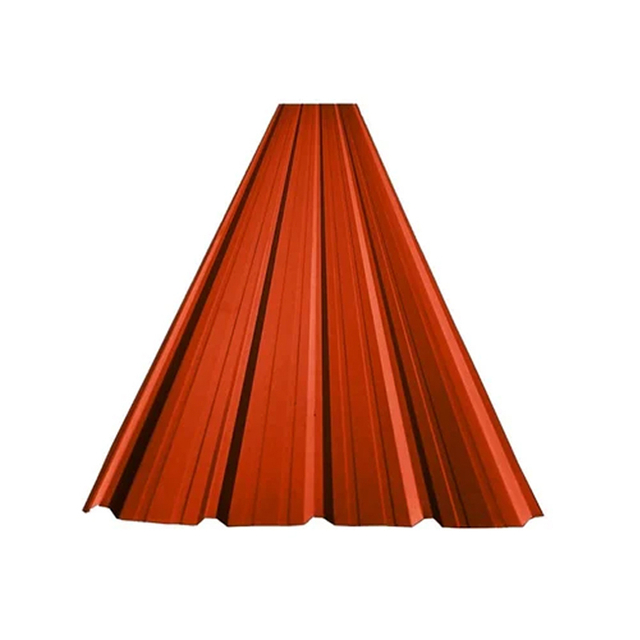
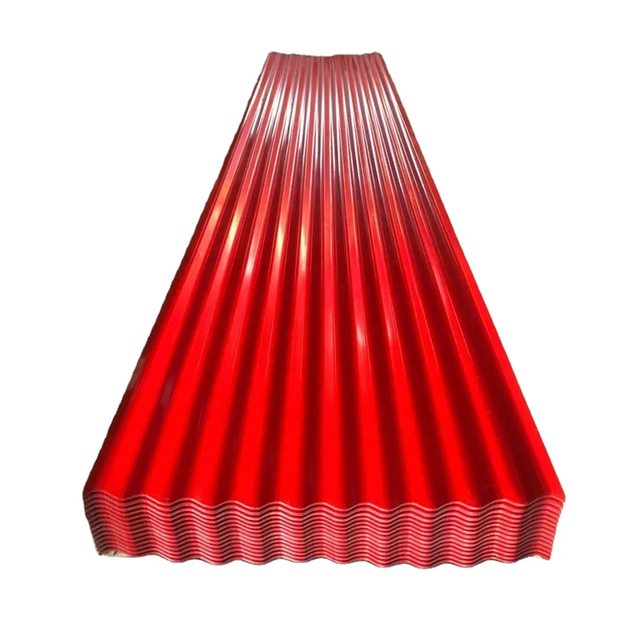
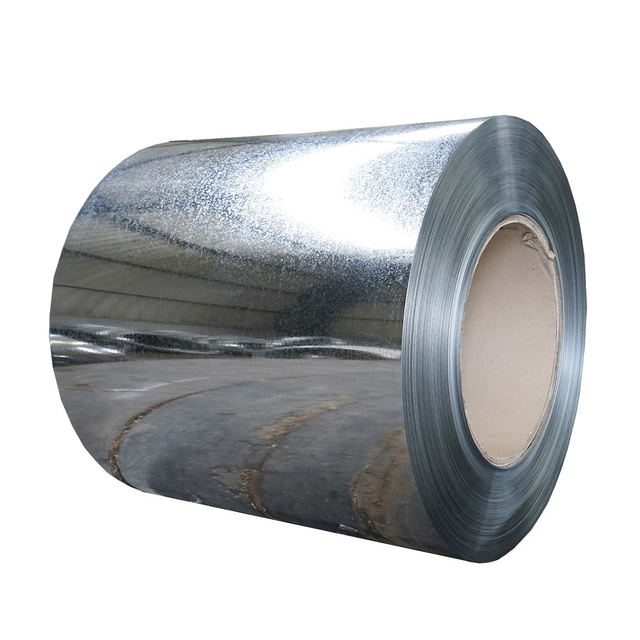
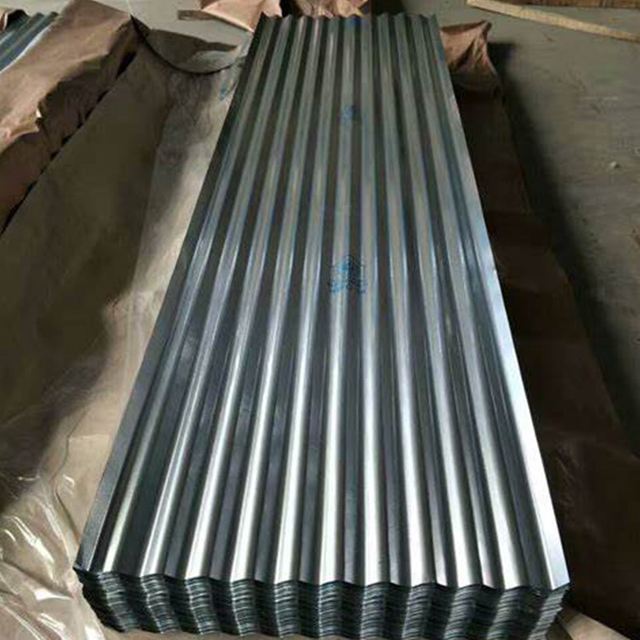
Yes, you can successfully powder coat galvanized steel to create a robust "duplex system" offering superior corrosion resistance. Combining these two distinct protective layers creates an aesthetic finish capable of surviving harsh industrial environments.
However, a newly galvanized surface is not inherently ready for powder coating right out of the bath. Without rigorous physical and chemical surface preparation, your protective coating will inevitably suffer from outgassing, pinholing, and catastrophic delamination. You cannot simply spray powder over zinc and expect it to adhere over the long term.
This guide breaks down the engineering rationale behind duplex coatings and the common pitfalls you must avoid. We will explore the strict ASTM preparation protocols required for strong adhesion. We will also provide evaluation criteria to help you properly specify powder-coated materials for your next architectural or manufacturing project.
Key Takeaways
The 2.5x Multiplier: Combining powder coating with hot-dip galvanizing provides a synergistic effect, extending the lifespan of the steel up to 2.5 times longer than either coating alone.
The Outgassing Threat: Trapped moisture and gas in the zinc layer will expand during powder curing, causing pinholes. Mandatory "pre-baking" is the only reliable mitigation.
The Oxidation Window: Zinc is highly reactive. Once profiled, galvanized components must be coated within the same work shift (ideally under 12 hours) to prevent invisible zinc oxide formation.
Standard Compliance: Successful application requires strict adherence to ASTM D7803 and SSPC-SP 16 surface preparation guidelines.
1. The Business Case: Why Invest in a Duplex System?
Understanding the interaction between powder coatings and zinc layers is crucial. You create a synergistic protective effect when you combine them. The polyester or epoxy powder acts as a tough physical barrier. It repels moisture, harsh chemicals, and physical abrasions. If a deep scratch breaches this barrier, the underlying zinc layer activates. It provides sacrificial anodic protection, corroding first to keep the bare steel safe from rust.
This dual-layer approach significantly reduces lifecycle maintenance cycles. Initial application costs are naturally higher than a single coating process. However, the drastic reduction in ongoing maintenance makes duplex systems highly cost-effective. Infrastructure and architectural projects benefit heavily from this extended durability. You will rarely need to shut down operations for unexpected repainting or rust mitigation.
Sustainability also plays a major role in modern specification. Powder coating yields virtually zero Volatile Organic Compound (VOC) emissions. Furthermore, any overspray is easily captured and recycled. Using powder-coated materials can contribute directly to LEED certification credits, particularly for indoor environmental quality. Planners highly value these low-emission building materials.
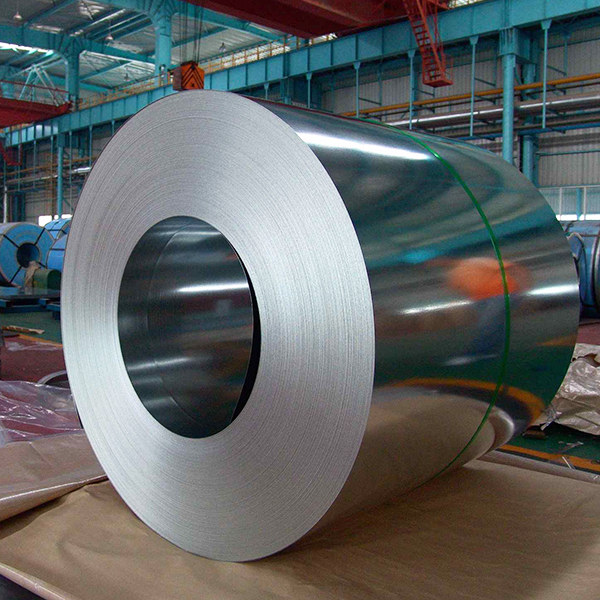
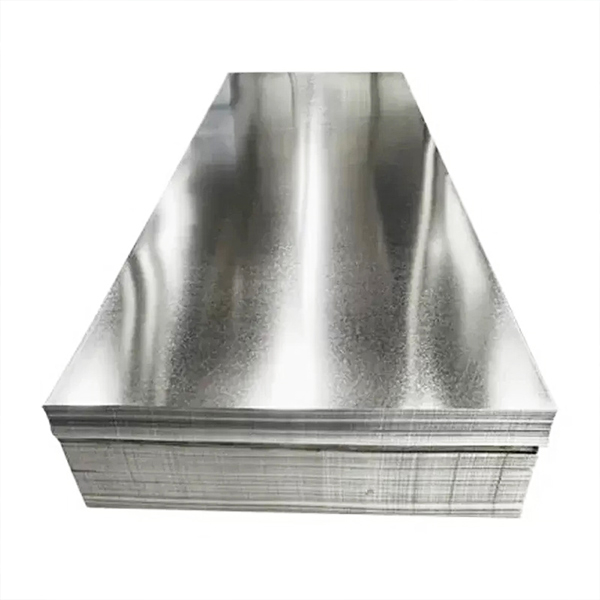
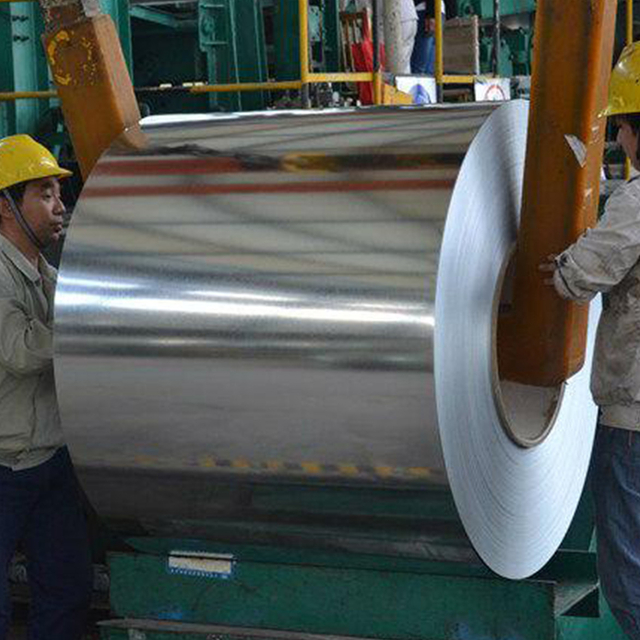
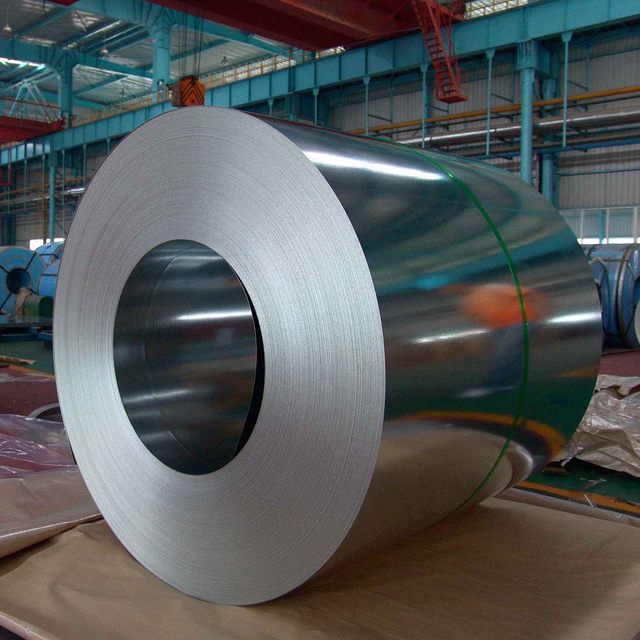
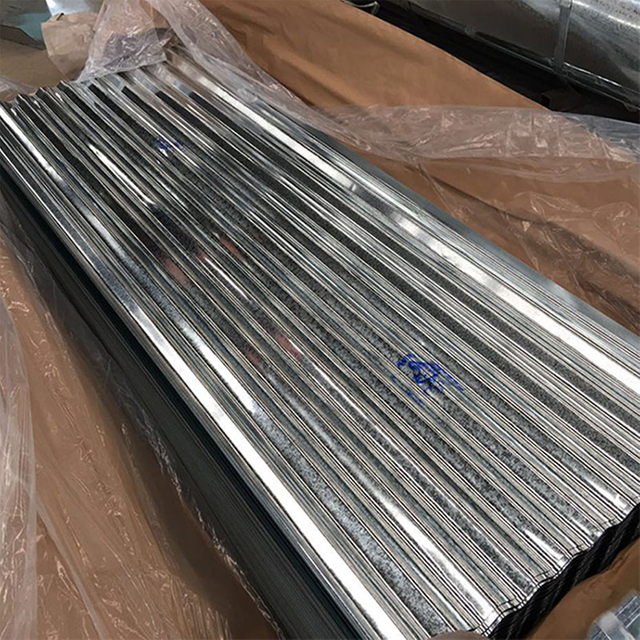
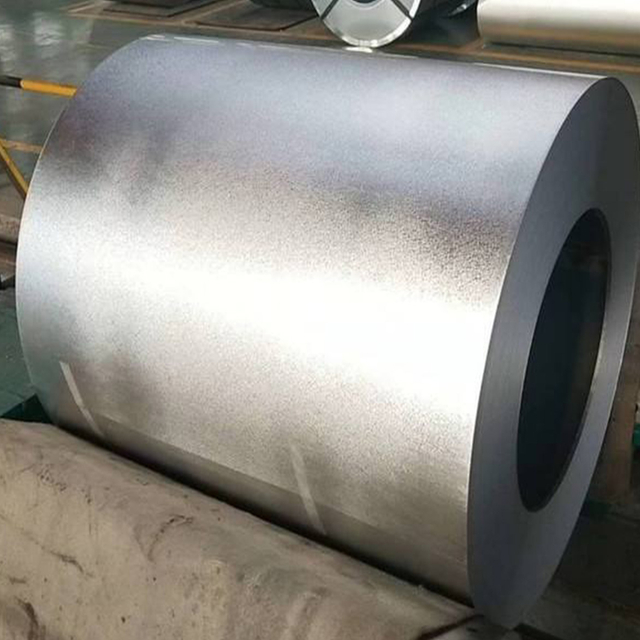
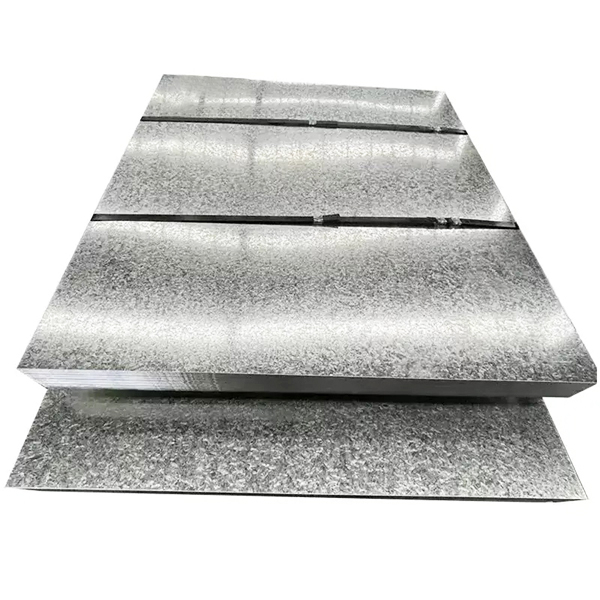
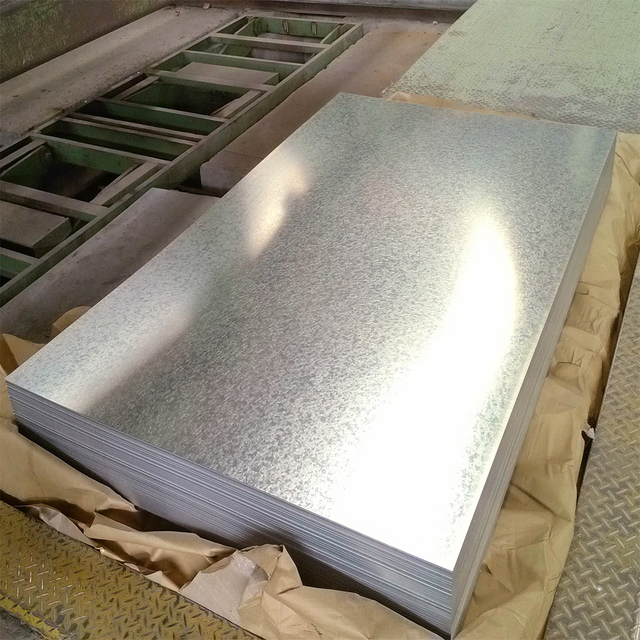
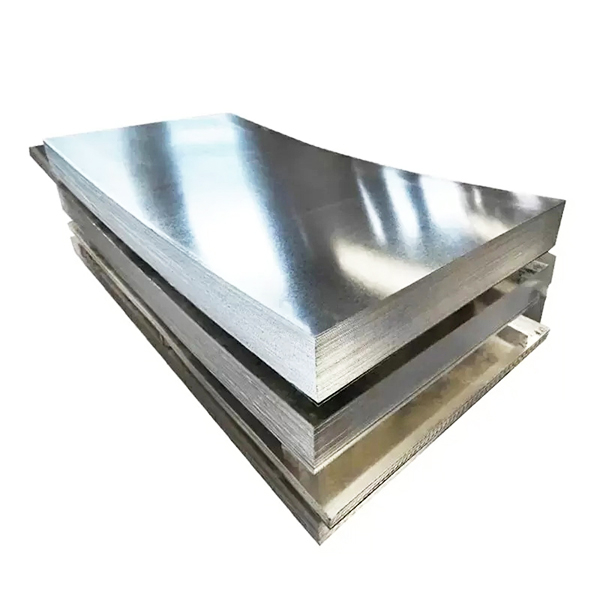
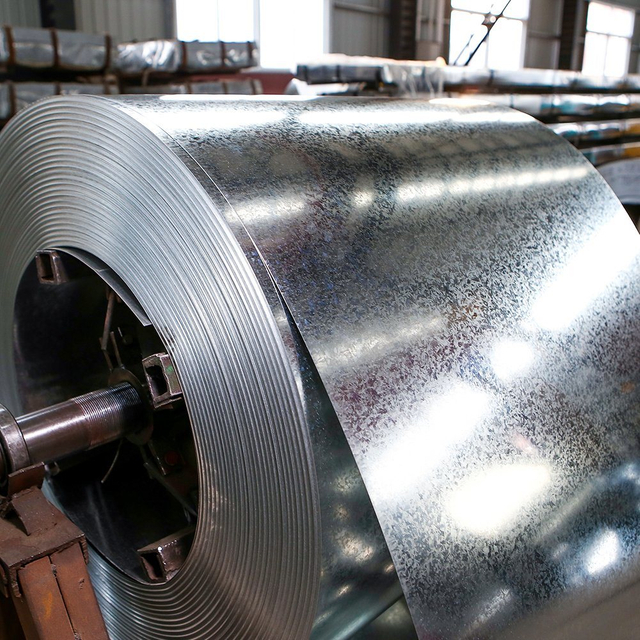
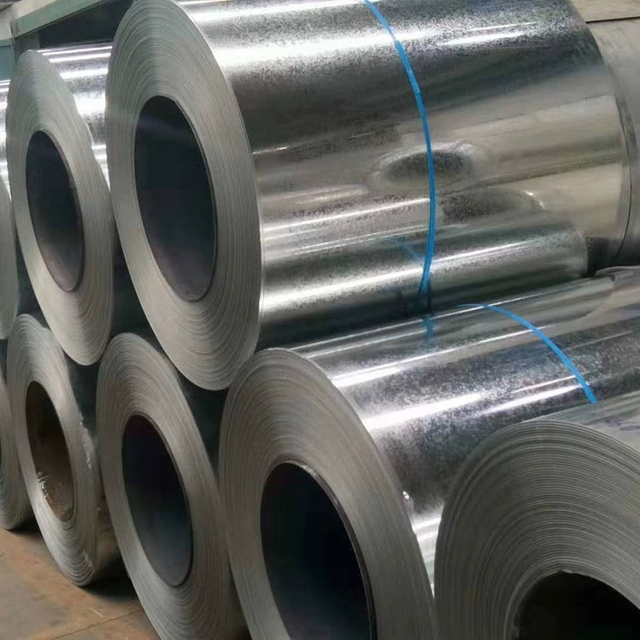
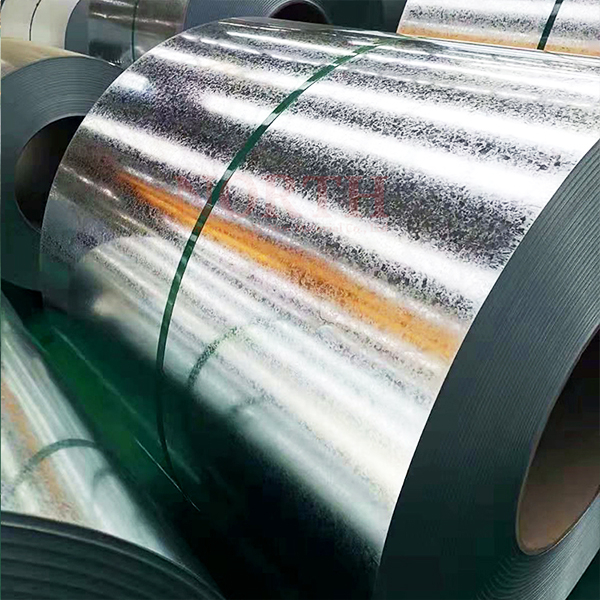
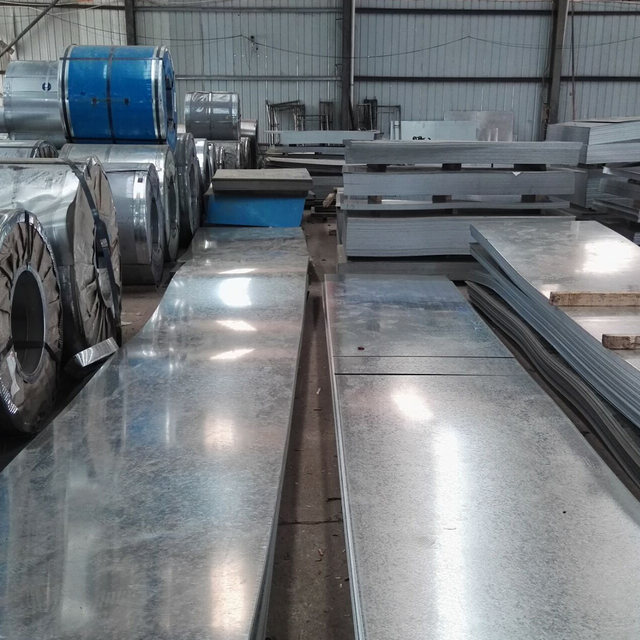
Finally, duplex systems offer immense material versatility. The application scales beautifully across different project sizes. You can apply it to massive batch-coated structural steel beams. You can also apply it to continuous galvanized steel coil processing. Many automated manufacturing lines rely on galvanized steel sheet materials that arrive pre-coated and ready for fabrication.
2. The Core Engineering Challenges: Outgassing and Reactive Zinc
Applying powder over hot-dip galvanized metal introduces specific engineering hurdles. The most prominent issue is the outgassing phenomenon. During the galvanizing process, microscopic pockets of moisture and gas become trapped within the porous zinc surface. Later, the part enters a curing oven to melt the powder coating. This oven typically runs around 180°C (356°F).
As the metal heats up, the trapped gases rapidly expand. They force their way outward through the melting polyester or epoxy layer. This violent escape creates visible bubbles, craters, and pinholes. These pinholes ruin the aesthetic finish. Worse, they provide direct channels for moisture to bypass the protective powder barrier.
Another major challenge involves the invisible zinc oxide trap. Zinc is a highly reactive metal. It begins oxidizing immediately upon exposure to atmospheric oxygen. Most people recognize "white rust" as a sign of zinc oxidation. However, microscopic zinc oxide layers form long before white rust appears. This invisible layer acts like a microscopic dust shield. It completely destroys powder coating adhesion if left untreated.
The aging variable further complicates your preparation strategy. Your approach must change based on the exact age of the zinc surface. Newly galvanized metal (under 48 hours old) requires completely different handling than partially weathered zinc (exposed for up to one year). New zinc needs aggressive surface profiling. Weathered zinc demands intense chemical cleaning to remove stubborn hydroxides and carbonates before you even begin profiling.
3. ASTM D7803 Preparation Standards for Risk Mitigation
To prevent delamination and pinholing, you must follow the precise steps outlined in ASTM D7803. This standard dictates the proper preparation of hot-dip galvanized coatings for powder application.
Step 1: Chemical and Solvent Cleaning
You must first remove all organic contaminants, oils, and grease. Physical defects like bumps, runs, and zinc drips also require careful grinding. Use weak alkaline or weak acidic solutions for chemical washing. Never use harsh caustic chemicals. Aggressive strippers will completely dissolve the protective zinc layer. Always rinse the surface thoroughly with clean water and ensure it is completely dry before proceeding.
Step 2: Surface Profiling (SSPC-SP 16)
A perfectly smooth zinc surface cannot grip powder paint. You must create a microscopic anchor profile. However, standard heavy abrasive blasting ruins galvanized steel. It rips the zinc right off the steel substrate.
Instead, the SSPC-SP 16 standard requires a specific "Sweep Blasting" technique. Operators must use non-metallic, low-hardness abrasives (Mohs scale hardness ≤ 5). Crushed glass or walnut shells work perfectly. The blast nozzle must remain at a shallow 30° to 60° angle. This careful sweeping action lightly etches the surface. It creates necessary anchor points without stripping away the crucial pure zinc (Eta) top layer. Some facilities also use chemical profiling via zinc or iron phosphate treatments as a valid alternative to sweep blasting.
Step 3: Thermal Degassing (Pre-Baking)
This is your critical risk-management step to prevent outgassing. Before applying any powder, you must pre-bake the bare, profiled steel. The oven temperature must be set 30°C (~50°F) higher than the final powder curing temperature. You must hold the metal at this elevated temperature for at least one hour.
This extreme heat forces the trapped moisture and gases to expand and escape while the metal is still bare. By the time you apply the actual powder, the microscopic pores are completely empty. They will not erupt during the final curing phase.
Step 4: Rapid Application (The Time Window)
Time is your biggest enemy once the surface is clean and profiled. You face a strict time window to apply an anti-outgassing primer and the final topcoat. Industry standards require application within 12 hours of profiling. Ideally, you should complete the entire process within the exact same work shift. Delaying the application allows invisible zinc oxide to reform, which will instantly compromise your adhesion.
Summary Chart: ASTM D7803 Preparation Flow
Step | Process Name | Key Action | Primary Purpose |
1 | Chemical Cleaning | Apply weak alkaline/acidic solutions | Remove oils, organics, and physical zinc drips. |
2 | Sweep Blasting | Use Mohs ≤ 5 abrasives at a 30°-60° angle | Create a mechanical anchor profile without losing zinc. |
3 | Thermal Degassing | Bake at +30°C above cure temp for 1 hour | Force trapped gases out to prevent future pinholes. |
4 | Rapid Application | Apply powder within 12 hours | Prevent invisible zinc oxide from ruining adhesion. |
4. Galvanized vs. Galvannealed Steel: Specifying the Right Substrate
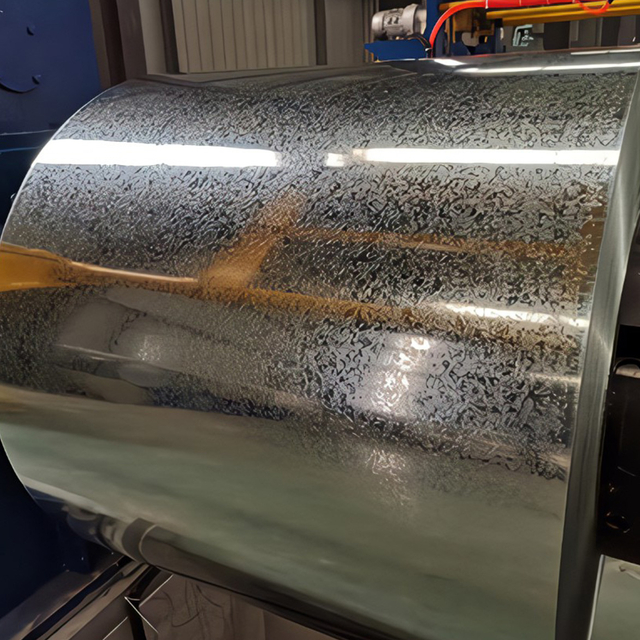
Material specification deeply impacts the success of your duplex system. You must understand the distinction between standard hot-dip galvanized metal and galvannealed steel. Standard hot-dip galvanizing produces a distinct, pure zinc top layer. It often features a visible spangle pattern. Galvannealing adds an extra annealing (heating) process immediately after the zinc bath.
This extra heat causes iron from the underlying steel to diffuse upward into the zinc. It creates a solid zinc-iron alloy layer. This changes the visual appearance to a matte gray finish. More importantly, it dramatically alters the surface's coating affinity.
Galvannealed steel features a naturally micro-rough surface. It acts like a microscopic sponge. Paint and powder coatings bond much more readily to this alloy. As a result, galvannealed materials often require far less aggressive sweep blasting compared to traditional hot-dip materials. The risk of delamination drops significantly.
Buyers must consider these differences carefully during sourcing. Specifying standard Galvanized Steel is usually preferred for heavy structural environments where maximum sacrificial zinc thickness is needed. However, if you are manufacturing precision appliance panels or automotive parts, specify galvannealed material instead. It offers superior paintability straight off the line, reducing your chemical preparation costs.
Material Comparison Table
Feature | Standard Galvanized Steel | Galvannealed Steel |
Composition | Pure zinc outer layer (Eta layer) | Zinc-iron alloy top layer |
Appearance | Shiny, often features visible spangle | Matte gray, uniform texture |
Powder Affinity | Requires strict sweep blasting profile | Naturally micro-rough; superior baseline adhesion |
Best For | Heavy infrastructure, thick sacrificial layer needs | Automated lines, high-aesthetic painted products |
5. Vendor Evaluation: How to Shortlist a Coating Partner
Applying powder over zinc requires specialized equipment and deep technical knowledge. General powder coaters often ruin galvanized parts because they treat them like bare steel. You must rigorously evaluate potential vendors before awarding a contract.
Ask these critical QA questions during your vetting process:
Do they have dedicated pre-bake ovens capable of reaching necessary outgassing temperatures? Many small shops simply lack the oven capacity to reach 30°C above their standard cure temperature.
Are the galvanizing and powder-coating facilities co-located or closely coordinated? Logistics matter. If a vendor has to truck the bare zinc across the state, they will likely miss the strict 12-hour coating window.
Do they use certified anti-outgassing primers? Quality vendors apply special primers while the metal is still hot. This seals the pores before the final color coat goes on.
Watch out for immediate red flags. If a vendor suggests they can coat newly galvanized steel immediately without sweep blasting, walk away. If they claim thermal degassing is an unnecessary extra cost, find another partner. Procedural shortcuts always lead to peeling coatings.
Conclusion
Powder coating over galvanized steel creates a highly effective duplex system, but it remains an extremely unforgiving process. You cannot ignore the physics of expanding gases or the chemistry of reactive zinc. Bypassing surface preparation inevitably results in aesthetic failure and compromised corrosion protection.
Take the following action-oriented next steps for your upcoming projects:
Lock the ASTM D7803 and SSPC-SP 16 preparation requirements directly into your Request for Proposals (RFPs).
Demand documented proof of the 1-hour pre-bake degassing procedure from your chosen applicator.
Ensure transparent, real-time communication between the hot-dip galvanizer and the powder applicator to guarantee the 12-hour application window is met.
Verify that all sweep blasting utilizes low-hardness abrasives to protect the crucial zinc barrier.
FAQ
Q: Does powder-coated galvanized steel rust?
A: It is highly resistant to rust. Rust typically only occurs if the coating is deeply gouged past both the barrier and the zinc layer. It can also happen if continuous exposure to extreme temperatures exceeding 250°C (480°F) causes the underlying zinc to fail.
Q: Can you powder coat over older, weathered galvanized steel?
A: Yes, but it requires much heavier chemical cleaning. You must fully remove zinc hydroxides and carbonates (the grey patina) using specialized alkaline or acidic solutions before the metal can be safely profiled and pre-baked.
Q: What happens if you skip the pre-bake process?
A: Trapped gases and moisture will release violently during the final powder cure. This results in a textured, compromised finish full of visible pinholes. These pinholes allow moisture to bypass the powder barrier entirely, defeating the purpose of the duplex system.