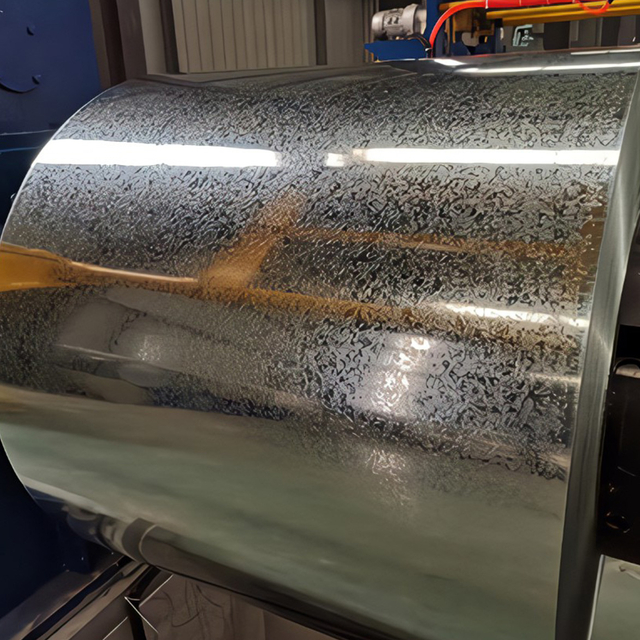
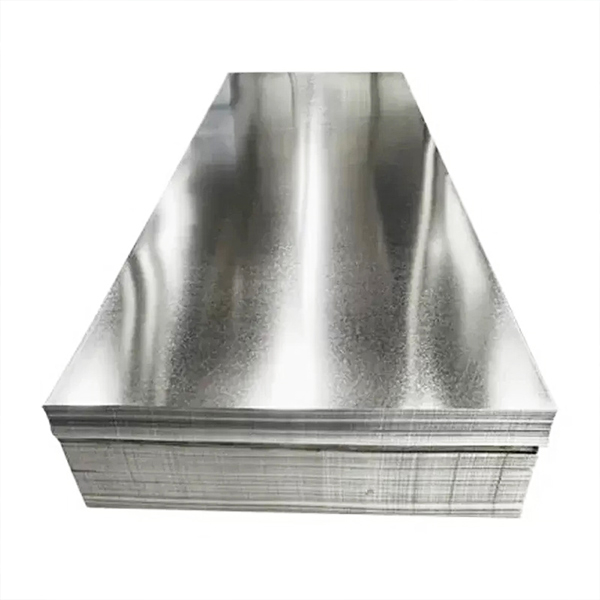
Galvanized metal remains a foundational element in modern industrial construction and manufacturing. Many professionals mistakenly assume this robust material is permanently immune to degradation. In reality, it does corrode over time, but it accomplishes this by specific engineering design. The exterior zinc layer acts as a sacrificial anode. It naturally depletes to shield the vulnerable internal carbon base from harsh external elements.
For procurement teams, structural engineers, and project managers, the primary evaluation metric shifts. You must not focus on preventing degradation entirely. Instead, you must calculate exactly when and under what specific conditions the material will deplete. Accurate forecasting allows you to specify the optimal components for your intended project lifecycle.
This technical guide breaks down precise depletion timelines and environmental vulnerabilities. You will learn how distinct atmospheric conditions accelerate structural wear. We also explore proven specification frameworks. Ultimately, this evidence-based analysis provides the data you need to maximize component longevity and avoid premature structural failure.
Key Takeaways
Corrosion is a scheduled event: The zinc coating is meant to deplete over time; lifespan is directly proportional to zinc thickness and environmental aggressiveness.
Safe operating windows: Galvanized coatings perform optimally in environments with a pH between 6.0 and 12.0.
Extreme environments accelerate failure: High-chloride (marine), submerged (hard vs. soft water), and underground (acidic soil) applications require specialized evaluation and potential secondary coatings (duplex systems).
Form dictates vulnerability: Raw edge exposure during the fabrication of a galvanized steel sheet or roll forming of a galvanized steel coil introduces localized corrosion risks that require mitigation.
The Sacrificial Framework: How Zinc Predictably Delays Failure
We often expect industrial coatings to act as impenetrable physical shields. Zinc operates through a completely different electrochemical mechanism. It functions specifically as a sacrificial anode. In any galvanic couple, the more active metal corrodes preferentially to protect the less active cathode. The external zinc layer freely sacrifices its own mass to prevent the underlying carbon core from oxidizing.
This protective behavior persists even after mechanical damage occurs. If a deep scratch exposes bare metal, the surrounding zinc continues to offer active galvanic protection. It essentially intercepts the corrosive elements. This unique cathodic mechanism prevents rust from creeping underneath the intact coating, a common failure point for standard barrier paints.
Linear Depletion Models
The degradation of zinc is not erratic. It follows highly predictable linear depletion models. When exposed to normal atmosphere, the zinc surface reacts with oxygen, water, and carbon dioxide. This complex reaction forms a dense, insoluble layer of zinc carbonate. We call this the zinc patina. This passive patina washes away at a measurable rate over time.
Engineers calculate this loss using macro-environmental data. If environmental testing shows a local depletion rate of one micron per year, an 85-micron coating will systematically protect the structure for 85 years. You can forecast intervention milestones accurately by applying these linear formulas to site-specific atmospheric variables.
The "White Rust" Phenomenon
Professionals must distinguish between early-stage surface oxidation and terminal failure. Incorrect diagnoses often lead to unnecessary material rejection.
White Rust: This manifests as a chalky, powdery white substance on the surface. It represents early-stage zinc oxidation, typically caused by trapped moisture without adequate airflow. It is essentially a storage stain and rarely impacts structural integrity if treated promptly.
Red Rust: This indicates terminal base-metal failure. The appearance of dark red or brown iron oxide means the protective zinc layer has completely depleted in that specific localized area. You must implement immediate structural remediation when red rust appears.
Environmental Thresholds: Evaluating Project Feasibility
You cannot deploy Galvanized Steel universally across all climates. Materials perform drastically differently depending on atmospheric and chemical exposure. You must evaluate the operating window rigorously before specification.
Atmospheric Exposure (Solar, Outdoor Structures)
Atmospheric composition dictates the lifespan of outdoor structures like solar arrays and transmission towers. Urban environments typically harbor higher concentrations of sulfur dioxide from vehicle emissions. Industrial zones release complex airborne pollutants. These sulfur compounds mix with ambient moisture to create mild sulfuric acid. This acid rapidly dissolves the protective zinc carbonate patina. Consequently, industrial depletion rates often double those seen in pristine environments.
Rural areas generally offer much longer lifecycles. They feature lower airborne pollutant concentrations and neutral humidity. A component lasting thirty years in an urban center might easily survive eighty years in a dry, rural climate.
Submerged Applications (In-Water Scenarios)
Submerging metals introduces complex water chemistry variables. The performance of zinc in water depends entirely on dissolved minerals and salt content.
Hard Water Exposure: Hard water contains elevated levels of calcium and magnesium. These minerals precipitate onto the metal surface, forming an impenetrable protective scale. This scale effectively stops further zinc dissolution, leading to excellent long-term performance.
Soft Water Exposure: Soft water lacks these protective minerals. Without scale formation, soft water continuously dissolves the zinc surface over time. You must measure depletion rates closely in these environments.
Saltwater and Marine: Ocean environments are hostile to zinc. Rapid chloride attacks prevent the formation of the stable zinc carbonate patina. The layer remains highly soluble and washes away rapidly. Marine applications drastically reduce component lifespan, necessitating careful evaluation against more robust alternative alloys.
Underground and Soil Contact
Direct soil burial introduces numerous hidden failure variables. Soil resistivity serves as the primary indicator of corrosiveness. High resistivity indicates poor electrical conductivity, resulting in lower corrosion rates. Low resistivity means ions flow freely, accelerating degradation.
Moisture content and pH levels further complicate underground applications. Highly acidic soils (pH below 6.0) actively strip the zinc coating. Direct burial in such soils requires significantly thicker standard coatings. You often must apply supplementary barrier protections, such as heavy bitumastic paint or specialized epoxy sleeves, to guarantee underground longevity.
Environmental Depletion Reference Chart
Environment Classification | Primary Corrosive Agent | Zinc Depletion Rate | Expected Lifespan Impact |
Rural Atmospheric | Normal oxidation / Moisture | Low | Highly extended longevity |
Industrial Atmospheric | Sulfur dioxide / Acid rain | Medium-High | Moderate lifespan reduction |
Marine (Saltwater) | High airborne chlorides | Very High | Severe lifespan reduction |
Submerged (Hard Water) | Minimal (Scale formation) | Low | Stable, long-term performance |
Underground (Acidic Soil) | Low pH / High moisture | High | Requires supplementary barrier |
Fabrication Realities: Galvanized Steel Coil vs. Sheet
The physical state of your procured material dictates its susceptibility to localized damage. Raw material handling heavily influences long-term viability. You must manage specific vulnerabilities based on the form factor you choose.
Procurement Decisions and Storage Risks
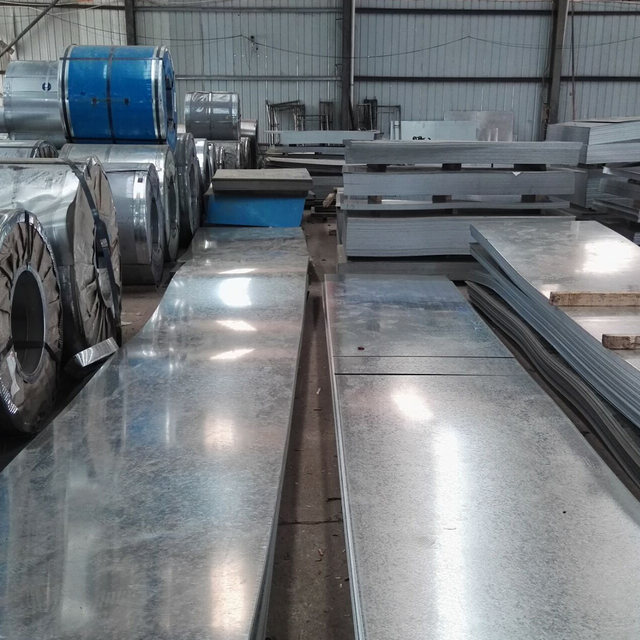
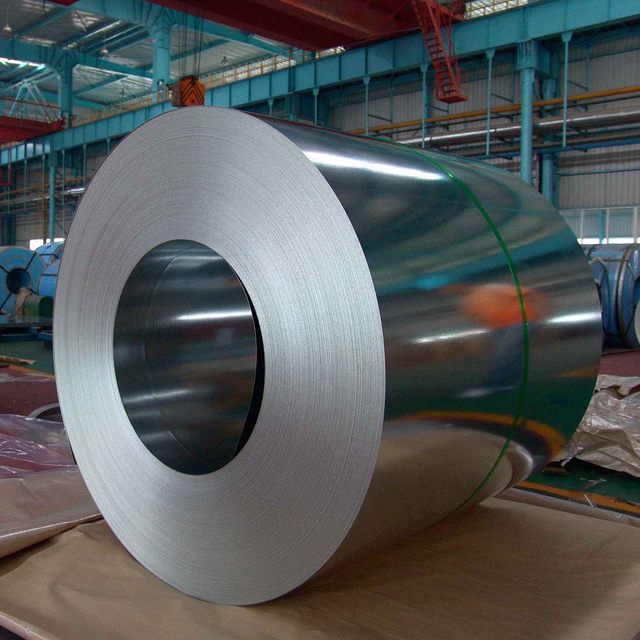
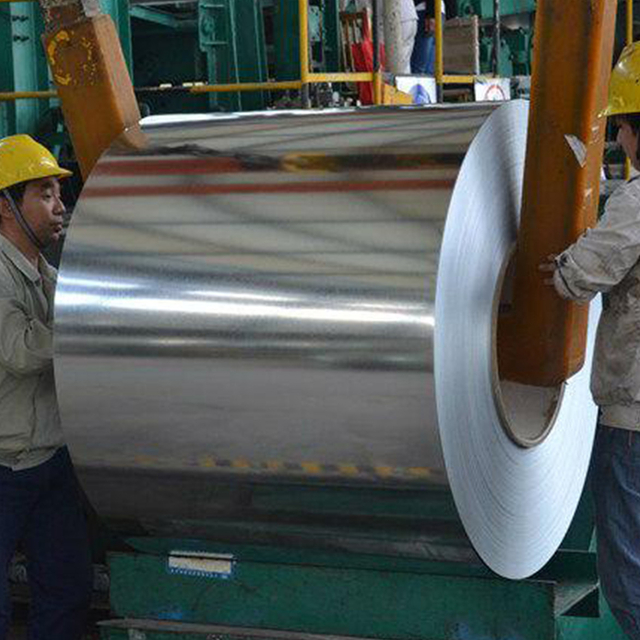
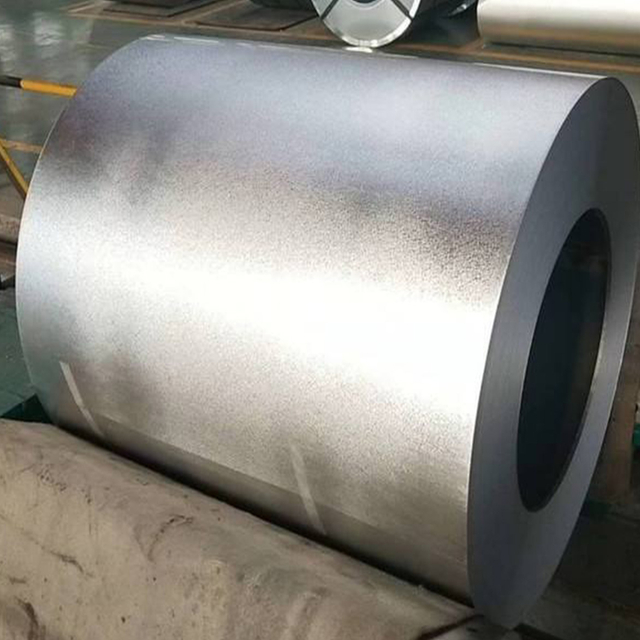
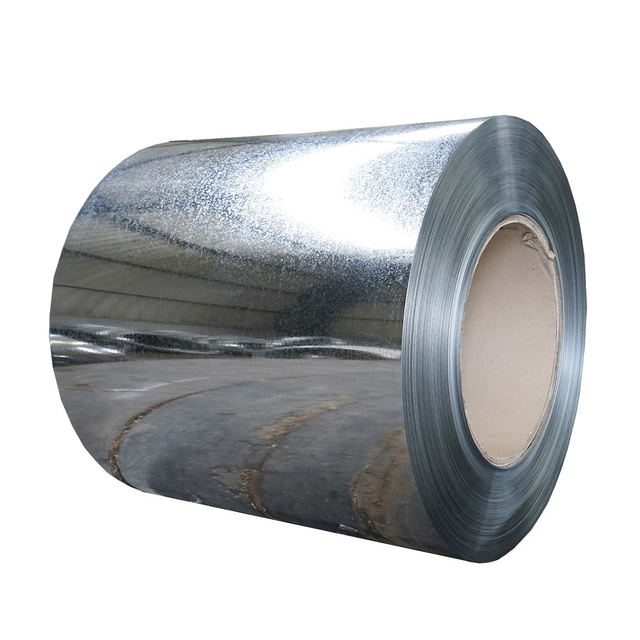
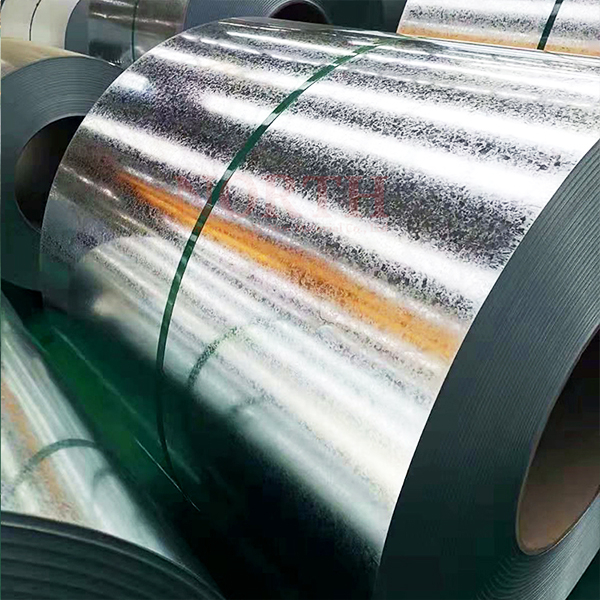
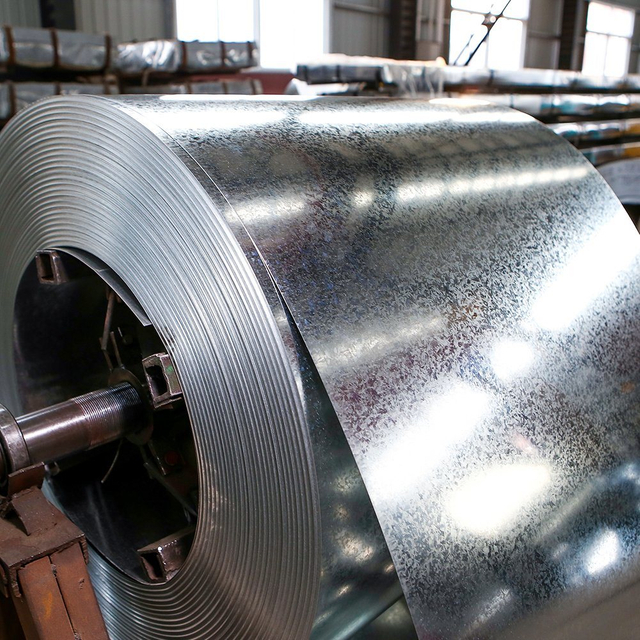
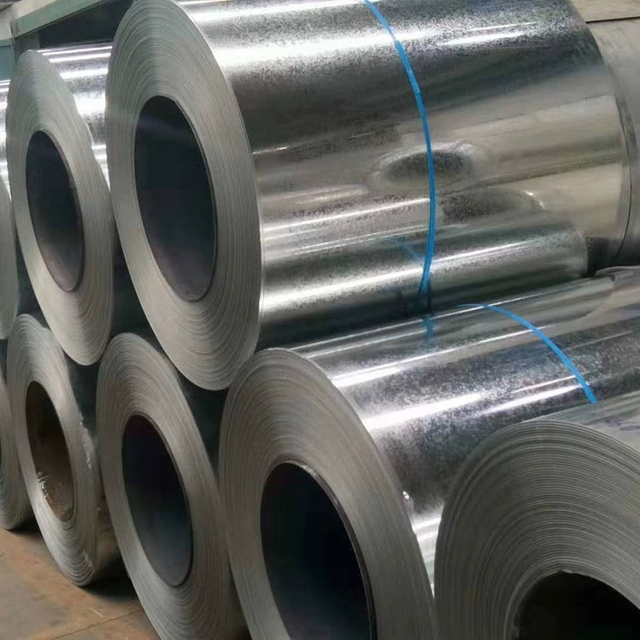
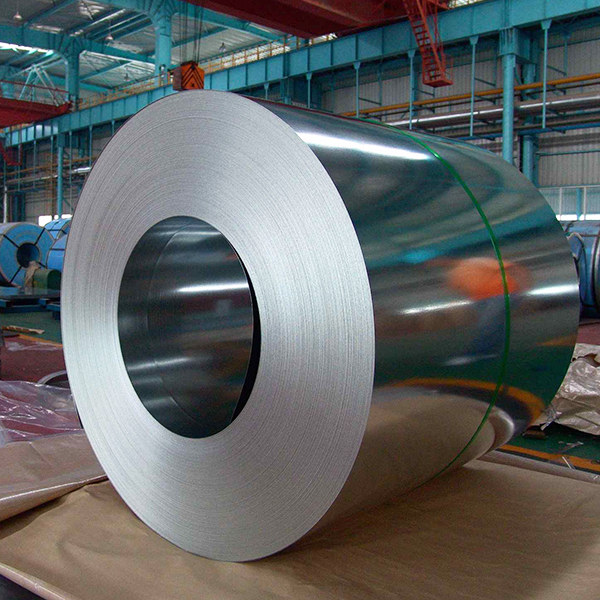
You face entirely different logistical challenges when handling bulk galvanized steel coil versus procuring stacks of pre-cut sheet metal. Coils are tightly wound under immense tension. If stored outdoors without climate control, capillary action rapidly draws ambient moisture between the tightly packed metallic layers. This trapped condensation lacks carbon dioxide exposure, completely preventing the formation of the protective zinc patina. Instead, aggressive white rust consumes the surface before the material ever enters fabrication.
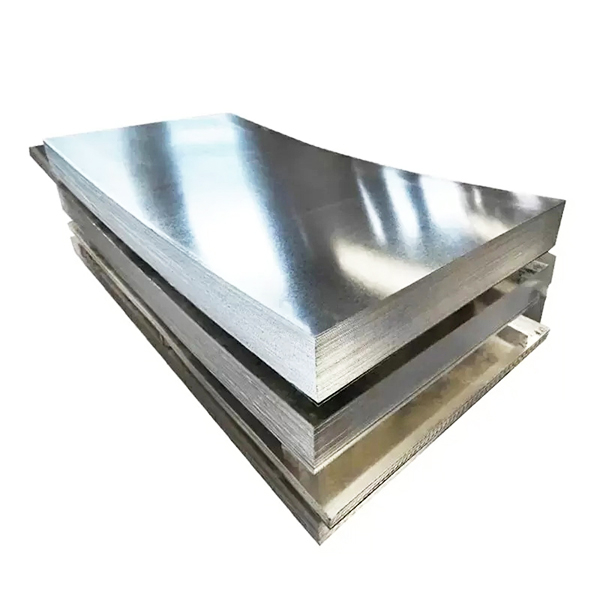
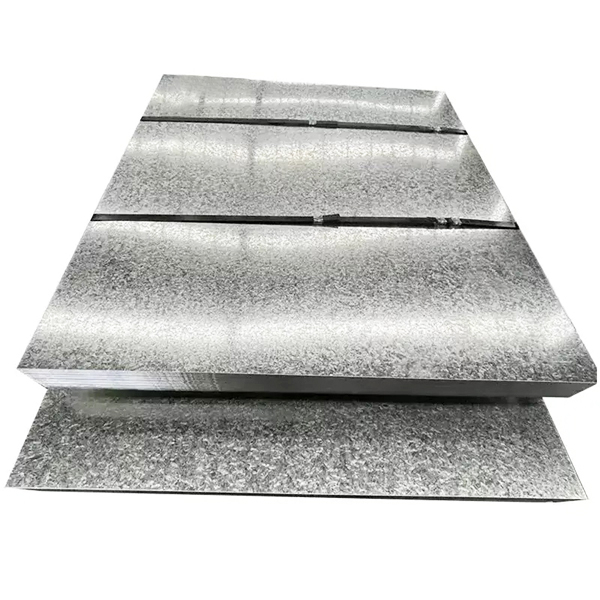
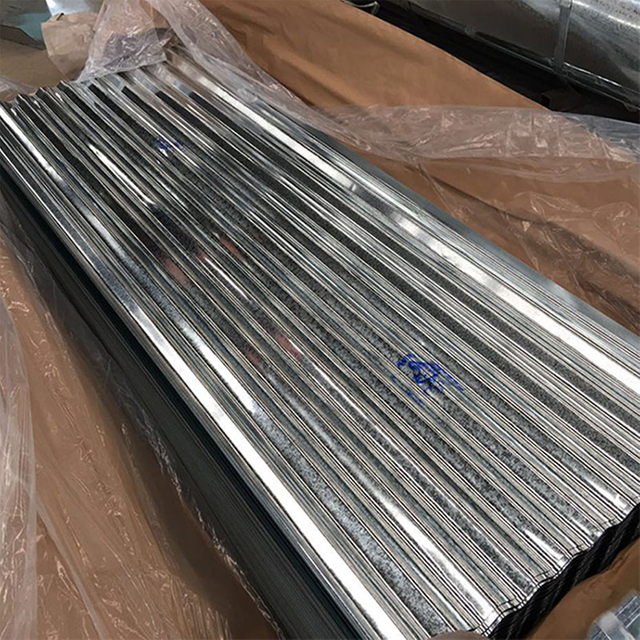
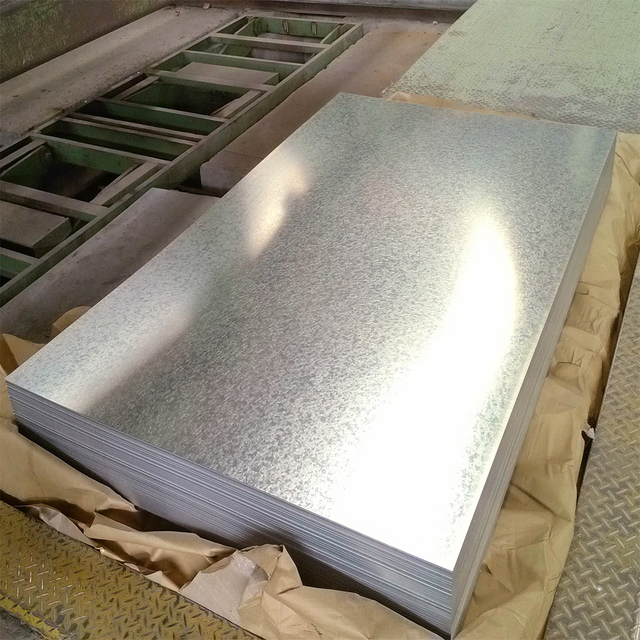
Pre-cut flat sheets present different challenges. Improper stacking blocks necessary ventilation. You must store them indoors, elevated from the ground, with slight inclination to guarantee adequate water drainage.
The "Cut Edge" Risk
Standard fabrication techniques inherently compromise continuous metallic barriers. When you shear, punch, or drill a pre-galvanized component, you violently remove the protective layer at the impact site. This creates an exposed raw steel edge.
While the surrounding zinc attempts to offer cathodic protection to this newly exposed margin, its effective reach is limited. A narrow cut might receive adequate galvanic shielding. However, wide shears or heavy structural cutouts introduce immediate corrosion vectors. Furthermore, welding operations vaporize the zinc completely at the joint, destroying all local protection and requiring intensive post-weld restoration.
Mitigation in Manufacturing
Engineers rely on rigorous mitigation protocols to protect vulnerable fabrication zones. Addressing cut edges correctly prevents premature localized failures.
Cold-Galvanizing Compounds: Technicians brush or spray zinc-rich organic paints directly onto freshly cut edges. These compounds contain up to 90% zinc dust. They restore baseline galvanic protection to small shear lines and drill holes effectively.
Metallization Touch-Ups: For larger damaged areas, manufacturers use thermal zinc spraying to rebuild the protective layer systematically.
Post-Fabrication Hot-Dip Galvanizing: For extreme environments, you should avoid pre-galvanized stock entirely. Instead, fabricate the entire component from raw black steel, weld it, and dip the finished assembly into molten zinc. This ensures all edges and joints receive maximum, uninterrupted protection.
Shortlisting Alternatives: When to Specify Duplex Systems or Stainless
While zinc coatings excel in moderate conditions, certain environments demand elevated protective strategies. You must recognize when standard methods reach their engineering limits.
The Duplex System Strategy
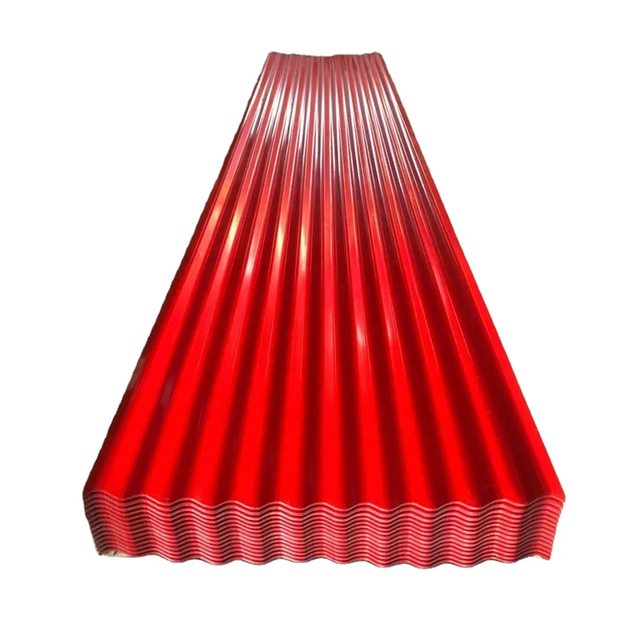
When atmospheric conditions exceed normal operating windows, we deploy duplex systems. This strategy involves applying specialized paint or powder coating directly over the zinc base. This combination creates a powerful synergistic barrier.
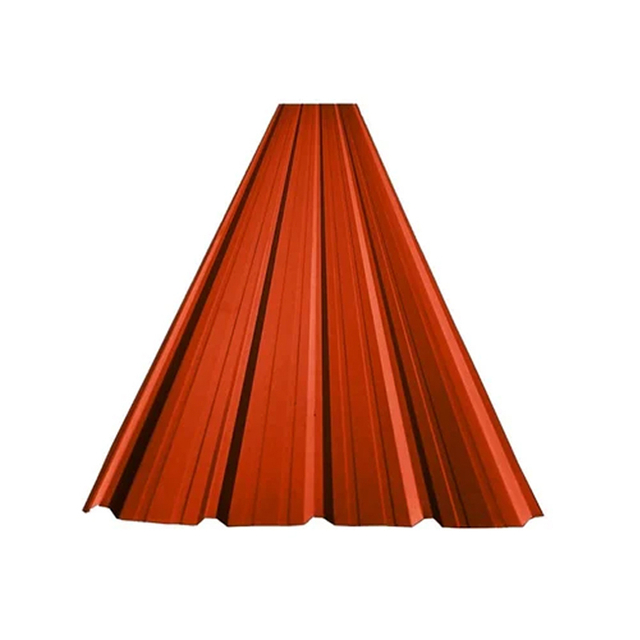
The exterior paint layer shields the underlying zinc from environmental exhaustion. In return, the underlying zinc prevents rust from creeping beneath the paint if the exterior becomes scratched. This synergistic interaction extends the total component lifespan by 1.5x to 2.5x compared to utilizing bare zinc alone. Duplex coatings represent the premier standard for highly visible architectural elements facing aggressive industrial climates.
Galvanized vs. Stainless Steel Decision Matrix
Engineers constantly evaluate zinc-coated components against solid stainless alternatives. We base this decision on a strict matrix balancing initial specification requirements against long-term maintenance cycles.
Stainless alloys utilize chromium to form an instant, self-repairing oxide layer. They resist chloride attacks far better than any zinc coating. However, they demand massive initial resource allocation. We specify zinc coatings for massive structural frames, fencing, and highway infrastructure where large-scale volume is required. We reserve stainless alloys for precision fasteners, chemical processing tanks, and critical marine hardware where extreme durability outweighs initial specification friction.
Risk Mitigation and Material Abandonment
You must abandon zinc entirely in specific high-risk scenarios. Highly acidic chemical processing environments (pH below 5.0) dissolve zinc at catastrophic rates. Constant saltwater immersion without supplementary cathodic protection ensures rapid depletion. If you specify a galvanized steel sheet for prolonged subsea marine applications, it will fail predictably. In these extreme conditions, inert polymers or highly alloyed non-reactive metals become strict engineering mandates.
Compliance Standards and Lifecycle Forecasting
You cannot base project viability on visual assumptions. Industry professionals rely on rigorous quantitative frameworks to guarantee material endurance. Establishing baseline quality control ensures structures meet intended lifecycle goals.
Standardizing the Spec
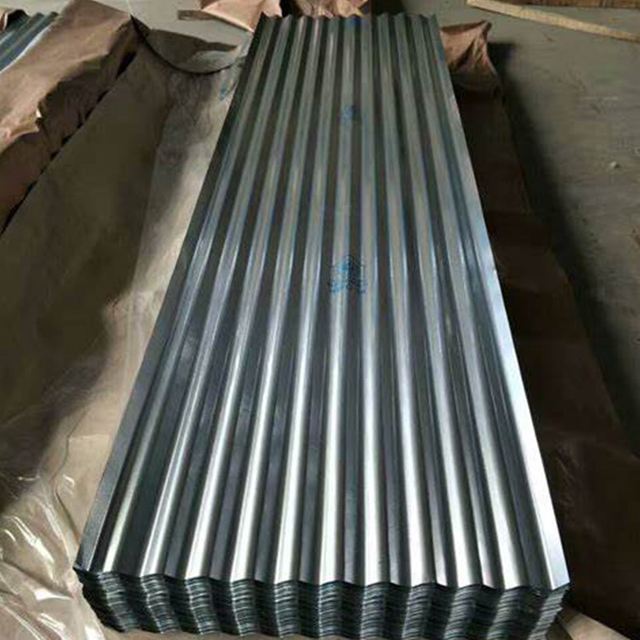
You must enforce strict adherence to international standards during procurement. ASTM specifications provide the foundational rules for acceptable zinc thickness. For example, ASTM A123 governs the acceptable minimums for batch hot-dip structural products. ASTM A653 dictates the continuous coating requirements for roll-formed sheet materials.
Suppliers measure this critical coating thickness in mils or microns. Specifying these exact measurements in your purchasing documents guarantees baseline defense. You secure predictable, standardized behavior rather than relying on inconsistent manufacturing variables.
"Time to First Maintenance" (TFM)
We evaluate component longevity using "Time to First Maintenance" charts. These industry-standard graphs correlate specific baseline zinc thicknesses with distinct atmospheric classifications. The charts forecast exactly when protective intervention will become physically necessary to maintain structural integrity.
For example, a chart might indicate that an 85-micron coating in an industrial zone will reach 5% surface rust in 35 years. This milestone dictates your maintenance schedule. Utilizing TFM data allows engineering teams to program future painting or coating interventions decades in advance.
Vendor Evaluation
Sourcing quality material requires interrogating your supplier's handling practices. You must ask highly specific questions before accepting large deliveries to prevent receiving compromised inventory.
What precise climate control measures regulate humidity in your storage facilities?
Do you supply certified mill test reports verifying the exact micron thickness of the zinc layer?
How do you ensure full lot traceability from the mill to our fabrication floor?
What specific ventilation techniques do you apply when transporting densely packed coils over long distances?
Conclusion
Galvanized components represent one of the most reliable and highly tested corrosion-resistant solutions available today. They utilize a brilliant sacrificial mechanism that predictably safeguards critical infrastructure. However, this protection remains absolute only when you respect the specific environmental operating windows.
You must transition from asking if the material will degrade to calculating its precise depletion trajectory. Start by conducting a localized site analysis. Measure ambient pH levels, monitor soil moisture content, and test for airborne chlorides. Understand how fabrication stresses like cut edges require specialized post-weld mitigation. Finally, review exact product specifications alongside your supplier or a qualified metallurgist to validate longevity before authorizing bulk material orders.
FAQ
Q: How long does it take for galvanized steel to rust outdoors?
A: Lifespan depends entirely on the atmospheric environment. In mild rural areas with neutral humidity, a standard zinc coating can last 70 to 100 years before maintenance is required. In harsh industrial environments heavily exposed to sulfur dioxide, the same coating might begin to display terminal red rust in 20 to 40 years.
Q: Can you stop white rust from forming on stored materials?
A: Yes. White rust forms when trapped moisture reacts continuously with the zinc layer. You prevent it by ensuring robust ventilation and maintaining a dry storage environment. Keep coils and sheets elevated off the ground. Always incline stacked flat sheets slightly to allow condensation to drain freely.
Q: Is galvanized steel safe for underground use?
A: It is safe if properly evaluated, but success depends heavily on specific soil conditions. Acidic soils, high moisture retention, and low electrical resistivity aggressively attack zinc. You must conduct comprehensive soil testing prior to direct burial. Many underground applications require thicker zinc coatings or specialized bitumastic barrier paints.
Q: Does salt water destroy galvanized coatings?
A: Yes. Saltwater contains high concentrations of chlorides. These chlorides aggressively break down the protective zinc carbonate patina. While coated components can tolerate occasional light sea spray, continuous marine submersion drastically accelerates layer depletion. We strongly recommend robust duplex systems or stainless alloy alternatives for constant marine exposure.