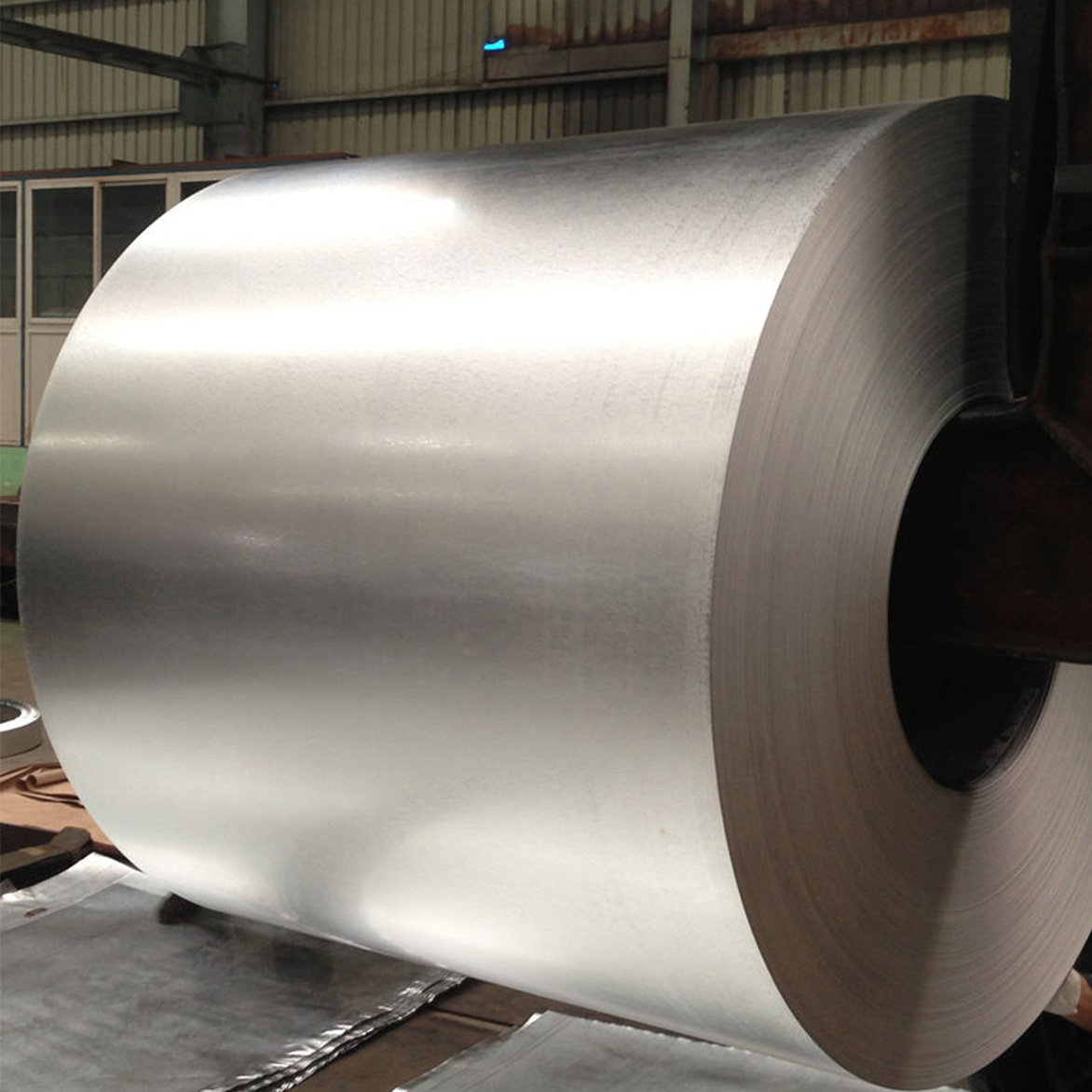
Sourcing coated metals often feels like aiming at a continuously moving target. You face a highly volatile metals market where base prices and specialized coating premiums fluctuate daily. Procuring Galvalume Steel Coil adds another layer of complexity to your overall strategy. Many buyers struggle to pinpoint actual project expenses when comparing base material indices against final delivered invoices. Procurement managers and project estimators need a transparent framework to calculate total landed costs, evaluate differing supplier claims, and successfully avoid hidden processing fees. Actual costs depend heavily on exact dimensional specifications, precise market timing, and specific order volumes—not just a static, published list price. This guide breaks down the core variables driving your final costs. We will explore order-size economics, dissect freight impacts, and show you exactly how to deconstruct incoming quotes to ensure maximum procurement efficiency for your next major project.
Key Takeaways
The baseline galvalume coil cost per ton is dictated by hot-rolled coil (HRC) indices, plus the specific AZ (Aluminum-Zinc) coating weight premium.
Lead times and order volumes significantly impact final pricing; low-volume purchases often incur steep distributor markups compared to mill-direct sourcing.
Evaluating a supplier quote requires analyzing base metal thickness tolerances, coating uniformity, and hidden logistics fees, rather than just looking at the bottom line.
While the initial aluzinc steel coil price is higher than standard galvanized, the total lifecycle cost is lower for high-exposure applications like roofing.
Core Variables Driving the Galvalume Coil Cost Per Ton
Hot-rolled coil (HRC) spot pricing establishes your baseline. Steel market indices heavily influence this foundational rate. Before any galvanizing or processing occurs, the raw steel substrate dictates your minimum expense. Buyers calculating the galvalume coil cost per ton must monitor these indices constantly. Futures contracts provide a vital glimpse into upcoming pricing trends. They help procurement teams forecast quarterly budgets accurately and anticipate market shifts.
Next, we must evaluate the AZ coating price premium. Coating weights directly dictate corrosion resistance and longevity. Common industry designations include AZ50, AZ55, and AZ150. Heavy coatings require significantly more raw aluminum and zinc. This scales your expense upwards rapidly as commodity metal prices shift. Visual finishes also alter the final invoice. Regular spangle forms naturally during the cooling process and costs less. Minimized spangle requires specialized processing techniques, adding a modest premium. Surface treatments add further complexity. Anti-fingerprint (AFP) coatings protect the surface during rollforming and eliminate the need for heavy oiling. Acrylic resins improve downstream paint adhesion. These essential extras increase your base price considerably.
Dimensional specifications firmly dictate pricing structures. Gauge defines material thickness, while width determines your processing yield. Mills optimize their continuous production lines for standard dimensions. Deviating from these manufacturing norms triggers immediate financial penalties. You will see "width extra" fees applied routinely for unusually wide or narrow orders. "Gauge extra" fees penalize ultra-thin specifications. Production line speed drops dramatically when rolling thin materials. Mills pass this inefficiency cost directly to you.
Common Extra Fees to Monitor
Gauge extras applied to materials thinner than standard manufacturing sweet spots.
Width extras for coils falling outside the standard 36-inch to 48-inch processing ranges.
Slit-edge penalties incurred when your project demands precision factory edges.
Purchasing power hinges entirely on operational scale. Deciding between mill-direct and service center pricing presents a core business problem for procurement teams. Factory-direct relationships offer the lowest raw material rates available. However, steel mills demand massive minimum order quantities (MOQs). These MOQs often exceed 50 to 100 metric tons per specific item. Local distributors and service centers remove this high barrier to entry. They purchase master coils and break them down for smaller buyers. This vital convenience comes at a premium. Distributors add significant markups to cover their warehousing, inventory risk, and processing overhead.
Small-to-mid-sized rollformers face a harsh reality. We call it the low-volume penalty. Buying under 20 tons triggers escalating service fees. Less-than-truckload (LTL) shipping devastates your per-ton freight average. Master coil slitting fees heavily impact smaller production runs. Service centers simply must charge premium rates to justify breaking down and processing partial coils for limited orders.
Procurement teams must choose wisely between contract and spot purchasing. Contract buying locks in quarterly pricing schedules. It mitigates sudden market spikes effectively and guarantees supply continuity for major projects. Spot purchasing offers distinct flexibility instead. You buy exactly what you need today based on current index rates. This works well during market downturns. Unfortunately, spot buying leaves you entirely exposed. Sudden raw material shortages or rapid index surges will quickly derail your project profitability.
Total Landed Cost vs. Material Cost
Never judge a supplier invoice by the raw material cost alone. Smart buyers meticulously calculate the total landed cost. Processing and value-added services change your baseline rapidly. Most raw master coils require physical modifications before stamping or rollforming. Facilities charge handsomely for slitting operations, which cut the coil longitudinally. Leveling removes material memory and inherent stress. Cutting-to-length prepares the steel for immediate line production. These necessary steps add hidden premiums long before the truck arrives at your loading dock.
Freight and logistics chains introduce massive financial variables. Transporting heavy steel coils eats directly into your profit margins. Domestic rail offers highly economical bulk transport over long distances. Trucking provides necessary speed and flexibility but costs significantly more per mile. International ocean freight introduces severe supply chain complexity. Import duties, fluctuating port fees, and heavy tariffs inflate the final invoice instantly.
We must frame extended lead times as a hidden opportunity cost. Delays represent massive financial liabilities. Supply chain stalls destroy carefully planned production schedules. Downstream profitability plummets quickly when processing machines sit idle waiting for delayed steel.
Vital Logistics Variables to Evaluate
Port handling and transloading fees for imported master coils.
Inland drayage costs from the arrival port to the regional processing center.
Warehousing and storage fees for staggered delivery schedules.
Insurance premiums covering international ocean freight risks.
Justifying the Premium: Galvalume vs. Galvanized Alternatives
Initial material expenses often cause sticker shock during budget planning. You might strongly question the upfront aluzinc steel coil price when compared directly to standard G90 galvanized options. Lifecycle ROI provides the necessary justification. High-exposure applications demand superior long-term performance. Galvalume delivers exceptional thermal reflectivity. It actively cuts energy cooling costs for the final end-user. It also provides unmatched corrosion resistance in harsh environments. The unique aluminum-zinc alloy matrix actually heals minor surface scratches naturally over time.
These distinct material benefits deeply affect downstream application costs. A highly resilient base material drastically reduces structural failures. It translates directly into a substantially lower galvalume roofing sheet cost over a building's entire operational lifespan. Contractors face far fewer warranty claims and callbacks. End-users ultimately enjoy a durable, low-maintenance structural asset.
However, buyers face the persistent risk of over-specifying. You must employ a rigorous decision framework. Do not pay for a heavy AZ150 coating unnecessarily. Standard AZ50 easily handles normal environmental demands and standard roofing compliance. AZ55 provides a slight protective upgrade for light commercial applications. Reserve AZ150 strictly for severe coastal exposures or heavy industrial environments. Over-engineering your material choice destroys project margins without adding measurable value.
Coating Specification Comparison Matrix
Coating Specification
Corrosion Resistance
Ideal Application Environment
Relative Price Premium
Standard G90 Galvanized
Moderate
Low moisture, inland structures
Baseline
AZ50 Galvalume
High
Standard residential roofing, commercial
Moderate
AZ55 Galvalume
Very High
Heavy commercial, moderate humidity
Elevated
AZ150 Galvalume
Extreme
Coastal zones, heavy industrial
Highest
How to Deconstruct and Evaluate a Supplier Quote
Evaluating commercial quotes demands strict attention to detail. You must verify dimensional specifications aggressively. Always instruct your procurement team to check every supplier quote for clear, unambiguous terminology. Demand a clear distinction between base metal thickness (BMT) and total coated thickness (TCT). The metallic coating adds measurable volume to the raw steel. Using TCT instead of BMT causes you to receive significantly less actual structural steel. This short-weighting scam happens frequently in highly unregulated regional markets.
Make Mill Test Certificates (MTCs) absolutely mandatory. Never accept physical shipments without proper metallurgical documentation. Request MTCs upfront to ensure chemical composition accuracy. You must verify the coating weights precisely meet ASTM A792 or equivalent international standards. These certificates prove structural integrity, yield strength, and compliance.
Develop a strict shortlisting logic for vetting vendors. Evaluate their financial stability carefully before signing contracts. Review their historical lead-time accuracy with past clients. Demand complete transparency regarding tariff handling and freight surcharges. Learn to spot critical red flags instantly. Quotes arriving significantly below the current HRC market index indicate severe trouble. Vague terminology suggests hidden processing fees will appear later. Any refusal to guarantee dimensional tolerances should end the negotiation immediately.
We recommend outlining clear next-step actions before committing. Initiate a small trial order first. Request a comprehensive sample audit before signing long-term annual agreements. Test the material physically on your rollforming equipment. Verify the paint adhesion, surface uniformity, and edge quality firsthand.
Conclusion
Securing truly competitive pricing requires deep market knowledge and aggressive vendor vetting. You must move far beyond simple per-ton price comparisons. Understanding the entire global supply and processing chain guarantees better profit margins. Encourage your procurement team to build transparent, long-term relationships. Partner exclusively with suppliers who provide itemized fee breakdowns. Separate your base metals, coating premiums, and processing costs clearly on every invoice.
Take immediate action using these strategic steps:
Audit your current vendor contracts for hidden slitting and leveling fees.
Standardize your internal RFQ templates to strictly require BMT specifications over TCT.
Consolidate your smaller monthly orders to bypass expensive low-volume service penalties.
Request updated MTCs for all current inventory to ensure ASTM compliance.
FAQ
Q: Why is my quoted galvalume price higher than current steel index prices?
A: Raw material indices track unprocessed hot-rolled coil. Producing galvalume involves several additional costly steps. Mills must cold-reduce the steel, clean it, and then apply the specialized aluminum-zinc coating. This operational lag between base spot prices and finished coil creates a noticeable price gap. Processing fees and specialized coating extras will always push quotes significantly higher than base market rates.
Q: Does the AZ coating weight linearly increase the price?
A: No, the increase is not strictly linear. Aluminum and zinc trade on separate global commodity markets. Their spot prices fluctuate independently from carbon steel. When zinc prices spike, heavier coatings like AZ150 become disproportionately more expensive. Application methods and continuous line speed efficiency also heavily influence the final coating add-on cost.
Q: Is it cheaper to import Galvalume coil or buy domestically?
A: Importing often yields lower initial base prices. However, you must carefully calculate total landed costs. International orders carry significant ocean freight charges. Import tariffs heavily impact final pricing. Longer lead times also tie up working capital. Domestic sourcing costs more upfront but provides crucial supply chain reliability and much faster turnaround times.
Q: How long are supplier quotes typically valid?
A: Global metals markets experience immense daily volatility. Suppliers rarely hold pricing for extended periods. Most spot quotes remain valid for just 24 to 72 hours. Processing schedules and raw material shifts prevent longer guarantees. You should prepare your procurement team to act swiftly and decisively once an acceptable quote arrives.
Shandong Sino Steel Co., Ltd. is a comprehensive company for steel production and trading. Its business includes production, processing, distribution, logistics and import& export of steel.