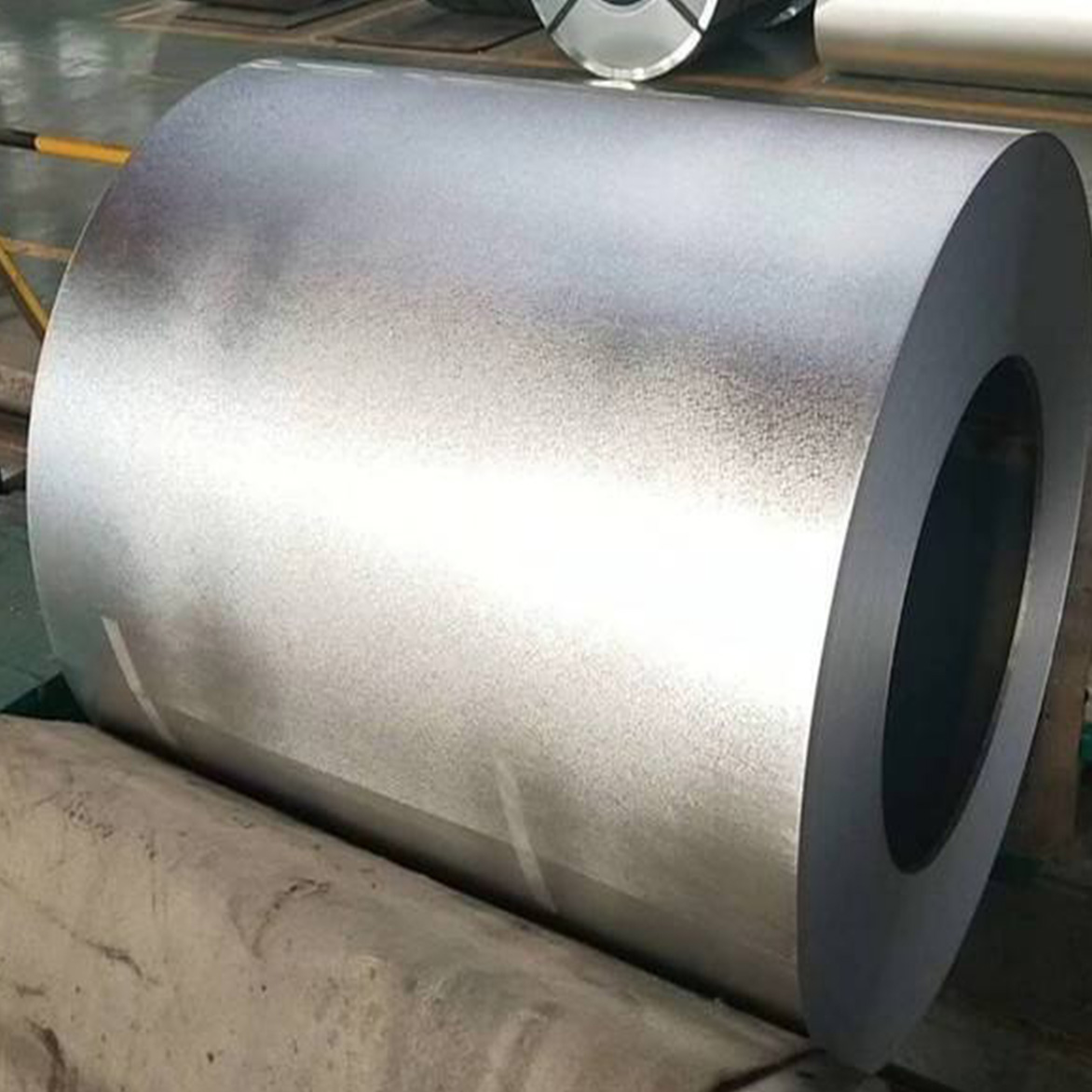
Procurement and engineering teams face a continuous balancing act between material longevity, structural integrity, and unit cost. Selecting the wrong coated steel can lead to premature structural failure, warranty claims, or unnecessary upfront capital expenditure. Industrial environments and extreme weather demand highly specialized materials where standard options simply fail. Specifying an inadequate substrate rapidly compromises a building envelope or a mechanical component. This guide bypasses basic definitions to provide a technical evaluation of where Galvalume Steel Coil is optimally deployed, where it poses implementation risks, and how to specify the correct grades for commercial projects. You will learn the exact sourcing criteria necessary to avoid field failures. We also explore structural capabilities to ensure your subsequent builds remain resilient and compliant.
Key Takeaways
The standard 55% aluminum, 43.4% zinc, and 1.6% silicon coating offers up to two to four times the corrosion resistance of standard galvanized steel in neutral environments.
Optimal applications center on extreme-weather roofing, architectural cladding, and high-heat industrial manufacturing.
Galvalume requires strict environmental qualification; it is highly susceptible to rapid degradation in highly alkaline (concrete) or severe agricultural (ammonia) environments.
Supplier evaluation must prioritize ASTM A792 compliance, verified coating weights (e.g., AZ50, AZ55), and exact yield strength requirements.
The Technical Case: Why Specify Galvalume Steel Coil?
Composition Breakdown
Engineers consistently debate the merits of various metallic coatings. You must understand the distinct chemical composition of these materials to make informed procurement choices. The standard Galvalume formulation consists of 55% aluminum, 43.4% zinc, and 1.6% silicon. This specific ratio fundamentally changes how the metal behaves in corrosive environments. Traditional 25% Aluzinc relies on a lower aluminum content, which provides moderate barrier protection but sacrifices some high-temperature resilience. Standard galvanized steel relies entirely on a 100% zinc coating. The inclusion of 1.6% silicon in the 55% Galvalume mixture is critical. It prevents the brittle intermetallic alloy layer from growing too thick during the hot-dip process. This ensures the steel remains formable without severe micro-cracking.
Table: Coating Composition and Performance Comparison
Coating Type
Composition
Primary Protective Mechanism
High-Heat Resilience
Galvalume (GL 55%)
55% Al, 43.4% Zn, 1.6% Si
Passive Barrier + Sacrificial Edge
Excellent (Up to 315°C)
Aluzinc (25%)
25% Al, 75% Zn (approx)
Moderate Barrier + Strong Sacrificial
Good
Standard Galvanized
100% Zinc
Purely Sacrificial (Galvanic)
Poor (Degrades quickly)
Barrier and Sacrificial Protection
The protective mechanism of this specific alloy relies on a dual-action approach. The aluminum component forms a dense, passive oxide barrier on the steel surface. This layer effectively blocks moisture and oxygen from reaching the underlying steel substrate. Simultaneously, the zinc component provides sacrificial protection. When the coil is cut, scratched, or sheared, the zinc corrodes first. It protects the exposed steel edge through a galvanic reaction. We see this combination vastly outperforming pure zinc coatings because the aluminum barrier slows down the overall depletion rate of the sacrificial zinc.
Thermal Reflectivity
Commercial builds place a high priority on thermal efficiency. Galvalume features exceptionally high heat reflectivity, often referred to as high albedo. When sunlight hits a building envelope, the metallic surface reflects a significant portion of the solar radiation. This physical property directly impacts HVAC load calculations for large commercial facilities. Engineers can downsize cooling equipment when they utilize highly reflective roofing substrates. It keeps internal ambient temperatures lower, yielding substantial energy savings during peak summer months.
Feature-to-Outcome
You can connect the unique coating microstructure directly to tangible field outcomes. The overlapping network of aluminum-rich dendrites and zinc-rich areas drastically reduces lifecycle maintenance costs. Facilities require fewer structural repairs and cosmetic touch-ups over their operational lifespan. This superior durability expands the feasibility of extended warranties for end-users. Manufacturers can confidently offer 20-year to 40-year performance guarantees in appropriate neutral environments.
Core Construction and Architectural Applications
Commercial and Residential Roofing
Contractors heavily rely on galvalume roofing coil for demanding structural projects. However, specifying the correct coating weight determines the success of the installation. For prepainted applications, industry standards mandate an AZ50 coating designation. This equates to 0.50 ounces of coating per square foot across both sides. The paint system provides an additional protective layer, making AZ50 perfectly adequate. Conversely, bare or unpainted roofing panels demand an AZ55 designation. The thicker 0.55-ounce coating compensates for the lack of a protective paint film.
The application method also dictates material parameters. Structural standing seam panels often require high-strength steel (like Grade 80) to span open purlins without deflecting. Architectural panels, which install over solid wood decking, generally utilize lower yield strengths (like Grade 50). This allows for cleaner, tighter bends at the seams without oil-canning.
Exterior Facades and Siding
Modern commercial architecture frequently utilizes galvalume wall cladding in pre-engineered metal buildings (PEMBs). The material offers a sleek, industrial aesthetic alongside formidable weather resistance. To maximize aesthetic longevity, buyers frequently turn to prepainted variants (PPGL). Successful painting requires rigorous chemical pretreatment and tension leveling. The coil must lie perfectly flat during the coating process. Proper primers ensure the topcoat adheres firmly without compromising the underlying aluminum-zinc substrate. A poorly prepped coil will experience rapid paint delamination in the field.
Structural Components
While often hidden behind drywall or exterior cladding, structural framing utilizes this material extensively. Engineers specify it for purlins, girts, and decking systems. These hidden components face intermittent moisture exposure from condensation within wall cavities. Long-term durability remains critical here because structural framing is nearly impossible to access or replace after construction finishes. The aluminum-zinc barrier ensures these internal skeletons remain rust-free for decades.
Manufacturing and Industrial Sector Utilization
HVAC and Ductwork
Industrial mechanical systems operate under continuous thermal stress. You will frequently find aluzinc steel coil applications within heating and cooling systems. The material's standout feature is its ability to withstand continuous operating temperatures up to 315°C (600°F) without structural degradation or severe discoloration. Standard galvanized steel begins to flake and fail at much lower temperature thresholds. This makes the 55% aluminum alloy ideal for heat exchangers, industrial ductwork, and boiler enclosures.
Appliance Manufacturing (White Goods)
The appliance industry enforces strict sourcing requirements for materials used in washing machines, refrigerators, and ovens. Manufacturers refer to this sector as "white goods." These appliances operate in environments with high ambient moisture and frequent chemical exposure from cleaning agents. The substrate must resist continuous humidity while accepting high-gloss cosmetic finishes. The tightly controlled microstructure of the coating provides the perfect canvas for powder coating or wet painting. It prevents creeping rust from forming around fastener holes or stamped edges.
Automotive and Transportation
The transportation sector demands robust materials for hidden assemblies. Engineers frequently select this alloy for non-exposed underbody components and localized heat shields. Vehicles encounter extreme road debris, moisture, and road salts. Furthermore, exhaust systems generate massive amounts of localized heat. The substrate acts as an exceptional thermal and corrosion barrier, protecting sensitive electronics and the passenger cabin from exhaust radiant heat.
Implementation Risks: When *Not* to Use Galvalume
Alkaline Environment Failures
Despite its remarkable resilience, this material has severe limitations. You must transparently assess the deployment environment. Placing this alloy in direct contact with wet concrete or mortar causes catastrophic failure. Concrete represents a highly alkaline environment with a high pH. This alkalinity rapidly dissolves the aluminum passivation layer, leaving the steel entirely unprotected. Similarly, you must never install it against treated lumber containing copper-based preservatives. The copper acts as a cathode while the aluminum-zinc coating acts as an anode. This creates an aggressive galvanic cell, resulting in rapid corrosion.
Agricultural Confinement
Agricultural buildings present another significant risk profile. Environments housing livestock generate immense amounts of animal waste. This waste releases high concentrations of ammonia vapor into the air. Ammonia attacks the aluminum component of the coating almost immediately. For agricultural confinement structures, standard heavyweight galvanized coatings (like G90) or specific high-build epoxy-coated metals significantly outperform the 55% aluminum alloy.
Best Practice: Always audit the internal atmospheric conditions of a proposed facility before specifying a metallic coating.
Common Mistake: Assuming a "premium" coating works universally across all industrial and agricultural sectors.
Edge Creep Dynamics
You must maintain realistic expectations regarding cut-edge rust. When a fabrication shop shears a panel, they expose the raw steel core. While the surrounding zinc attempts to protect this edge sacrificially, it has limitations. In extreme coastal environments experiencing heavy salt spray, edge creep happens quickly. The salt accelerates the galvanic depletion of the zinc. For marine applications within one mile of a coastline, you should mandate factory-sealed edges. Alternatively, specify dedicated marine-grade aluminum series rather than a coated steel product.
Sourcing Criteria for an Industrial Galvalume Coil Supplier
Standardization & Compliance
Quality control begins at the procurement phase. You must require Mill Test Reports (MTRs) for every batch of steel. These documents verify strict adherence to ASTM A792/A792M standards. The MTR details the exact chemical composition of the coating and confirms the mechanical yield strength of the base steel. If a supplier hesitates to provide traceable MTRs, consider it an immediate disqualifying factor.
Processing Capabilities
Partnering with a capable supplier goes beyond basic material availability. You need an industrial galvalume coil provider boasting robust in-house processing. Precision slitting, shearing, and tension leveling are non-negotiable. Poor slitting induces massive edge stress, leading to wavy edges or camber issues during roll forming. A reliable galvalume coil supplier utilizes precision tooling to minimize material deformation before the metal ever leaves their facility.
Inventory and Lead Times
Supply chain bottlenecks disrupt construction schedules and inflate budgets. You must assess a supplier’s domestic inventory stability versus their reliance on direct imports. While imported coils might offer a lower upfront price, volatile shipping lanes introduce unacceptable lead-time risks. Shortlist service centers that maintain deep localized inventory of common gauges and widths. They provide the agility needed to support fast-track commercial projects.
Coating Weight Verification
Not all coatings suit every environment. Base your shortlisting logic on a supplier’s ability to consistently deliver specific AZ coating designations. If your project sits in a mild inland environment, standard weights suffice. However, if the project demands heavy-duty bare applications, the supplier must guarantee AZ55 or higher availability. Verify their internal audit processes to ensure they actually deliver the coating weights specified on your purchase order.
Conclusion
Specifying an industrial-grade metal coil demands rigorous technical alignment. You must balance the coating weight, base yield strength, and processing tolerances against the exact environmental exposure of the final product. Understanding the vulnerabilities to alkaline materials and ammonia prevents expensive field failures. Always align your procurement strategy with certified ASTM standards and reliable supply chains.
As a decisive next step, advise your purchasing departments to request physical sample materials and current MTRs from potential service centers. Run these samples through localized environmental testing and verify tooling compatibility on your roll formers before committing to large-tonnage contracts.
FAQ
Q: What is the difference between AZ50 and AZ55 coating weights?
A: The designation refers to the total coating weight in ounces per square foot across both sides of the coil. AZ50 carries 0.50 oz/sq ft and is the industry standard for prepainted applications. AZ55 carries 0.55 oz/sq ft. The thicker AZ55 coating is mandated for unpainted, bare applications to ensure adequate long-term weather resistance.
Q: Can Galvalume steel coil be painted?
A: Yes, it readily accepts paint, but it requires specialized preparation. The coil must undergo tension leveling to ensure perfect flatness. Furthermore, it demands precise chemical pretreatment and a compatible primer. Without proper priming, the topcoat will fail to adhere to the smooth aluminum-zinc surface, leading to rapid flaking.
Q: How does the lifespan of Galvalume compare to G90 Galvanized steel?
A: In neutral atmospheric environments, standard atmospheric testing data shows that the 55% aluminum alloy lasts two to four times longer than a G90 galvanized product. The aluminum creates a superior passive barrier that slows the degradation process significantly compared to purely zinc-based sacrificial coatings.
Q: Does forming or stamping compromise the Galvalume coating?
A: Severe forming can compromise the coating if proper guidelines are ignored. The 1.6% silicon addition helps maintain flexibility. However, exceeding recommended bend radii limits causes micro-cracking in the metal surface. Fabricators must respect minimum bend constraints and utilize appropriate drawing lubricants to protect the coating during heavy stamping.
Shandong Sino Steel Co., Ltd. is a comprehensive company for steel production and trading. Its business includes production, processing, distribution, logistics and import& export of steel.