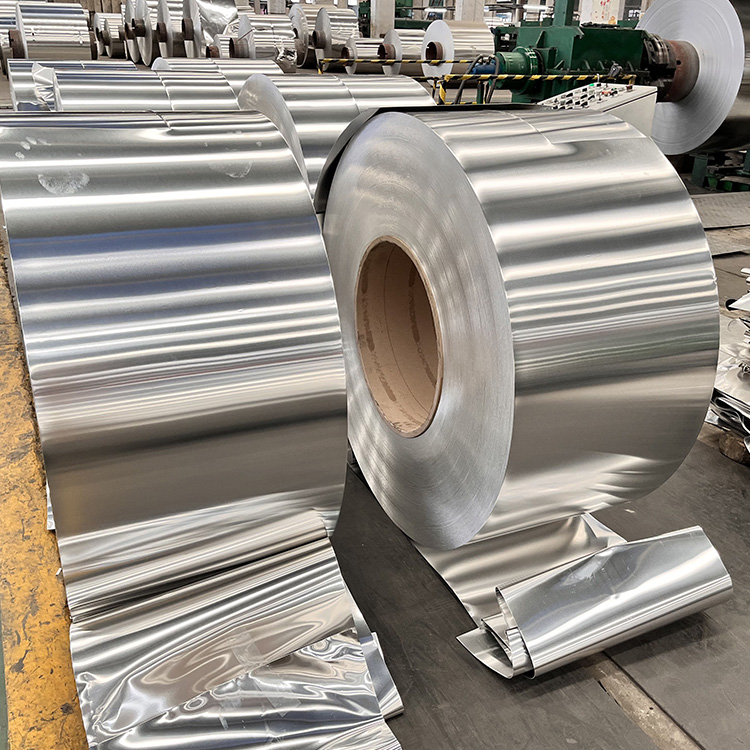
Material degradation keeps procurement managers and engineers awake at night. Unpredictable weathering forces early material replacements. These sudden failures inflate project lifecycle budgets significantly. You need reliable materials to protect your bottom line. Under normal conditions, an aluminum coil provides a highly functional lifespan of 20 to 50+ years. It serves as a resilient backbone for roofing, cladding, and industrial fabrication.
However, actual longevity is never a guaranteed absolute. We cannot simply install it and forget it. Durability is a precise calculation based on alloy selection, environmental exposure, and protective coatings. When you reach the decision stage, you must match the metallurgy to the microclimate. We will explore how specific variables dictate longevity. You will learn how to maximize lifespan, select the right coatings, and avoid the most common installation pitfalls.
Key Takeaways
Baseline Expectation: Standard bare and coated aluminum coils typically last between 20 and 50 years, largely dependent on environmental conditions.
Coating Matters: A prepainted aluminum coil utilizing high-grade PVDF coatings significantly extends lifespan in high-UV and corrosive environments compared to standard polyester (PE) coatings.
Failure Risks: Premature degradation is rarely a material defect; it is usually caused by galvanic corrosion, improper roll forming, or poor storage practices.
Supplier Impact: Sourcing from a vetted industrial aluminum coil supplier ensures accurate alloy matching, proper temper, and valid testing documentation (e.g., salt spray tests).
Establishing a Baseline for Aluminum Coil Service Life
You must connect material lifespan directly to project lifecycle costs. Frequent maintenance intervals drain operational budgets. Premature replacement cycles multiply labor costs. When you understand the expected aluminum coil service life, you can accurately forecast long-term project expenses.
Lifespans vary dramatically based on the installation environment. We generally categorize these timelines into three distinct environmental tiers. First, interior or climate-controlled environments offer the most favorable conditions. Materials placed indoors easily exceed 50+ years of service. They experience negligible degradation because they face no UV exposure or harsh weather.
Second, standard exterior environments represent the bulk of commercial applications. Think of suburban roofing or inland architectural cladding. In these mild climates, the material typically lasts 30 to 40 years. Natural rain washes away minor debris, while moderate temperatures keep coating stress low.
Third, harsh exterior environments reduce the expected timeline to 15 to 25 years. Marine coasts expose metals to relentless saltwater mist. Heavy industrial zones bombard facades with chemical emissions. In these locations, survival relies heavily on specific alloy upgrades and premium barrier coatings.
We must also define what "end of life" actually means. Structural failure is exceptionally rare. Aluminum rarely rusts away to nothing. Instead, end of life usually refers to aesthetic failure. The paint chalks heavily. The color fades beyond acceptable architectural limits. Minor surface pitting occurs. Knowing this success criteria helps you choose the right finish from day one.
Key Variables Governing Aluminum Coil Durability
Your metallurgical choices directly govern ultimate aluminum coil durability. Alloy series selection forms the foundation of this process. The 3000 series utilizes manganese as its primary alloying element. It offers excellent workability. We frequently use 3003 or 3004 grades for general construction and standard roofing panels. Conversely, the 5000 series incorporates magnesium. Grades like 5052 offer vastly superior saltwater defense. You must specify the 5000 series for marine-grade environments to prevent early deterioration.
Natural chemistry also plays a massive role. The material relies on an inherent passivation process. When raw aluminum meets atmospheric oxygen, it rapidly oxidizes. This creates a microscopic, incredibly tough aluminum oxide layer on the surface. This invisible shield blocks further oxygen penetration. It essentially stops deep structural decay. This natural barrier provides the legendary aluminum coil corrosion resistance we expect in industrial applications.
However, localized environmental stressors can overwhelm this natural oxide layer. You must conduct a site-specific risk assessment. Evaluate these three major threats:
Proximity to Saltwater: Coastal winds carry heavy chlorides. Chlorides aggressively attack the natural oxide layer, leading to localized pitting.
Industrial Emissions: Chemical plants and fossil-fuel factories release sulfur dioxide. This mixes into atmospheric moisture. It creates acidic rain, which slowly etches the metal surface.
Extreme Weather: High UV indexes degrade organic paint resins. Massive temperature fluctuations cause rapid thermal expansion and contraction. This movement stresses mechanical fasteners and coating flexibility.
Bare vs. Prepainted Aluminum Coil: Extending Longevity
Procurement teams constantly debate when to upgrade from mill finish to coated products. Bare aluminum reflects heat efficiently. It performs perfectly well for concealed structural elements or internal ductwork. However, visible architectural applications demand advanced aesthetics and extra environmental defense. A prepainted aluminum coil delivers both.
The type of coating you select dictates the maintenance schedule. We primary evaluate two solution categories in the commercial market. Polyester (PE) coatings provide a cost-effective solution. They form easily and offer vibrant colors. We recommend PE for mild environments and interior applications. You can expect a 10 to 15-year aesthetic life before noticeable fading occurs.
Polyvinylidene Fluoride (PVDF) represents the high-performance tier. This advanced resin system offers superior UV resistance. It aggressively fights chalking and chemical degradation. PVDF delivers a 20 to 30+ year aesthetic life. It maintains gloss and color integrity far longer than PE.
You must evaluate the cost-to-outcome ratio carefully. PVDF requires a higher initial investment. Yet, this premium easily aligns with the project's required maintenance intervals. Spending more upfront prevents expensive mid-lifecycle repainting labor. Always match the resin durability to the building's intended operational lifespan.
Implementation Risks: What Causes Premature Coil Failure?
Premature degradation is rarely a pure material defect. Flaws usually originate from improper handling, bad engineering, or poor storage practices. You can buy the finest PVDF material available and still watch it fail in five years. You must manage implementation risks actively.
Galvanic Corrosion: This occurs when you install aluminum in direct contact with dissimilar metals. Copper pipes or untreated steel framing act as catalysts. Water acts as an electrolyte between the two metals. The aluminum sacrifices itself and dissolves rapidly. You must use dielectric separation. Rubber gaskets or bituminous paints prevent this chemical reaction.
Processing Damage: Roll forming shapes the flat metal into functional panels. Improper tensioning during this process stretches the material violently. Incorrect bend radii push the metal past its physical limits. Dull tooling scratches the surface. These errors cause microscopic cracks in the paint layer. Moisture enters these micro-cracks and rots the substrate from the inside out.
Storage and Handling In-Transit: The journey from mill to factory holds hidden dangers. Coils arrive tightly wound. Rapid temperature shifts during shipping cause condensation. Water gets trapped between the tight layers. This moisture cannot evaporate. It causes "water stain" or white rust before fabrication even begins. Proper climate control is non-negotiable.
How to Evaluate an Industrial Aluminum Coil Supplier
Sourcing raw materials requires rigid vetting. A reliable industrial aluminum coil supplier protects your project from catastrophic downstream failures. Move away from pure price-per-ton evaluations. Instead, adopt a comprehensive auditing model.
Start with quality and compliance standards. Require documented adherence to ASTM or EN specifications. Do not accept verbal assurances regarding chemical composition. Ask for official mill test certificates. These documents prove the mechanical properties match your engineering requirements perfectly.
Demand coating and testing transparency. Look for suppliers offering actual laboratory data. You need T-bend test results to verify paint adhesion flexibility. You need impact resistance scores. Most importantly, demand ASTM B117 salt spray testing results. Real data trumps glossy marketing brochures every time.
Assess their supply chain and packaging tolerances. High-quality metal means nothing if it arrives water-damaged. Audit their moisture-barrier packaging protocols. Good suppliers use abundant desiccants. They wrap every roll in thick waterproof paper. They offer specific "eye-to-sky" or "eye-to-wall" loading configurations. These physical safeguards guarantee the material arrives without pre-installation degradation.
Finally, apply smart shortlisting logic. Factor defect rates into your true cost calculations. Assess the validity of their warranties. Does the warranty cover coastal environments? Is their technical support team responsive? A responsive technical partner saves you immense frustration during complex architectural builds.
Conclusion
Specifying building metals remains an exercise in matching material science to harsh environmental realities. You cannot rely on guesswork. Accurate forecasting requires a deep understanding of metallurgy, local microclimates, and resin technology. Standard products perform beautifully indoors, while coastal sites demand aggressive chemical defenses.
Your next step is simple. Align your chosen alloy, temper, and coating directly with specific project demands. Upgrade to PVDF for high-UV exposure. Shift to 5000 series alloys for marine safety. Guard against galvanic corrosion during every installation phase.
Do not finalize your specifications blindly. Contact your manufacturing partners today. Request comprehensive technical data sheets. Ask for physical sample testing reports. Book an engineering consultation to ensure your final specification guarantees maximum longevity and ultimate structural success.
FAQ
Q: Does aluminum coil rust?
A: Aluminum does not rust in the traditional sense because it contains no iron. Rust is specifically iron oxide. However, aluminum can definitely corrode or oxidize. Under harsh chemical exposures or trapped moisture, it develops white rust or localized pitting. Proper coatings and correct drainage prevent this degradation.
Q: Is marine-grade aluminum coil necessary for coastal projects?
A: Yes, it is absolutely necessary. Coastal areas expose facades to relentless salt mist and heavy chlorides. Standard commercial grades will pit and degrade quickly. You must specify 5052 or similar magnesium-alloyed grades. Combine these with high-build PVDF coatings to withstand severe chloride-induced attacks.
Q: How does roll forming affect the lifespan of a prepainted coil?
A: Aggressive roll forming stresses the paint layer. If you use an incorrect bend radius, the paint can suffer micro-cracking. This exposes the bare metal beneath, leading to edge creep and moisture ingress. You must specify a highly flexible coating system and calibrate machinery carefully to prevent tension cracking.
Shandong Sino Steel Co., Ltd. is a comprehensive company for steel production and trading. Its business includes production, processing, distribution, logistics and import& export of steel.