Altering or installing galvanized plumbing and air lines presents a distinct technical challenge. Pre-cut lengths offer undeniable convenience for quick fixes. However, custom runs demand precise, on-site threading. You need these custom threads to ensure leak-proof, code-compliant connections every time. Working with steel pipe requires specific mechanical knowledge.
Improper threading destroys the protective zinc coating on the pipe. It accelerates severe corrosion. Ultimately, poor technique leads to expensive, damaging system leaks. You must treat the threading process as a precision machining operation. You cannot rely on brute force. Mistakes here compromise the entire plumbing or pneumatic system.
This guide provides a practical evaluation framework. Facility managers, contractors, and capable DIYers will learn how to approach pipe connections. You will learn to decide between investing in threading equipment or utilizing pre-threaded alternatives. We also provide a rigorous standard operating procedure (SOP) for manual threading. You will master the process from initial measurement to final leak-proof sealing.
Key Takeaways
Tooling is Non-Negotiable: Success depends less on physical strength and more on securing the pipe with a heavy-duty chain vise and continuously flooding the cut with dark cutting oil.
The "Advance and Reverse" Rule: Threading requires a specific cadence (driving forward, then reversing) to break metal shavings and protect the die teeth.
Material Integrity: The zinc coating is easily compromised. Proper deburring, precise die alignment, and correct sealing (PTFE tape + pipe dope) are mandatory to maintain corrosion resistance.
Strategic Alternatives: For minor repairs on heavily calcified existing lines, transitioning to modern piping via brass adapters or utilizing no-thread couplings is often more viable than threading in place.
Evaluating Your Approach: Threading vs. Alternatives
Before purchasing tools, you must frame the business problem. Assess the upfront costs of threading equipment against your expected labor savings. Sometimes, outsourcing or using alternative connection methods makes more sense. You must evaluate the scope of your specific project.
When to Thread On-Site
Manual threading makes sense for large-scale, custom projects. It is ideal for new installations. Custom compressed air layouts often require exact, non-standard pipe lengths. Heavy-duty water lines also demand precision measurements. If your project spans an entire building, owning a threader saves considerable time.
Furthermore, onsite threading is often required to adhere to strict safety codes. For example, OSHA standards strictly prohibit PVC pipe for compressed air distribution. PVC can shatter under pressure. This necessitates continuous, threaded steel piping for industrial pneumatic lines.
When to Consider Alternatives (The "Pre-Threaded" Strategy)
You do not always need to cut threads yourself. Pre-threaded strategies save money and reduce physical strain.
Pre-cut Nipples: For simpler projects, you can purchase factory-threaded standard lengths. We call these nipples. You combine them with strategically placed unions. This approach minimizes manual labor entirely.
No-Thread Couplings: Isolated repairs rarely justify a full threading setup. Galvanized iron compression couplings bridge gaps seamlessly. They eliminate the need for a pipe threader entirely.
Dealing with Old Systems: When you cut into a 50-year-old pipe, you often find severe internal calcification. The inner diameter might shrink to the size of a pencil. In these cases, threading is completely unviable. The old steel will likely crack under pressure. We recommend complete replacement. Alternatively, use brass transition adapters to switch to PEX or copper tubing.
Decision Matrix Chart: Threading vs. Pre-Threaded
Project Scenario | Recommended Approach | Primary Rationale |
New industrial compressed air lines | On-site manual or machine threading | Code compliance (OSHA) and exact length requirements. |
Isolated minor pipe burst repair | No-thread compression couplings | Fastest restoration of service. Zero heavy equipment needed. |
Altering a highly calcified 50-year-old line | Brass transition adapters to PEX/Copper | Old pipe will likely crush or split under a die head. |
Small residential garden water line | Pre-cut factory nipples and unions | Labor savings offset the slightly higher parts cost. |
Essential Equipment and Material Considerations
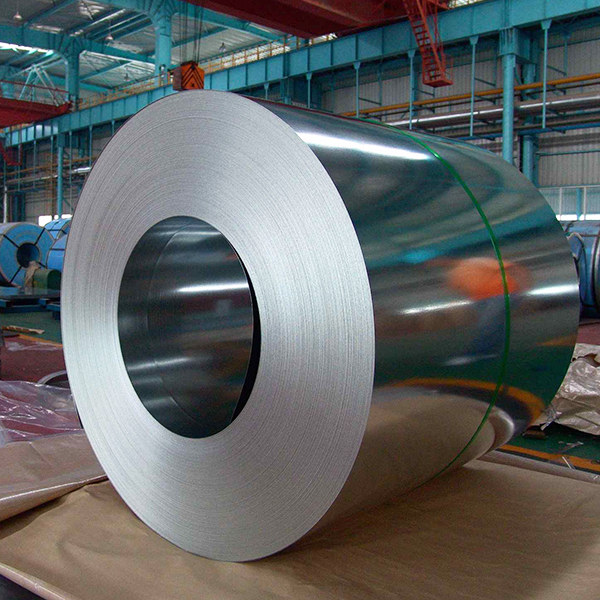
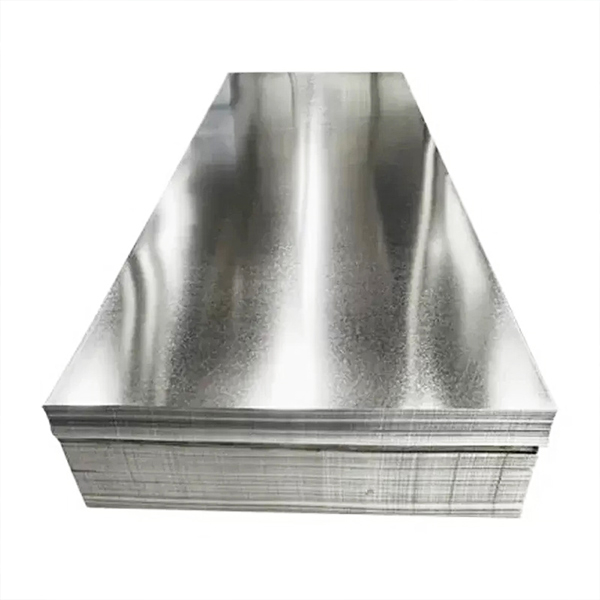
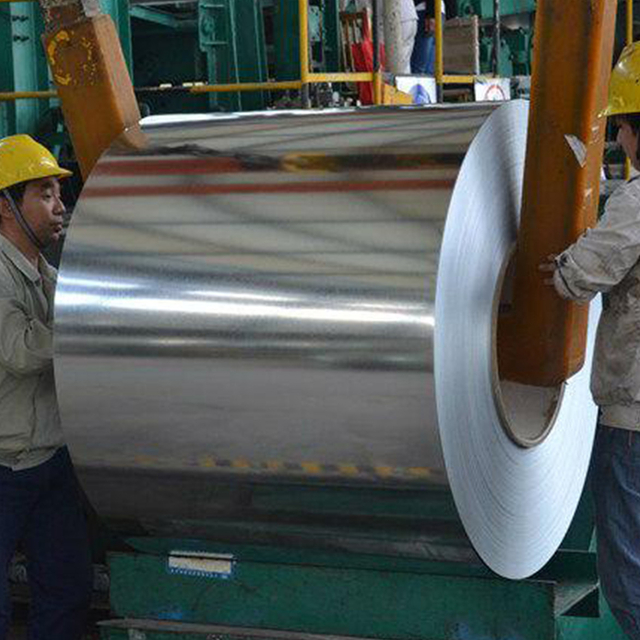
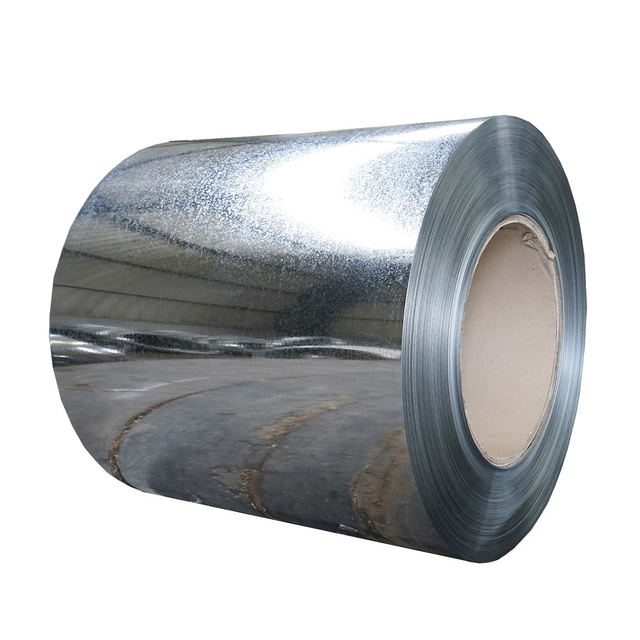
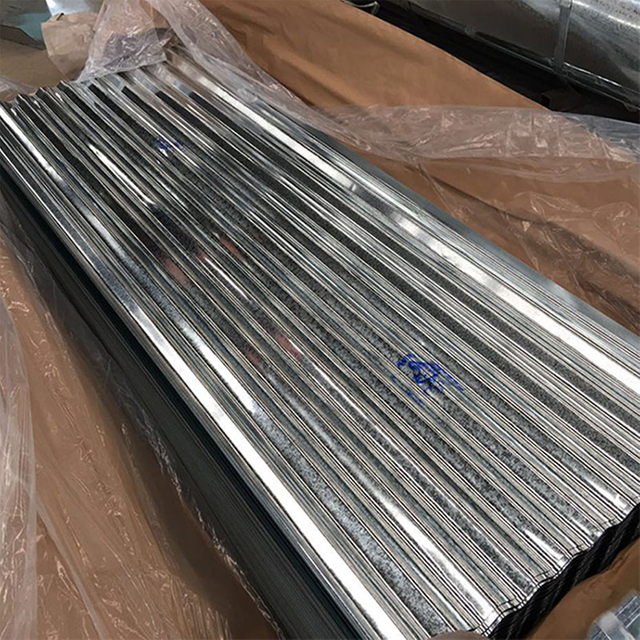
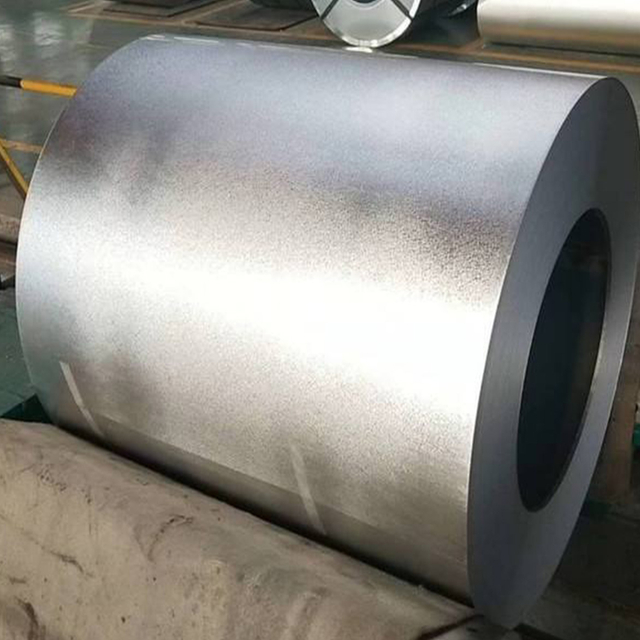
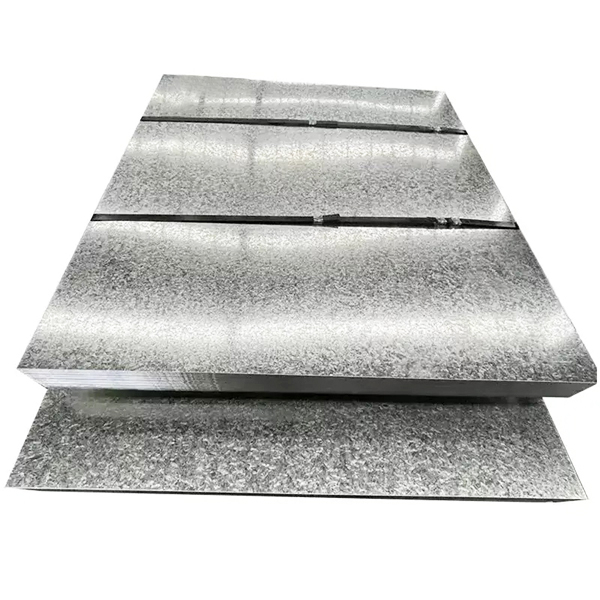
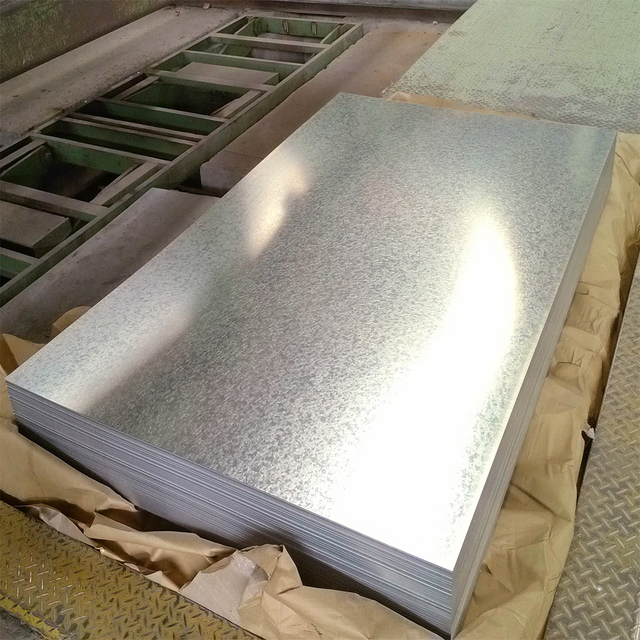
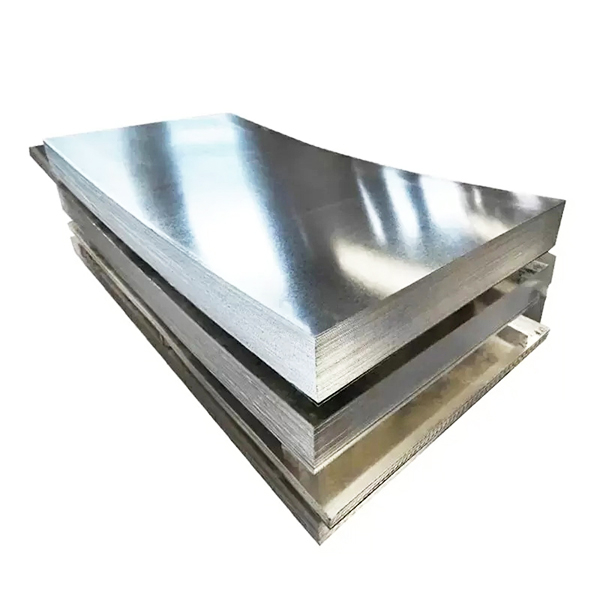
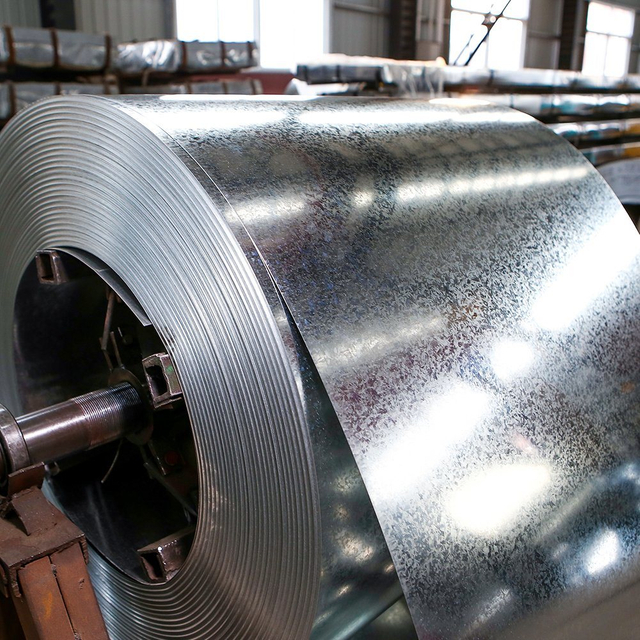
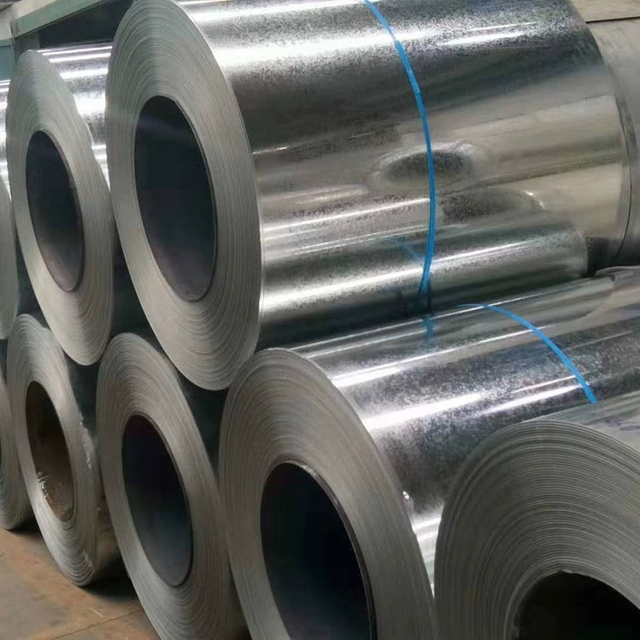
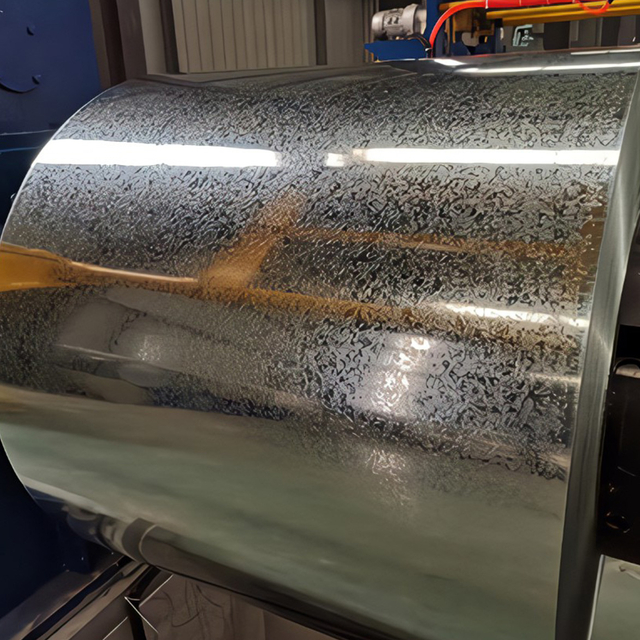
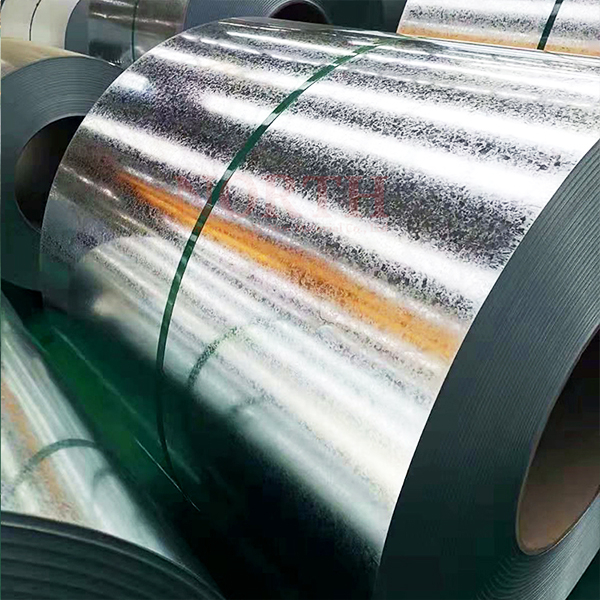
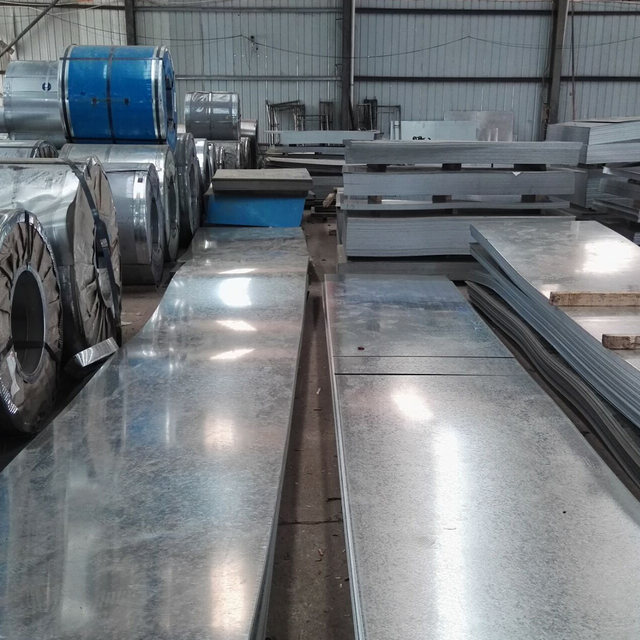
You must understand your materials before you begin cutting. Manufacturers often produce pipes by rolling and welding galvanized steel coil or galvanized steel sheet. The critical zinc anti-rust layer sits entirely on the surface. It does not penetrate the core metal. Aggressive clamping strips this layer. Poor die cutting tears it away. This damage invites rapid oxidation and early failure.
Core Tooling Shortlist
Your success depends directly on your tools. Below is the mandatory equipment list for manual threading.
Tool Category | Required Tool | Why You Need It |
Workholding | Tri-stand chain vise | Standard bench vises fail under extreme rotational torque. A chain vise grips evenly without crushing the pipe out of round. |
Machining | Ratcheting pipe threader handle with HSS die heads | High-speed steel (HSS) teeth cut cleanly. You must match the die head exactly to the pipe's outer diameter (e.g., 1/2", 3/4"). |
Lubrication | Dark threading oil | Standard motor oil burns up. Dark oil prevents severe overheating. It extends die life and prevents metal chips from welding to the tool. |
Preparation | Pipe cutter, reamer, half-round file, wire brush | These tools ensure a perfect 90-degree cut. They remove internal burrs and restore water flow capacity before threading begins. |
Step-by-Step Guide to Threading Galvanized Steel
Manual threading requires discipline. Follow these phases exactly to produce clean, usable connections.
Phase 1: Cutting, Reaming, and Preparation
Achieving a 90-Degree Cut: You must use a dedicated pipe cutter. Avoid using a hacksaw. A hacksaw creates jagged, crooked cuts. Crooked cuts prevent the die head from biting evenly. Tighten the cutter wheel slightly after every rotation until the pipe snaps clean.
Mandatory Deburring: Cutting forces metal inward. You must ream the inside of the pipe. This restores the internal flow capacity. Next, use a half-round file on the outside edge. You want to file a slight bevel. This gives the die teeth a clean starting ramp.
Phase 2: Die Setup and Initiating the Cut
Seating the Die: Lock the correct die head into your ratcheting handle. Listen for the secure click. Place the pipe into your chain vise. Leave just enough overhang to clear the tool head. Too much overhang causes the pipe to flex under pressure.
Flooding and Biting: Apply a heavy coat of dark cutting oil to the exposed pipe end. Position the die head over the bevel. Apply firm, steady forward palm pressure against the die head. Simultaneously, ratchet the handle clockwise. Keep pushing until you feel the teeth securely catch the steel.
Phase 3: Machining and Clearing Shavings
The Ratchet Rhythm: Once the tool engages, rely entirely on the handle leverage. Stop pushing with your palm. Drive the ratchet forward for two to three clicks. Then, pull the handle in reverse. This reversing action breaks off the continuous metal shavings. It prevents them from binding and tearing your newly cut threads.
Continuous Lubrication: You must liberally apply dark cutting oil. Coat the exposed teeth every few turns. Never let the die head run dry.
Stopping Point: Watch the end of the pipe as it emerges through the die. Stop threading once the pipe sits perfectly flush with the outer face of the die head. Pull the reversing knob on your handle. Back the die completely off the pipe.
Quality Control: Inspection and Leak-Proof Sealing
Do not install a newly cut pipe blindly. You must inspect and prepare the joint properly to prevent leaks.
Thread Inspection
Grab a stiff wire brush. Vigorously scrub the new threads. You must remove all microscopic shavings. Scrub away the excess cutting oil residue. Visually inspect the surface. Look for torn, flattened, or missing peaks. If the threads look chewed up, you must cut the end off and start over.
Dry Fit Testing
Perform a dry fit before applying any sealants. Take a clean, dry galvanized fitting. Hand-thread it onto your new pipe. It should spin on smoothly for at least three full turns. You should only meet heavy resistance when it is time to use a wrench.
The "Belt and Suspenders" Sealing Method
We recommend a dual-layer sealing approach for absolute reliability.
First, wrap standard Teflon (PTFE) tape around the threads. Wrap it tightly 2 to 3 times. You must wrap it in a clockwise direction. This ensures the tape does not unspool when you tighten the fitting.
Next, apply a thin layer of pipe dope (liquid thread sealant) directly over the tape. This fills any remaining micro-gaps. It also acts as a final lubricant, allowing you to tighten the fitting smoothly.
Common Pitfalls to Avoid in the Field
Many beginners ruin materials or create safety hazards by ignoring basic rules. Avoid these common operational mistakes.
Attempting to Weld Instead of Thread
We strictly warn against welding Galvanized Steel pipes without proper abatement. The intense heat of a welding torch instantly vaporizes the surface zinc coating. This creates highly toxic zinc fumes. Inhaling them causes heavy metal poisoning, known as metal fume fever. Furthermore, the trapped zinc gas causes severe weld porosity. The joint will look terrible. It will lack structural integrity. Always thread the pipe or use mechanical couplings.
Dry Threading and Improper Oil
Using the wrong lubricant ruins your tools. Standard motor oil or penetrating spray burns off immediately. This leads to massive excess friction. You will find yourself using extreme "elbow grease." Inevitably, this shatters the expensive die teeth. It also warps the pipe wall. Always flood the cut with proper dark sulfur oil.
Over-Tightening the Vise
A standard bench vise poses a massive risk. If you crank it too hard, you crush the pipe out of round. Once the pipe becomes oval-shaped, the die head will never cut evenly. Some teeth will dig too deep. Others will barely scratch the surface. This guarantees permanent system leaks. Invest in a proper tri-stand chain vise. It distributes gripping pressure evenly around the circumference.
Conclusion
Successful pipe threading is an exercise in correct tool selection and patience. It does not require extreme brute force. A methodical approach guarantees professional results. You protect the zinc layer and ensure safe, leak-free operation.
Before starting your next job, assess your project scope realistically. For a single repair, utilize hardware store cut-and-thread services. Alternatively, select no-thread compression fittings. They remain the most practical choice for isolated leaks. However, for system overhauls, you must commit to the right gear. Purchasing a dedicated ratcheting kit, premium dark oil, and a chain vise represents a mandatory investment. Proper tools ensure strict code compliance and unmatched system longevity.
FAQ
Q: Can you thread old or rusted galvanized pipe?
A: Technically yes, but it is highly discouraged. Old pipes are usually brittle, rust-flaked, and internally calcified. The torque of threading often splits the old seam. Transitioning via adapter is safer.
Q: How do you connect galvanized pipe without threading?
A: By using galvanized iron compression couplings or specialized mechanical repair clamps that utilize internal rubber gaskets and bolt-tightened outer sleeves.
Q: Why is dark cutting oil necessary for threading?
A: Dark threading oil contains specific anti-wear additives and sulfur to handle extreme pressure. It reduces friction, carries away heat, and prevents metal chips from welding themselves to the die teeth.