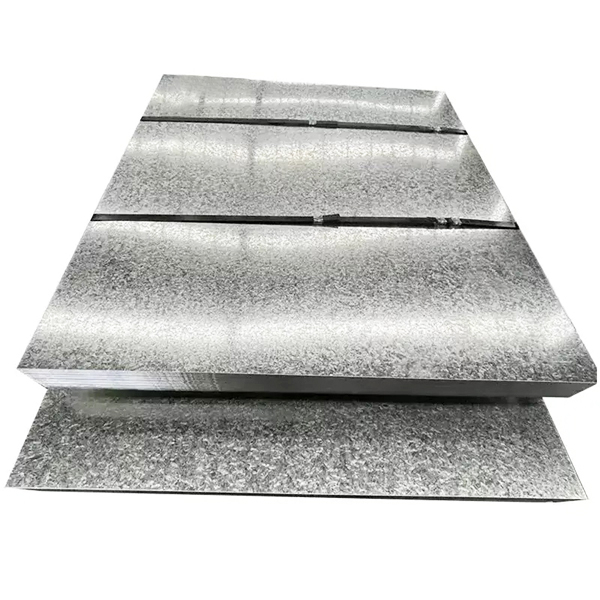
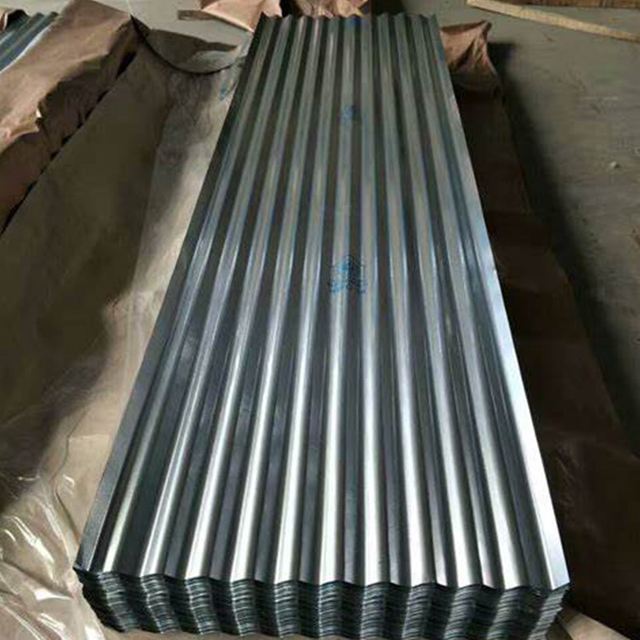
Fabricating zinc-coated metals presents a very common challenge across the manufacturing industry. Welding Galvanized Steel is entirely possible. Doing so without proper protocols, however, severely compromises both structural integrity and operator safety. Welders face these complex material interactions every single day. Treating a zinc-coated workpiece exactly like bare carbon steel will predictably result in failed structural inspections. It also causes rapid, unavoidable corrosion in the Heat-Affected Zone (HAZ). Furthermore, burning zinc creates highly hazardous shop-floor conditions. Toxic metal fumes pose a massive liability for any fabrication business. We provide a clear, evidence-based framework for evaluating when and how to properly weld these materials. You will learn practical methods to mitigate severe metallurgical defects and protect your team. We also cover the strict compliance standards required to maintain long-term corrosion resistance in your final builds.
Key Takeaways
Feasibility: Galvanized metal can be welded, provided the zinc coating is completely removed from the weld zone prior to striking an arc.
Defect Prevention: Failing to strip zinc results in severe weld porosity, inclusions, and intergranular cracking due to the massive difference in melting points between zinc and steel.
Safety Imperative: Vaporized zinc produces highly toxic fumes. Proper PPE and ventilation are non-negotiable legal and health requirements.
Post-Weld Compliance: Welding destroys the protective zinc layer; successful fabrication requires post-weld restoration in strict accordance with ASTM A 780 standards.
The Metallurgical Reality of Welding Galvanized Steel
Understanding the physics of failure forms the foundation of safe fabrication. Zinc boils and vaporizes at approximately 420°C (900°F). Steel, conversely, melts at around 1500°C (2700°F). This massive temperature gap creates the core engineering challenge. You simply cannot melt both metals simultaneously in a stable manner.
If welded directly, the zinc vaporizes instantly under the arc. It becomes trapped inside the molten steel puddle as the puddle rapidly solidifies. This trapped gas causes extensive porosity. It also creates inclusions and a dangerous lack of fusion. A weld filled with gas pockets cannot bear heavy structural loads.
Industry data shows a clear path forward for structural integrity. When properly prepared by removing the zinc entirely, the fatigue strength remains intact. The fracture toughness of the clean joint is identical to uncoated steel. You do not lose mechanical performance if you follow strict preparation protocols.
Zinc penetration cracking remains a serious risk during fabrication. Liquid zinc can penetrate the grain boundaries of the stressed solid steel. We counter this specific engineering problem by using low-silicon or rutile electrodes. Keep the silicon content under 0.2 Si to minimize these cracking risks effectively.
Material Condition | Weld Porosity Risk | Cracking Risk Factor | Resulting Structural Integrity |
Bare Carbon Steel | Low | Low | Baseline Standard |
Unprepared Zinc Coating | Extremely High | High (Zinc Penetration) | Severely Compromised |
Properly Stripped Joint | Low | Low (using <0.2 Si Electrode) | Identical to Baseline |
Non-Negotiable Health, Safety, and Compliance Protocols
Inhaling zinc oxide fumes introduces acute, immediate health risks. Operators exposed to vaporized zinc frequently develop Metal Fume Fever. They experience severe, flu-like symptoms shortly after exposure. These symptoms include intense nausea, chills, high fever, and heavy muscle aches. These sudden illnesses sideline skilled labor and create heavy workplace liabilities.
Many shops unfortunately still rely on dangerous workplace myths. Some welders genuinely believe drinking milk prevents heavy metal poisoning. We must address and immediately dismiss this dangerous shop-floor rumor. Milk does not coat the lungs or stop metal absorption in any capacity. There is absolutely no dietary substitute for proper engineering controls.
Mandatory safety baselines protect your workforce from permanent harm. You must implement strict respiratory and environmental protections.
Install active source-capture ventilation systems to pull fumes away from the breathing zone.
Utilize open-air environments or cross-ventilated bays wherever physically possible.
Mandate P100 (HEPA) half-masks to filter hazardous particulate matter effectively.
Deploy Powered Air-Purifying Respirators (PAPR) for all operators working in enclosed spaces.
Pre-Weld Surface Preparation: The Deciding Factor for Quality
AWS D-19.0 standards provide strict regulatory baselines for preparation. They dictate clearing the zinc coating 1 to 4 inches (2.5 to 10 cm) away from the weld zone. You must perform this clearance on both sides of the joint before striking an arc. Skipping this step guarantees a failed inspection.
Many fabricators completely overlook the requirement to clean the backside of the joint. We call this the hidden threat. Heat transfer quickly vaporizes rear-side zinc during the welding process. This thermal capillary action pulls toxic gas and contaminants straight into the root of the weld. You must clean every side exposed to high heat.
Operators generally choose between mechanical and chemical removal methods.
Mechanical Removal: This represents the industry best practice for most shops. Use hard grinding discs or abrasive flap wheels to achieve bright, bare steel. Ensure you remove the entire alloyed zinc layer, not just the dull surface.
Chemical Removal: You can use muriatic acid for chemical stripping in specific environments. However, this method demands absolute chemical precision. You must aggressively neutralize the acid using baking soda. Finally, dry the metal thoroughly to prevent disastrous hydrogen embrittlement.
Selecting the Right Welding Process and Parameters
Different applications require highly specific process choices. Tailoring your approach prevents excess spatter and ensures deep penetration.
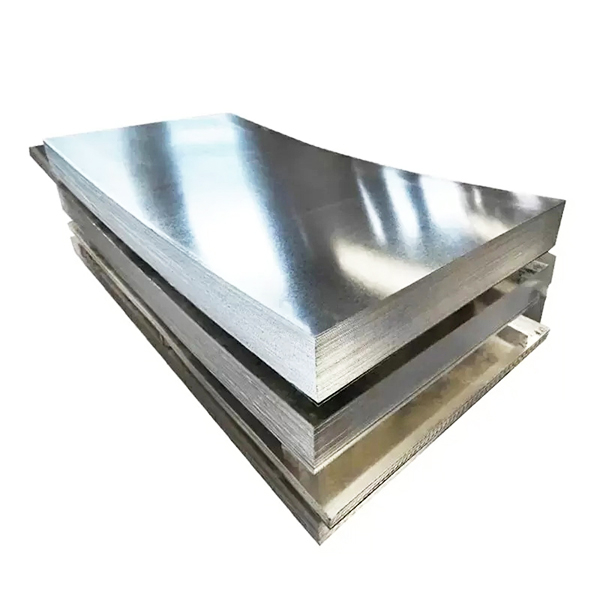
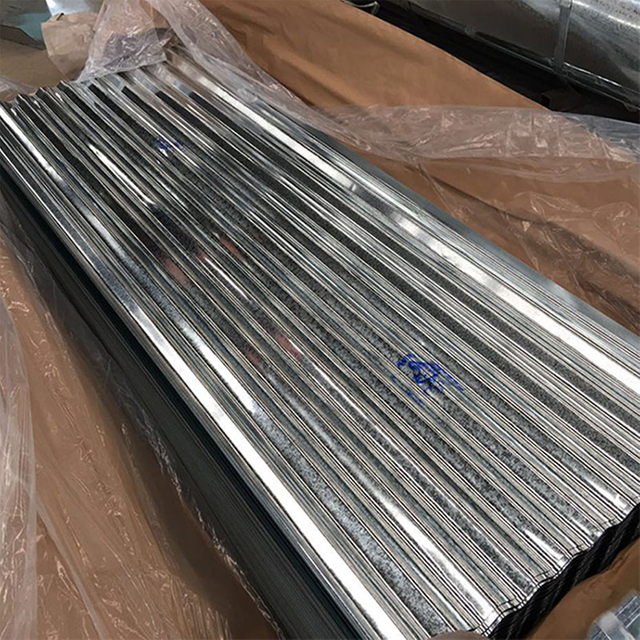
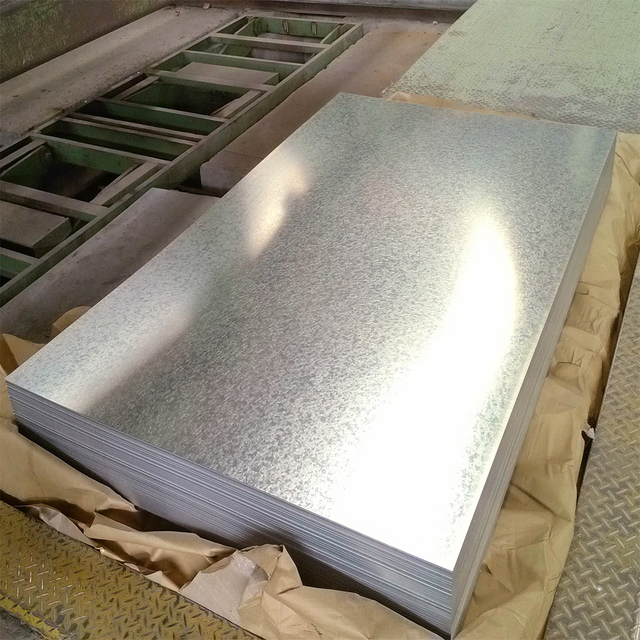
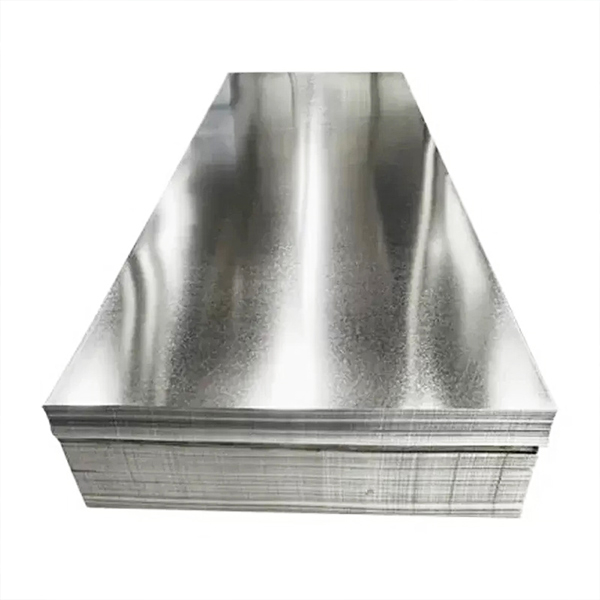
MIG Welding (GMAW) acts as the optimal choice for thinner materials like a galvanized steel sheet. Specific parameter adjustments are highly necessary here. Operators require slightly lower travel speeds than they use for bare steel. Slower speeds allow residual zinc to burn off ahead of the puddle. Increasing the voltage helps punch through any minor residual zinc remaining on the surface. Use Argon/CO2 gas mixes to stabilize the arc and radically reduce flying spatter.
Stick Welding (SMAW) remains the preferred method for thick structural components. Technique shifts are critical for successful execution. Operators must intentionally reduce their travel speed. They should change the electrode angle down to approximately 30 degrees. Using a rhythmic "whipping action" pushes vaporizing zinc forward and out of the weld path. E7018 low-hydrogen electrodes serve as the standard choice for this heavy-duty application.
TIG Welding (GTAW) presents massive operational problems. We highly discourage this method for treated parts. The GTAW process is far too sensitive to external contamination. Vaporized zinc will immediately destroy the tungsten electrode. It ruins the gas shield and leaves a highly contaminated bead.
Welding Process | Overall Suitability | Optimal Material Profile | Critical Parameter Adjustment |
MIG (GMAW) | High | Thin Sheet Metal | Lower speed, higher voltage, Argon/CO2 mix |
Stick (SMAW) | High | Thick Structural Steel | 30-degree angle, whipping action, E7018 electrode |
TIG (GTAW) | Very Low | Not Recommended | Highly discouraged due to rapid tungsten contamination |
Post-Weld Restoration and Lifecycle Defense
Intense heat permanently strips the anti-corrosive properties from the surrounding metal. We call this the Heat-Affected Zone (HAZ) problem. This thermal damage leaves the newly joined area immediately vulnerable to rust. Without intervention, a galvanic cell forms. This cell rapidly accelerates the degradation of the surrounding bare steel.
You must outline a standard operating procedure for reconditioning the joint. Strict compliance with ASTM A 780 prevents premature oxidation. Following this specification ensures the assembly reaches its designed lifespan.
Industry standards recognize several highly effective restoration methods.
Applying specialized zinc-rich paints to the bare metal. These industrial coatings must contain at least 95% pure zinc in the dry film.
Using zinc-based soldering alloys to melt a new protective barrier over the bare steel.
Thermal spraying, also known as metallizing, for heavy-duty commercial and industrial applications.
Manage client expectations early in the fabrication process. Repaired areas will initially show a distinct aesthetic color mismatch. They often look bright silver against a duller grey background. They will naturally weather and oxidize to match the original finish over time.
Evaluating Fabrication Alternatives for Better ROI
Grinding, specialized welding, and post-weld touch-ups introduce massive labor costs. They also create frustrating workflow bottlenecks. Business owners must evaluate if welding pre-coated metal makes financial sense. Sometimes, alternative approaches yield a much higher Return on Investment.
For heavy manufacturing, carefully evaluate the ROI of process sequencing. Consider fabricating your assemblies entirely with raw, uncoated steel first. You can then send the completed, fully welded assembly out for hot-dip galvanizing. This sequence eliminates grinding, stops hazardous fumes, and provides a continuous protective shell.
Consider engineering joints for mechanical bolted connections rather than welds. This alternative entirely eliminates toxic zinc fumes from your shop floor. It also removes the need for HAZ restoration and expensive respiratory gear.
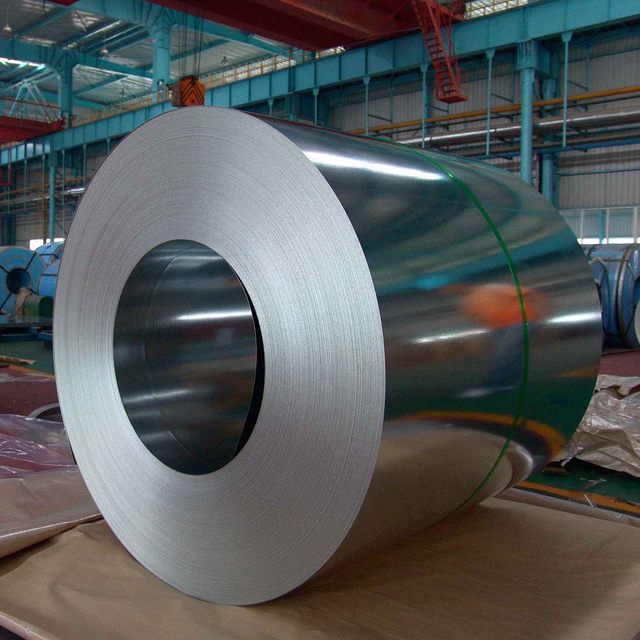
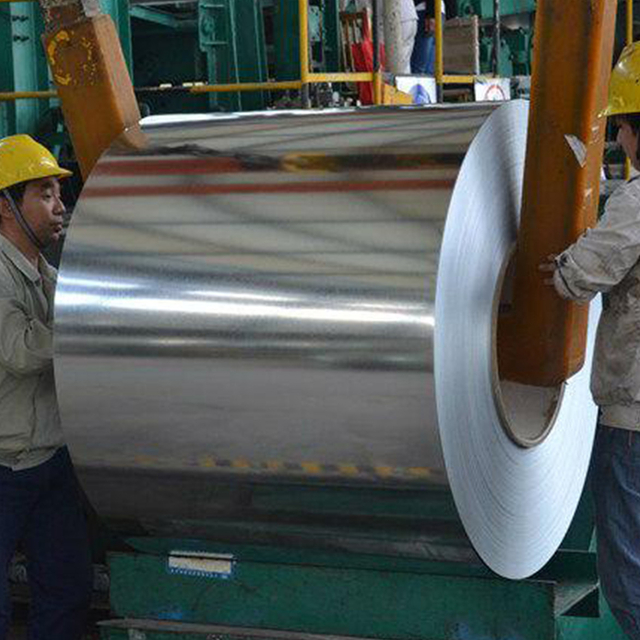
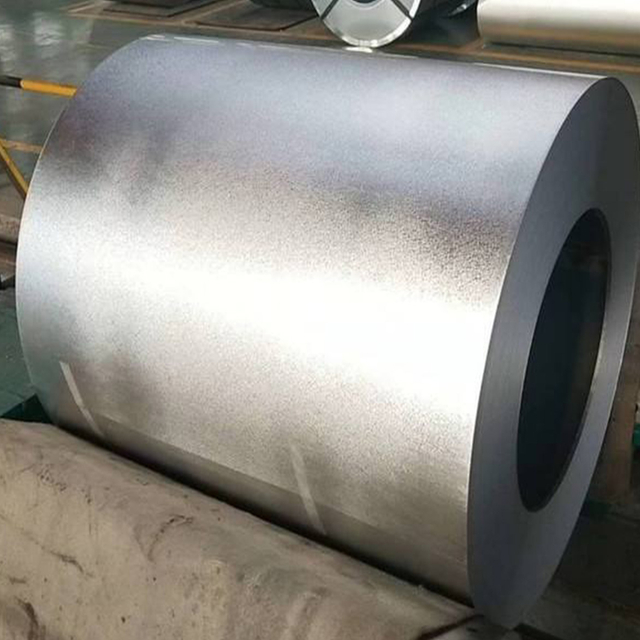
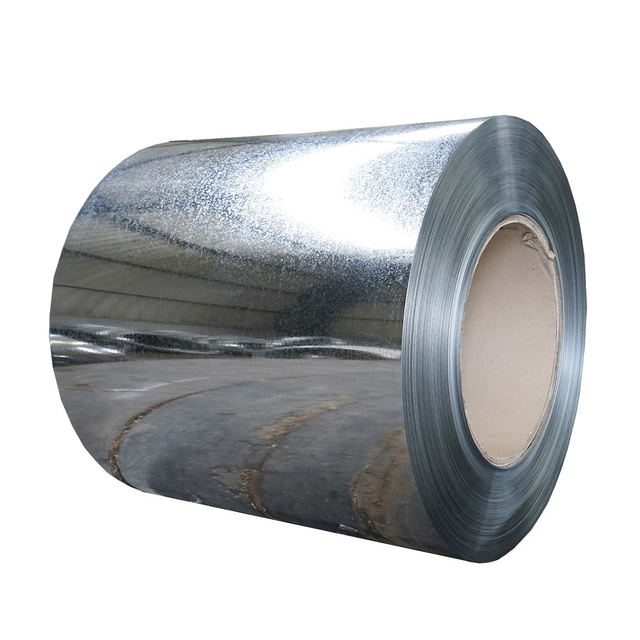
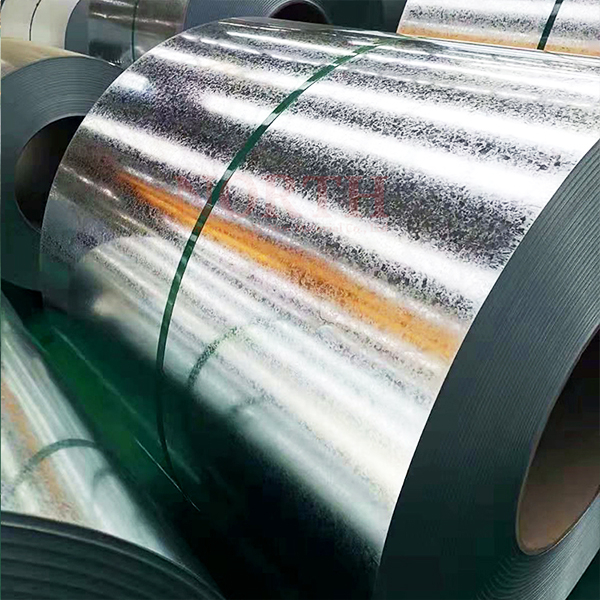
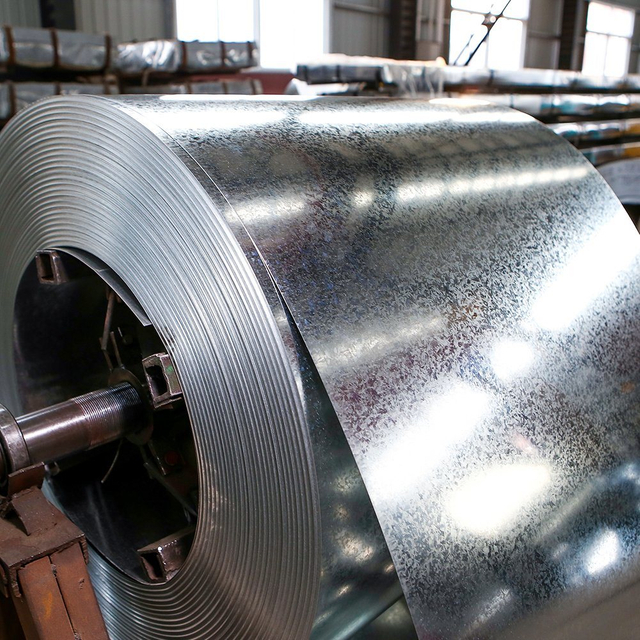
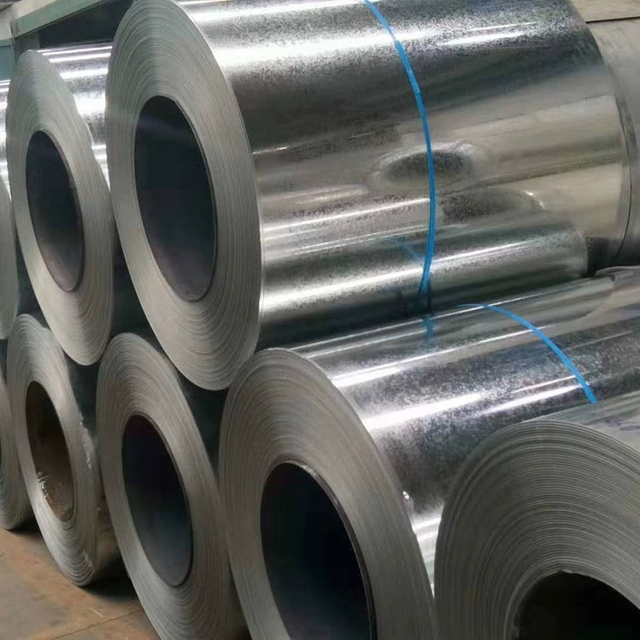
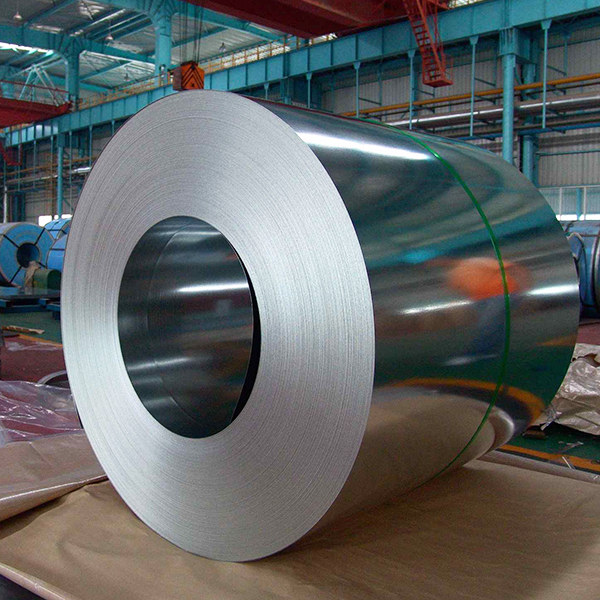
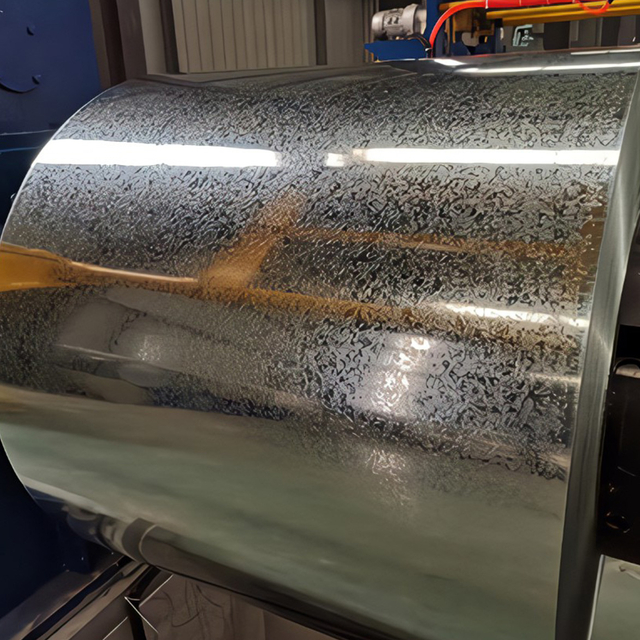
High-volume manufacturing without structural welding requirements benefits from smarter raw material procurement. Sourcing continuous galvanized steel coil for roll-forming or stamping often proves highly cost-effective. Piece-part coating wastes immense time and money when raw coil perfectly meets your exact specifications. Stamping pre-coated coils dramatically accelerates production schedules.
Conclusion
Fabricating zinc-coated steel requires a disciplined, highly structured approach. Welding these materials is a safe and structurally sound practice only when you follow strict surface preparation. You must implement tailored welding parameters and enforce compliant post-weld restoration. Taking shortcuts with preparation predictably compromises both the final product and your operators' health.
Decision makers must take immediate, action-oriented next steps. We recommend reviewing your current shop-floor SOPs to ensure strict alignment with AWS and ASTM standards. Audit your PPE inventory today to verify you have adequate P100 filters and active ventilation systems. Finally, run detailed cost-benefit analyses comparing pre-galvanizing workflows against post-galvanizing workflows. Optimizing this specific sequence will maximize your operational efficiency and protect your bottom line.
FAQ
Q: Can you weld mild steel to galvanized steel?
A: Yes, but the galvanized workpiece must still be stripped back to bare mild steel at the connection point. Minor gaps should be left to allow any residual zinc gas from the HAZ to escape without causing porosity.
Q: Is it safe to weld galvanized metal outside?
A: Outdoor welding drastically improves ventilation but does not eliminate the hazard. Operators still must wear P100-rated respirators and grind away the zinc.
Q: What happens if I weld over zinc without grinding it off?
A: The weld will suffer from severe porosity (trapped gas bubbles) and lack of fusion, making it structurally unsound and highly prone to failure under load.