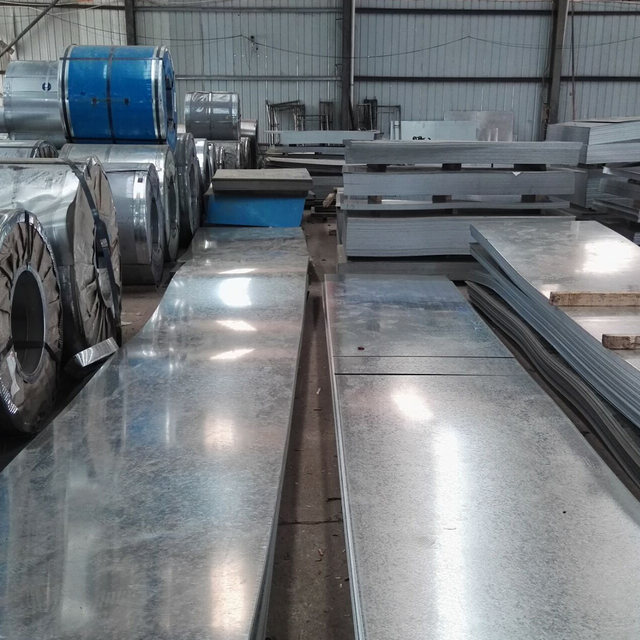
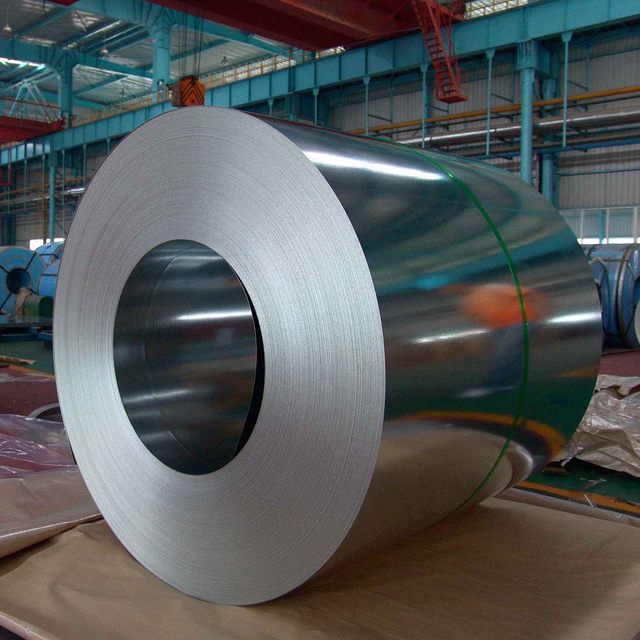
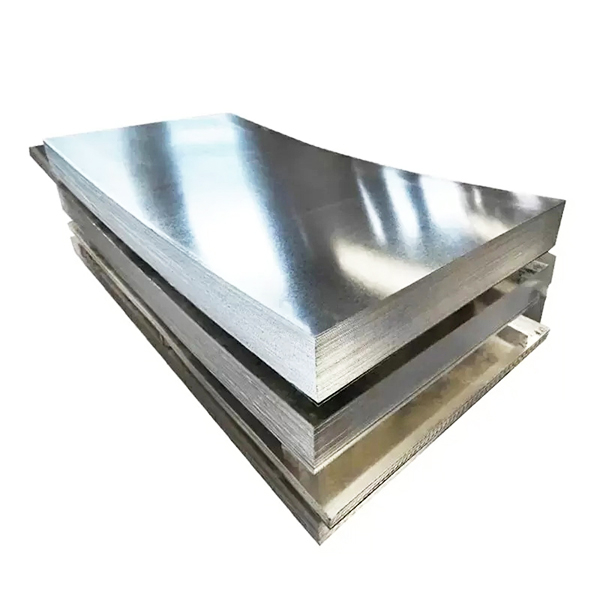
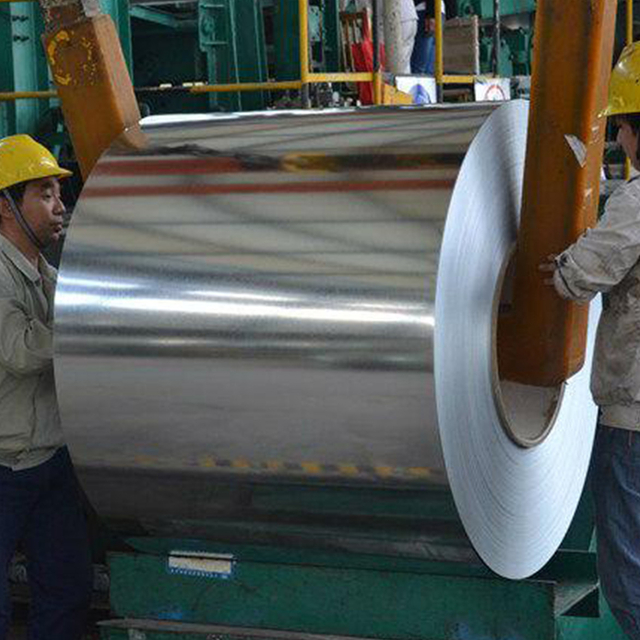
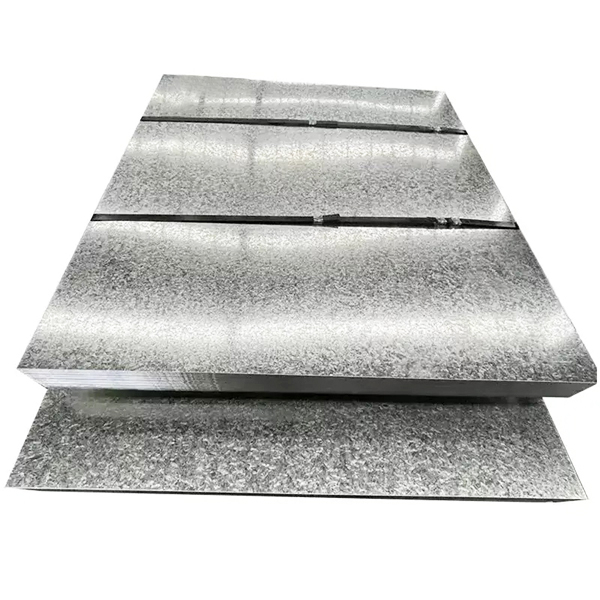
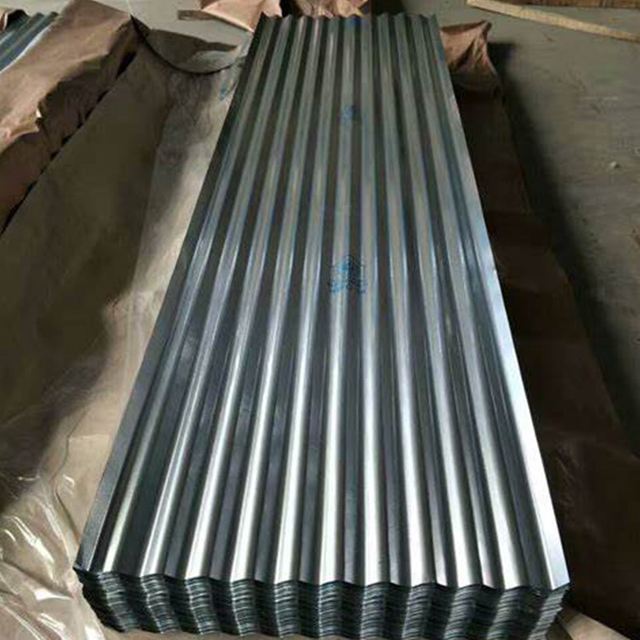
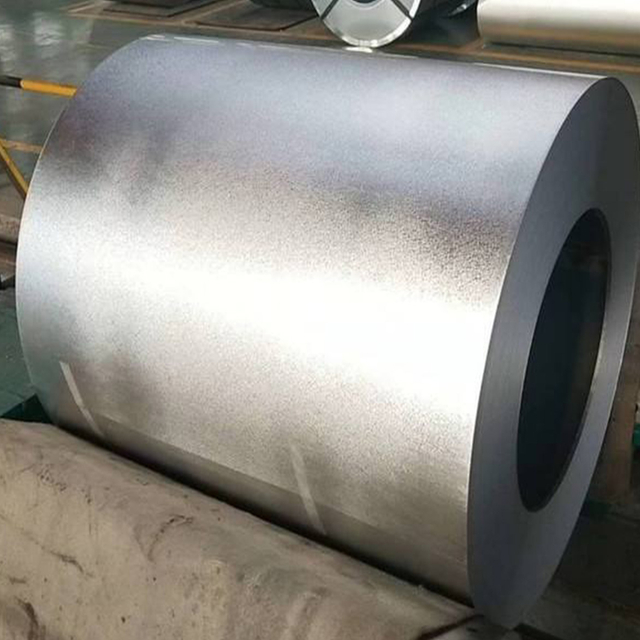
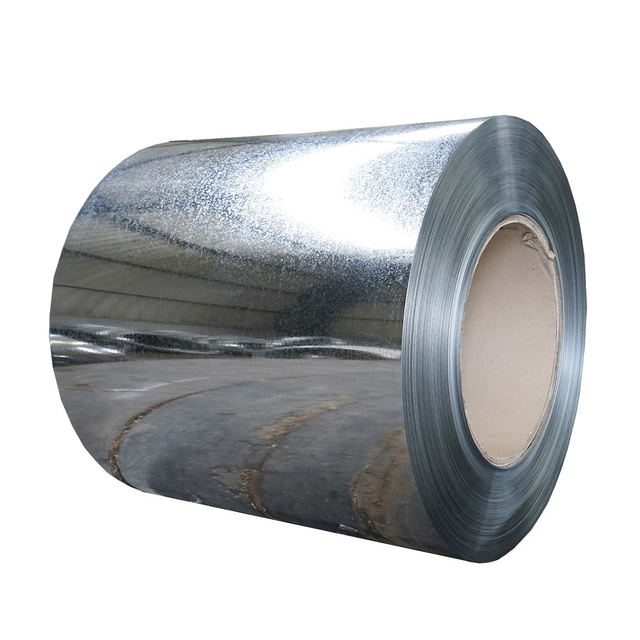
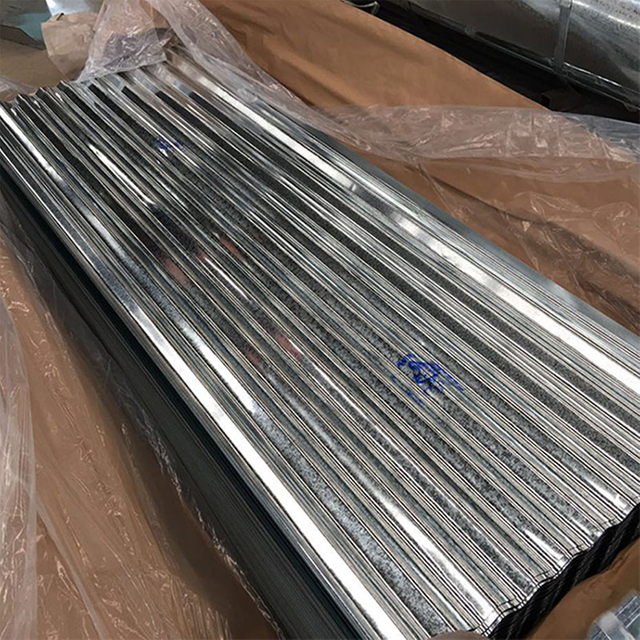
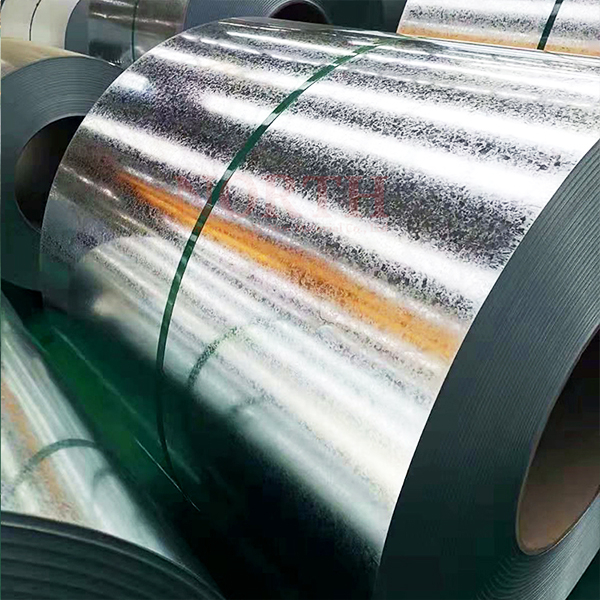
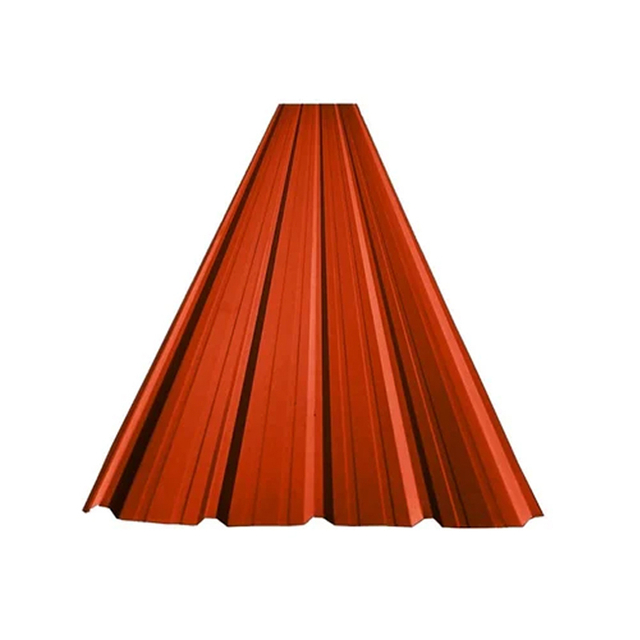
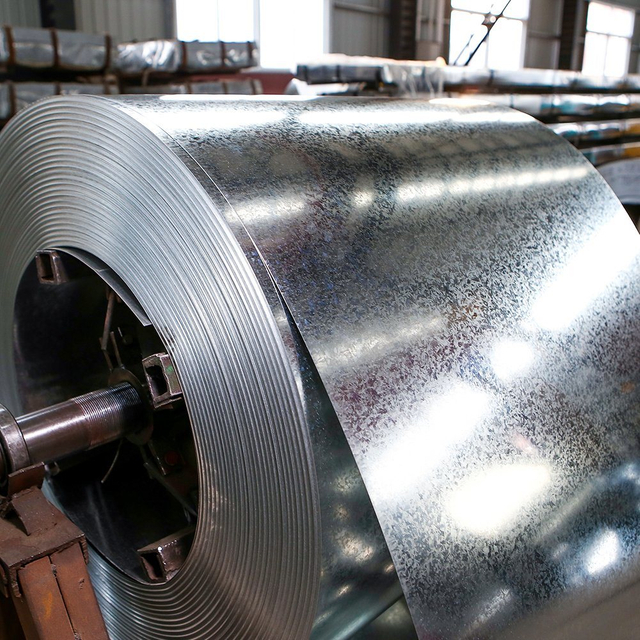
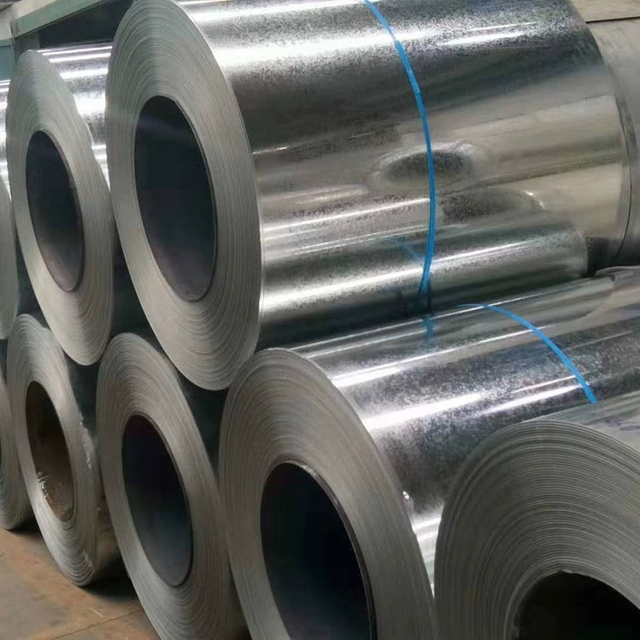
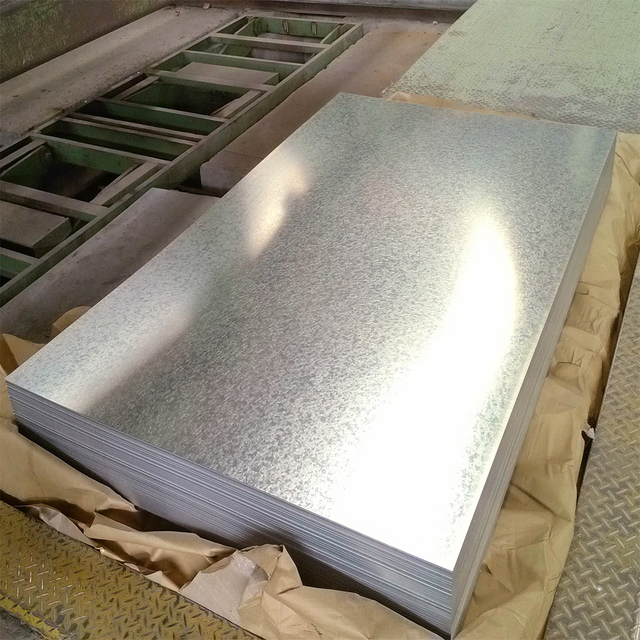
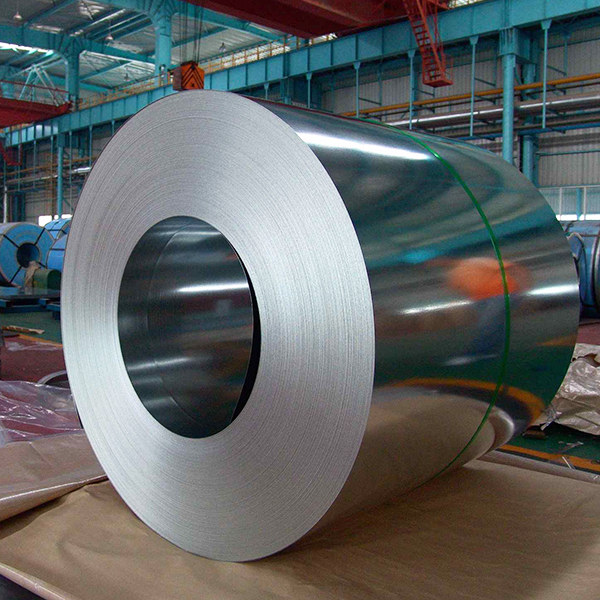
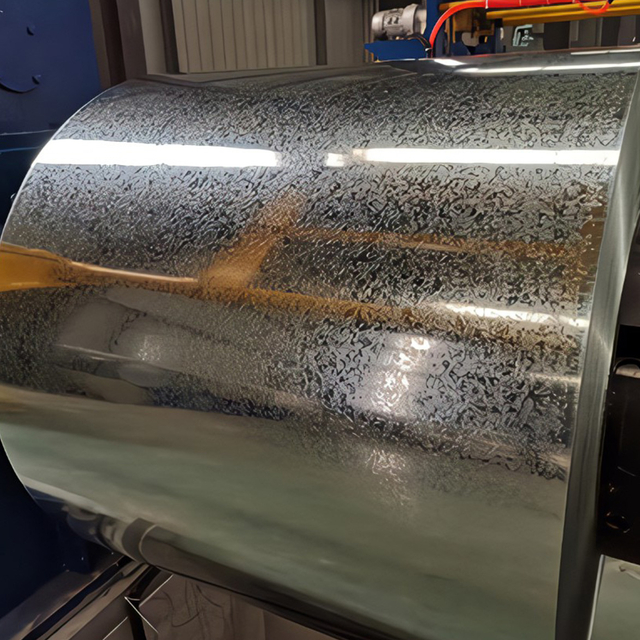
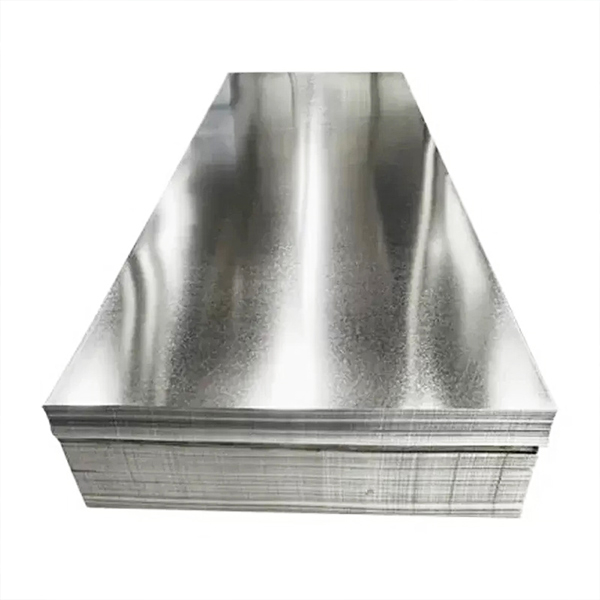
Cutting galvanized metal is rarely a question of whether the material can be severed. Instead, it is a question of mitigating collateral damage. The thick zinc coating makes this metal highly corrosion-resistant but introduces specific implementation risks. High heat generates toxic fumes and leaves the freshly cut edge immediately vulnerable to rapid rust. This comprehensive guide details how to select the proper tools for different material profiles and thicknesses. You will learn essential safety protocols and the mandatory post-cut remediation steps needed to restore the metal's structural defense. We cover everything from heavy plumbing pipes to unrolling a galvanized steel coil to help you maintain strict industry compliance. By following these operational guidelines, you can safely modify materials ranging from thick structural struts to a thin galvanized steel sheet without ever compromising structural integrity or workplace safety.
Key Takeaways
Heat is the enemy: High-friction tools like angle grinders vaporize the zinc coating, releasing hazardous zinc oxide fumes (causing "metal fume fever") and destroying the surrounding rust barrier.
Match the tool to the profile: Portable bandsaws are the industry standard for pipes and struts, while tin snips or specialized shears are optimal for thin galvanized steel coil or sheet applications.
Restoration is non-negotiable: Any field cut or drill hole must be treated according to ASTM A780 standards (using zinc-rich paint or solder) to prevent accelerated localized corrosion.
Pre-fabrication wins at scale: For commercial projects, designing, pre-cutting, and pre-drilling steel before the hot-dip galvanizing process is the most cost-effective way to guarantee coating continuity.
The Core Challenge: Why Cutting Galvanized Steel Requires a Specialized Approach
We often treat coated metals just like standard carbon steel. This casual approach creates immediate structural and health risks. Galvanized Steel relies on a metallurgically bonded zinc layer for protection. During the hot-dip process, the zinc forms tightly fused alloy layers. Zinc possesses a unique cathodic property. It essentially sacrifices itself to protect the underlying core from rust. Microscopic scratches heal themselves through this natural chemical reaction. However, a full-depth physical cut breaks the protective seal entirely. The bare core immediately becomes exposed to oxygen and moisture.
Safety presents an equally severe challenge for operators. Heating this metal above 392°F (200°C) causes the zinc to oxidize rapidly. It then burns off and releases hazardous fumes into the surrounding air. Inhaling these heavy vapors results in metal fume fever. You might experience severe flu-like symptoms, deep chills, and painful respiratory irritation. These physical symptoms can sideline a worker for days and create serious liability issues.
Tooling misconceptions also drive poor cutting practices across job sites. Many beginners use standard high-RPM wood saws fitted with abrasive metal blades. This combination creates a severe safety hazard. The RPM mismatch between the tool and the blade causes dangerous instability. Abrasive blades can easily shatter under the extreme stress of cutting metal. Furthermore, the excessive heat destroys the metal temper and incinerates the protective zinc coating inches away from the cut.
Evaluating and Selecting the Right Cutting Tools
Tool selection dictates the safety and overall quality of your cut. You must adapt your equipment to match the material profile perfectly. Cold-cutting methods always outperform high-friction abrasive techniques because they preserve the surrounding coating.
Portable Bandsaws (Top Recommendation for Struts/Pipes)
Portable bandsaws remain the top recommendation for struts and pipes. They deliver a completely cold, low-vibration cut. The continuous blade action generates zero sparks and zero toxic fumes. We heavily recommend bandsaws for indoor plumbing demolition or square tubing work. They excel where preventing damage to surrounding infrastructure is critical. Selecting a blade with the proper teeth-per-inch (TPI) ensures smooth action and prevents jagged edges.
Reciprocating Saws / Sawzalls (Best for Demolition)
Reciprocating saws provide fast and highly aggressive cutting power. They also generate intense vibration. You need thick, carbide-tipped blades for proper longevity. They work best for rapid demolition tasks. Plumbers frequently use them to remove old, rusted pipes trapped inside walls. You should choose this tool only when a perfectly square edge is not strictly required.
Shears and Tin Snips (Best for Flat Products)
Shears cleanly slice flat metal products without generating any heat. You can use manual aviation snips or powered shear attachments. They are ideal for modifying a thin galvanized steel sheet or fabricating HVAC ductwork. They also work perfectly for unrolling and trimming flat stock. Shears prevent material distortion and keep the zinc layer fully intact along the cut line.
Rotary Pipe Cutters
Rotary pipe cutters offer a completely dust-free and fume-free experience. You clamp the tool around the pipe and rotate it continuously. You progressively tighten the cutting wheel to cleanly sever the material. Precision plumbing relies heavily on this specific method. It guarantees perfect alignment for threading connections. You must apply cutting oil to reduce friction and extend the life of the cutting wheel.
Angle Grinders (High Risk / Low Reward)
Angle grinders offer high speed but carry significant operational risks. They rely entirely on high-friction abrasion. This process destroys the zinc coating far away from the intended cut line. It also creates a highly toxic work environment. You should never use them indoors without industrial fume extraction systems. Grinders remain a high-risk option.
Review this tool evaluation chart to guide your specific selection:
Tool Type | Best Material Profile | Heat Generation | Fume Risk |
Portable Bandsaw | Struts, Heavy Pipes | Low (Cold Cut) | None |
Reciprocating Saw | Demolition Pipes | Low to Medium | Low |
Shears / Tin Snips | Flat Sheets, Thin Coils | None | None |
Rotary Pipe Cutter | Round Tubing, Pipes | Low | None |
Angle Grinder | Not Recommended | Extreme | High |
Step-by-Step Execution Based on Material Shape
Proper execution requires patience and careful workspace preparation. Your technique must adapt to the unique shape of the metal. Follow these precise steps to ensure absolute safety and mechanical accuracy.
Cutting a Galvanized Steel Sheet or Coil
Secure the material completely flat against a sturdy workbench. Use padded C-clamps to prevent violent vibration during the cut.
Put on appropriate personal protective equipment. Always wear a full-coverage face shield and thick leather gloves.
Use a circular saw equipped with a dedicated carbide-tipped, low-RPM metal-cutting blade for long, straight cuts. Guide the saw slowly.
Utilize aviation snips for detailed curves or corner notches. Let the workbench support the waste material to prevent hand fatigue.
Cutting Square Tubing and Pipes
Wrap a strip of masking tape tightly around the tube perimeter. This implementation hack creates a continuous visual line for a highly square cut.
Secure the tubing firmly in a bench vise. Do not over-tighten the jaws, as you might crush thin-walled profiles.
Apply heavy cutting oil frequently when using a rotary pipe cutter to lubricate the wheel.
Tighten the cutter incrementally after each full rotation. Rushing this step will dent or collapse the pipe wall.
Edge Finishing (Mandatory Step)
Inspect the severed edge for burrs and sharp metal splinters. A cut is never complete until you fully deburr it.
Use a single-cut steel file to smooth the exterior edges of the newly cut profile.
Insert a pipe reamer into hollow tubing to remove internal burrs. Sharp edges interfere with plumbing fittings and prevent proper paint adhesion.
Mandatory Post-Cut Remediation (Restoring the Seal)
A fresh cut exposes raw carbon steel directly to the elements. Skipping edge restoration creates massive business risks. It leads to rapid oxidation, structural degradation, and failed site inspections. You must treat every severed edge as a major vulnerability. We highly recommend following industry standard protocols for repairing damaged hot-dip coatings. The ASTM A780 specification outlines the exact requirements for restoring structural integrity and rust resistance.
You can choose from several approved restoration methods based on your specific project requirements:
Zinc-Rich Paint (Cold Galvanizing Compound): This remains the most accessible field solution available. The paint must contain high levels of metallic zinc dust to provide necessary galvanic protection. You must apply it only to clean, deburred, and thoroughly degreased cuts. Proper surface preparation guarantees long-term adhesion.
Zinc-Based Solder/Alloy: You melt this specialized alloy stick directly over the heated cut edge. It creates a thicker, more durable physical barrier than paint. This method works exceptionally well for heavy-duty exterior applications facing harsh weather.
Fastener Sealing: Drill holes present similar corrosion risks to saw cuts. Driving a dedicated galvanized screw or bolt tightly into the opening often restores the localized seal. The fastener head effectively blocks moisture from entering the exposed internal cavity.
Pre-Fabrication vs. Field Cutting: A Cost-Benefit Analysis
The most reliable way to maintain overall coating integrity is to avoid field modifications entirely. This proactive approach requires careful planning but delivers vastly superior results. Sending accurate CAD specifications to a professional fabricator changes the entire project dynamic.
Fabricators handle all drilling, shearing, and grinding before the hot-dip galvanizing bath. This specific sequence ensures 100% continuous coating coverage. The molten zinc flows perfectly into every pre-drilled hole and over every sheared edge. Scalability improves dramatically when you adopt this organized workflow for large commercial rollouts.
Pre-fabrication absolutely improves your long-term project return on investment. It does increase upfront engineering costs. However, it significantly reduces on-site labor hours. Your installation crews spend less time measuring, cutting, and grinding. It eliminates tool consumable costs, such as expensive saw blades and cutting gases. Most importantly, it mathematically reduces future maintenance liabilities by preventing premature structural rust failures.
Review this comparison chart outlining the two distinct fabrication approaches:
Factor | Pre-Fabrication (Proactive) | Field Cutting (Reactive) |
Coating Integrity | 100% continuous coverage | Compromised at cut locations |
Labor Speed | Fast on-site assembly | Slow manual cutting and grinding |
Post-Cut Remediation | None required | Mandatory ASTM A780 touch-ups |
Corrosion Risk | Virtually zero | High if field touch-ups fail |
Conclusion
Working with coated steel requires strict operational discipline and proper tooling selection. You must balance speed, safety, and long-term corrosion resistance. Follow these final action-oriented steps for your next installation project:
Prioritize cold-cutting methods like bandsaws over high-heat abrasives to protect the surrounding zinc layer.
Select proper safety gear, including full face shields and P100 respirators, to guard against toxic metal fumes.
Deburr every single cut with a steel file to ensure safe manual handling and proper fitment.
Apply zinc-rich paint immediately to seal raw edges and block aggressive oxidation.
Consider pre-fabricating large orders to guarantee flawless, continuous rust protection straight from the factory.
FAQ
Q: Can you cut galvanized steel with an angle grinder?
A: Yes, but it is highly discouraged for indoor use. It burns off the zinc coating, creates hazardous fumes (zinc oxide), and requires extensive post-cut rust remediation. The high heat destroys the metal's temper and leaves the surrounding area highly vulnerable to rapid corrosion.
Q: Will galvanized steel rust where you cut it?
A: Yes. While the surrounding zinc offers slight localized galvanic protection, the bare steel exposed at the cross-section will oxidize quickly if not treated with a zinc-rich paint or solder. You must seal the breach immediately to maintain structural integrity.
Q: What type of drill bit is best for galvanized steel?
A: Use cobalt or titanium-coated high-speed steel (HSS) drill bits. Standard wood or masonry bits will dull instantly or shatter under the pressure. Apply a few drops of cutting fluid to keep the bit cool and preserve the cutting edge.
Q: How do you safely manage the toxic fumes when cutting?
A: Always prioritize "cold cutting" methods (bandsaws, shears, pipe cutters). If hot cutting or welding is unavoidable, work outdoors or use an industrial fume extractor. You must wear a P100 half-mask respirator specifically designed for blocking hazardous metal fumes.