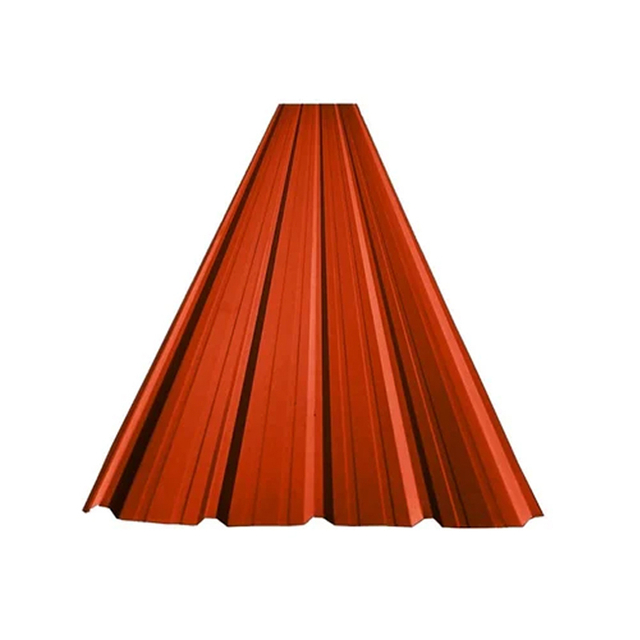
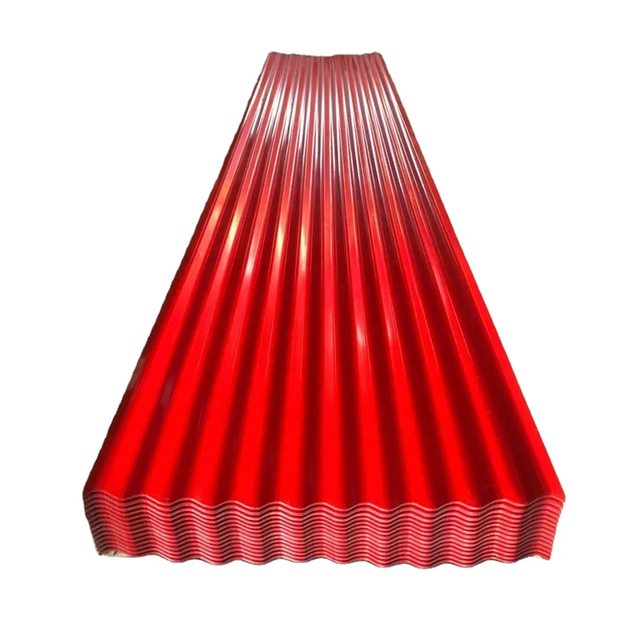
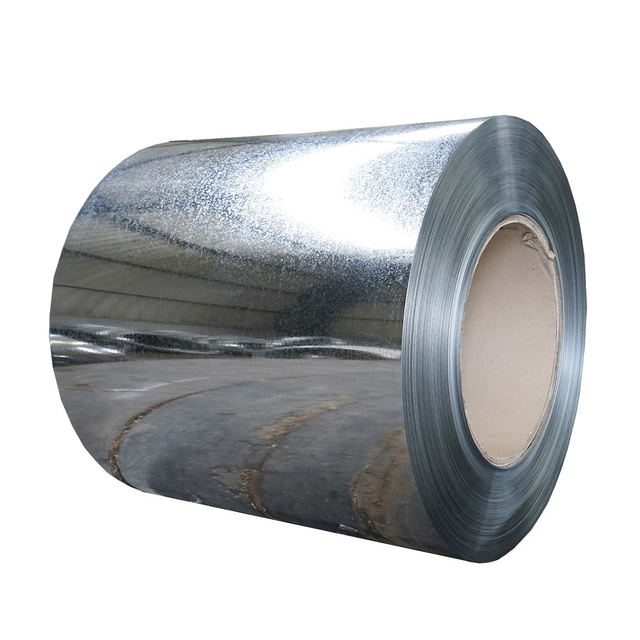
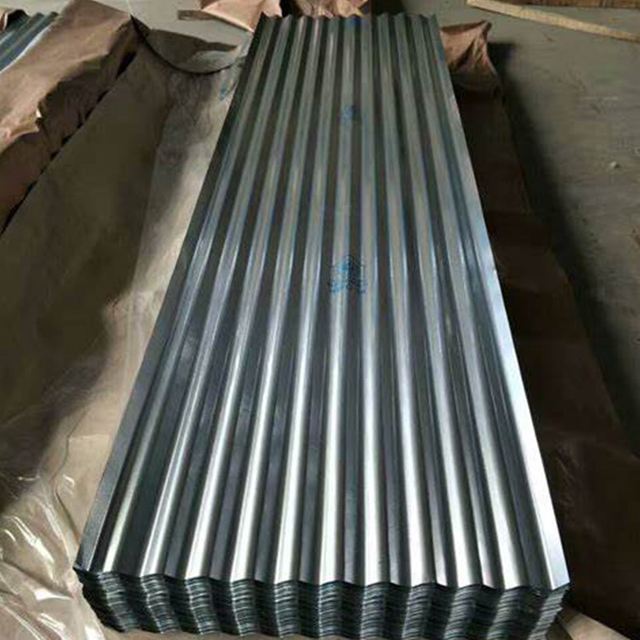
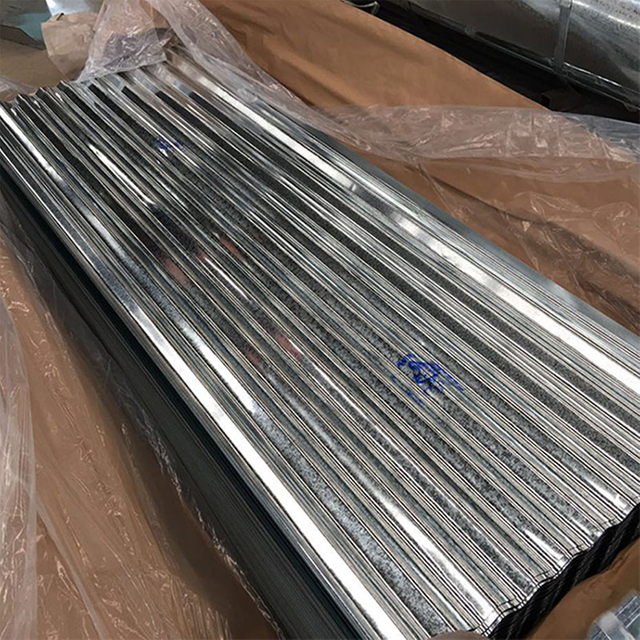
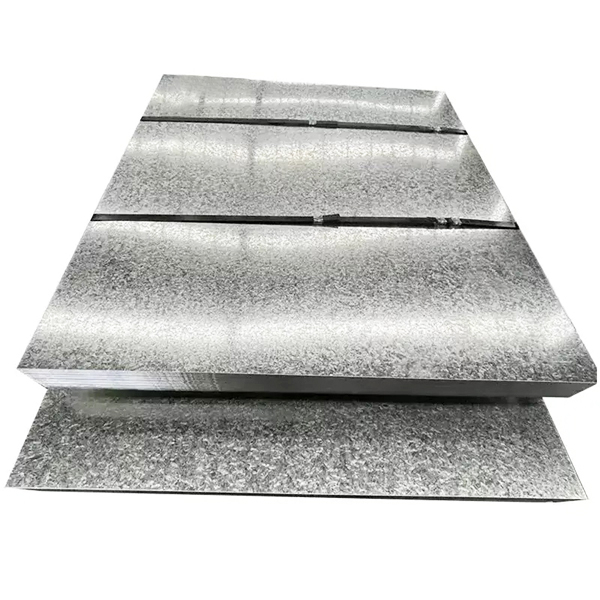
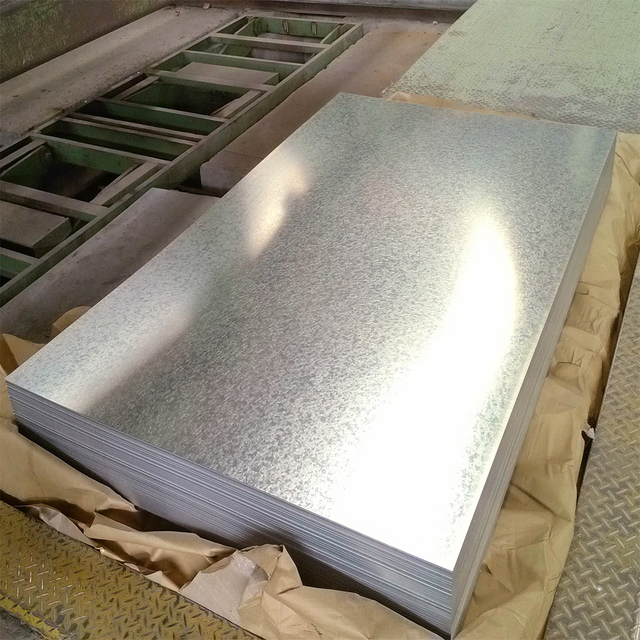
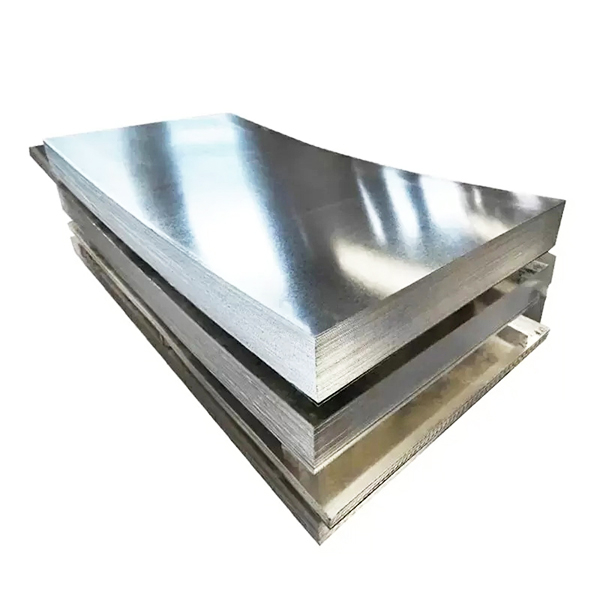
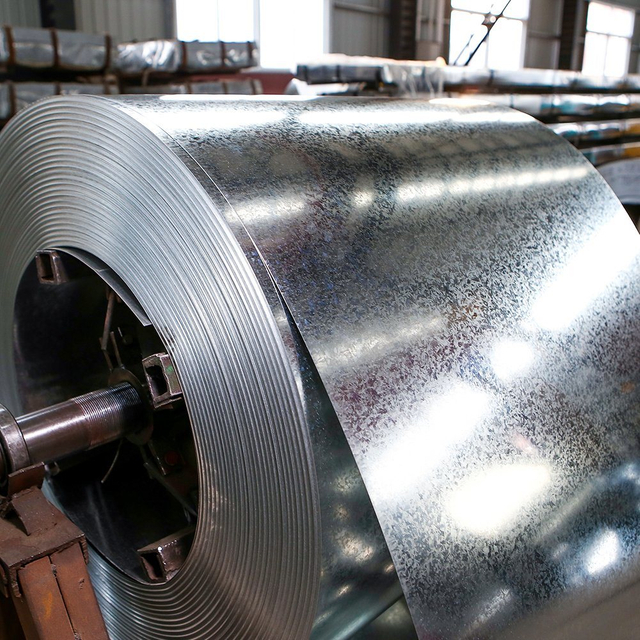
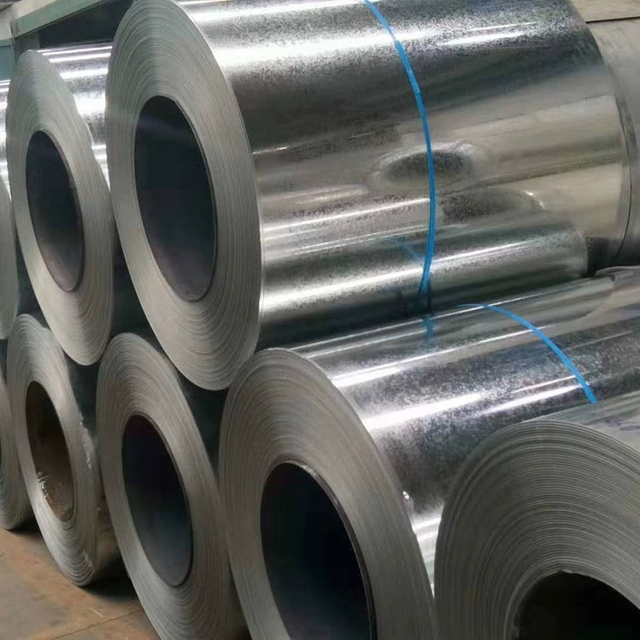
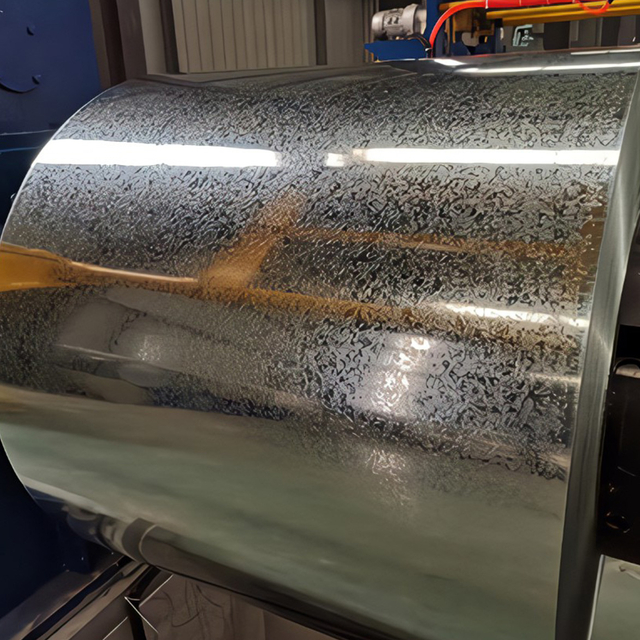
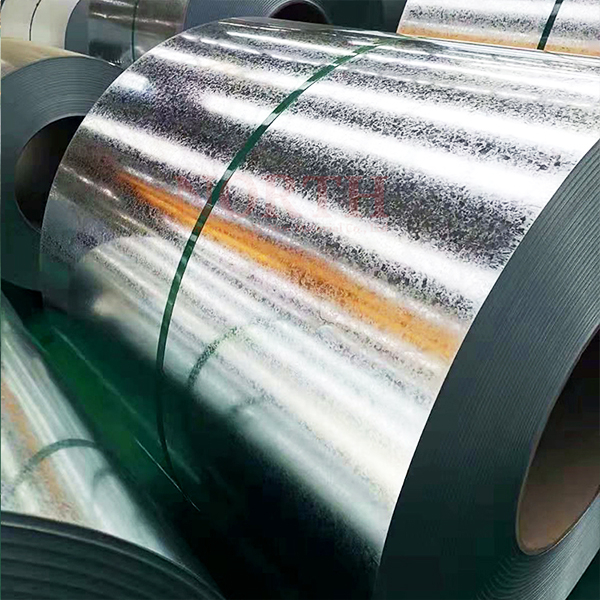
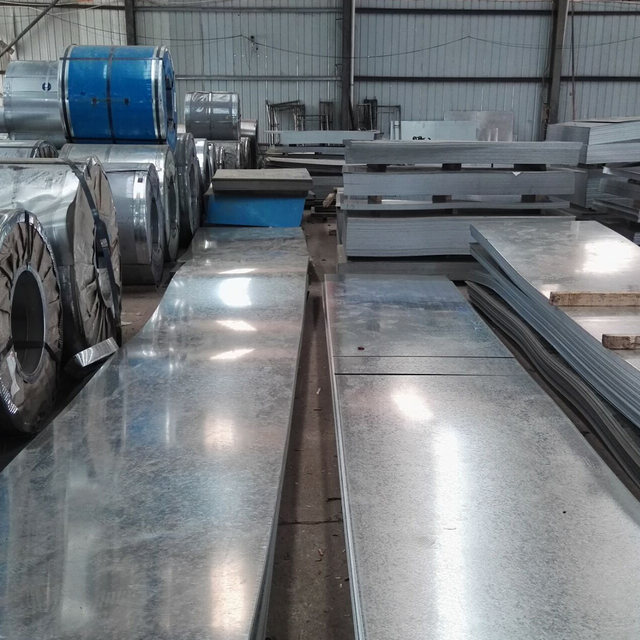
Engineers and builders widely praise Galvanized Steel for its self-healing, sacrificial zinc coating. This impressive metallic barrier acts as a frontline defense against corrosion. However, it is not completely immune to degradation. Aggressive chemical environments and extreme thermal conditions can break down this protective layer rapidly.
Many decision-makers face a hidden problem in the field. Incorrect surface preparation, incompatible overcoating, or improper maintenance routines can actively strip the zinc layer. When this happens, you accelerate corrosion rather than preventing it. You must understand the delicate chemistry of zinc to avoid catastrophic project failures.
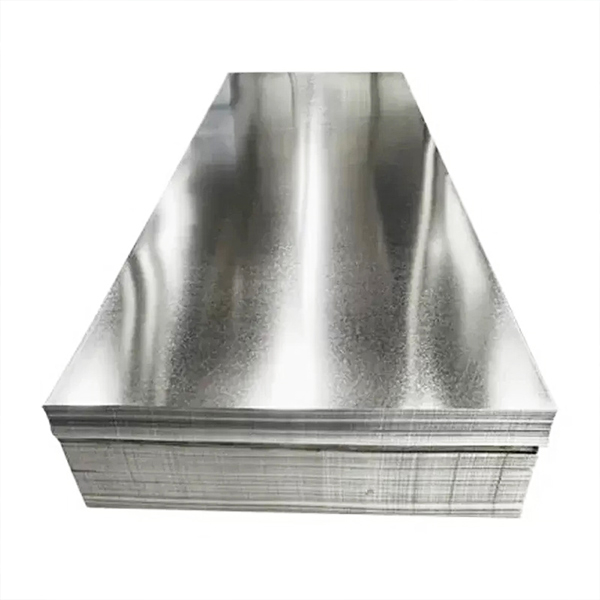
This article provides a rigorous framework for evaluating protective coatings. We will establish clear maintenance protocols for your facility. You will also learn how to execute industrial-grade surface preparation for raw materials like a galvanized steel sheet and fabricated structural components.
Key Takeaways
The protective zinc patina requires 6 to 24 months to fully weather; coating unweathered zinc without specialized preparation guarantees adhesion failure.
Extreme environments (near 100°C + high humidity) can trigger a "polarity reversal," causing zinc to accelerate—rather than prevent—steel corrosion.
Routine cleaning must operate strictly within a pH range of 6 to 12; acidic rain or alkaline bleach will dissolve the zinc layer.
Mechanical abrasion (like wire brushing or over-sanding) removes the active zinc layer, causing immediate atmospheric oxidation.
Industrial overcoating requires strict adherence to sweep blasting standards (SSPC-SP 16) and verification via chromate testing (ASTM B 201).
The Baseline: Understanding Degradation and "Polarity Reversal"
You cannot protect a metallic substrate without understanding its baseline chemistry. Standard zinc chemical bonds have distinct limits. We must identify these limits to formulate a proper protection strategy.
The Self-Healing Mechanism
Zinc serves as a sacrificial anode. In an electro-chemical reaction, zinc prioritizes its own oxidation. It readily gives up its electrons to protect the internal steel core. If someone scratches the surface, the surrounding zinc will react to plug the breach. This physically and electrochemically shields the vulnerable steel underneath.
The Environmental Thresholds (When Zinc Fails)
Despite its resilience, this sacrificial anode mechanism has strict environmental boundaries. Crossing these thresholds compromises the material rapidly.
pH Violations: Zinc requires a stable pH environment. It rapidly deteriorates outside a safe pH window of 6 to 12. Heavy industrial pollution creates acid rain, dropping environmental pH levels to 4 or lower. Conversely, harsh alkaline cleaning chemicals exceed pH 12. Both extremes dissolve the protective barrier.
Galvanic Corrosion: Direct physical contact between dissimilar metals is highly destructive. If you place a less active metal, such as copper or brass, against the zinc layer, it triggers rapid electro-chemical consumption. The zinc sacrifices itself entirely to protect the adjacent copper, leaving the underlying steel completely bare.
The Polarity Reversal Phenomenon
Heat and moisture introduce a highly dangerous failure mode known as polarity reversal. This typically occurs in high-heat environments approaching 100°C combined with high humidity. Agricultural greenhouses, steam-cleaning facilities, and hot industrial processing plants often experience this phenomenon.
Under these specific thermal conditions, the surface chemistry changes. The zinc reacts to form zinc oxide (ZnO) and zinc hydroxide (Zn(OH)₂). These compounds shift the electrical potential of the zinc layer entirely. The zinc transforms into a cathode, and the underlying steel becomes an anode. The system essentially runs in reverse. Instead of sacrificing itself, the zinc actively accelerates the rusting of the steel.
Solution Framework: Evaluating Secondary Protective Coatings
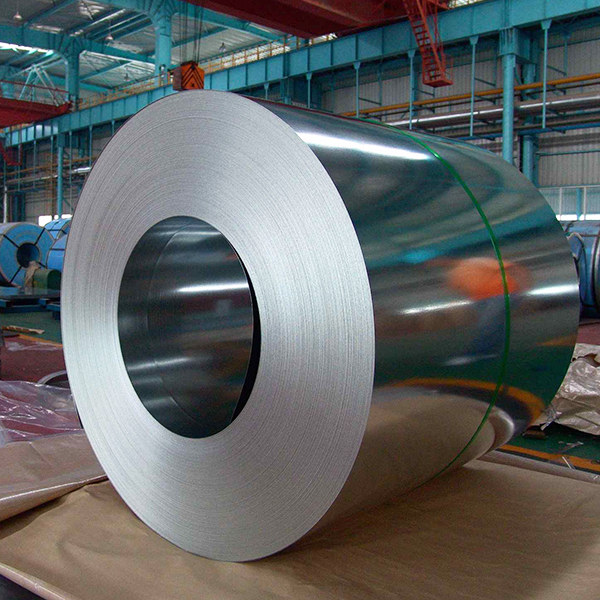
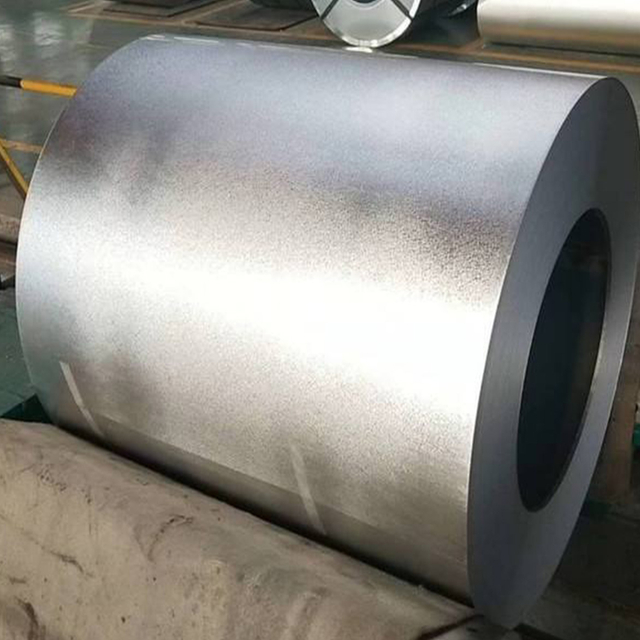
Sometimes the baseline zinc layer requires secondary reinforcement. Buyers must select the right overcoat solutions for a galvanized steel coil or finished sheet. The following decision matrix breaks down the three primary coating categories.
1. Clear Coats (Aesthetic & Light Duty)
Use Case: Clear coats work best when you want to preserve the original metallic aesthetic while adding UV and oxidation resistance.
Evaluation Criteria:
Gloss & Transparency: Look for products specifying a gloss level greater than 90. This ensures high-shine requirements remain visible. Lower gloss ratings will dull the metallic finish.
Formulation: You must choose between High-Solids coatings and fast-drying Turbo coats. High-Solids options provide a thicker film and low volatile organic compounds (VOC). They typically require a 36 to 48-hour cure time. Turbo coats dry much faster but offer slightly thinner barrier protection.
Limitation: Highly reactive fresh zinc often rejects standard clear coats. Without specialized bonding agents, the clear coat will simply peel off in large sheets.
2. High-Performance Polymer & Polyester Coatings
Use Case: You need these coatings for extreme humidity and heat environments. If polarity reversal is a known risk at your facility, standard paints will fail.
Evaluation Criteria: A polymer or polyester system acts as an absolute physical and thermal barrier. It completely cuts off the moisture and temperature triggers. By isolating the metal from the 100°C environment, you preserve the zinc’s sacrificial properties safely.
3. Industrial Paint Systems & Zinc-Rich Primers
Use Case: Select these systems for heavy-duty structural protection in highly corrosive industrial zones.
Evaluation Criteria: If project specifications mandate painting, you must use direct-to-metal zinc-rich primers. Standard commercial paints lack the chemical grip necessary for this substrate. Standard paints will peel quickly due to the high surface reactivity of the zinc.
Secondary Coating Comparison Chart
Coating Category | Primary Use Case | Key Advantage | Critical Limitation |
Clear Coats | Aesthetic preservation, indoor architectural use | Maintains metallic look, UV resistance | Often rejected by unweathered fresh zinc |
Polymer / Polyester | Greenhouses, hot wash-down zones | Prevents thermal polarity reversal | Requires precise factory application |
Zinc-Rich Primers + Paint | Heavy industrial, structural steel framing | Maximum physical and chemical barrier | Demands rigorous sweep blasting prep |
Industrial Surface Preparation: The Adhesion Bottleneck
Poor surface profiling is the most common point of failure in B2B applications. You can purchase the most expensive polymer coating available. It will still fail if the substrate lacks proper preparation.
The Aging Timeline (New vs. Weathered)
Fresh metal behaves differently than aged metal. Newly manufactured material contains interfering oxides. Manufacturers often dip the metal into chromate quenching baths to prevent early dulling. You must test for this invisible chromate layer using the ASTM B 201 standard. If chromate is present, paints will not stick.
We define the "weathered" state as the ideal condition for coating. It takes 6 to 24 months of outdoor exposure for the surface to form a stable zinc carbonate patina. This natural patina is slightly rough and readily accepts secondary coatings without complex mechanical preparation.
Surface Profiling Tolerances (SSPC-SP 16)
If you cannot wait 24 months for natural weathering, you must artificially profile the surface. The SSPC-SP 16 standard dictates the exact sweep blasting specifications necessary for semi-weathered materials.
Abrasive Parameters: You must strictly use 200 to 500 micron (8 to 20 mils) abrasive media. This creates the necessary microscopic peaks and valleys for primer adhesion.
Risk Mitigation: Traditional aggressive sandblasting is strictly forbidden. Over-blasting will strip the zinc layer entirely. This disaster reverts the expensive material back to vulnerable bare steel. Workers must use a swift, brushing motion during the blast.
Immediate Primer Application
Exposed, profiled zinc reacts with ambient oxygen instantly. You cannot leave a freshly blasted structural beam sitting in the yard overnight. Primer must be applied in the exact same working shift. Any delay allows microscopic oxides to reform, destroying the adhesion profile you just created.
Maintenance Protocol: Preventing Chemical and Physical Build-Up
Facility managers require a clear Operations and Maintenance (O&M) framework. Proper routine care prevents aggressive contaminants from eating through the zinc barrier.
Standard Cleaning Parameters
Routine washing removes corrosive salts and industrial dust. However, aggressive cleaning methods cause permanent damage.
Pressure Washing Limits: Limit your pressure washing equipment to a maximum of 1450 psi. Exceeding this pressure causes physical delamination of the zinc patina.
Detergent Selection: Use mild, neutral-pH detergents exclusively. The American Galvanizers Association (AGA) recommends simple solutions like Simple Green® or diluted white vinegar. These safely remove light scaling without altering the metal chemistry.
Targeted Contaminant Remediation
Different industrial stains require specific chemical treatments. Always apply these solutions carefully and rinse the area immediately.
Water Spots and Mild Stains: Apply diluted household ammonia to lift the stain. You require an immediate freshwater rinse afterward to neutralize the surface.
Rust Runoff and Cement Splatter: When adjacent raw steel drips rust onto your coated metal, use oxalic acid-based cleaners. These acids target the iron oxides without aggressively attacking the zinc.
Graffiti: Remove unwanted paint using non-alkaline paint thinners. Apply the thinner and scrape the paint away gently using plastic or wooden scrapers. Never use metal putty knives.
The "No Mechanical Abrasion" Rule
You must strictly forbid wire brushes or abrasive sanding pads during maintenance. Maintenance crews often mistake white rust for dirt and attempt to scrub it away. Mechanical abrasives do not "clean" the surface. They permanently remove the protective patina. This exposes highly reactive fresh zinc to the atmosphere, guaranteeing a faster corrosion cycle.
Fast Remediation: Repairing Scratches and Exposed Steel
Physical damage sustained during transit or installation requires a rapid-response Standard Operating Procedure (SOP). Forklifts scratch beams, and installers drop tools.
The Repair Window
Physical gouges that penetrate through the zinc down to the steel substrate pose a severe threat. You must address these deep scratches immediately. If left untreated, ambient moisture will reach the bare steel. Rust will begin creeping beneath the surrounding intact coating, causing widespread delamination.
The Zinc Spray SOP (15-Minute Fix)
You can repair localized transit damage quickly using this field-tested method.
Step 1: Ensure the localized area is totally dry. Wipe away any machine oils, fingerprints, or construction dust using a lint-free cloth.
Step 2: Utilize a high-zinc-content spray paint. Commercial zinc sprays contain microscopic zinc dust suspended in a binding resin. This formulation closely mimics the self-healing and flexible properties of the original factory coating.
Step 3: Apply the spray evenly over the gouge. Do not flood the area. Allow the standard 15-minute surface-dry time before handling or installing the component further.
Conclusion
Base protection relies fundamentally on maintaining an optimal pH balance and actively avoiding mechanical damage. Understanding the limitations of your metal substrate ensures its longevity and structural integrity.
We advise decision-makers to tailor their approach based on the environment. For standard outdoor environments, simply allow the natural zinc carbonate patina to form over time. For operations involving extreme heat and humidity, you must specify factory-applied polymer composites to prevent polarity reversal. For heavy industrial overcoating, mandate strict adherence to SSPC-SP 16 sweep-blasting standards to guarantee long-term performance.
Take action before finalizing your facility specifications. Consult directly with your material supplier or a NACE-certified coatings inspector. They will help you match your specific zinc alloy and its current aging state with the correct primer system.
FAQ
Q: Can I use a wire brush to remove white rust from galvanized steel?
A: No. Wire brushing destroys the protective zinc carbonate layer and exposes fresh zinc, which will immediately oxidize and accelerate degradation. Use stiff plastic bristle brushes only.
Q: Why is my painted galvanized steel peeling?
A: Peeling is typically caused by applying standard paint directly to unweathered zinc or failing to remove factory-applied chromate treatments. A zinc-rich primer and proper sweep blasting are required.
Q: Does galvanized steel rust faster in high heat?
A: Yes. In environments nearing 100°C combined with high moisture, a "polarity reversal" occurs where the zinc actually accelerates the rusting of the underlying steel instead of protecting it.