Material selection often forces a difficult compromise. Engineers must carefully balance upfront procurement costs against long-term maintenance liabilities. You cannot afford to choose a metal lightly when infrastructure lifespan is on the line. Galvanized steel solves this problem efficiently. We define it as standard iron or steel coated in zinc. This combination creates a rugged physical barrier alongside an active electrochemical defense against corrosion. Today, it remains a cornerstone of modern manufacturing and construction. However, specifying the wrong type or ignoring environmental constraints causes rapid, premature failure. These mistakes lead to costly downtime and structural safety risks. In this article, you will learn the fundamental science behind zinc coatings. We will explore the different processing methods available. Finally, you will discover how to evaluate these options for your specific project requirements.
Key Takeaways
Electrochemical Defense: Zinc acts as a "sacrificial anode," protecting exposed steel even if the coating is scratched (effective up to a 5mm radius).
Lifecycle Cost (LCC): Offers up to 50–100 years of maintenance-free lifespan in normal environments, significantly outperforming standard paint.
Type Matters: Processing methods (e.g., Hot-Dipped vs. Electrogalvanized) dictate the material's thickness, appearance, and ideal application.
Implementation Risks: Welding requires strict safety protocols due to toxic zinc vapor, and improper storage can cause rapid degradation via "white rust."
The Science of Galvanization: How It Prevents Failure
Understanding how zinc protects metal requires looking beneath the surface. The protective mechanism relies on both physical metallurgy and electrochemistry.
The Sacrificial Anode Principle
The primary defense mechanism is cathodic protection. Zinc operates as a highly reactive, or anodic, metal compared to carbon steel. When exposed to an electrolyte like rainwater, the two metals form a localized galvanic cell. Because zinc rests higher on the anodic index, it freely gives up its electrons. It oxidizes first. By sacrificing itself, it protects the underlying base metal. This electrochemical defense continues to work even if you scratch the surface. The zinc will shield exposed steel up to a 5-millimeter radius from the damage site.
Physical Barrier & Metallurgy
Many assume manufacturers simply glue zinc onto steel. This is incorrect. Hot-dip processes actually trigger a powerful metallurgical reaction. When operators submerge steel into molten zinc, the metals interdiffuse. They form tightly bonded zinc-iron intermetallic layers. These inner alloy layers frequently test harder than the base steel itself. Consequently, they provide superior abrasion resistance. When heavy equipment strikes the metal, the outer pure zinc layer absorbs the impact while the tough inner layers prevent deep gouges.
Expectation Management
You must establish realistic expectations. People often mistake galvanized metals for entirely rust-proof materials. The zinc coating remains a consumable asset. The environment dictates the exact burn-rate of the zinc. Once the environment depletes this protective layer, the exposed base metal will inevitably rust. You cannot stop this eventual decay, but you can predict it. By measuring local moisture and pollution levels, engineers can accurately estimate the remaining lifespan of the installation.
Types of Galvanized Steel and Form Factors
Buyers must navigate a complex selection matrix during procurement. Processing methods dictate coating thickness, surface appearance, and ideal application scenarios. Let us break down the standard options.
Type | Process | Appearance | Best Use Case |
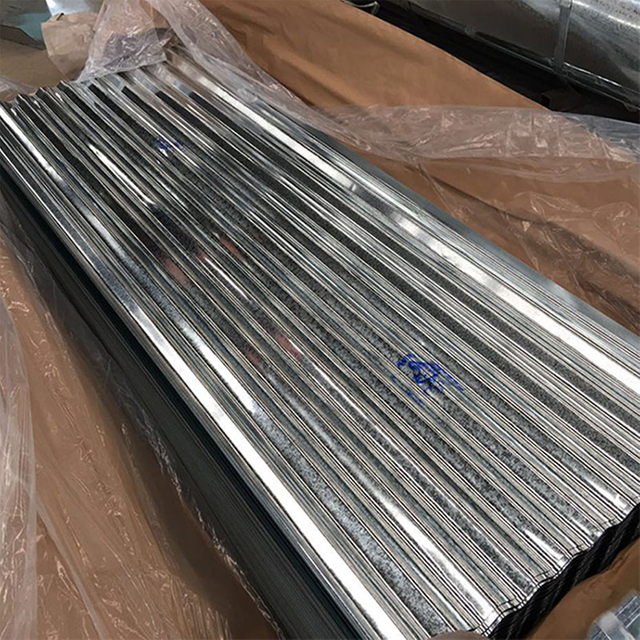
Hot-Dip (HDG) | Submerged in 840°F molten zinc | Thick, crystalline (spangle) | Heavy outdoor infrastructure |
Electrogalvanized (EG) | Electrical current in saline bath | Thin, smooth, matte | Automotive, appliance enclosures |
Galvannealed | Hot-dipped then heat-treated | Matte gray, no spangle | Painted structural components |
Pre-Galvanized | Continuous high-speed unrolling | Uniform, bright finish | Mass-produced coils and sheets |
Hot-Dip Galvanizing (HDG)
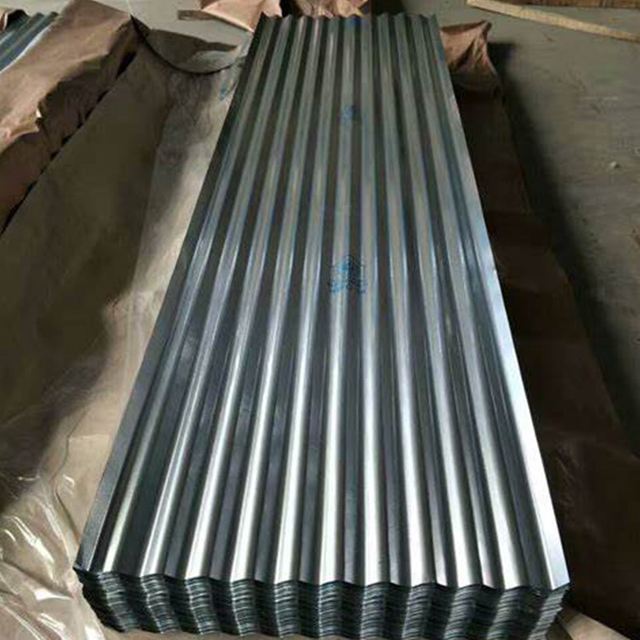
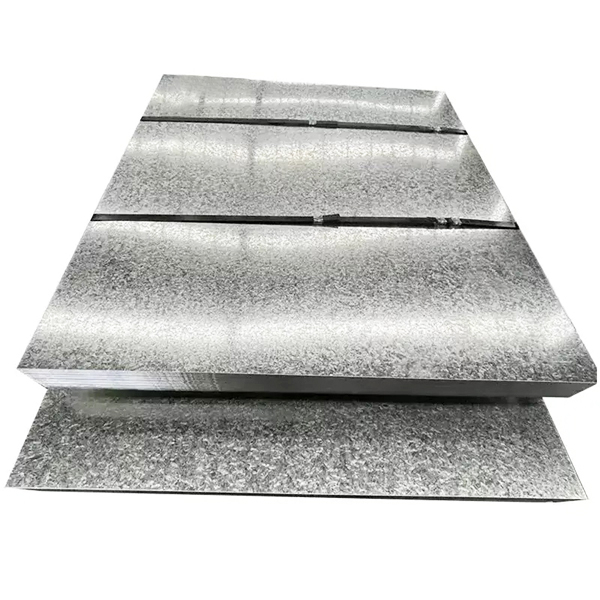
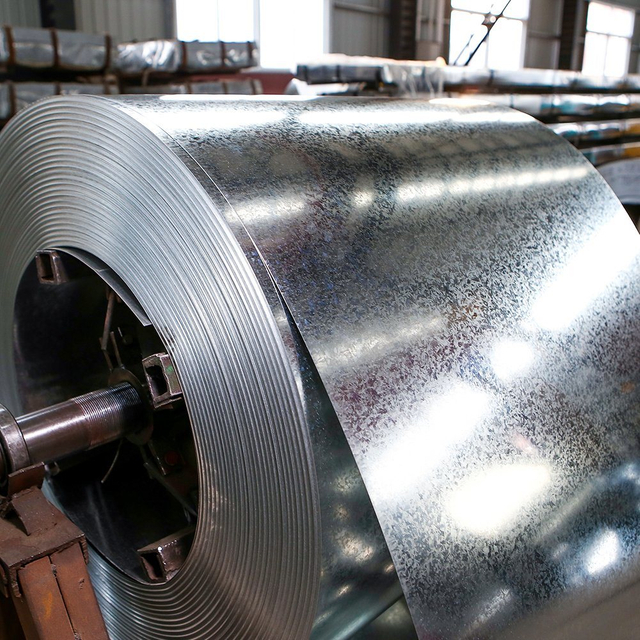
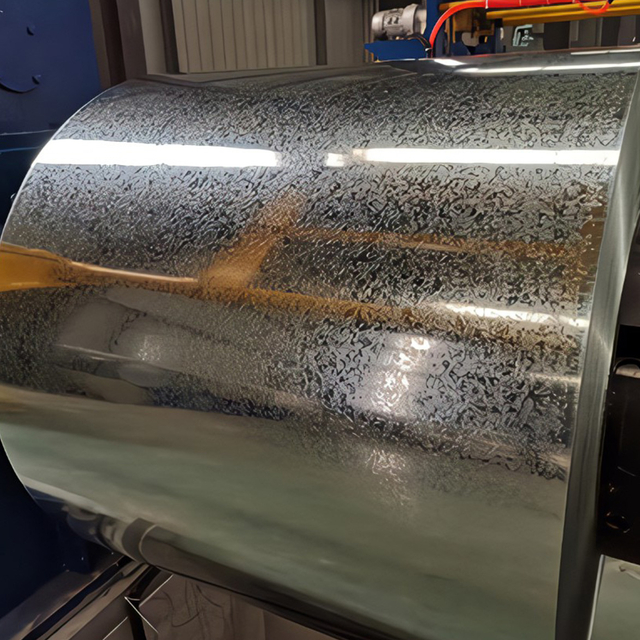
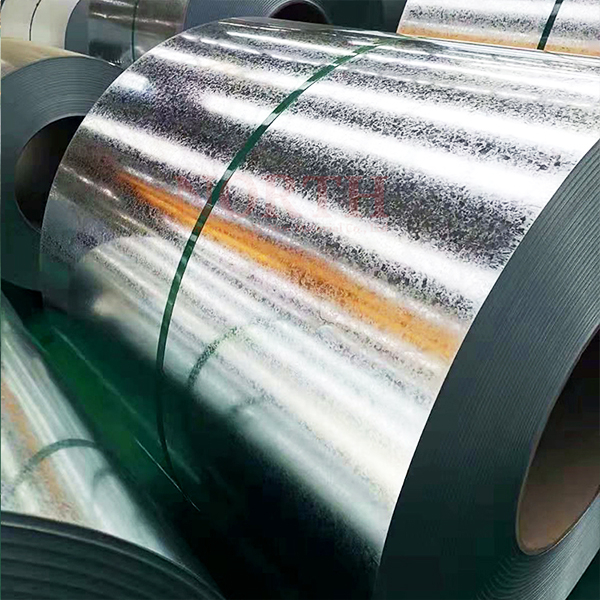
Hot-dip galvanizing remains the absolute standard for heavy infrastructure. Fabricators submerge fabricated steel parts into a vat of molten zinc heated to roughly 840°F. This creates an exceptionally thick, highly durable coating. As the metal cools, it frequently develops a distinct crystalline pattern known as spangle. HDG dominates outdoor applications where maximum longevity outweighs aesthetic concerns.
Electrogalvanized Steel (EG)
Electrogalvanizing completely changes the application method. Manufacturers place the steel into a saline solution containing zinc ions. They introduce an electrical current, forcing the zinc to deposit onto the steel surface. This process results in a much thinner, smoother finish. You will not see crystalline spangles here. It offers exceptional paint adhesion. Engineers frequently select EG for automotive bodies or indoor appliance enclosures where cosmetic perfection matters.
Galvannealed Steel
Galvannealing uses a clever hybrid process. The steel undergoes standard hot-dipping, but operators immediately pass it through an annealing furnace before the zinc solidifies. This heat treatment forces iron from the steel to diffuse into the zinc coating. It produces a matte gray, slightly porous surface. Galvannealed metal holds paint exceptionally well. It also offers excellent weldability, making it popular in manufacturing sectors.
Pre-Galvanized (Continuous)
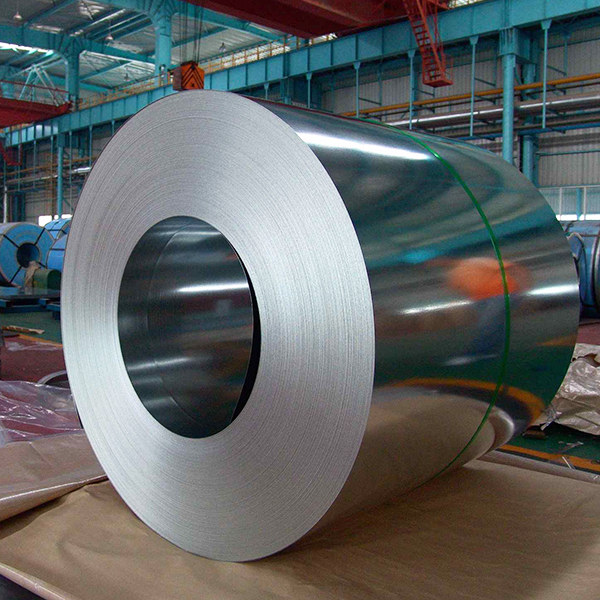
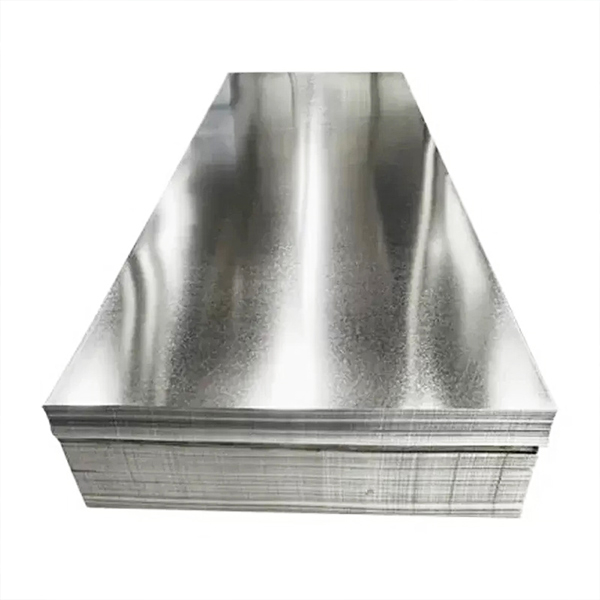
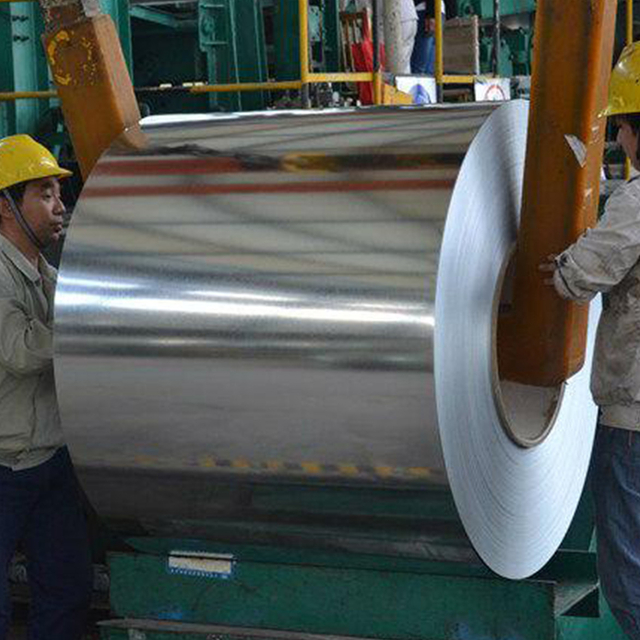
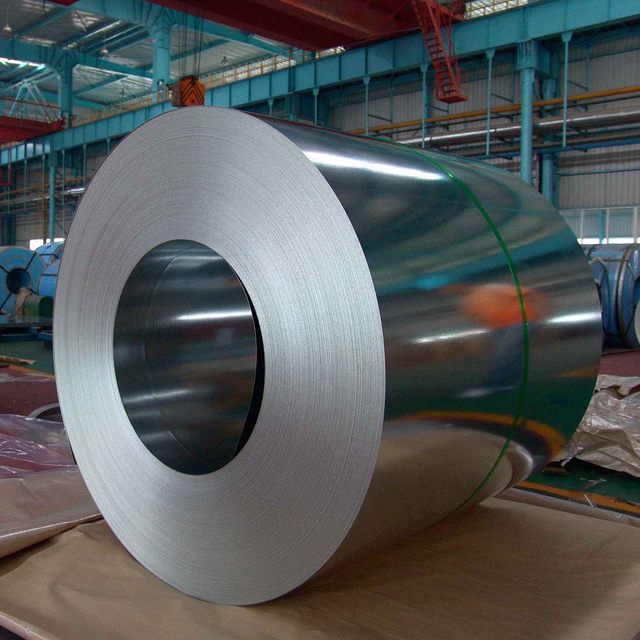
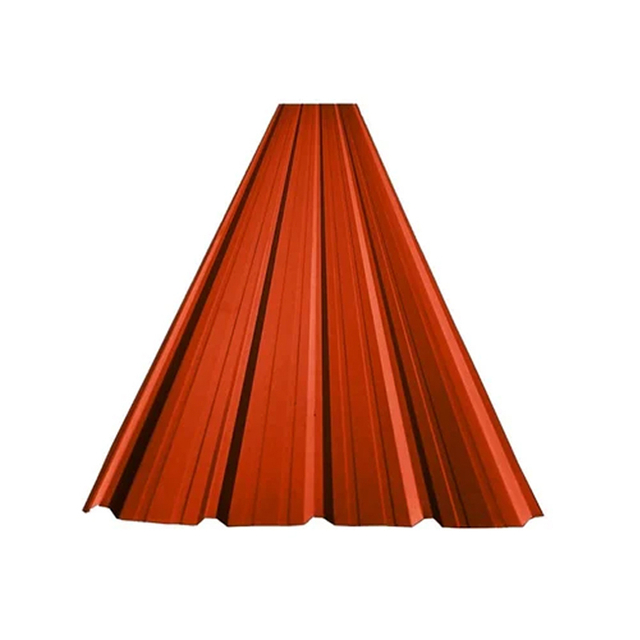
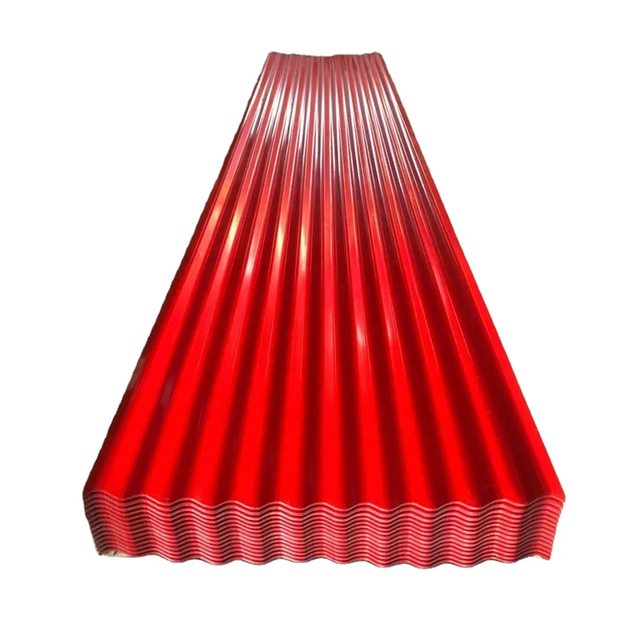
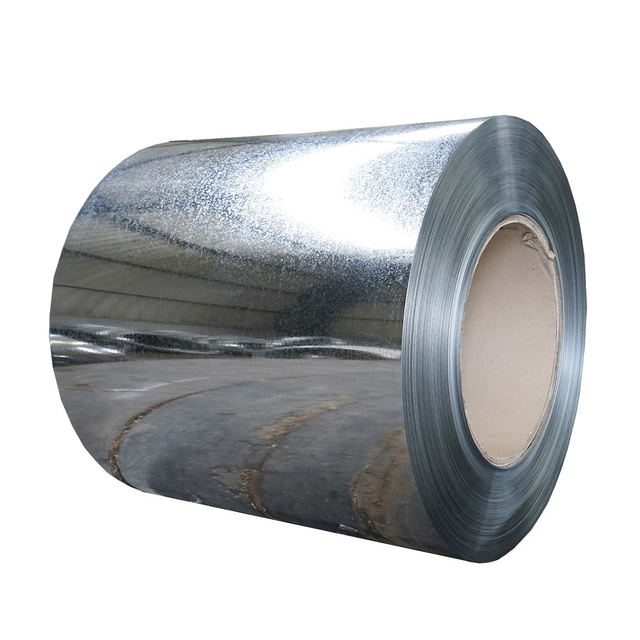
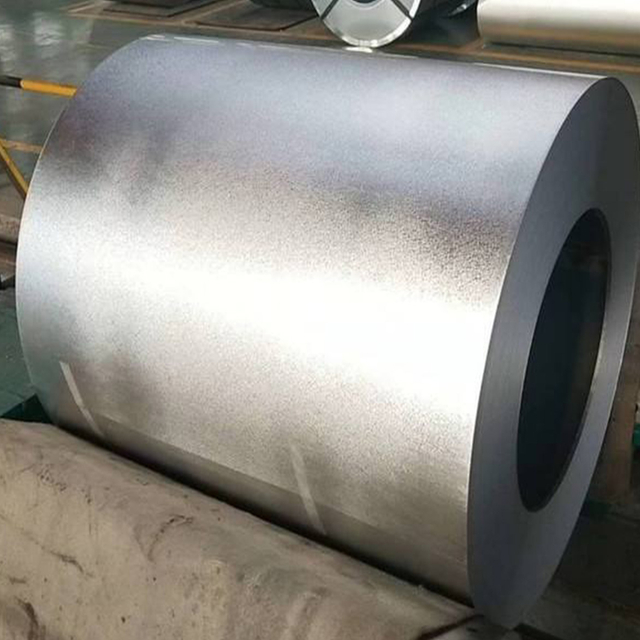
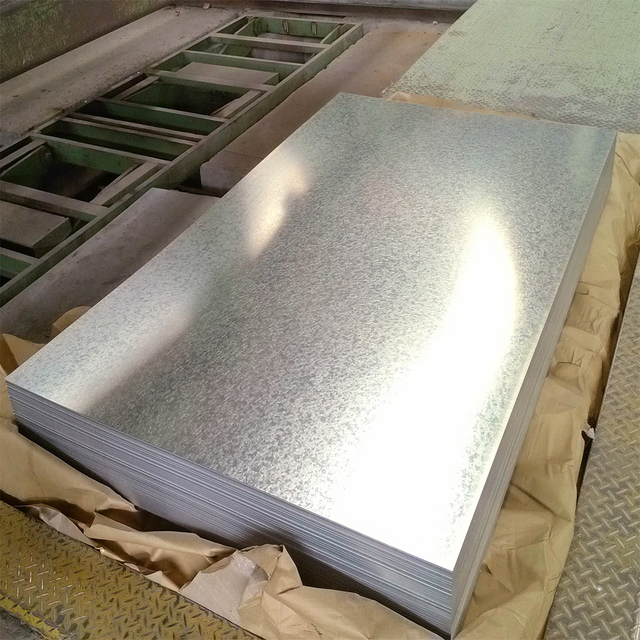
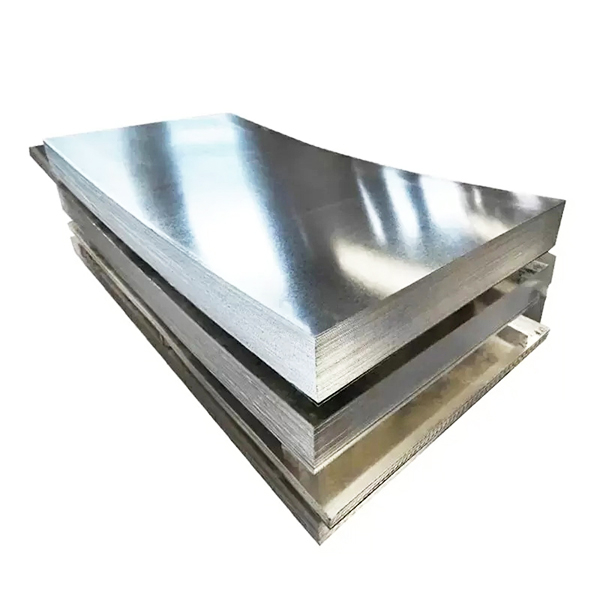
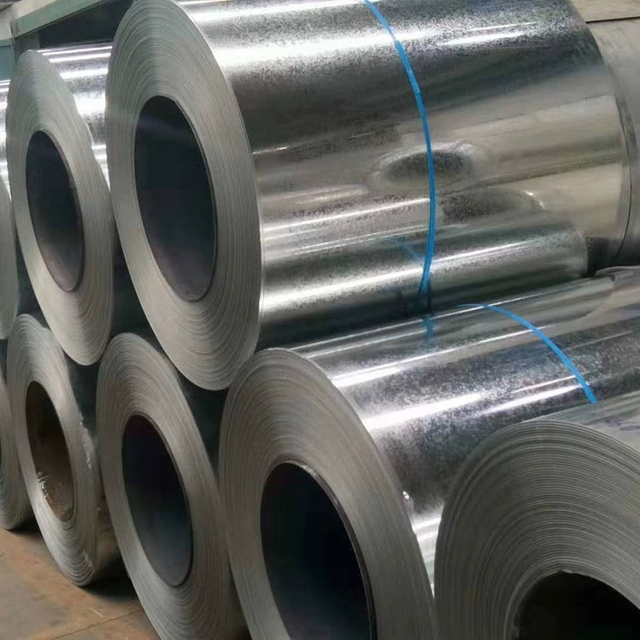
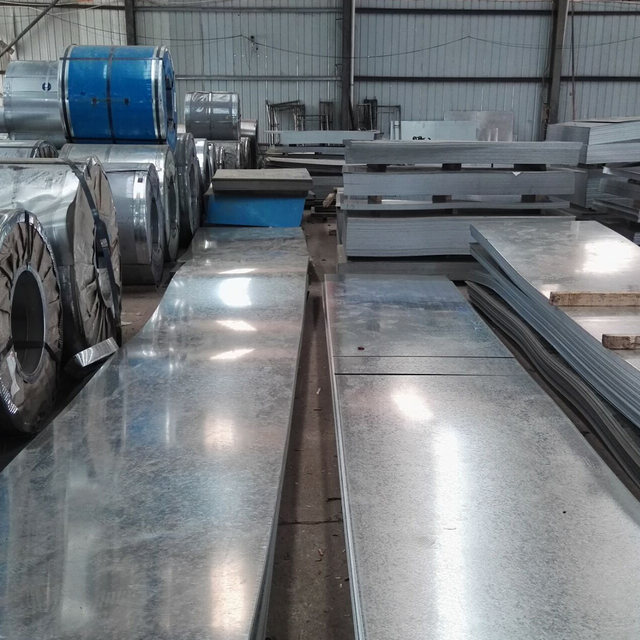
Facilities use the pre-galvanizing method for mass production. They process continuous galvanized steel coil at high speeds. The mill unrolls the bare metal and rapidly passes it through a molten zinc bath. Air knives quickly wipe away excess liquid to ensure perfectly uniform coverage. Manufacturers then cut the material into galvanized steel sheet products before final fabrication. This method keeps costs low while maintaining a consistent protective layer.
Performance Evaluation: Advantages vs. Operational Limitations
Skeptical engineers need evidence to justify material choices. You must weigh the practical business case against the genuine processing limitations.
The Business Case (Advantages)
Lower Initial Cost: Zinc coating costs significantly less upfront compared to treating steel with advanced multi-coat polymers or upgrading to exotic alloys.
Zero-Maintenance Reliability: Industries cannot afford downtime. Solar and wind energy sectors lose massive revenue when equipment stops. Zinc provides decades of reliable performance without requiring touch-ups.
Easy Inspection: You can verify coating thickness and quality rapidly. Inspectors evaluate the surface by eye and use simple, non-destructive magnetic gauges to confirm compliance.
Environmental & Processing Limitations (The Trade-offs)
You cannot use zinc everywhere. It possesses specific vulnerabilities that will compromise structural integrity if ignored.
pH Sensitivity: Zinc rapidly degrades in highly acidic or highly alkaline environments. Acid rain, heavy industrial pollution, or constant exposure to saltwater will drastically accelerate corrosion. The material performs best in neutral pH zones between 6 and 12.
Health Hazards in Fabrication: Welding poses serious safety risks. Zinc boils at a lower temperature than steel melts. When you apply a welding torch, the zinc vaporizes instantly. Inhaling these toxic fumes causes Metal Fume Fever, bringing severe flu-like symptoms. Facilities require specialized extraction ventilation to protect workers.
Size Constraints: Hot-dip items face hard physical limits. The dimensions of the galvanizing bath restrict the size of the components. If a structural beam exceeds the vat size, fabricators must plunge it in sections or find an alternative coating method.
Galvanized Steel vs. Stainless Steel: Shortlisting Logic
Procurement teams frequently debate between zinc coatings and stainless alloys. You must use direct, scenario-based logic to make the right call.
Corrosion Resistance
Stainless steel relies on a self-healing chromium oxide layer. When scratched, oxygen instantly reacts with the chromium to seal the breach. It vastly outperforms zinc in extreme or marine environments. Conversely, a zinc coating is strictly sacrificial. It depletes continuously over time. Once it disappears, the steel has zero remaining defense.
Strength & Weight
Stainless generally wins in raw mechanical performance. High-end stainless variants offer tensile strengths up to 1300 MPa. Standard galvanized structural steel typically ranges between 400 and 840 MPa. If you face severe weight restrictions and need maximum load-bearing capacity, stainless provides a better strength-to-weight ratio.
Industry Compliance
Regulators enforce strict material mandates. Stainless is completely mandatory for most food processing and medical applications. It offers a non-porous, non-degrading surface that resists bacterial growth. Zinc degrades rapidly when exposed to acidic foods like tomatoes or citrus. You should never specify zinc-coated metals for direct food contact.
Cost Efficiency
Economics heavily favor zinc. A standard Galvanized Steel structure provides roughly 80% of the practical utility of stainless steel at a mere fraction of the raw material cost. Stainless often costs four to five times more per pound. This massive price gap makes zinc the absolute default choice for volume-based infrastructure projects.
Implementation Realities: Design, Standards, and Storage
Mastering the underlying science means little if you fail during execution. Poor design and careless handling ruin thousands of tons of metal annually.
Design for Galvanizing
Fabricators must engineer parts specifically for the molten bath. You must design components with adequate venting and drainage holes. If you construct a sealed tubular frame, trapped air will prevent the zinc from coating the interior walls. Worse, any trapped liquid or moisture will instantly vaporize in the 840°F bath. This expansion causes explosive pressure, violently blowing apart the steel and endangering factory workers.
Storage & Handling (Avoiding White Rust)
Improper storage destroys inventory rapidly. When moisture gets trapped between stacked bundles of sheet metal or coil layers, it triggers aggressive oxidation. Deprived of free-flowing carbon dioxide, the surface forms a powdery white zinc oxide known as "white rust." To prevent this degradation, strictly follow these rules:
Store all materials indoors whenever possible.
Ensure the storage area remains dry and well-ventilated.
Elevate bundles off the ground using wooden blocks.
Angle the stacks slightly to allow accumulated condensation to drain freely.
Duplex Systems (Painting over HDG)
Engineers often combine two defense methods. Painting over a newly coated surface creates a highly synergistic "Duplex System." The paint protects the zinc from chemical exposure and moisture. Meanwhile, the zinc prevents rust from creeping under the paint film if it gets scratched. This powerful combination extends the overall corrosion lifecycle by roughly 2X compared to using either paint or zinc alone.
Compliance
Never rely on verbal assurances from suppliers. Always request materials that explicitly conform to standard specifications. In North America, specify ASTM A123 for structural products and ASTM A153 for hardware castings. These rigorous standards legally guarantee the required coating thickness and ensure proper metallurgical integrity.
Conclusion
Galvanized steel remains the most cost-effective and predictable corrosion-resistant material available for general infrastructure. By binding an active layer of zinc to high-strength carbon steel, manufacturers create a product that withstands harsh abuse while demanding zero maintenance.
When selecting your materials, always map your environmental exposure first. Identify local humidity, salt levels, and acidity. Next, determine your required lifespan and evaluate your fabrication needs. If your team plans to weld or paint the metal heavily, these factors must drive your final selection between hot-dipped, electroplated, or continuous coil variants.
Take action before finalizing your procurement sheets. Consult directly with a metallurgist to discuss your specific project dimensions. Demand quotes that clearly list the corresponding ASTM requirements to ensure your investment performs exactly as expected.
FAQ
Q: Does galvanized steel eventually rust?
A: Yes. The zinc coating is sacrificial and will deplete over time. However, in normal atmospheric conditions, this process can take 50 to over 100 years. The underlying steel only rusts once the environment fully consumes the protective zinc layer.
Q: Can you "double dip" galvanized steel to get a thicker coating?
A: No. Coating thickness is determined by the steel's chemistry and immersion time, not by dipping it twice. "Double dipping" in the industry refers only to flipping a part that is too large for the vat to coat both ends.
Q: What is "cold galvanizing"?
A: Cold galvanizing is a misnomer. It generally refers to zinc-rich paint applied with a brush or spray. While it offers some galvanic protection, it does not create the durable metallurgical bond of hot-dip galvanizing and should be used primarily for touch-ups.