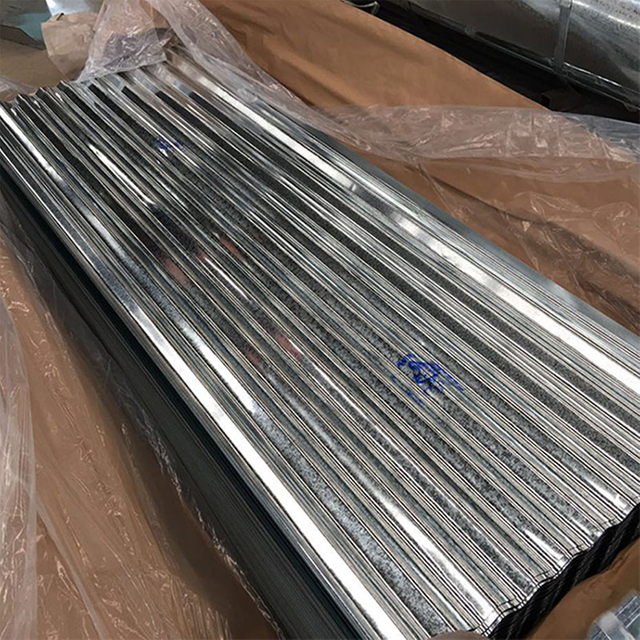
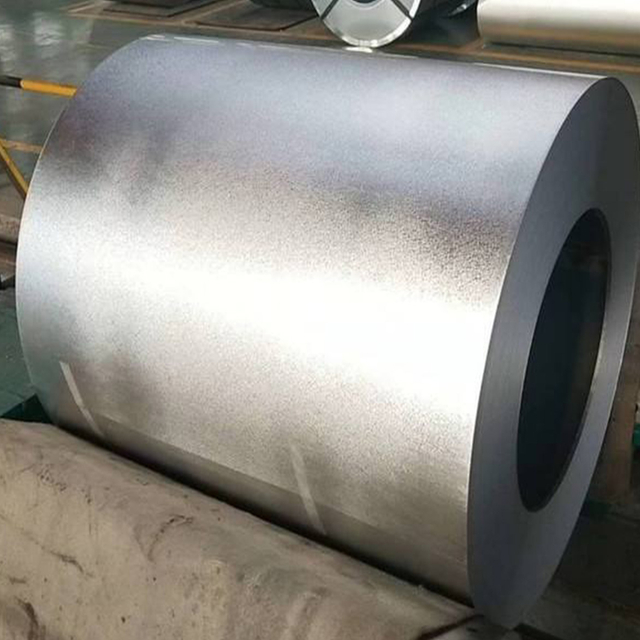
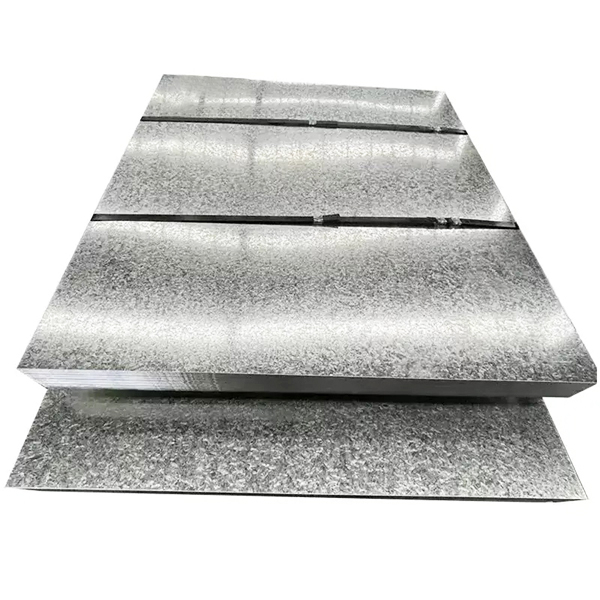
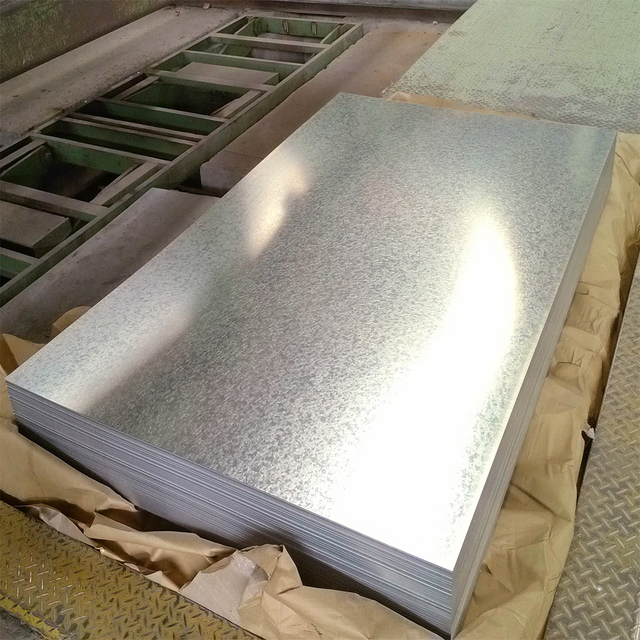
Yes, galvanized steel will eventually rust. However, the timeline ranges dramatically from a brief 10 years to well over 200 years. This massive variance depends strictly on external environmental variables. For modern procurement and engineering teams, evaluating these coated materials requires a shift in perspective. You must recognize it is not a question of if the metal will degrade, but exactly when and under what specific conditions it will fail.
Predicting this lifespan accurately prevents unexpected structural weaknesses. It also eliminates massive replacement burdens down the line. This comprehensive guide provides an evidence-based framework for understanding exact rust timelines. We will help you identify critical environmental failure points and explore the unique chemistry behind zinc coatings. You will also learn how to avoid costly installation errors like galvanic corrosion to maximize your material's effective lifespan.
Key Takeaways
The Lifespan Spectrum: Galvanized steel can last up to 211 years in dry, rural environments, but may degrade in under 10 years in 100% humidity or high-chloride marine conditions.
The Chemistry of Protection: The material relies on "cathodic protection" and a self-healing zinc carbonate layer, acting as a sacrificial barrier for the underlying steel.
Red-Line Environments: Galvanization will fail predictably if fully submerged in saltwater, exposed to continuous temperatures above 392°F (200°C), or placed in direct contact with dissimilar metals like aluminum.
Procurement Standard: Hot-dip galvanization should comply with ASTM A123 thickness standards to ensure baseline longevity for commercial use.
The Core Mechanism: How Galvanized Steel Delays Rust
Beyond Surface Coatings
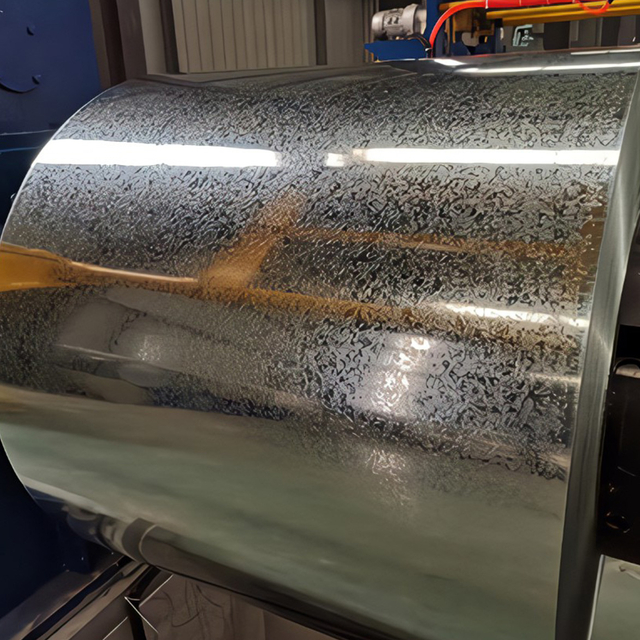
Many engineers mistake galvanization for a simple surface coating similar to paint. Galvanized Steel operates differently. The hot-dip galvanization process immerses raw steel into a bath of molten zinc. This bath reaches extreme temperatures between 440°C and 460°C. At this intense heat, the zinc undergoes a metallurgical reaction with the iron. They fuse together to create a tightly bonded alloy layer. This creates a chemical bond rather than a temporary mechanical adhesion.
Cathodic Protection (Sacrificial Anode)
The true genius of this material lies in cathodic protection. Zinc remains highly reactive to oxygen and moisture. Because of this reactivity, the zinc layer oxidizes first. It intentionally acts as a sacrificial anode. The zinc gives up its electrons to preserve the underlying iron-carbon alloy. Even if severe weather aggressively attacks the metal, the base steel remains perfectly intact as long as the zinc layer persists.
The Zinc Carbonate Barrier
A specific sequence of chemical reactions creates the ultimate rust barrier. When pure zinc reacts with atmospheric oxygen, it forms zinc oxide. When this oxide encounters moisture, it becomes zinc hydroxide. Finally, this hydroxide reacts with carbon dioxide in the air. This final reaction forms zinc carbonate. Zinc carbonate forms an insoluble, dark-gray patina on the surface. This robust layer physically blocks further oxygen and water penetration.
The "Self-Healing" Property
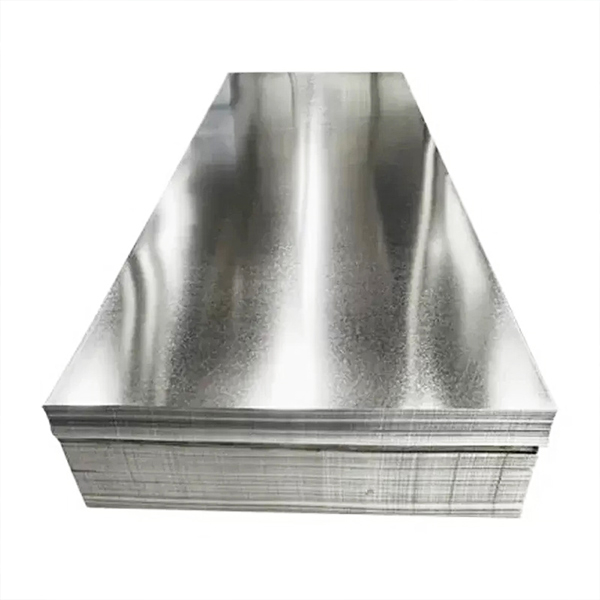
Accidents happen during transport and installation. Fortunately, minor scratches to a galvanized steel sheet will not immediately rust. The coating possesses a unique self-healing property. When a sharp tool exposes the bare steel, the surrounding zinc reacts electrochemically. The zinc ions migrate to bridge small gaps. They effectively cover the exposed steel and reestablish the protective barrier without manual intervention.
Environmental Reality Check: Lifespan Data & Rust Triggers
You cannot estimate material lifespans accurately without assessing the specific deployment environment. Different atmospheres consume the protective zinc layer at drastically different rates.
The 5-Tier Environment Matrix
Industry standards often group environmental risks into distinct tiers. We can assess expected lifespans based strictly on these external conditions.
Environment Type | Expected Lifespan | Primary Rust Triggers & Characteristics |
Rural / Suburban | 75 to 200+ years | Humidity sits below 60%. Minimal sulfur and chloride levels. Optimal conditions for long-term zinc preservation. |
Industrial | 40 to 80 years | Airborne sulfur dioxide (SO2) from heavy emissions lowers local pH levels. Acidic air rapidly consumes the zinc layer. |
Temperate Marine | 30 to 60 years | Frequent coastal fog and moderate salt exposure. Salt disrupts the protective zinc carbonate patina. |
Tropical Marine | 10 to 30 years | Continuous humidity above 60% combines with heavy airborne sodium chloride. Highly aggressive corrosion risk. |
Severe Industrial | Under 15 years | Direct exposure to highly corrosive chemicals, extreme acidity, or confined high-humidity spaces like commercial car washes. |
Soil and Burial Variables
Burying galvanized posts directly into the earth introduces complex variables. In highly acidic or poorly draining soils, the lifespan drops significantly to 35–50 years. Constant moisture prevents the formation of the vital zinc carbonate layer. Furthermore, stray electrical currents in the soil can accelerate degradation. If your project requires burial in aggressive soils, you must specify additional epoxy or bituminous coatings.
Temperature Thresholds
Extreme heat presents another formidable challenge. Zinc coatings degrade rapidly under continuous exposure to temperatures above 392°F (200°C). Over this threshold, the alloy layers begin to detach from the base steel. Extreme temperature fluctuations also cause rapid thermal expansion and contraction. This physical movement heavily stresses the inflexible coating, causing it to crack and flake away.
Application & Installation Risks: Why Deployments Fail Early
Even perfectly manufactured materials will fail if installed incorrectly. Engineering teams must avoid specific design traps to prevent premature rust.
Galvanic Corrosion (The Dissimilar Metal Threat)
Galvanic corrosion stands out as a critical engineering trap. When you place two dissimilar metals in direct contact within a moist environment, an electrochemical reaction triggers. For example, bolting aluminum solar panel frames directly onto galvanized ground mounts guarantees rapid failure. The zinc acts as an anode to the aluminum cathode, dissolving quickly.
Best Practice: Always mandate non-metallic isolation pads. Use rubber or heavy-duty plastic spacers between differing metals.
Common Mistake: Using stainless steel fasteners on galvanized plates without a protective nylon washer.
Pooling Water & Moss Micro-climates
Structural designs must prioritize drainage. If flat channels allow acidic rainwater to pool, the zinc layer will constantly fight standing water. The crucial zinc carbonate barrier requires cycles of wetting and drying to remain stable. Additionally, pooling water encourages moisture-retaining moss and lichen. These biological growths secrete mild organic acids. Over time, these acidic micro-climates will prematurely dissolve the protective barrier.
Chemical Incompatibilities
Construction sites are filled with hazardous alkaline materials. Exposure to wet Portland cement rapidly attacks zinc. Similarly, plaster containing high levels of chlorides and sulfates destroys the zinc layer during the curing process. You must carefully shield galvanized structural components from splashing mortar or wet concrete during adjacent masonry work.
Material Alternatives: When to Specify Stainless or Aluminum Instead
Professional procurement requires knowing when to walk away from a specific material. Galvanization handles most commercial needs, but it faces strict limitations.
When Galvanized Steel is the Wrong Choice
Certain red-line environments mandate immediate alternatives.
Fully Submerged Marine Applications: Continuous saltwater flow physically washes away the zinc layer before the vital zinc carbonate patina can stabilize. For seawalls, boat ramps, or submerged pylons, you must specify 316L Stainless Steel instead.
Extreme Heat Processing: Manufacturing environments often exceed 200°C continuously. Furnace components or heavy-duty exhaust stacks quickly destroy zinc coatings. In these scenarios, untreated high-temperature alloys or specialized heat-treated aluminum must be used.
Cost vs. Weight Trade-offs
You must balance structural requirements against budget constraints. Galvanized steel provides significantly higher tensile strength at a much lower cost than structural aluminum. This makes it the ideal choice for heavy structural ground mounts, highway guardrails, and massive scaffolding. However, steel is dense and heavy. For sensitive roof-mounted solar arrays or lightweight transport frames, galvanized parts often exceed the load-bearing limits. In those cases, extruded aluminum becomes the necessary upgrade despite the higher price tag.
Remediation and Handling: Extending the Lifecycle
Proper lifecycle management begins the moment the materials arrive on your job site. Careless handling slashes decades off the expected lifespan.
Handling Raw Materials
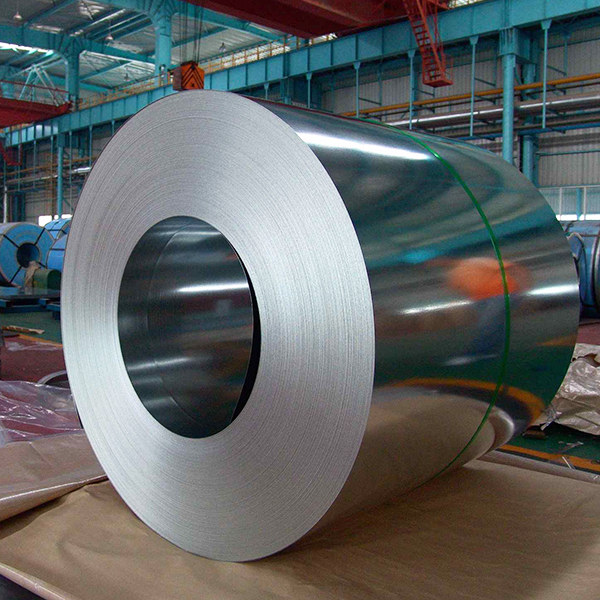
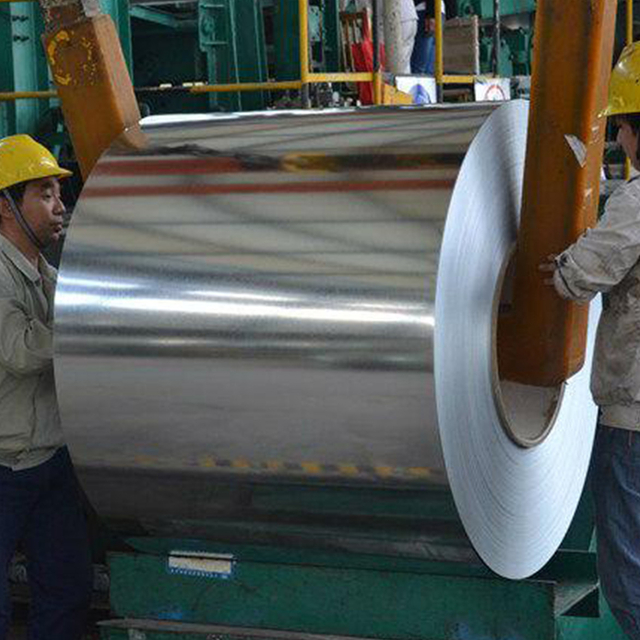
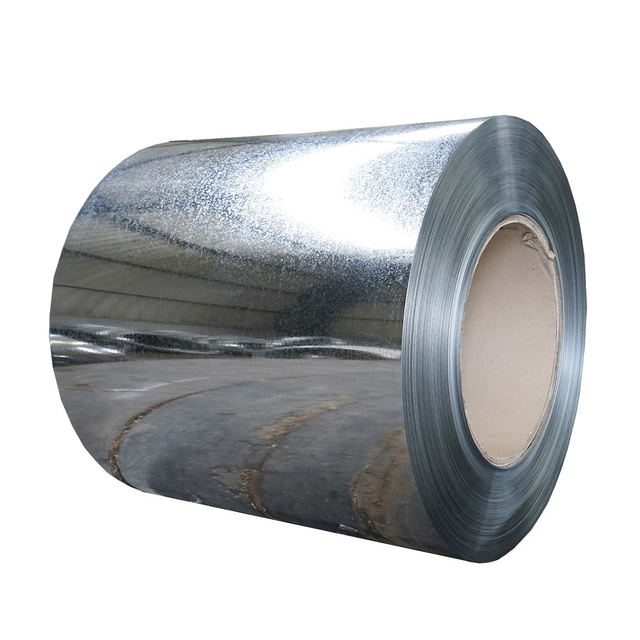
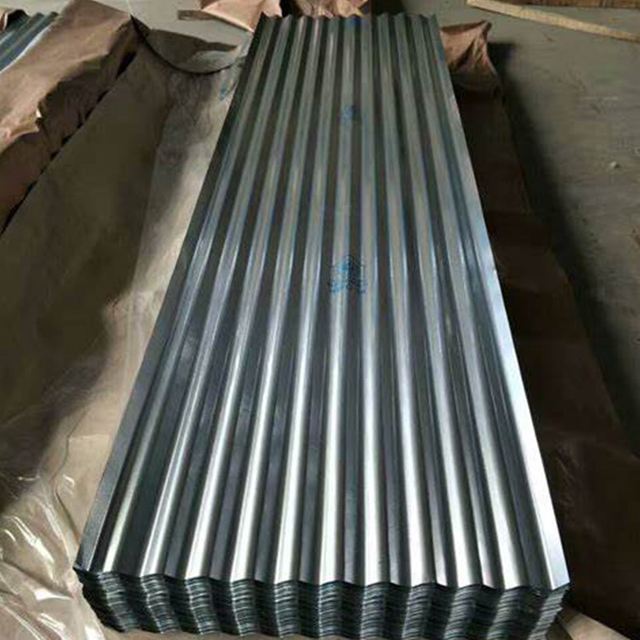
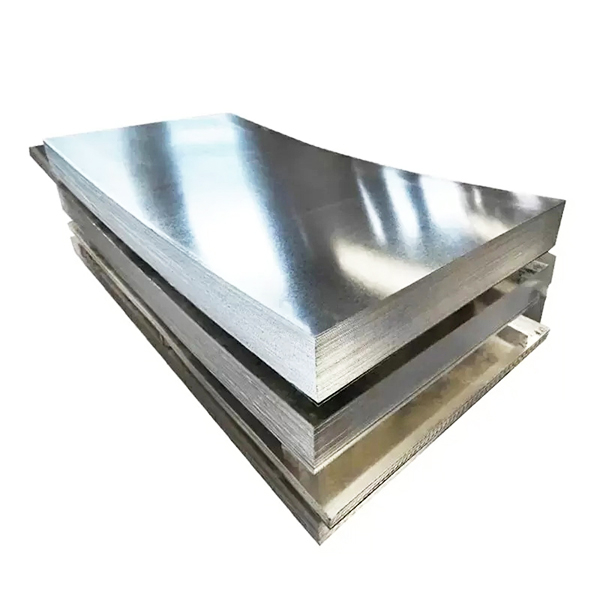
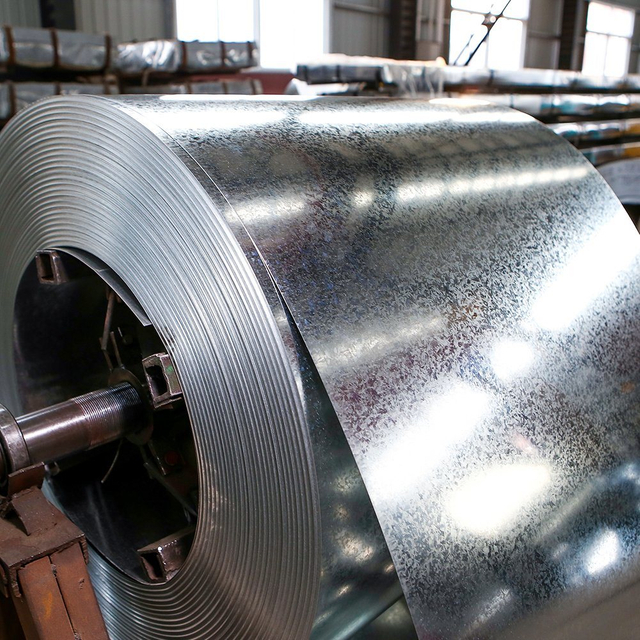
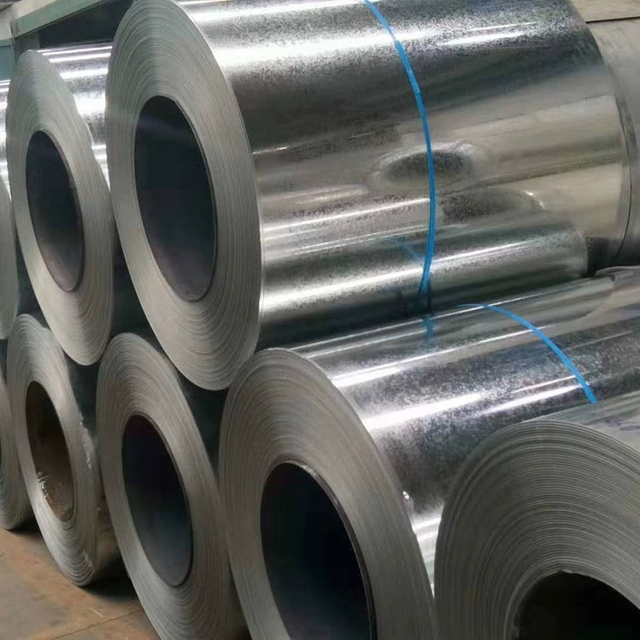
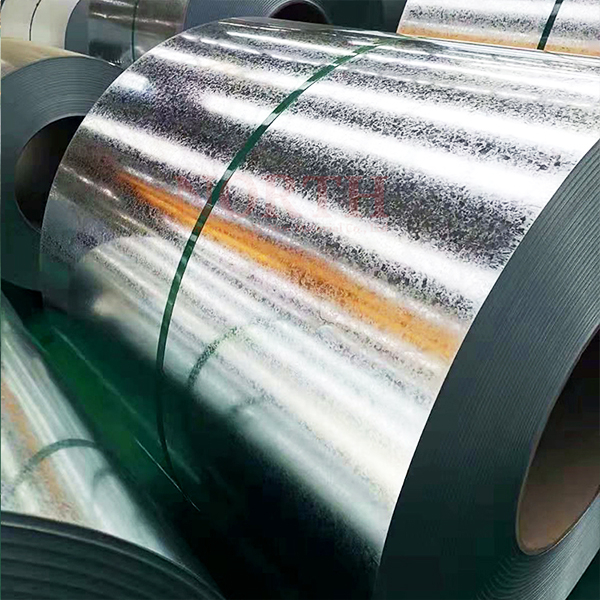
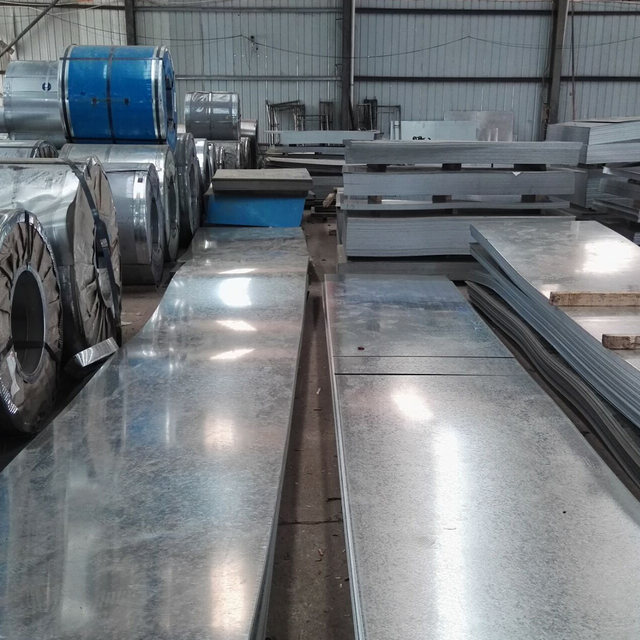
Proper storage of a galvanized steel coil is absolutely crucial before manufacturing begins. Closely packed sheets or coils lack adequate airflow. If rain or condensation penetrates these tightly packed stacks, the trapped moisture creates a disaster. Without carbon dioxide flowing freely, the metal cannot form zinc carbonate. Instead, it forms zinc hydroxide, commonly known as "white rust." This powdery white buildup permanently weakens the baseline protection. Always store uninstalled materials indoors or under breathable, elevated tarps.
SOP for Minor Damage Repair
Site technicians frequently scratch materials during heavy installations. You need a strict standard operating procedure (SOP) to handle this damage.
Assess the Damage: Check if the scratch exposes bare, shiny steel or if rust has already begun forming.
Gentle Preparation: Do not use steel wool, wire brushes, or abrasive pressure washing to clean the area. Abrasives will destroy the surrounding healthy zinc layer. Use a mild solvent to remove grease and dirt.
Neutralize: For localized rust spots, treat the area with a commercial rust converter. This neutralizes active oxidation.
Seal and Protect: Apply a heavy, industry-standard zinc-rich primer. Ensure the primer contains at least 92% zinc dust by weight in the dry film to replicate cathodic protection.
Routine Maintenance Protocol
Long-term survival in harsh environments requires active maintenance. Industrial fallout, particularly SO2 particulates, settles onto surfaces over time. Periodic washing with mild, non-abrasive detergents effectively removes these corrosive pollutants. A bi-annual cleaning schedule preserves the zinc carbonate layer and prevents localized pitting. Always rinse thoroughly with fresh water to remove any detergent residue.
Conclusion
Galvanized steel remains highly cost-effective and structurally reliable for decades. However, this reliability holds true provided the deployment environment stays within known chemical, thermal, and moisture limits. Recognizing the specific vulnerabilities of the zinc carbonate layer separates successful, century-long projects from expensive, decade-long failures.
As a buyer or project engineer, your next steps must be proactive. Audit your intended installation site specifically for airborne chlorides, SO2 levels, and continuous ambient humidity. Review your construction blueprints to ensure design schematics account for dissimilar metal isolation before finalizing your material specs. By respecting the chemical boundaries of zinc, you can confidently utilize this robust material and secure an incredible return on your structural investments.
FAQ
Q: Does galvanized steel rust faster than stainless steel?
A: Yes, in highly corrosive environments like salt water, stainless steel significantly outlasts galvanized materials. Stainless steel relies on an embedded chromium oxide layer for protection. This layer does not deplete over time. In contrast, galvanization uses a sacrificial zinc layer. Once the environment fully consumes this zinc, the underlying iron will rapidly oxidize and rust.
Q: Can you paint over rusted galvanized steel?
A: You should never directly paint over existing rust. The surface must undergo proper treatment first. You need to apply a commercial rust converter to neutralize the oxidation. After this step, apply an industry-standard zinc-rich primer. If you skip these steps, the underlying rust will quickly cause the new paint to bubble and delaminate.
Q: What is "white rust" on galvanized steel?
A: White rust is a powdery white buildup, chemically known as zinc hydroxide. It occurs when newly galvanized materials face moisture exposure without sufficient ambient carbon dioxide. Without carbon dioxide, the protective zinc carbonate patina cannot form. This issue frequently happens during the improper storage of closely packed parts or coils where water becomes trapped.