Engineers, contractors, and procurement managers frequently encounter a critical question during project design. They do not just ask basic physics questions about metal properties. They need to know if Galvanized Steel will safely perform in demanding grounding systems, protective enclosures, or heavy structural applications. Can you rely on it without causing dangerous voltage drops or hidden electrical hazards?
The reality is straightforward but requires deep technical nuance. Yes, this material is highly conductive. However, its baseline electrical resistance requires specific engineering workarounds. You cannot simply swap it for bare copper without fundamentally adjusting your system design.
Our goal is to provide a comprehensive technical evaluation of this metal's physical conductivity. We will benchmark it against traditional alternatives like copper and aluminum. You will also learn about crucial implementation risks, including the mechanics of galvanic corrosion and resistance accumulation, required for safe specification. By mastering these principles, you can build safer electrical systems while optimizing your project budgets.
Key Takeaways
Conductivity Baseline: Galvanized steel conducts electricity at roughly 10% to 30% the efficiency of pure copper, making it a poor primary conductor but highly effective for grounding and structural shielding.
Application Boundaries: Ideal for mechanical protection (conduits), high-resistance grounding (HRG), and lightning dissipation. Not suitable for active, continuous power transmission due to heat accumulation.
Theft Deterrence: In large-scale utility and remote projects, specifying galvanized steel significantly lowers overall expenses by eliminating the high theft risk associated with copper.
Implementation Risks: Direct contact between galvanized steel and copper induces galvanic corrosion; bimetallic connectors must be specified.
How Conductive is Galvanized Steel? (The Physical Realities)
The Core Metric
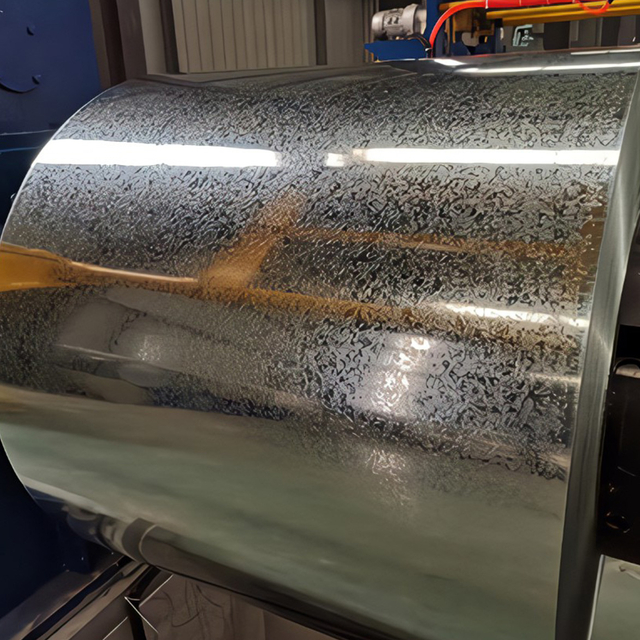
Let us look at the core metric. We measure conductivity as a ratio against highly conductive materials like copper and aluminum. Galvanized steel operates at roughly 10% to 30% of the efficiency of pure copper. You might wonder about the outer zinc layer. This thin protective coating does not heavily alter the base metal's overall conductivity. The underlying steel substrate primarily dictates the electrical flow. Zinc itself possesses decent electrical properties. However, manufacturers apply this coating in very thin layers, typically only a few micrometers thick. Therefore, the bulk electrical performance relies entirely on the iron crystal lattice of the steel core.
Factors Impeding Conductivity
Several physical and environmental factors impede electron flow through this material. You must account for these distinct variables during the engineering and design phase.
Material Composition: The internal chemistry matters heavily. Carbon content exceeding 0.3% restricts electron flow. Interstitial carbon atoms disrupt the uniform iron crystal lattice. This disruption scatters electrons as they move, which actively increases the metal's electrical resistance.
Thermal Variables: Heat changes everything in electrical engineering. Resistance increases sharply when operating temperatures exceed 100°C. High temperatures cause increased atomic vibration. This vibration further impedes the smooth transfer of electrical current through the metal substrate.
Coating Thickness: More zinc is not always better for electrical paths. Overly thick zinc layers can slightly increase surface contact resistance. This happens because uneven hot-dip galvanization creates microscopic surface irregularities, which negatively affect mechanical contact points.
The Verdict
What is the final verdict on its physical capabilities? It remains an effective conductor for dissipating short-duration fault currents. Grounding rods perfectly illustrate this strength. However, it acts as a resistor under continuous high-amperage loads. If you push continuous power through it, you will experience severe energy loss and dangerous heat generation. This thermal accumulation can quickly degrade surrounding wire insulation and cause catastrophic system failures.
Structural Protection vs. Active Transmission: Where Galvanized Steel Fits
Protective Enclosures and Conduits
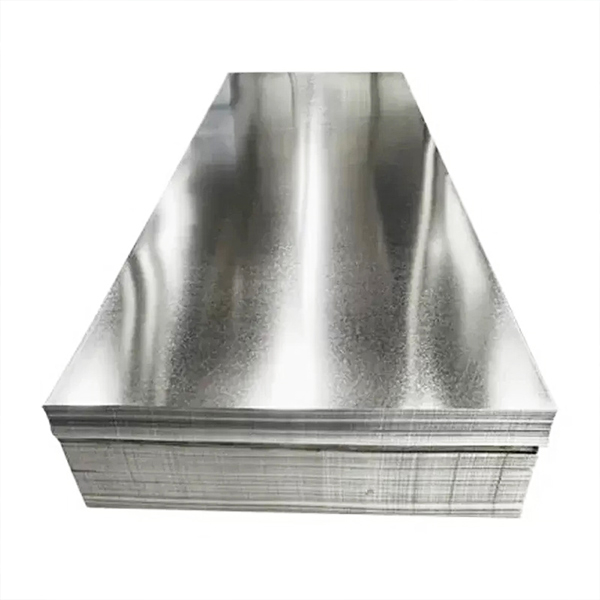
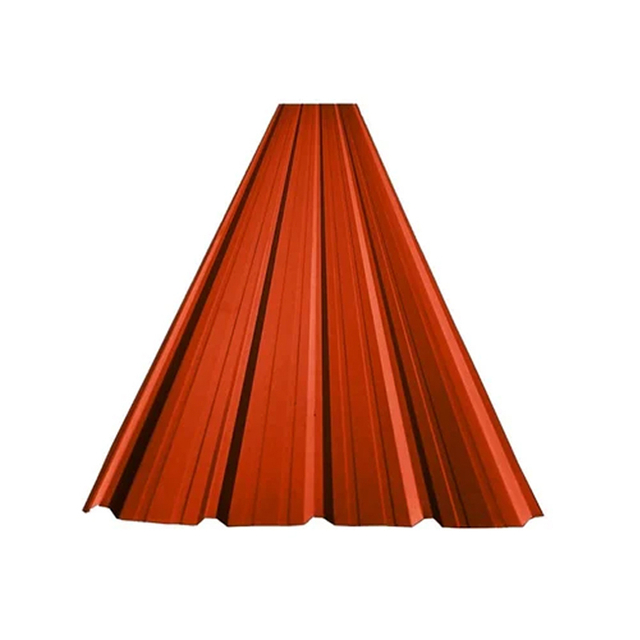
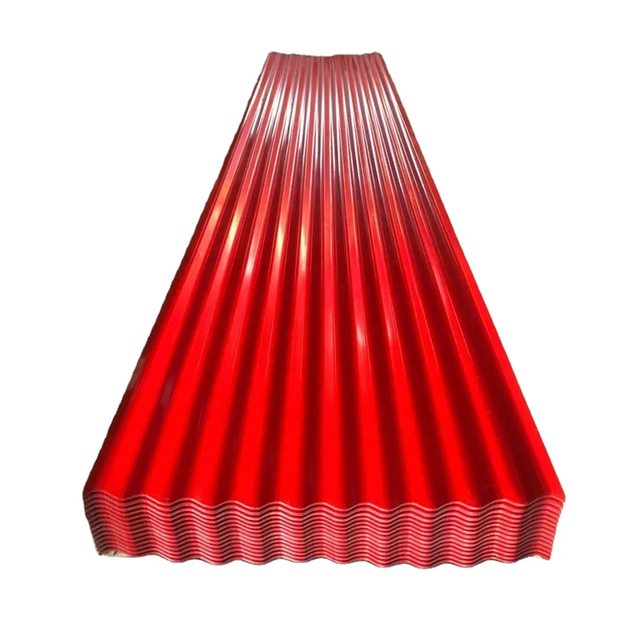
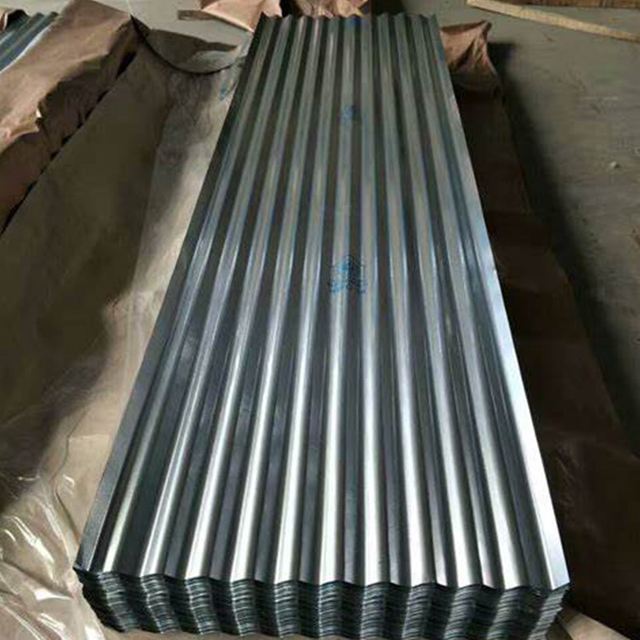
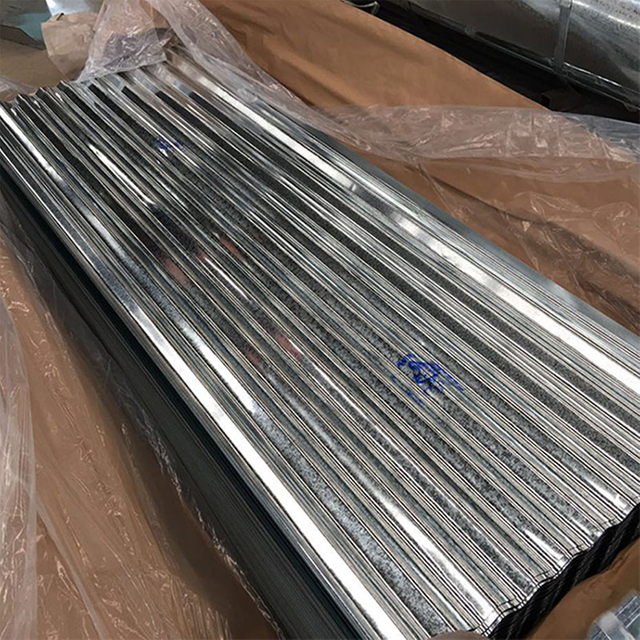
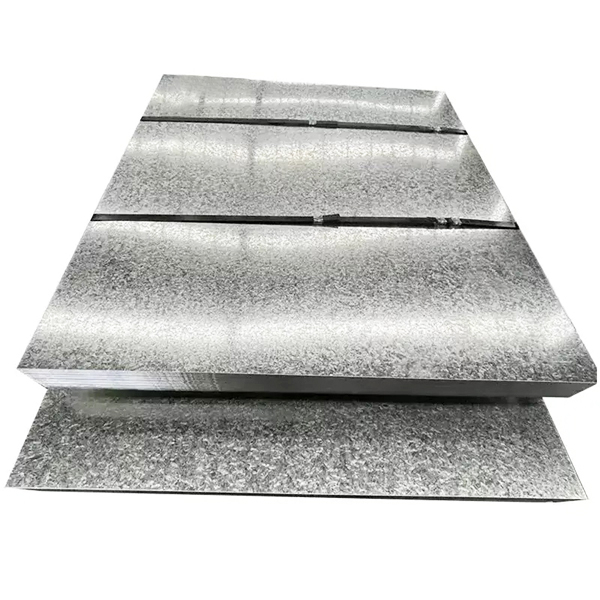
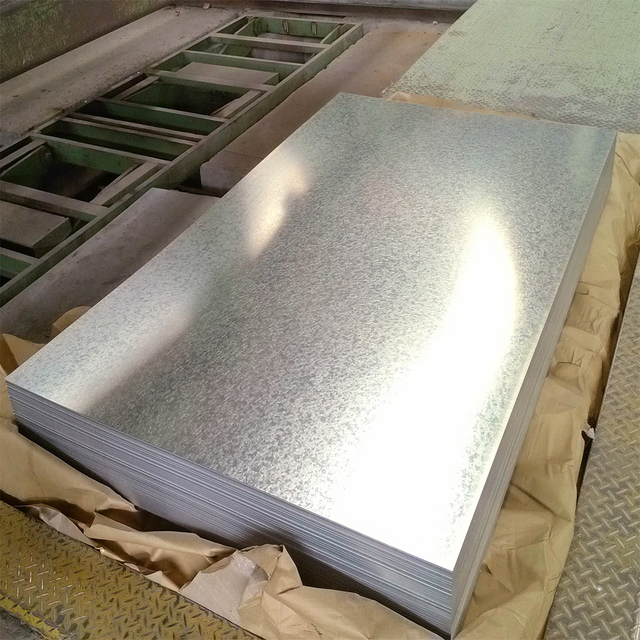
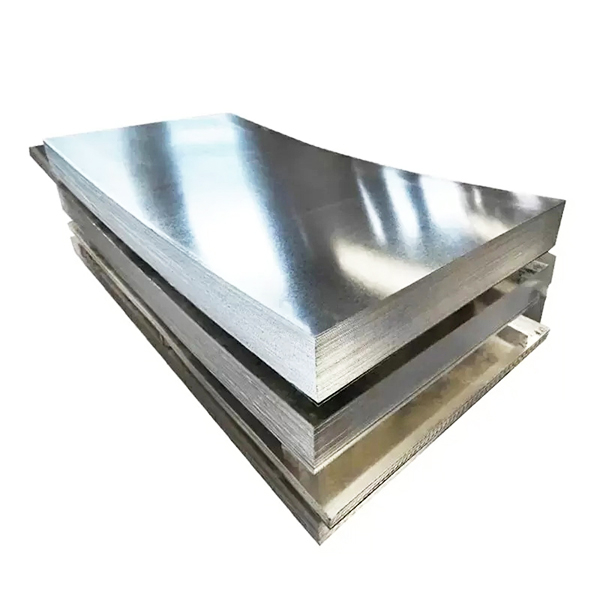
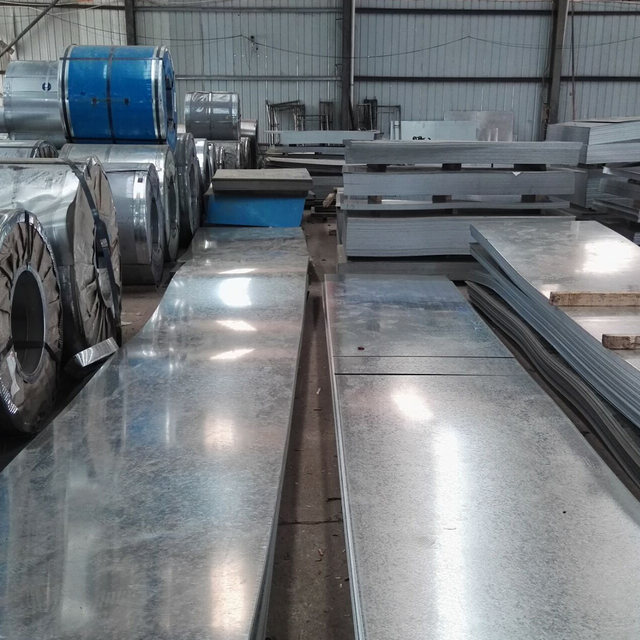
We must explicitly separate active transmission from passive protection. This core difference explains why galvanized steel sheet remains the undisputed industry standard for electrical casing, junction boxes, and conduits. It provides rigid mechanical protection against physical impacts and environmental wear. At the same time, it maintains enough electrical conductivity to trip a breaker safely. If a live internal wire shorts to the metal casing, the current travels directly through the steel sheet to the ground wire. This low-resistance fault path ensures the circuit breaker detects the surge and cuts the power immediately, protecting personnel from fatal shocks.
Overhead and Utility Applications
Utility companies rely heavily on galvanized wires for complex overhead applications. You will frequently see it utilized in OPGW (Optical Ground Wire) and armor rods along high-voltage transmission lines. In these specific scenarios, the material provides a conductive surface to match ambient electrical fields. More importantly, it protects the fragile inner fiber-optic or aluminum core from mechanical stress. Wind, ice accumulation, and constant vibrations constantly threaten overhead lines. The steel provides the necessary tensile strength. Meanwhile, its moderate conductivity handles localized electrical shielding perfectly.
The "Can Do vs. Should Do" Rule
Engineers often face the classic "can do vs. should do" dilemma. Consider the danger of using structural suspension cables for low-voltage power transmission. Some designers attempt this for DIY LED lighting projects to hide unsightly wires. We strongly advise against this risky practice. You must follow the fundamental voltage drop rule. A resistance of 1 Ohm creates a 1V drop at 1A of current. Steel cables exhibit naturally high resistance. This leads to severe voltage drops, dim lighting, and excessive heat. You must install proper fuses and utilize a dedicated low-voltage supply to prevent fire hazards if you attempt this setup.
Sourcing Evaluation: Galvanized Steel vs. Copper Grounding Systems
Electrical Performance vs. Mechanical Strength
When designing a permanent grounding system, you must weigh electrical performance against pure mechanical strength. Copper dissipates fault surges faster due to its superior baseline conductivity. However, copper is a very soft metal. Galvanized steel offers superior tensile strength for deep-driven grounding rods. If you work in dense, rocky soil conditions, copper rods will frequently bend or break during the driving process. Steel rods easily pierce tough terrain, ensuring a reliable, deep connection to the earth.
Meeting Compliance Standards
Many contractors worry about meeting strict code requirements. You can rest assured regarding compliance. Galvanized steel grounding systems easily meet standard safety thresholds when correctly sized and installed. For example, the National Electrical Code (NEC) mandates a maximum resistance rule of 25 ohms for grounding electrodes. A properly configured steel grounding grid achieves this electrical benchmark effortlessly. You simply need to calculate the surface area properly and account for local soil resistivity.
Theft Prevention and Cost Efficiency
Site security drives many material specification decisions today. Bare copper presents an extreme theft risk due to its high global scrap value. Thieves frequently strip copper grounding wires from live electrical substations, creating massive safety hazards for workers. Contrast this severe risk with the inherent cost-efficiency of steel. Specifying steel significantly deters theft. Remote solar farms and expansive utility grids reduce security expenses immensely by switching to steel grounding grids. The material costs less upfront, and scrap yards pay very little for it, completely removing the incentive for theft.
Lifespan Constraints
We must acknowledge fundamental environmental limitations during sourcing. Soil chemistry dictates material longevity. Galvanized steel performs excellently for decades in dry, inland areas. The zinc coating provides robust cathodic protection against moisture. However, it degrades rapidly in highly acidic or coastal, saline soils compared to pure copper. You must test soil pH levels before finalizing your material choices.
Performance Metric | Galvanized Steel | Pure Copper |
Conductivity vs Copper | 10% - 30% | 100% (Baseline) |
Mechanical Strength | Excellent (High Tensile) | Low (Prone to bending) |
Theft Risk | Very Low | Extremely High |
Ideal Soil Environment | Dry, Alkaline, Rocky | Acidic, High Moisture |
Engineering Red Flags: Managing Resistance and Galvanic Corrosion
The Bimetallic Contact Problem
You must understand galvanic corrosion mechanisms to avoid catastrophic system failures. This destructive process happens when two dissimilar metals interact physically. When a zinc-coated surface touches pure copper in the presence of an electrolyte like moisture, trouble begins. The galvanized layer acts as a sacrificial anode. Electrons flow constantly from the zinc to the copper. Consequently, the protective zinc coating deteriorates rapidly, exposing the vulnerable steel core to aggressive rust. This chemical reaction destroys both the structural integrity and the critical electrical continuity of the joint.
Mitigation Strategies
You cannot simply bolt these two different metals together. You must mandate specific mitigation strategies in your engineering blueprints.
Bimetallic Connectors: Always specify specialized bimetallic lugs or clamps. These engineered components feature distinct internal chambers to separate the metals physically.
Dielectric Separation: Use dielectric grease, insulating washers, or specialized tape to create a moisture-proof barrier between the mating surfaces.
Insulating Sleeves: Apply heavy-duty heat shrink or rubberized sleeves when joining disparate metal components in wet or underground environments.
Oxidation and Rust Implications
We must also address outdoor degradation over time. What happens when the material eventually rusts? Standard iron oxide acts as a powerful insulator. It heavily impedes low-voltage conductivity. A rusty connection in a standard 12V system will fail completely. However, high-voltage applications behave very differently. Consider electric fencing used for agricultural boundaries. These systems generate enough pulse energy to break directly through surface oxidation. Therefore, a rusty steel wire can still deliver a powerful electrical shock, even if it fails basic low-voltage continuity tests.
Specifying the Right Material for Manufacturing and Construction
Material Sourcing
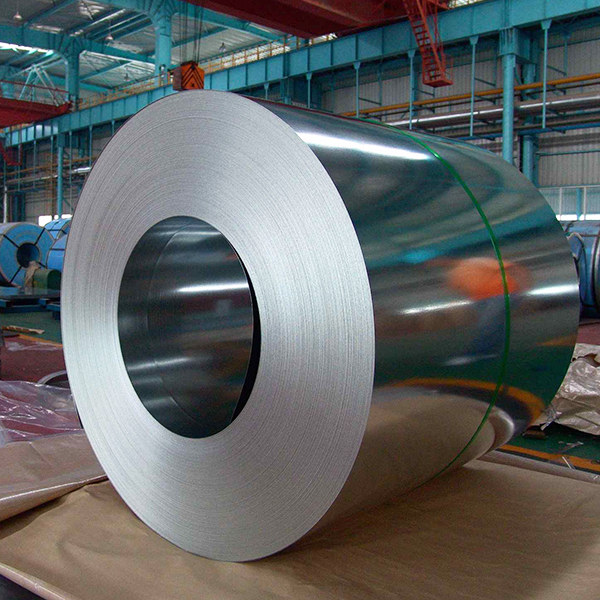
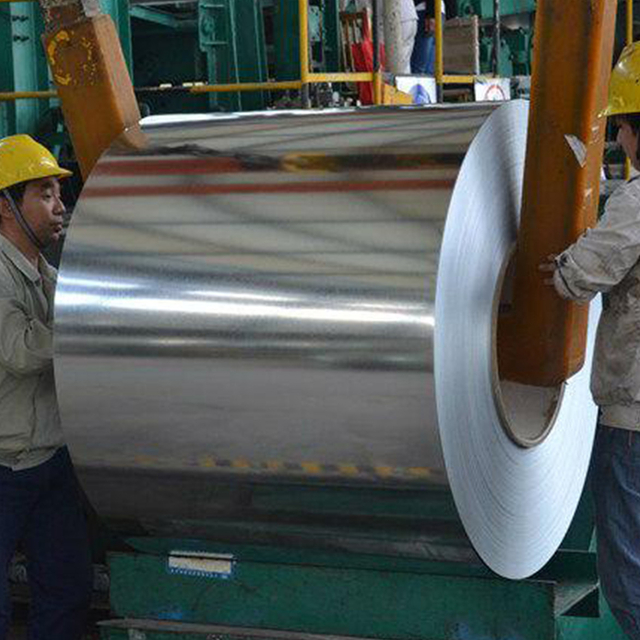
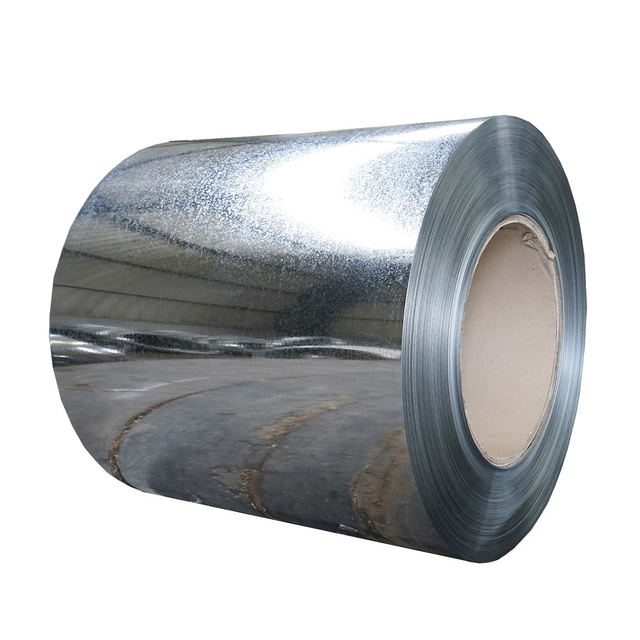
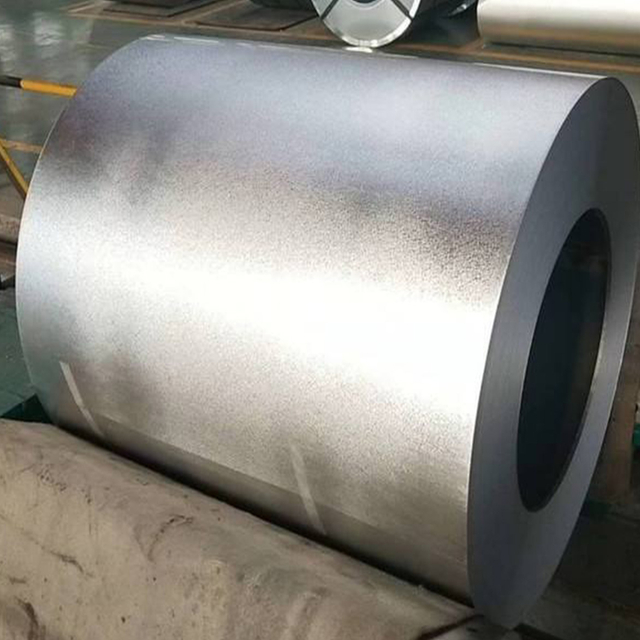
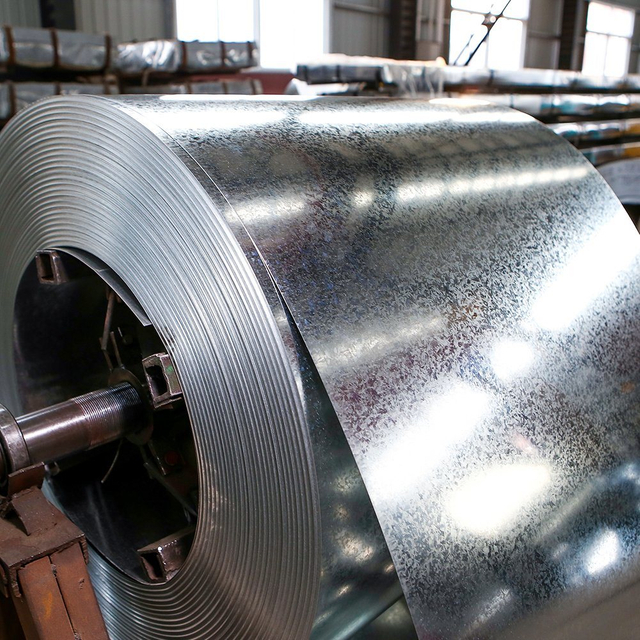
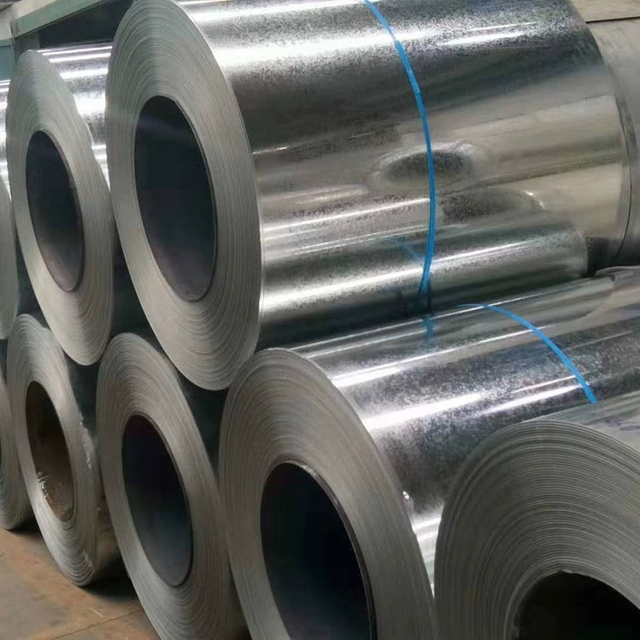
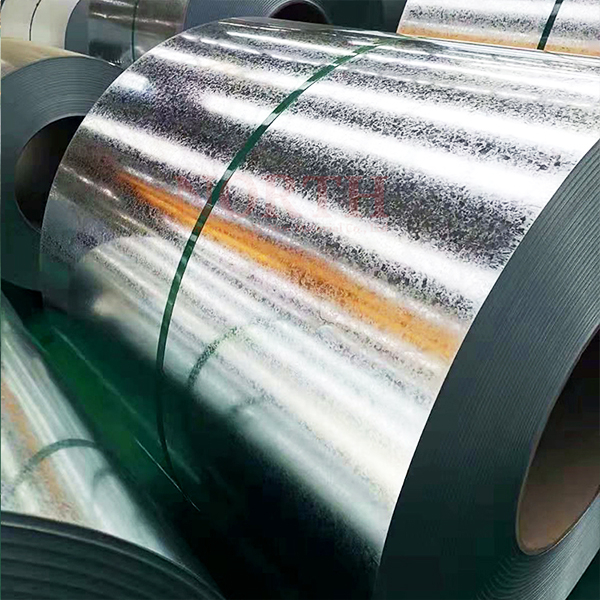
You need a reliable, consistent supply chain for manufacturing electrical hardware. Many production facilities procure galvanized steel coil for continuous stamping operations. Stamping creates critical junction boxes, mounting brackets, and secure conduit fittings. You must ensure your supplier understands the strict electrical demands of your finished product. Consistent coil thickness and uniform zinc distribution guarantee predictable electrical resistance across high-volume production runs.
Quality Assurance
Rigorous quality assurance separates successful, long-lasting projects from dangerous failures. You must emphasize the importance of verifying the high purity of the zinc coating. Avoid suppliers who use zinc baths contaminated with high levels of lead or iron impurities. These unwanted impurities actively increase electrical resistance and accelerate environmental degradation. Additionally, ensure proper heat treatment processes occur during manufacturing. Proper annealing minimizes internal structural stress within the metal. High internal stress can severely impede electron flow and reduce the long-term mechanical reliability of the stamped electrical components.
Next Steps for Buyers
How do you secure the best materials for your specific project? We recommend a highly proactive approach. Request precise conductivity testing data directly from your suppliers. Do not rely solely on generic material data sheets found online. You should also ask for ASTM B117 salt-spray corrosion ratings before committing to bulk structural materials. These detailed reports verify exactly how the metal will behave in actual, harsh electrical environments over decades of continuous service.
Conclusion
Let us summarize the decision framework clearly. Galvanized steel proves itself repeatedly as a highly capable secondary conductor. Its true value lies not in pure electrical efficiency. Instead, it shines brilliantly at the intersection of moderate conductivity, extreme durability, and exceptional cost-effectiveness. You cannot evaluate it strictly through the lens of Ohms per meter.
We offer a straightforward final recommendation. For primary load-bearing currents, you should always stick to copper or aluminum. They provide the necessary low-resistance pathways for continuous, safe power. However, for deep grounding, physical shielding, and theft-prone utility deployments, this robust metal stands out. It remains the most pragmatic engineering choice available today. Evaluate your soil conditions carefully, calculate your fault current requirements precisely, and utilize proper bimetallic connectors to ensure a safe, high-performing installation.
FAQ
Q: Does galvanized steel act as an insulator?
A: No. While it has higher electrical resistance than pure copper, it freely conducts electricity. It requires proper grounding and insulation practices just like any other conductive metal to prevent serious shock hazards.
Q: Can galvanized steel be used in high-resistance grounding (HRG) systems?
A: Yes. The resistance value of the system is actively controlled by the grounding resistor unit itself, not the underlying metal of the grounding rod. Galvanized rods perform flawlessly in HRG setups.
Q: Will galvanized steel withstand a lightning strike?
A: Yes. Galvanized steel is heavily utilized in lightning protection and grounding meshes globally. It provides a reliable, low-impedance path to earth capable of handling massive, instantaneous fault currents safely.
Q: Can I run low-voltage power through a galvanized suspension cable?
A: Technically yes, but it is not recommended without proper engineering oversight. High resistance leads to significant voltage drops and heat generation. A dedicated, short-circuit protected power supply (SELV) and inline fuses are mandatory to prevent fire risks.