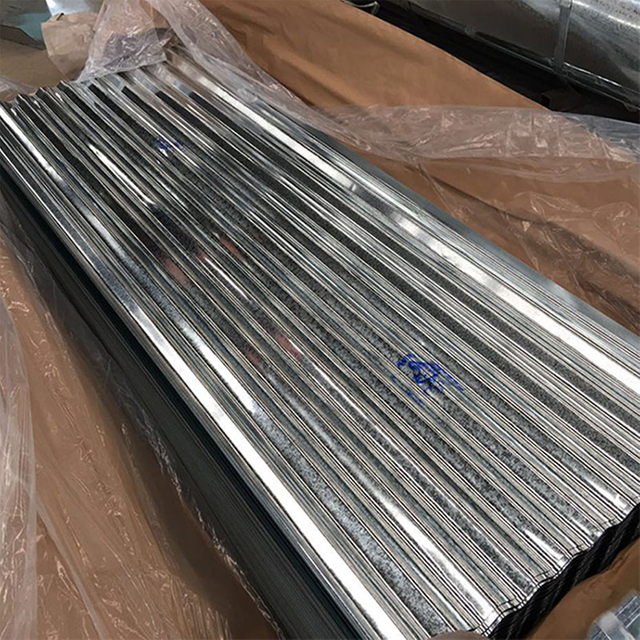
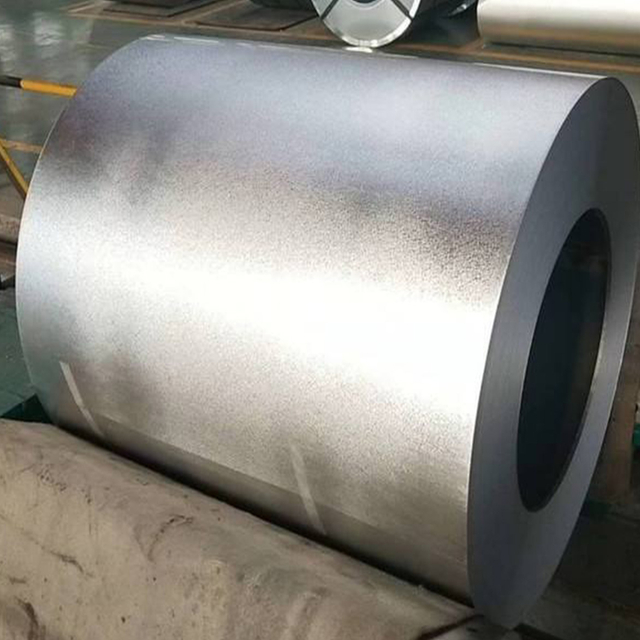
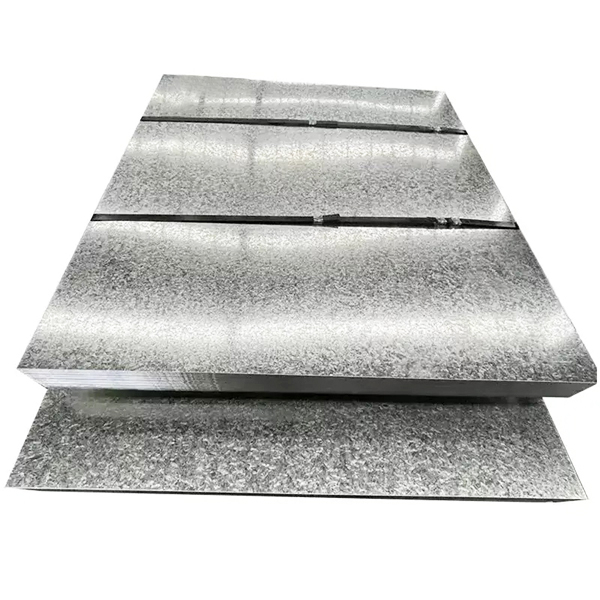
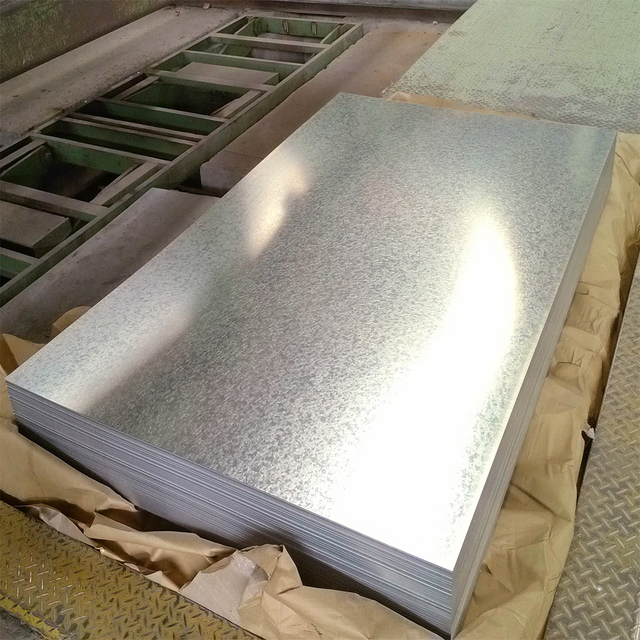
Welding Galvanized Steel remains a standard practice across industrial fabrication and structural engineering. The durable zinc coating provides excellent corrosion resistance. This makes these materials indispensable for harsh outdoor environments and demanding infrastructure projects.
However, joining these materials introduces distinct metallurgical and safety challenges compared to working on bare carbon steel. The protective zinc layer creates direct conflicts. You will face issues regarding arc stability, weld pool purity, and worker health. You cannot simply strike an arc over the coating and expect a clean, strong joint without serious consequences.
This guide provides an evidence-based framework for engineers, fabrication managers, and procurement teams. We will evaluate mandatory prep requirements, optimal process selection, and critical compliance standards like OSHA and AWS. You will learn how to maintain structural integrity and protect your workforce effectively.
Key Takeaways
It is highly feasible to weld galvanized steel, provided strict pre-weld surface preparation and post-weld coating restoration (ASTM A780) are followed.
Zinc vaporizes at ~420°C, leading to weld pool contamination, porosity, and acute health hazards (Metal Fume Fever) if not managed with proper PPE and ventilation.
Process selection matters: Flux-Cored Arc Welding (FCAW) and Shielded Metal Arc Welding (SMAW/Stick) handle trace zinc better than Gas Metal Arc Welding (MIG), while Gas Tungsten Arc Welding (TIG) should be actively avoided due to extreme sensitivity to trace zinc.
Structural integrity is maintained: According to ILZRO research, a properly executed weld on galvanized steel matches the fracture toughness and fatigue strength of uncoated steel joints.
The Physics of Welding Galvanized Steel: Structural Risks
To understand why galvanized material behaves poorly under an arc, you must look at the underlying thermodynamics. The core issue lies in the massive thermal discrepancy between the protective coating and the base metal.
Zinc melts at roughly 420°C (788°F). It vaporizes completely around 906°C (1663°F). Carbon steel requires much higher temperatures to melt, typically between 1370°C and 1500°C (2500°F to 2732°F). When you apply a welding arc, the zinc layer turns into a volatile gas long before the underlying steel even begins to liquefy.
Material | Melting Point | Vaporization Point | Behavior Under Arc |
Carbon Steel | ~1370°C - 1500°C | ~3000°C | Forms stable molten pool |
Zinc Coating | ~420°C | ~906°C | Vaporizes explosively |
If unmitigated, this vaporized zinc becomes trapped inside the solidifying weld pool. The gas bubbles struggle to escape the viscous liquid steel before it freezes. This entrapment causes severe internal porosity. You will also see heavy slag inclusions and frequent lack of fusion along the weld toes.
Welding directly over the coating remains a severe structural liability. You must treat the zinc layer as a dangerous contaminant within the immediate heat-affected zone (HAZ). Any attempt to burn through the coating without preparation will compromise the joint strength and trigger excessive, unpredictable spatter.
Health Hazards and Environmental Compliance (OSHA & AWS Standards)
Beyond structural defects, vaporizing zinc presents a severe biological hazard. When the arc hits the coating, it produces thick, white zinc oxide smoke. Inhaling these toxic fumes leads directly to a condition known as Metal Fume Fever.
Metal Fume Fever triggers acute, flu-like symptoms. Workers frequently report severe chills, high fever, nausea, fatigue, and a distinct sweet taste in the mouth. These symptoms usually strike several hours after the shift ends. They can completely incapacitate an operator.
The industry holds many dangerous myths regarding zinc toxicity. We must clarify the actual biology to protect workers properly.
First, zinc is water-soluble. The human body metabolizes and excretes it over time. Unlike lead or hexavalent chromium exposure, zinc oxide inhalation does not result in long-term heavy metal accumulation. The illness remains extremely debilitating for 24 to 48 hours, but it rarely causes chronic systemic damage.
Second, drinking milk offers zero biological protection against zinc oxide inhalation. This persists as a widespread shop-floor myth. Milk goes to the stomach. Fumes go to the lungs. Relying on milk as a defense mechanism puts operators in direct danger.
Strict adherence to OSHA regulations and ANSI/ASC Z-49.1 standards ensures a safe working environment. You must implement engineering controls and proper personal protective equipment.
Source Extraction: Deploy localized exhaust ventilation directly at the weld zone. Fume extractors must pull the smoke away from the operator's breathing zone.
Respiratory Protection: Operators must wear half-mask respirators fitted with P100 HEPA filters.
Advanced Systems: For enclosed spaces or continuous production, mandate the use of Powered Air-Purifying Respirators (PAPR) integrated into the welding helmets.
General Ventilation: Ensure ambient shop air exchanges meet minimum environmental safety thresholds.
Pre-Weld Preparation: The "1-4 Inch" Rule
Surface preparation dictates the ultimate success of the joint. The American Welding Society outlines strict guidelines under AWS D-19.0 for preparing coated metals. The official standard requires operators to remove the zinc coating 1 to 4 inches (10-25mm minimum) from both sides of the intended weld joint.
You have two primary methods for clearing the coating. Each approach carries specific advantages and limitations.
Mechanical Removal (Preferred): Use a hard grinding disc or an abrasive flap wheel. Grind the joint down to bright, bare steel. This method is fast and highly effective. However, acknowledge the implementation risk. Even rigorous grinding often leaves microscopic trace zinc embedded in the steel surface.
Chemical Removal: Use a chemical etchant like muriatic acid combined with white vinegar. This strips the zinc away cleanly without removing base metal. You must practice strict neutralization afterward. Failing to rinse and neutralize the acid immediately triggers rapid flash rusting on the exposed steel.
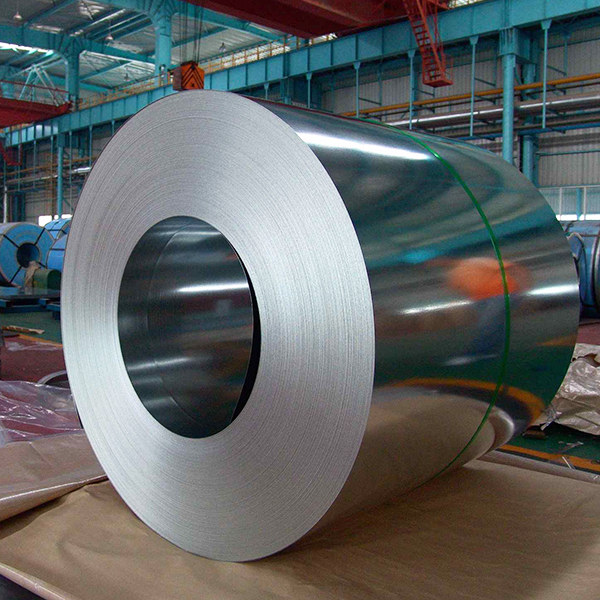
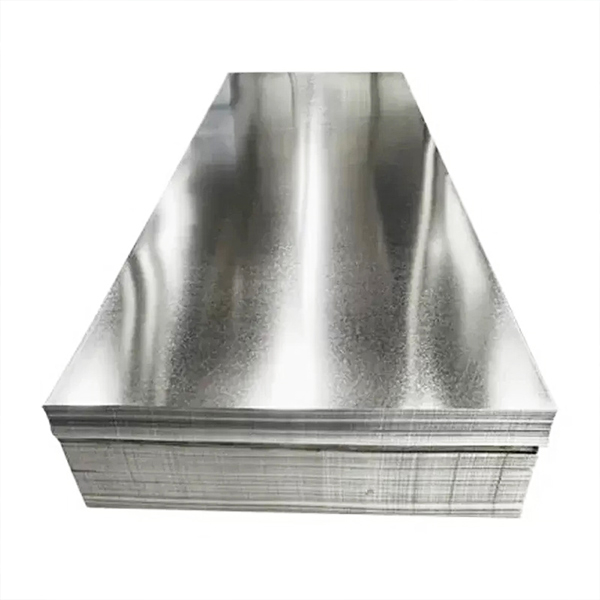
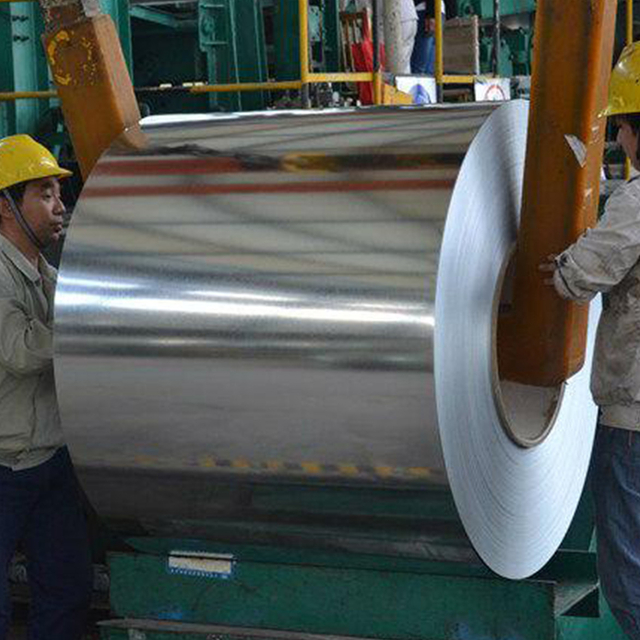
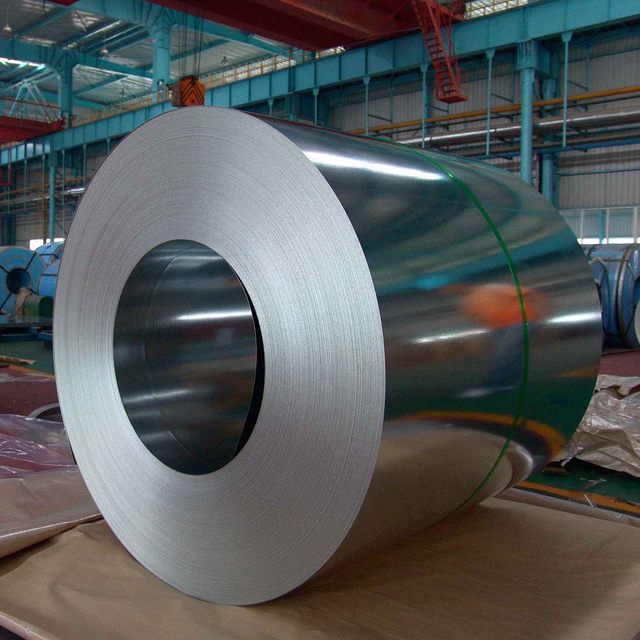
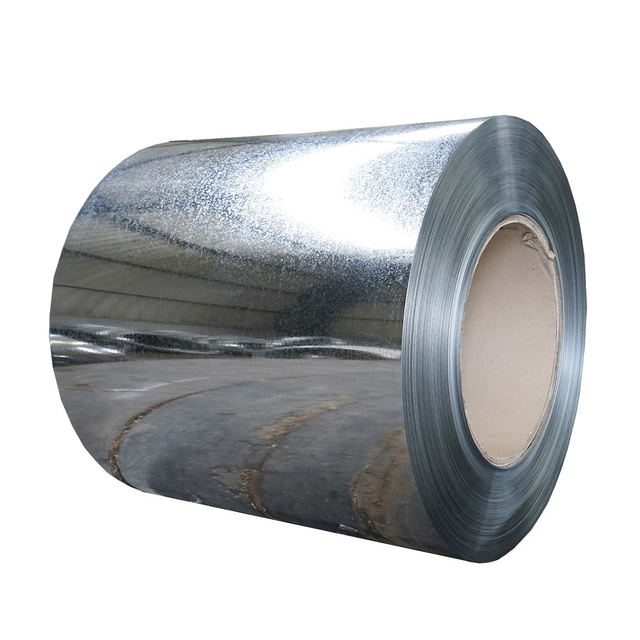
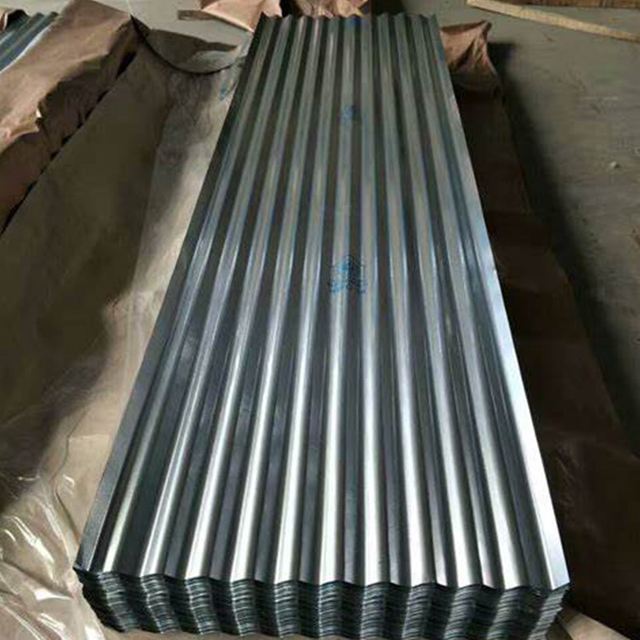
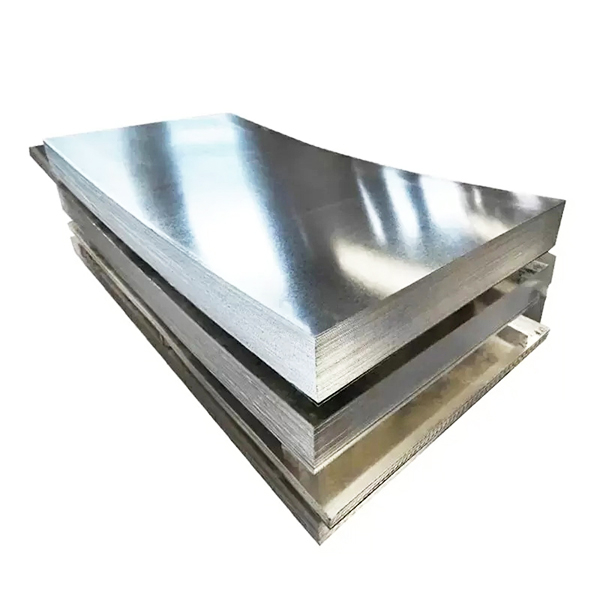
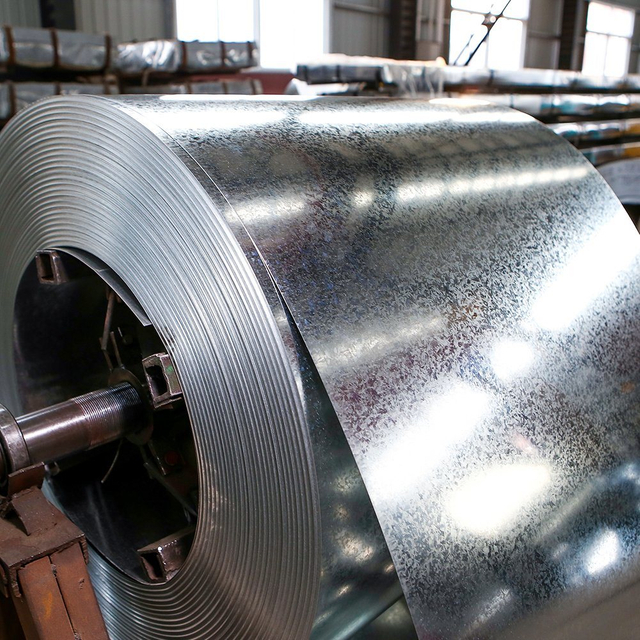
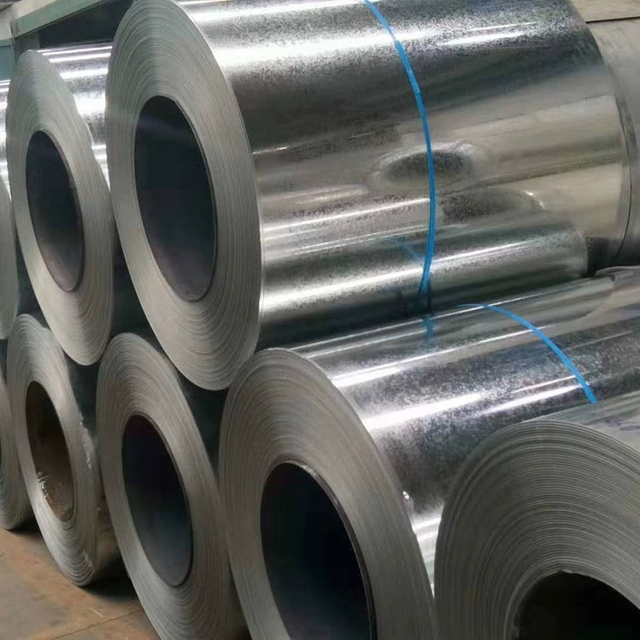
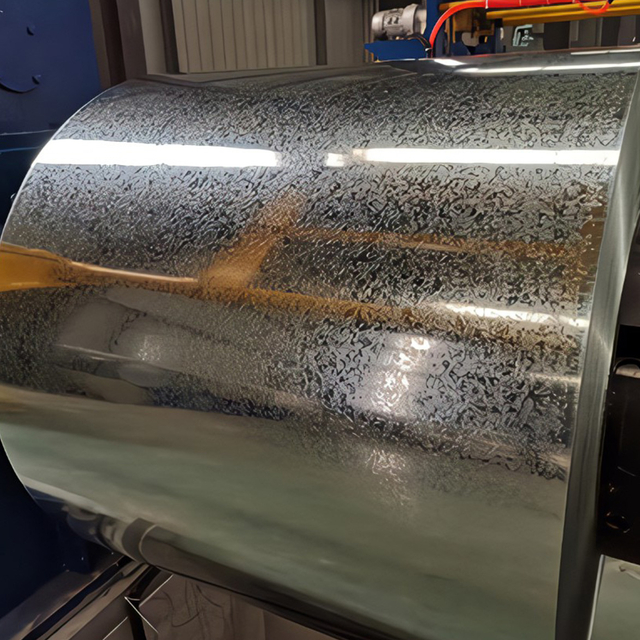
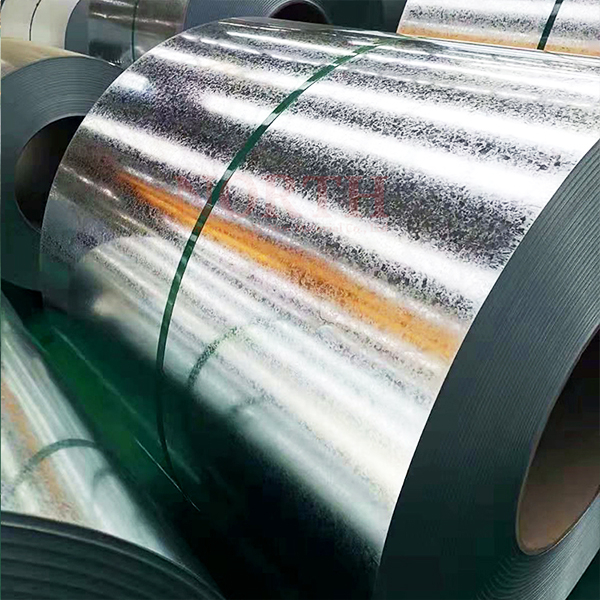
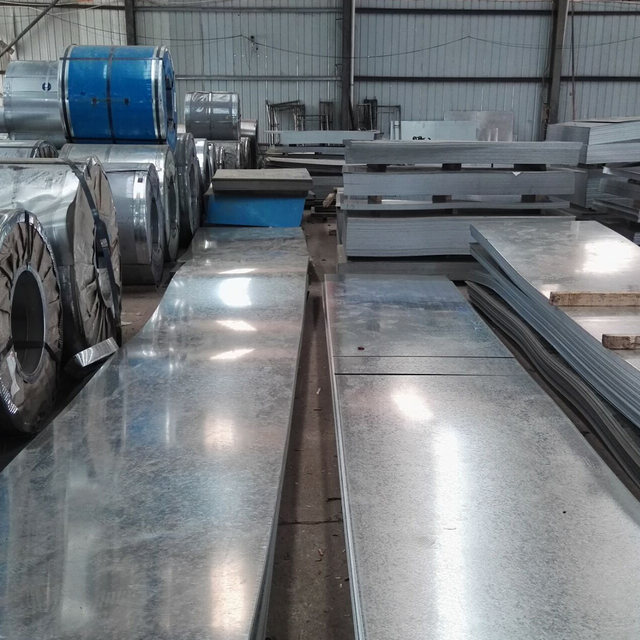
Scale dictates your preparation strategy. Handling large-scale continuous runs from a galvanized steel coil often requires automated mechanical brushing or localized induction heating before the welding station. In contrast, custom fabrication on a single galvanized steel sheet usually makes manual flap-disc grinding the most cost-effective and practical choice.
Welding Process Evaluation for Galvanized Materials
Removing the coating perfectly is rarely achievable in field conditions. Microscopic trace zinc usually remains. Therefore, you must select a welding process capable of tolerating minor contamination.
Welding Process | Trace Zinc Tolerance | Recommended Consumables | Application Suitability |
FCAW (Flux-Cored) | High | Dual-shield or self-shielded wire | Heavy structural, outdoor field work |
SMAW (Stick) | High | E7018 low-hydrogen electrodes | Maintenance, thick sections |
GMAW (MIG) | Moderate | ER70S-6 solid wire | High-speed production, thin sheets |
GTAW (TIG) | Zero | N/A | Highly discouraged |
FCAW (Flux-Cored) & SMAW (Stick): These processes exhibit high tolerance for trace zinc. The flux agents built into the electrodes vaporize rapidly in the molten pool. They actively scavenge the puddle, lifting impurities and trapped gases out into the slag layer. For SMAW operations, engineers highly recommend E7018 low-hydrogen electrodes. They produce robust, ductile welds even when minor coating residues remain.
GMAW (MIG): Solid wire MIG provides excellent production speed. It works especially well on thin galvanized steel sheet assemblies. However, MIG lacks active fluxing agents. It requires tight parameter control. You must use low heat input techniques like short-circuit or pulsed-spray transfer. Always utilize an ER70S-6 wire. The added silicon and manganese in ER70S-6 act as deoxidizers, helping to flatten the bead and combat internal porosity.
GTAW (TIG) – The Exclusion Zone: Field experience proves TIG acts like a nightmare on these materials. The non-consumable tungsten electrode requires total purity. It becomes instantly contaminated by any trace zinc missed during prep. The arc will spit, wander, and eventually extinguish. Exclude TIG from your operations entirely unless you work on 100% verified bare steel.
Joint Quality Assurance and Post-Weld Restoration
Many fabricators worry about the long-term reliability of these assemblies. They question if the material properties degrade during the thermal cycle.
The International Lead Zinc Research Organization (ILZRO) conducted extensive physical testing on these joints. The mechanical properties remain entirely intact. ILZRO data proves properly welded galvanized joints exhibit equal tensile strength, bend radii, and impact performance compared to uncoated steel assemblies.
However, minor micro-porosity often persists. You can compensate for porosity fatigue using smart engineering strategies. For joints subjected to critical cyclical fatigue loads, engineers frequently specify "oversized welds." Slightly increasing the fillet weld size effectively offsets the volume lost to micro-porosity. This physical enlargement lowers the overall stress concentration. It prevents zinc penetrator intergranular cracking from propagating through the root.
Finally, grinding and welding destroy the sacrificial barrier. You must implement post-weld corrosion protection to prevent rapid atmospheric rusting. Outline strict compliance to the ASTM A780 standard for restoring the protective layer.
Specify the use of zinc-rich paints, commonly known as cold galvanizing spray. Apply this heavily onto the HAZ and all ground areas. Ensure the dry film thickness matches the surrounding hot-dip layer. For larger structural members, thermal metallizing (zinc spraying) provides a superior, factory-grade bond. Following ASTM A780 ensures the newly welded joint achieves lifecycle parity alongside the original hot-dip coating.
Conclusion
Welding these protective alloys is entirely viable for structural and industrial applications. You must approach it as a strictly controlled process rather than a direct-weld shortcut. Skipping preparation steps compromises both building integrity and human safety. Taking the time to strip the joint ensures deep penetration, stable arcs, and robust mechanical performance.
To improve your fabrication outcomes, take these immediate next steps:
Audit your current localized fume extraction infrastructure to ensure adequate capture velocity.
Update your WPS (Welding Procedure Specifications) to explicitly reflect the 1 to 4 inch zinc-removal distances.
Standardize your post-weld touch-up consumables to align strictly with ASTM A780 dry film thickness requirements.
Transition sensitive applications away from TIG and implement dual-shield FCAW or pulsed MIG for better impurity tolerance.
FAQ
Q: Does welding galvanized steel weaken the metal?
A: No. When prepped correctly, the tensile strength and fracture toughness remain identical to uncoated steel. Removing the zinc layer prior to striking the arc ensures proper penetration and prevents major structural defects.
Q: Can I drink milk to prevent metal fume fever?
A: Absolutely not. Milk provides no respiratory protection. It goes into the digestive tract, offering zero defense for your lungs. Only source extraction and proper PPE (such as P100 respirators) prevent hazardous exposure to zinc oxide.
Q: Can I use TIG to weld galvanized steel?
A: It is highly discouraged. TIG requires an exceptionally clean surface. Even microscopic zinc residue left after rigorous grinding will severely contaminate the tungsten electrode, causing the arc to wander, spit, and ultimately fail.
Q: How far back do I need to grind the galvanizing before welding?
A: Industry standards (such as AWS D-19.0) dictate clearing 1 to 4 inches from the weld zone. This critical buffer prevents ambient heat from vaporizing the surrounding zinc and pulling it into the molten weld pool.