Many buyers fall for the engineering myth of truly "rust-proof" metals. The scientific reality is much simpler because all steel eventually oxidizes. We need to shift our focus away from binary thinking. Stop asking if your metal will rust. Instead, ask how accurately you can forecast its "Time to First Maintenance" (TFM). Knowing this exact timeline separates highly profitable structural projects from costly unexpected failures.
This article serves as a decision-stage guide for specifiers and buyers. We will help you calculate the true operational lifespan of your materials. You will learn how to evaluate environmental data against coating thickness. Finally, we will show you how proactive maintenance delivers massive returns on investment. By understanding these variables, you can confidently predict performance and protect your bottom line.
Key Takeaways
Lifespan Predictability: In standard atmospheric conditions, an 85 µm zinc coating typically provides 85+ years of maintenance-free service (depleting at roughly 1 µm per year).
Environmental Multipliers: High-salinity coastal areas and industrial zones with heavy sulfur dioxide (SO2) can accelerate zinc loss to 5–8 µm annually, drastically shortening lifespans.
Visual Misconceptions: Surface discoloration (white rust) is a sign of the zinc layer functioning correctly, not a structural failure of the base steel.
Cost of Inaction: Proactive maintenance costs approximately 1/20th of total replacement costs, making lifecycle management critical for project ROI.
The 3-Layer Protection Mechanism: Why Standard Tests Are Misleading
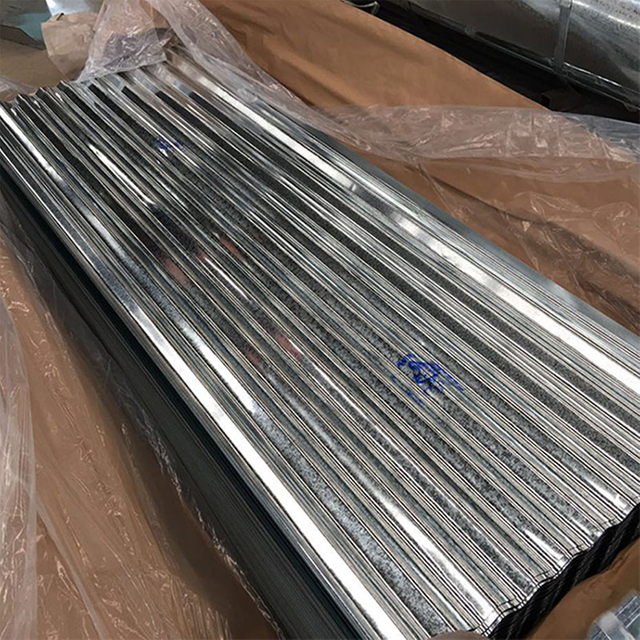
Understanding how zinc protects steel requires looking beyond the surface. Galvanized Steel relies on a sophisticated three-layer defense system. Standard testing often ignores these intricate chemical realities.
1. Barrier Protection
The molecularly dense zinc coating forms an impenetrable physical barrier. It effectively isolates the vulnerable underlying steel from external moisture. It also blocks electrolytes. This physical separation prevents the basic oxidation reaction from starting.
2. Cathodic (Sacrificial) Protection
Even the toughest barrier can sustain scratches. This is where electrochemical reality takes over. Zinc acts as a sacrificial anode. It naturally possesses a higher electrochemical activity than iron. The zinc coating will corrode preferentially to protect the base steel. This protective sacrifice occurs even if deep scratches expose the bare metal beneath.
3. The Patina Layer (Zinc Carbonate)
The most crucial defense mechanism takes time to develop. Newly exposed zinc reacts actively to its environment. It absorbs oxygen, water, and ambient carbon dioxide over 6 to 12 months. This slow chemical process forms a rock-hard, insoluble zinc carbonate layer called a patina. This patina seals microscopic pores across the surface. It dramatically slows down further zinc depletion.
Evaluation Caveat: Debunking Salt Spray Tests
Buyers should remain highly skeptical of accelerated salt spray tests. Laboratories use continuous salt mist to simulate years of exposure in mere weeks. However, this continuous moisture prevents the crucial patina layer from ever forming. The zinc never hardens into zinc carbonate. As a result, these rapid tests severely underestimate the real-world durability of the material. Always request field-exposure data instead of relying solely on salt spray results.
Calculating Lifespan Across 4 Core Environments
You cannot estimate material lifespan without analyzing the installation site. Different atmospheric conditions dictate exactly how fast the protective zinc layer will deplete.
Environment Type | Estimated TFM (Years) | Depletion Catalyst | Annual Zinc Loss |
Suburban & Rural | 75 – 100+ | Normal moisture / Oxygen | < 1 µm |
Industrial Zones | 15 – 30 | Acid rain / Sulfur Dioxide (SO2) | 2 – 4 µm |
Coastal & Marine | 5 – 15 | Airborne Chlorides (Salt) | 5 – 8 µm |
Direct Soil Burial | 35 – 75 | Moisture / High pH / Microbes | Variable |
Suburban and Rural Atmospheres (75–100+ Years)
Standard outdoor environments offer exceptionally long service lives. Modern environmental regulations have massively reduced global sulfur dioxide (SO2) emissions. These reductions have objectively increased the baseline longevity of zinc-coated products. In rural areas, clean air allows the zinc patina to remain stable for decades. Buyers can expect well over a century of reliable performance in optimal climates.
Industrial Zones (15–30 Years)
Industrial applications face harsh chemical realities. Acid rain and airborne pollutants act as aggressive catalysts for rapid coating degradation. Sulfur dioxide is particularly destructive. It converts the protective zinc carbonate patina into highly soluble zinc sulfate. Rain easily washes this soluble compound away. The metal must constantly form new zinc layers, which accelerates the depletion rate exponentially.
Coastal and Marine Conditions (5–15 Years)
Ocean proximity introduces relentless airborne chlorides. High-salt environments completely prevent the protective patina from stabilizing. The salt reacts continuously, stripping away the zinc layer. You can expect continuous zinc depletion ranging from 5 to 8 µm per year. For coastal projects, specifying a much thicker initial zinc coating is non-negotiable.
Direct Soil & Underground Burial (35–75 Years)
Underground applications require a rapid assessment framework for soil corrosivity. You must evaluate four primary variables before installation:
Moisture & Drainage: Sand provides high drainage and low corrosion risk. Clay demonstrates high moisture retention, greatly increasing the likelihood of rust.
Visual Cues: Red or yellow soils usually indicate high aeration and low corrosion risk. Grey or dark soils suggest poor aeration and hint at aggressive microbial corrosion.
Chemical Makeup: High chlorides, high sulfates, and low pH (acidic conditions) exponentially increase underground corrosion rates.
Specifying Material Formats: Coils, Sheets, and Vulnerability Points
How you source and fabricate your material directly impacts its final lifespan. Different formats carry unique fabrication risks.
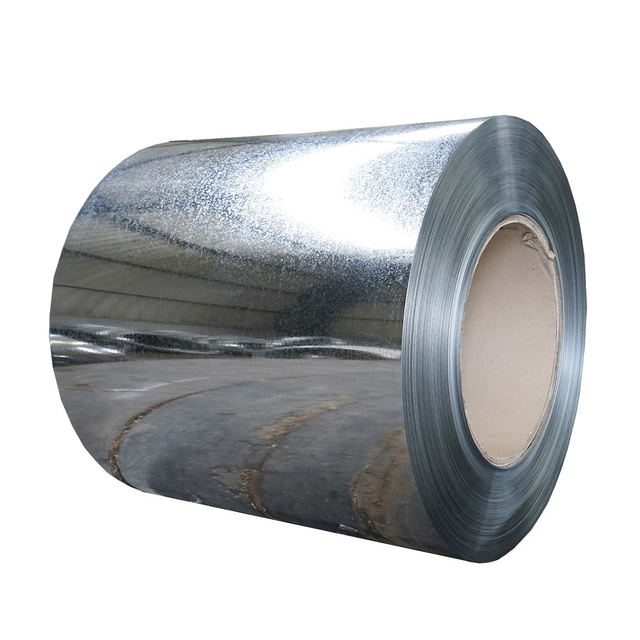
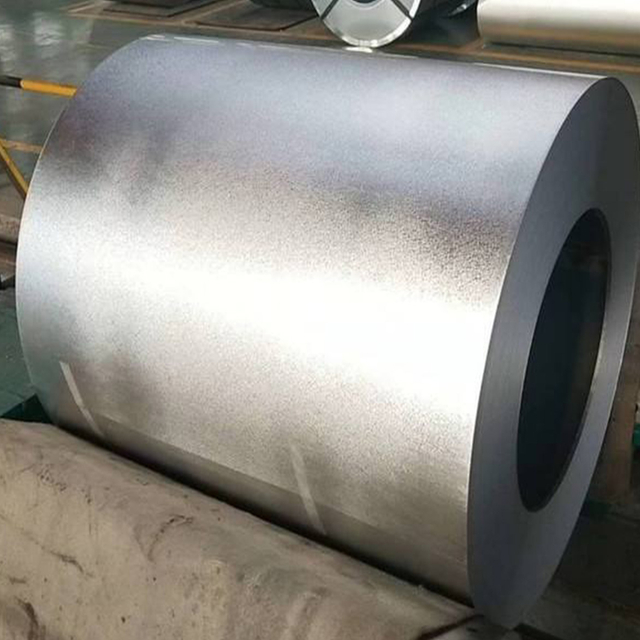
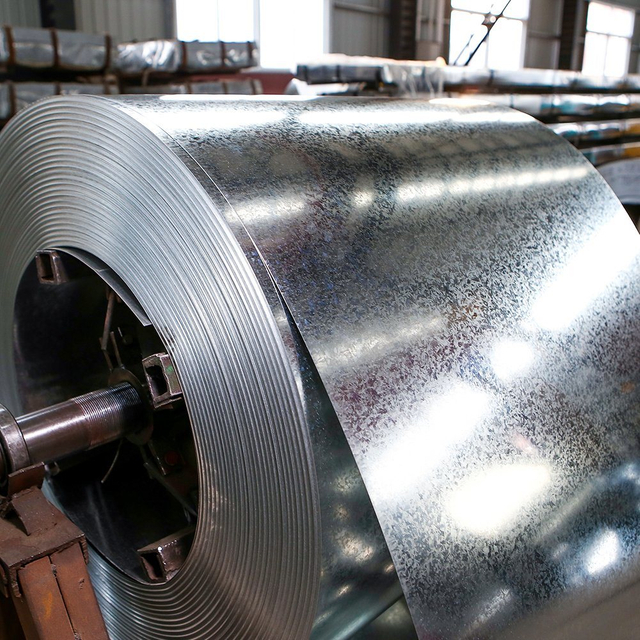
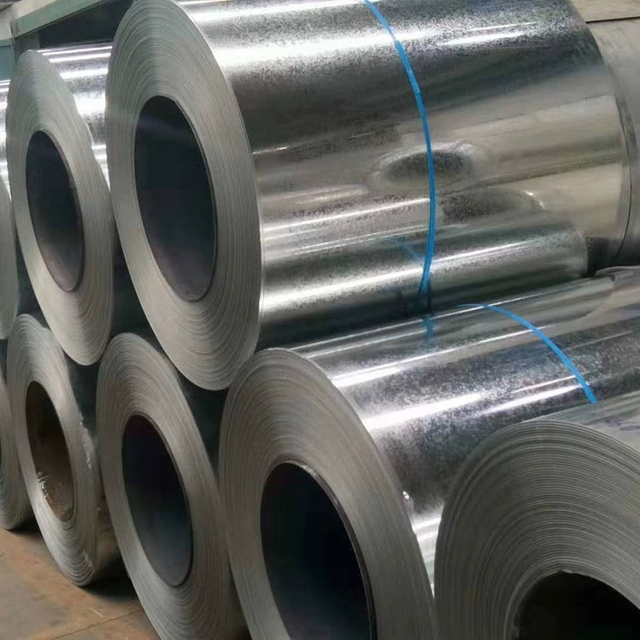
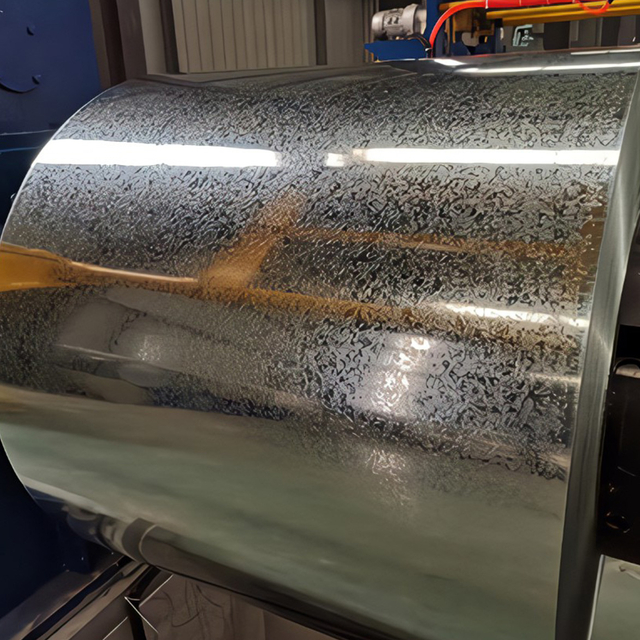
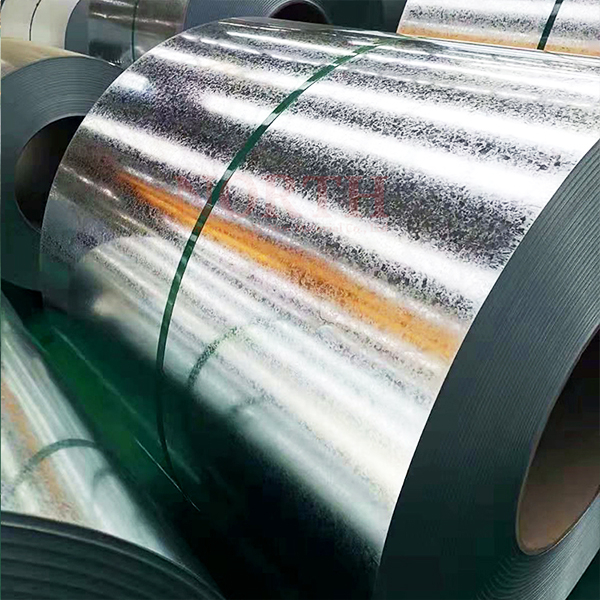
Galvanized Steel Coil
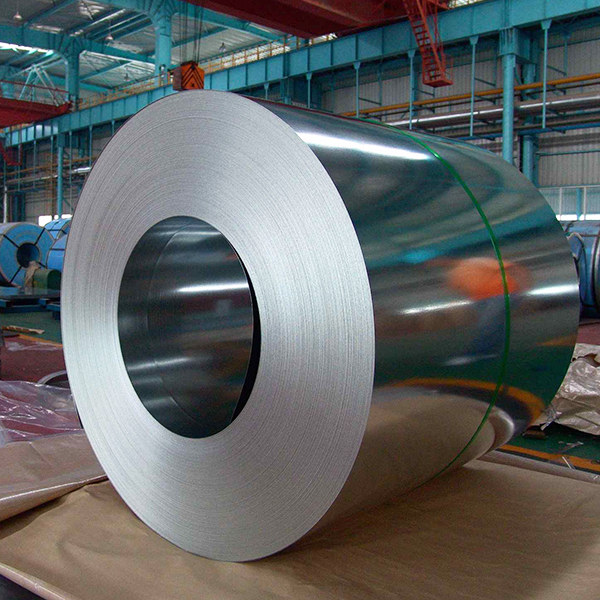
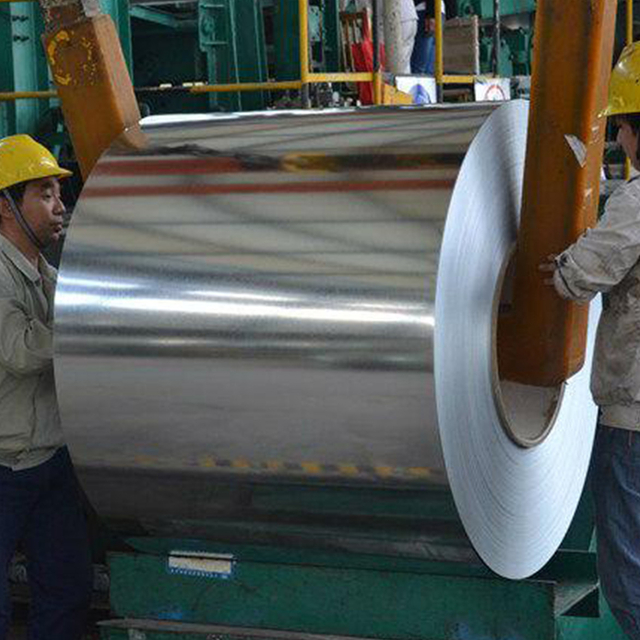
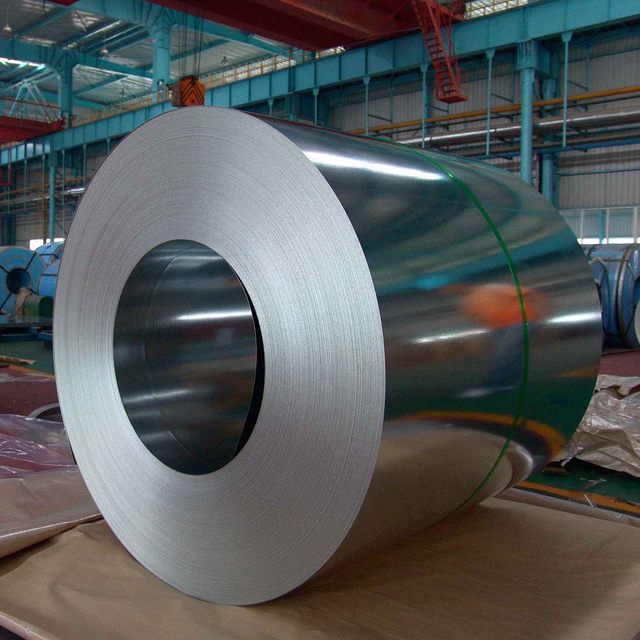
High-volume manufacturing demands predictability. Specifying a galvanized steel coil offers immense advantages through continuous processing. Modern coil lines achieve highly uniform coating thicknesses. This consistency makes coils ideal for automated stamping and roll-forming operations. When you need absolute baseline predictability across thousands of units, coils deliver the most reliable foundational material.
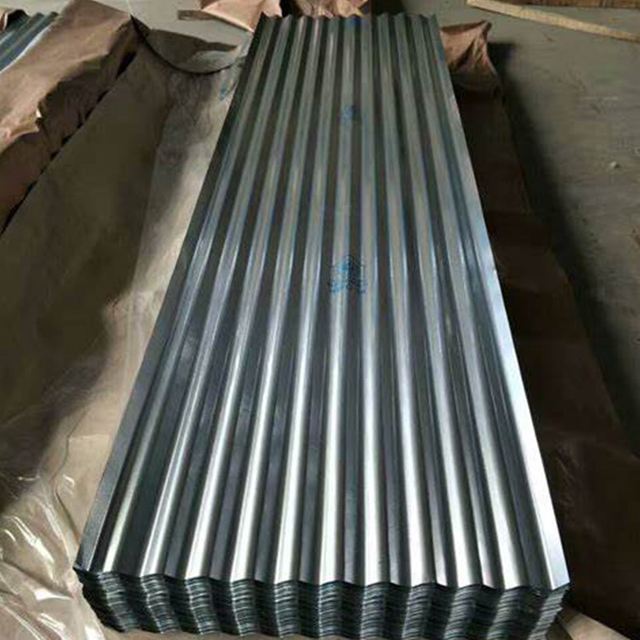
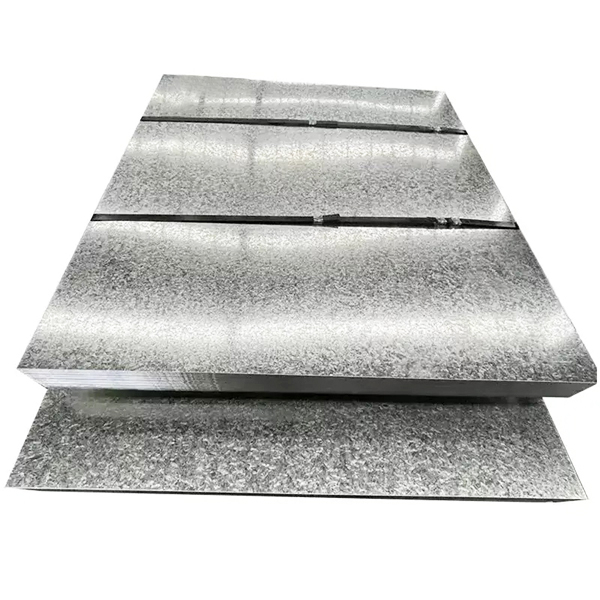
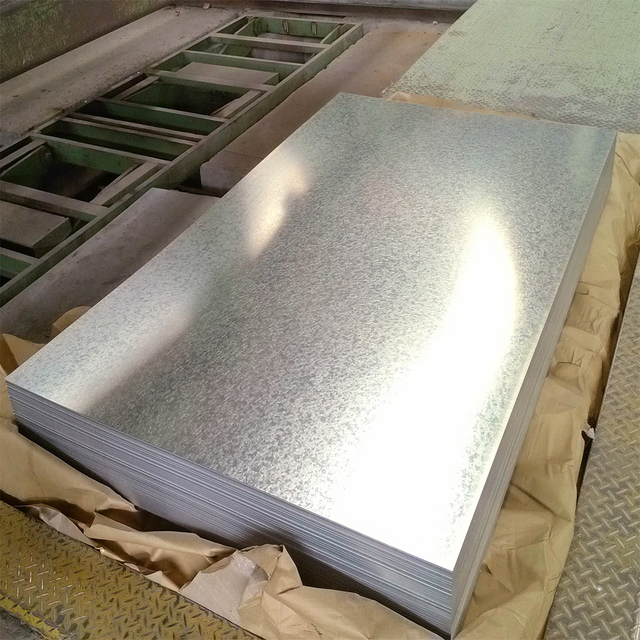
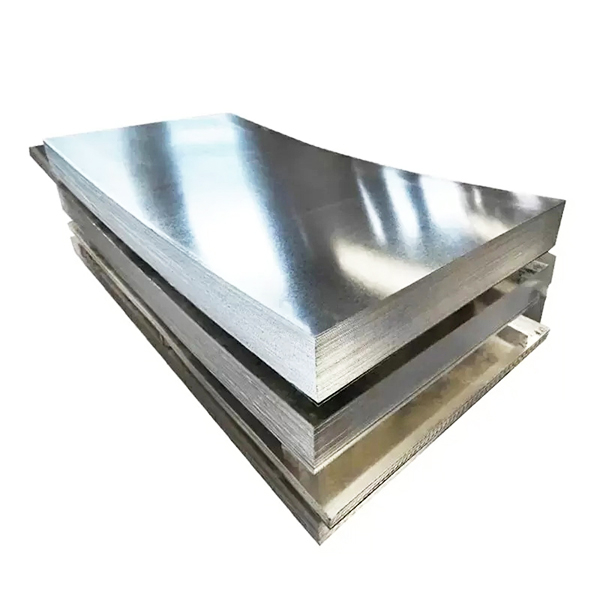
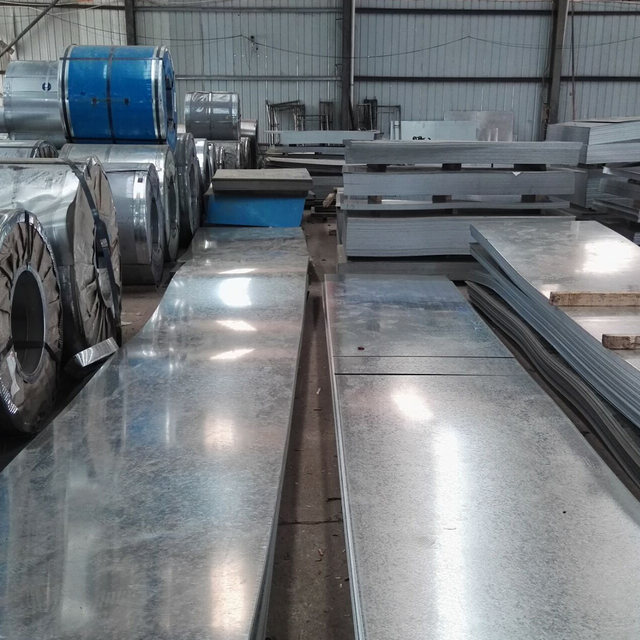
Galvanized Steel Sheet
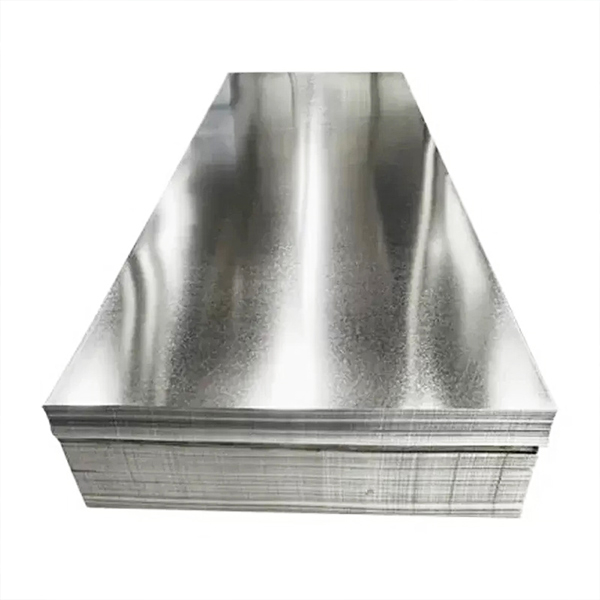
Working with flat pieces requires careful handling. Fabricators must address specific implementation risks when using a galvanized steel sheet. The moment you cut, shear, or drill the material, you create exposed edges. Mechanical sheer forces also introduce micro-fractures along the bend lines. While the cathodic protection will defend these exposed micro-areas, they remain the weakest links in your structural integrity.
Implementation Risk: Fastener Selection
The best coating in the world cannot survive poor installation practices. Fastener selection is critical. Using non-galvanized or mismatched metal screws introduces immediate galvanic corrosion at the puncture site. If you insert a bare steel or copper screw into a coated panel, moisture will bridge the two metals. The zinc will rapidly sacrifice itself to protect the incompatible screw. This localized destruction leads to rapid structural failure.
Diagnosing Corrosion: White Rust vs. Red Rust
Visual inspections often cause unnecessary panic. You must learn to distinguish between normal chemical processes and critical failures.
White Rust (Zinc Oxide)
Many inspectors mistake white rust for severe damage. Powdery white buildup is simply a natural byproduct of zinc oxidizing rapidly. It usually occurs when parts get stacked tightly together in damp environments. This powdery residue is strictly an aesthetic issue. It does not indicate a structural compromise. A simple brush and mild cleaning solution can remove it.
Discoloration at the Alloy Layer
The coating structure features multiple transitional layers. As the outer pure zinc layer naturally depletes, the intermediate iron-zinc alloy layer becomes exposed. This middle layer may show a slight brownish tint as it weathers. Many people confuse this brown tint with base metal failure. It does not mean the base steel is failing. The alloy layer still provides exceptional barrier protection against the elements.
Red/Brown Rust (Iron Oxide)
Active iron oxide signals a genuine problem. We define deep red or dark brown rust as the critical failure threshold. Industry standards state that "Time to First Maintenance" usually triggers when you spot 5% red rust surface area. Reaching this 5% mark indicates the sacrificial zinc is fully depleted in those areas. The structural steel is now actively degrading and requires immediate intervention.
The Lifecycle Maintenance Framework (ROI Analysis)
Smart material management transforms unpredictable expenses into controlled investments. Waiting for red rust is an expensive mistake.
The Commercial Reality
The economics heavily favor proactive maintenance over reactive replacement. A typical proactive upkeep program costs approximately $5 per square meter. In stark contrast, waiting for structural failure triggers total replacement costs exceeding $100 per square meter. This massive replacement cost includes expensive labor, heavy transport, and catastrophic operational downtime. Managing the lifecycle proactively is basic commercial sense.
Phase 1 (0–3 Years): The Baseline
The first three years require simple vigilance. Focus your efforts entirely on visual inspections. Check the high-stress areas like cut edges, deep drill holes, and weld seams. You want to ensure the installation did not introduce severe galvanic conflicts. Document any early white rust formation and adjust local drainage if water pooling occurs.
Phase 2 (5–10 Years): The Intervention Window
This middle phase dictates the ultimate longevity of the project. Implement annual wash-downs during this window. Airborne chloride and industrial soot buildup actively eat away the zinc barrier. Washing these contaminants off with low-pressure water can reduce the zinc depletion rate by 30% to 50%. This simple, low-cost intervention stretches your maintenance timeline significantly.
Phase 3 (10+ Years): Re-coating Strategy
Once the material enters its second decade, you must monitor the alloy layer closely. Outline a process for localized touch-ups. Use high-quality zinc-rich repair paints on areas showing minor brown discoloration. Applying these rich zinc primers artificially extends the Time to First Maintenance. It restores the sacrificial barrier precisely where the material needs it most.
Conclusion
The rusting of galvanized metal is a highly predictable, mathematically measurable process. It is never an unknown variable. By analyzing environmental severity, you can forecast exactly how your infrastructure will perform over decades. Visual changes like white powder or slight browning are normal milestones, not immediate catastrophes.
Your shortlisting logic should rely on hard numbers. Advise your procurement teams to match the specified zinc thickness directly to the expected environmental depletion rate of the project site. Measure this thickness in µm or mils to guarantee alignment with your lifecycle goals.
We highly recommend consulting with metallurgy experts or trusted suppliers before finalizing bulk procurement. Map out a site-specific Time to First Maintenance calculation. Taking this analytical step ensures your project remains structurally sound and economically viable for generations.
FAQ
Q: Does galvanized steel rust underwater?
A: Yes. Lifespan underwater depends heavily on oxygen levels, water pH, and flow rates. Saltwater is highly corrosive and accelerates zinc depletion rapidly. Conversely, hard freshwater often deposits protective mineral scales over the metal. These natural calcium scales can slow down corrosion significantly, extending the submerged lifespan.
Q: What temperature causes galvanized steel to fail?
A: Prolonged exposure to extreme heat compromises the coating. Environments exceeding 392°F (200°C) will eventually cause the outer free-zinc layer to peel off. This thermal degradation ruins the barrier protection. For high-heat applications, you should consider alternative protective treatments or specialized high-temperature alloys.
Q: Can galvanized steel touch other metals?
A: You should avoid direct contact with dissimilar metals. Touching copper, brass, or bare iron introduces severe galvanic corrosion, especially in moist environments. The zinc will rapidly sacrifice itself to protect the incompatible metal. Always use inert insulators like rubber gaskets or nylon washers to separate dissimilar metals physically.
Q: How does relative humidity affect longevity?
A: Moisture drives the electrochemical oxidation process. Environments maintaining constant relative humidity above 60% accelerate corrosion. Continuous condensation prevents the protective patina layer from forming properly. Conversely, dry environments with low humidity can easily push the lifespan of the material well past a century.