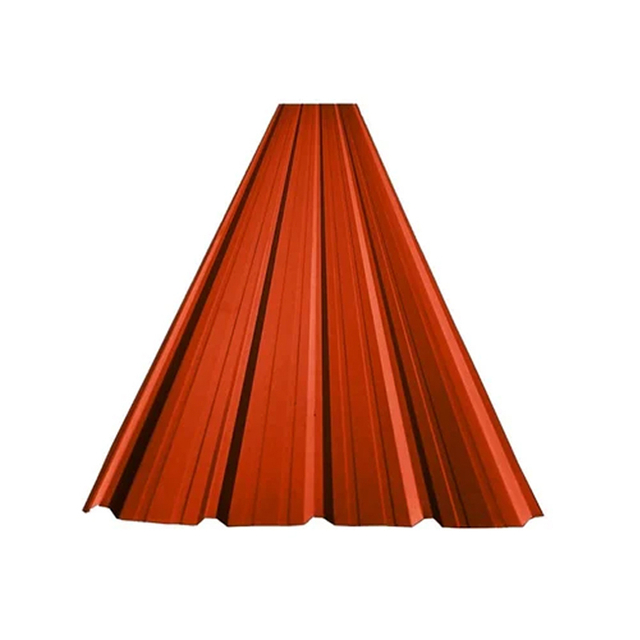
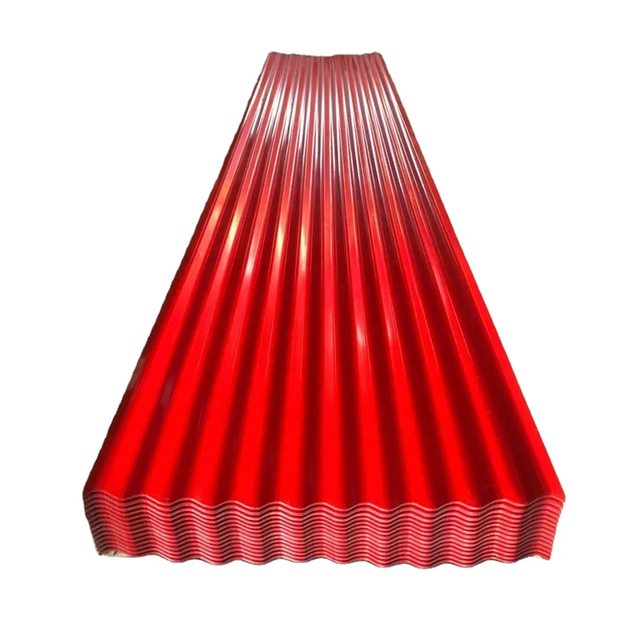
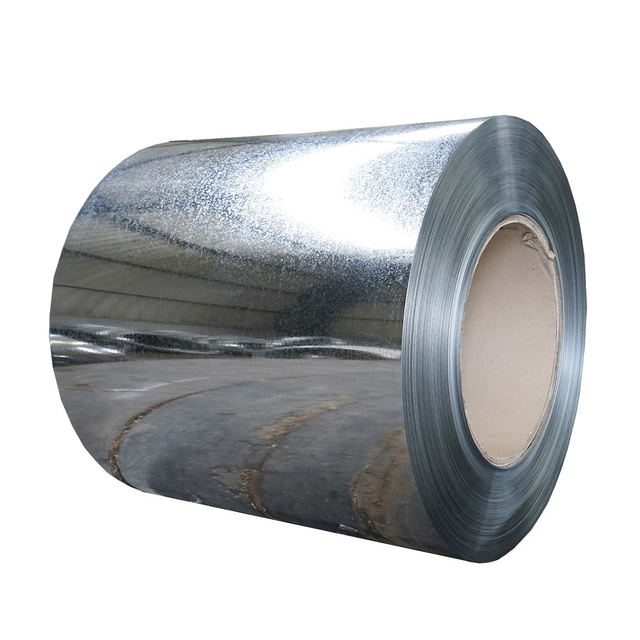
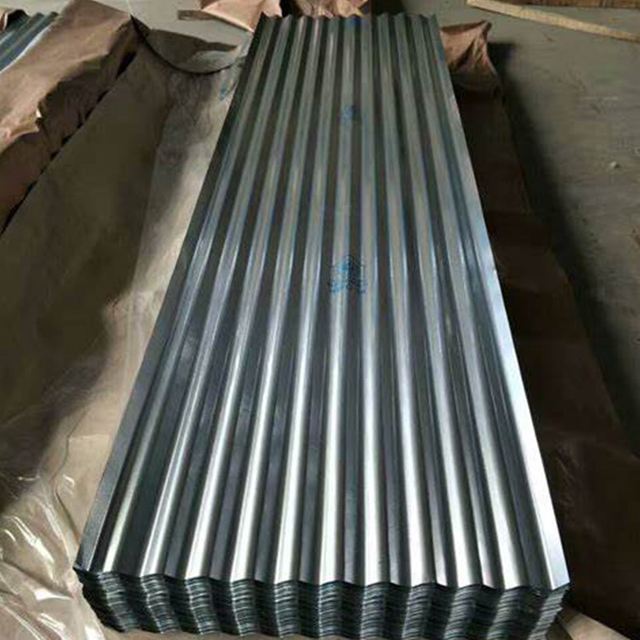
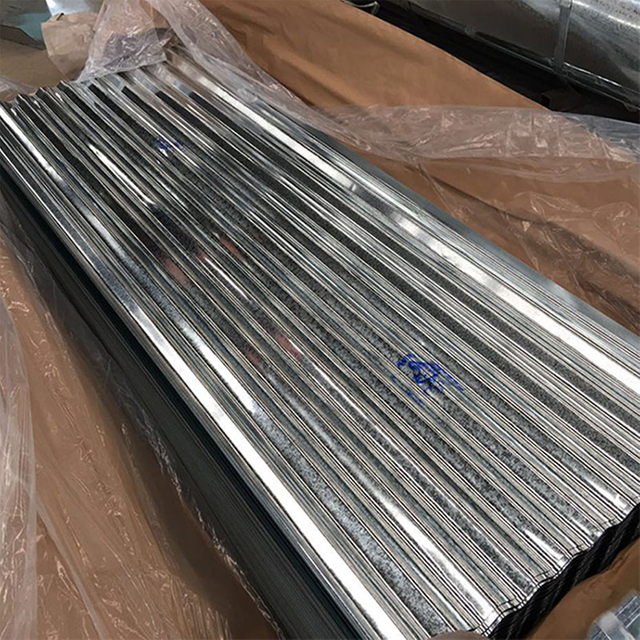
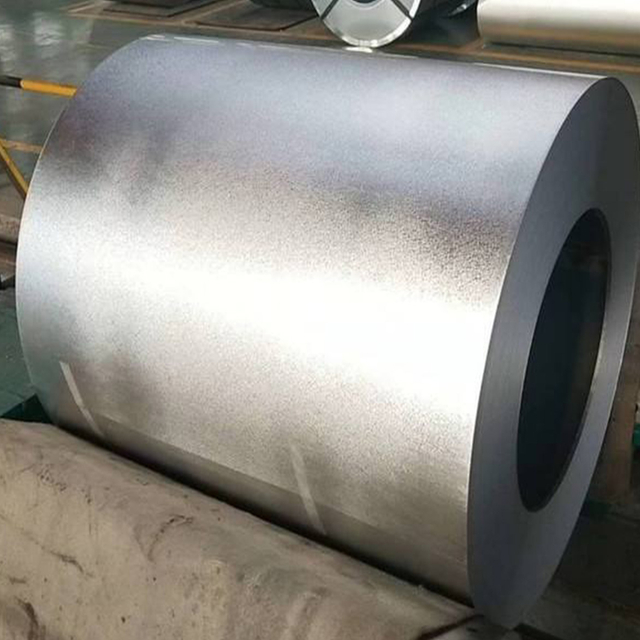
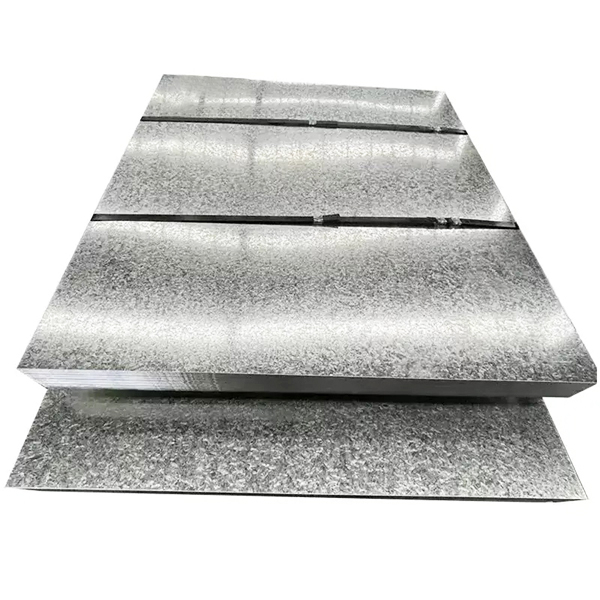
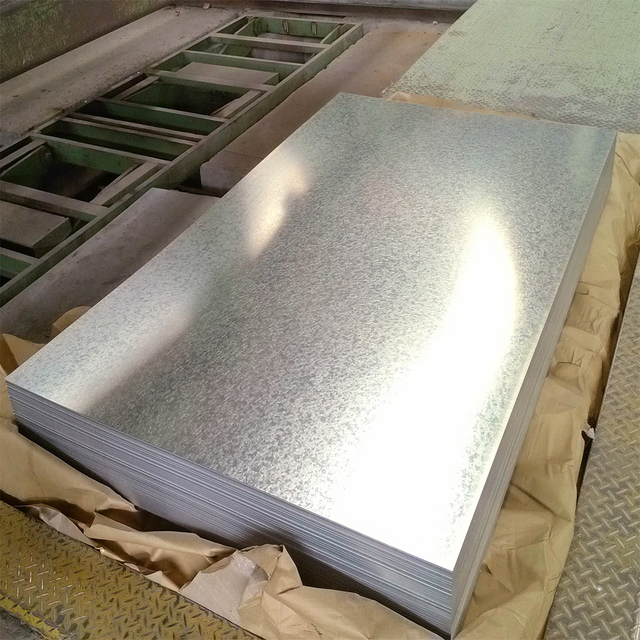
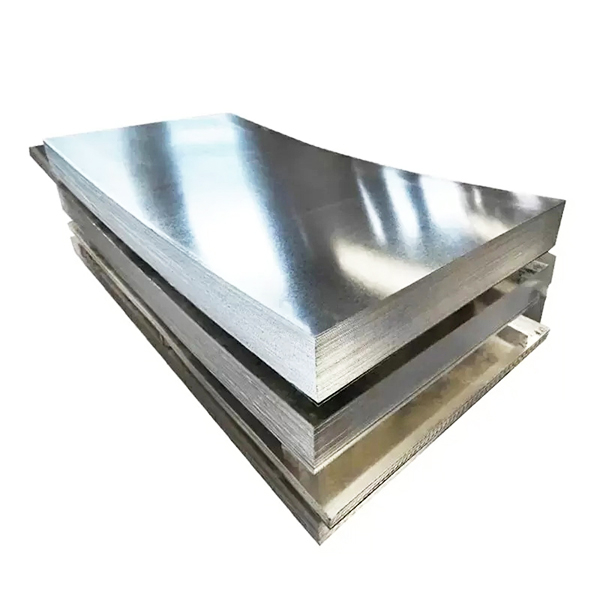
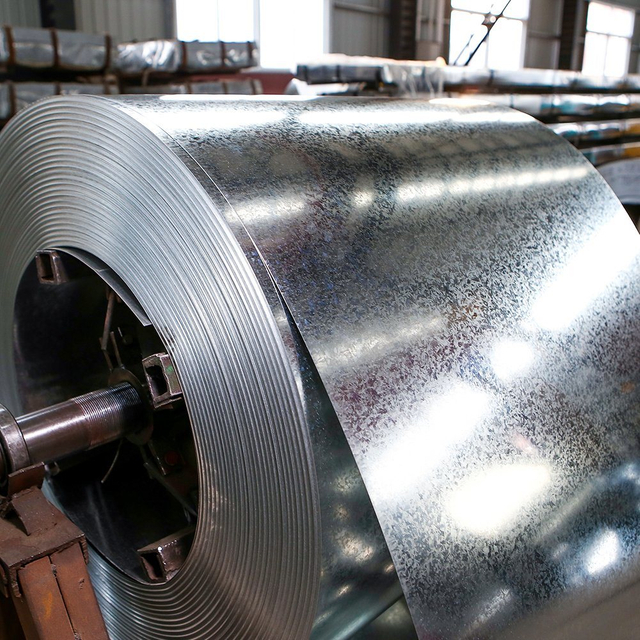
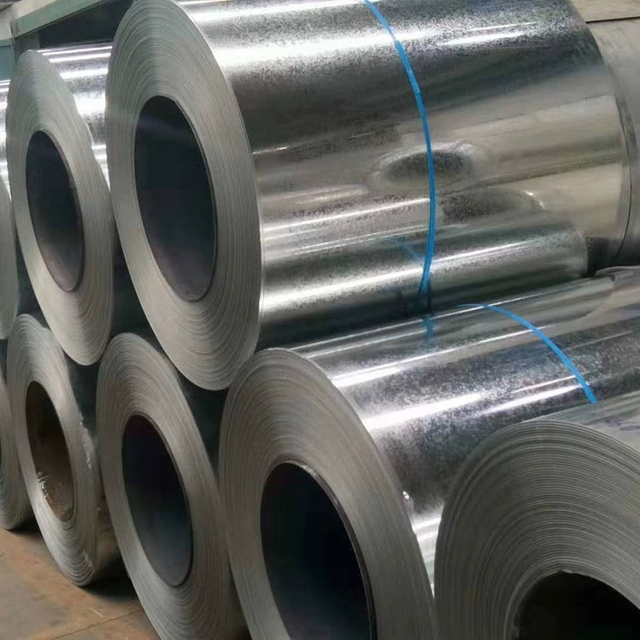
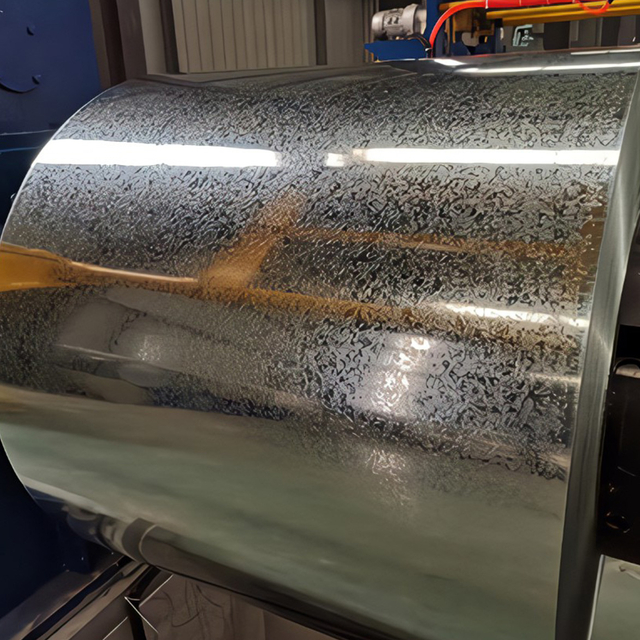
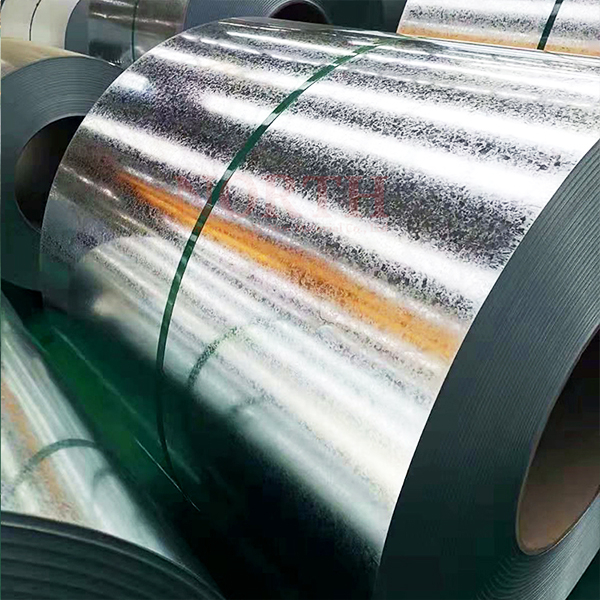
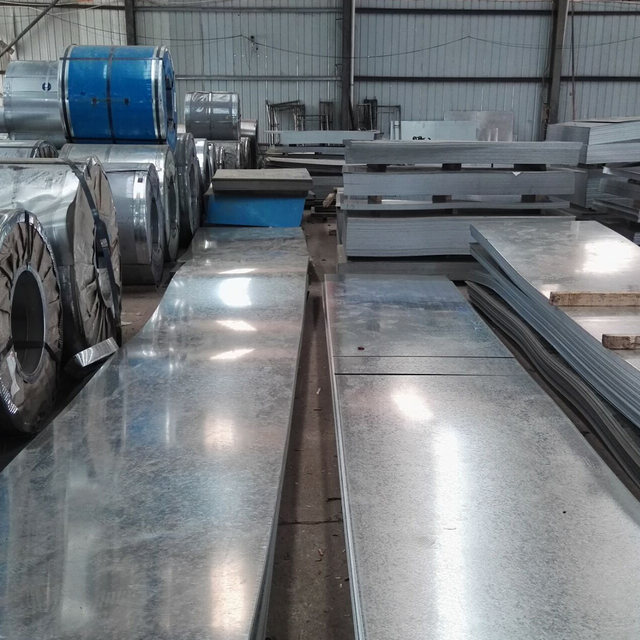
Is galvanized steel toxic? This is a common question among buyers, fabricators, and end-users. The short answer is no. Galvanized steel is entirely safe and non-toxic in its standard, room-temperature state. You interact with it daily without any adverse health effects.
However, toxicity risks do emerge under specific conditions. Problems arise when the material is subjected to extreme heat, such as welding or plasma cutting. Highly acidic environments, like food storage containers for specific ingredients, also present safety challenges. Understanding these thresholds is crucial for safe material handling and processing.
This guide provides buyers, engineers, and fabricators with an objective framework. You will learn how to evaluate safety limits and mitigate workplace risks. We will also explore how to confidently source compliant materials for your specific application requirements.
Key Takeaways
Baseline Safety: Standard handling and structural use pose virtually zero toxicity risks; the zinc coating is stable at ambient temperatures.
Thermal Risks: Heating galvanized steel above 1,650°F (900°C) vaporizes the zinc, creating fumes that cause "Metal Fume Fever" if inhaled.
Chemical Risks: Zinc reacts with acids; it is non-compliant for direct contact with acidic foods or beverages.
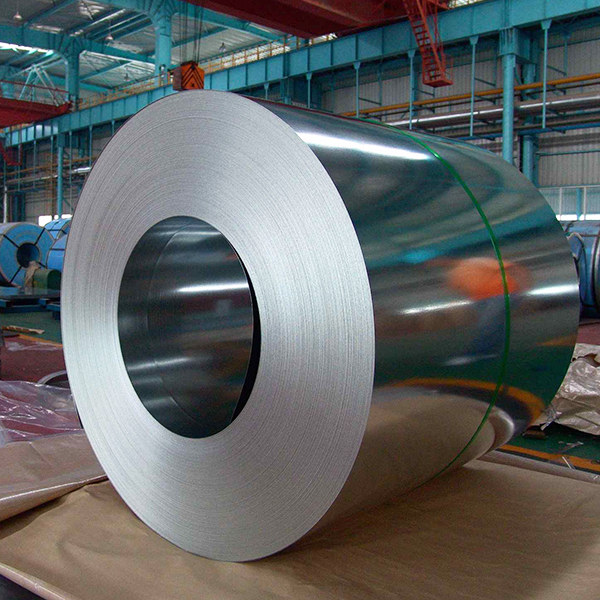
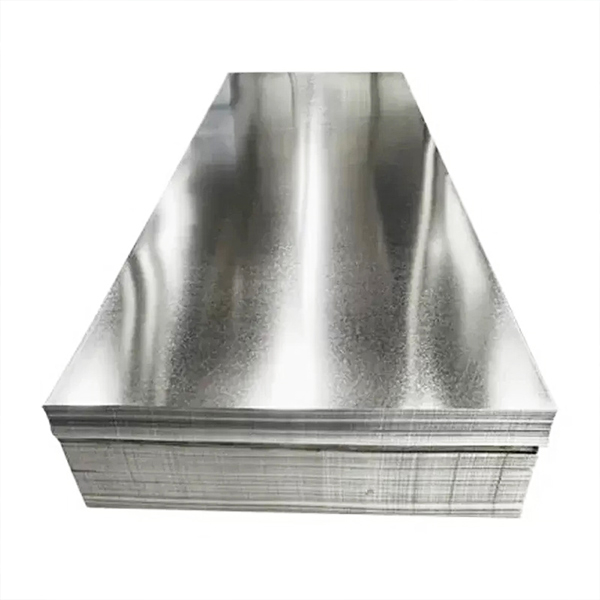
Procurement Strategy: Specifying the correct coating weight for your galvanized steel coil or sheet directly impacts both corrosion resistance and downstream fabrication safety.
1. Understanding the Chemical Reality of Galvanized Steel
To understand the safety profile of this material, we must look at its chemical composition. Manufacturers create Galvanized Steel by applying a protective zinc coating to bare steel. This prevents premature oxidation and rust.
The Zinc Barrier
This process creates a true metallurgical bond. The zinc does not just sit on the surface like paint. It chemically reacts with the underlying steel. This creates a highly durable, sacrificial anode. If the surface gets scratched, the surrounding zinc will corrode before the exposed steel. This property makes the material incredibly reliable.
Stable vs. Unstable States
Context determines the safety of zinc-coated metals. We can divide these conditions into stable and unstable states.
Environmental State | Application Examples | Risk Profile |
Stable (Ambient) | HVAC ductwork, handrails, structural framing, agricultural fencing. | Zero off-gassing. Completely safe for human contact and everyday handling. |
Unstable (Thermal/Chemical) | Welding, plasma cutting, storage of highly acidic liquids. | High risk of zinc vaporization or chemical leaching. Requires strict mitigation. |
Debunking Common Myths
Many people confuse zinc with toxic heavy metals like lead or mercury. This is a fundamental misunderstanding. Zinc is an essential trace mineral. Human biology requires it for immune function and cell growth. You ingest small amounts of zinc daily through your diet.
Touching a solid zinc coating poses no danger. The material does not emit toxic radiation. It does not release invisible gases at room temperature. The hazard only occurs when you alter its physical state through extreme heat or harsh acids.
2. Fabrication Hazards: Metal Fume Fever and Welding Risks
Fabrication floors present the most significant safety challenges for zinc-coated metals. Applying intense heat changes the molecular structure of the coating, creating immediate respiratory hazards.
The Core Threat
The danger begins when thermal processing temperatures exceed the vaporization point of zinc. Zinc melts at approximately 787°F (419°C). However, it vaporizes at 1,650°F (900°C). Standard welding arcs easily surpass 10,000°F. When the welding torch hits the metal, the zinc layer instantly turns into a gas.
This gas mixes with oxygen in the air to form fine zinc oxide particles. These microscopic particles create a highly visible, yellowish-white smoke. Inhaling this smoke directly introduces zinc oxide into the lungs.
Symptoms & Impact
Inhaling concentrated zinc oxide fumes causes a condition known as Metal Fume Fever. It is essential to understand the clinical reality of this condition without resorting to exaggerated alarmism.
Onset: Symptoms typically begin 4 to 10 hours after exposure.
Symptoms: Workers experience flu-like signs. These include chills, fever, muscle aches, chest soreness, and a metallic taste in the mouth.
Duration: The condition is usually temporary. Symptoms subside within 24 to 48 hours as the body processes and clears the excess zinc.
Long-term impact: While highly uncomfortable, occasional exposure does not typically cause permanent lung damage. However, repeated, chronic exposure severely impacts worker well-being and productivity.
Mitigation & Compliance
Modern fabrication shops completely eliminate these risks through standard industrial hygiene practices. Safety is highly manageable if you follow established protocols.
Mechanical Removal: The absolute best practice is grinding away the zinc layer before welding. Fabricators use a flap disc to clear 1 to 2 inches of coating around the weld zone. This exposes bare steel, eliminating the source of the fumes entirely.
Source Capture Systems: OSHA regulations mandate proper ventilation for indoor fabrication. Facilities must utilize localized fume extractors. These systems pull the smoke away from the worker's breathing zone immediately at the source.
Regulatory Compliance: Shop managers must monitor air quality to remain below the OSHA Permissible Exposure Limit (PEL) for zinc oxide fumes, which is 5 mg/m³ averaged over an eight-hour shift.
3. Compliance Criteria for Food, Water, and Agricultural Applications
Beyond the fabrication floor, safety questions often arise regarding consumer and agricultural applications. Chemical reactions dictate where you can safely use zinc-coated products.
FDA Guidelines & Food Contact
The FDA provides clear guidance regarding zinc and food contact. Zinc reacts aggressively with acids. You must never use zinc-coated containers to store, prepare, or cook acidic foods. Tomatoes, citrus fruits, fruit juices, and vinegar all possess low pH levels.
When acid touches the coating, it dissolves the zinc into the food. Consuming this leached zinc causes acute gastrointestinal distress, including nausea and vomiting. Conversely, these containers remain perfectly safe for dry goods. Storing grain, dry corn, or packaged foods presents zero risk of chemical transfer.
Agricultural & Planter Use
Raised garden beds are incredibly popular. Many home gardeners worry about toxins leaking into their vegetable soil. In practical applications, this concern is largely unwarranted.
Zinc is a naturally occurring soil micronutrient. Plants actually require it to thrive. Furthermore, standard garden soil typically maintains a neutral pH between 6.0 and 7.0. This neutral environment rarely triggers significant zinc degradation. The breakdown rate is so slow that it cannot cause toxicity in the soil or the plants growing inside the bed.
Water Storage Feasibility
You will often see corrugated metal tanks used for livestock hydration. These are entirely safe for animals. The trace amounts of zinc that might dissolve into neutral water do not harm cattle or horses.
However, modern municipal plumbing standards prohibit using these materials for potable human drinking water. This restriction largely stems from historical manufacturing practices. Older galvanizing baths sometimes contained trace amounts of lead. While modern production is much cleaner, plumbing codes evolved to utilize safer alternatives like copper or PEX for human consumption.
4. Sourcing Framework: Evaluating Galvanized Steel Coil and Sheet Options
Your safety strategy begins long before the material reaches the shop floor. Procurement choices directly impact downstream fabrication hazards. You must align your material selection with your manufacturing outcomes.
Aligning Material with Manufacturing Outcomes
Engineers must balance rust prevention with safe, efficient fabrication. Specifying an overly thick coating maximizes weather resistance but heavily complicates welding. Specifying a coating that is too thin makes welding safer but compromises longevity. The goal is finding the exact right specification for your project.
Specifying Galvanized Steel Sheet
When ordering a galvanized steel sheet, you must carefully match the coating designation to the project. Coatings are categorized by weight, such as G60 or G90.
A G60 sheet features 0.60 ounces of zinc per square foot. A G90 sheet features 0.90 ounces. Thinner coatings (like G40 or G60) significantly reduce the volume of zinc vaporized during inevitable welding processes. If your product lives indoors and requires heavy fabrication, specify a lighter coating weight. This proactive choice immediately reduces workplace fume generation.
Bulk Processing with Galvanized Steel Coil
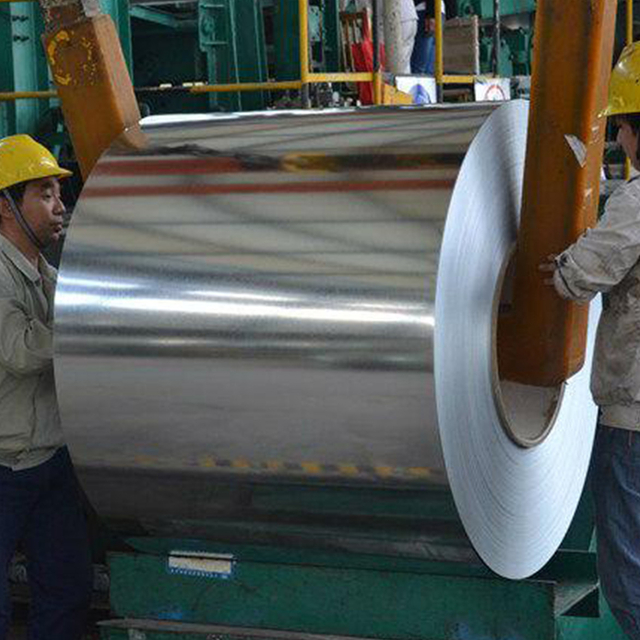
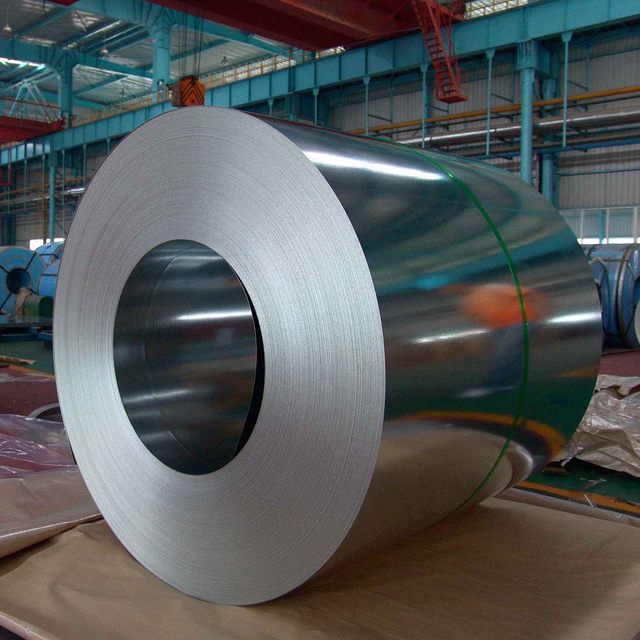
For high-volume manufacturing, buyers evaluate pre-galvanized materials versus post-fabrication dipping. Sourcing a galvanized steel coil is highly efficient for cold-forming, stamping, or roll-forming processes. These processes use pressure, not heat. Therefore, they carry zero toxicity risks.
If your manufacturing process requires extensive, complex welding, consider an alternative approach. Fabricate the entire structure using bare, uncoated steel. Once the welding is complete, send the finished assembly to a facility for hot-dip galvanizing. This workflow eliminates hazardous welding fumes altogether while still delivering premium corrosion protection.
Coating Designation | Zinc Weight (oz/sq ft) | Corrosion Resistance | Fume Generation (Welding) |
G40 | 0.40 | Low (Indoor Use) | Minimal |
G60 | 0.60 | Moderate | Moderate |
G90 | 0.90 | High (Outdoor Use) | Significant (Requires Extraction) |
Hot-Dip (Post-Weld) | Variable (Often >G90) | Maximum | None (Welded before coating) |
Quality Assurance
Procurement teams must demand verifiable Mill Test Reports (MTRs) from their suppliers. An MTR provides a certified chemical breakdown of the metal. Requesting these documents ensures you aren't inadvertently buying cheap materials with dangerous lead impurities in the zinc bath. High-quality vendors transparently share this documentation to prove their material meets strict ASTM safety and quality standards.
5. Implementation Checklist: Readiness and Risk Management
Transitioning zinc-coated materials into your production line requires preparation. Use this implementation checklist to ensure safety and compliance.
Facility Readiness
Audit your facility before introducing these metals to the shop floor. Focus on the breathing zone of your workers.
Ventilation Systems: Verify that downdraft tables and mobile fume extractors function correctly. Check filters regularly.
Personal Protective Equipment (PPE): Standard paper masks do not stop metallic fumes. Supply your welders with P100 half-mask respirators. These filters specifically block solid and liquid particulates, including zinc oxide.
Worker Training Protocols: Educate your floor staff on the symptoms of Metal Fume Fever. Train them on the mandatory requirement to grind away the coating before striking an arc.
Process Optimization
Audit your mechanical processes to bypass toxicity risks entirely. Shift away from thermal operations where possible. For instance, replace plasma cutting or laser cutting with mechanical shearing. Use cold-forming press brakes instead of heat-bending. By eliminating the thermal trigger, you eliminate the safety hazard.
Shortlisting Vendors
Your supply chain is a critical component of risk management. Evaluate vendors based on strict safety and quality criteria. Prioritize suppliers that offer transparent traceability. Look for consistent coating uniformity across their inventory. Uneven coatings cause unpredictable fume generation during fabrication. Finally, partner with suppliers who provide technical support and guidance on fabrication safety.
Conclusion
The concept of "toxicity" surrounding zinc-coated metals is highly conditional. In standard applications, the material remains incredibly safe, durable, and inert. Risks only materialize through extreme heat or highly acidic environments. By following proper protocols, you can entirely prevent these hazards.
Aligning your design requirements with the appropriate material grade protects both your end-users and your fabrication teams. You eliminate unnecessary risks by specifying the correct coating weights and employing proper fume extraction techniques on the shop floor.
To ensure your next project proceeds safely and efficiently, consult with material experts. They can help you select the exact grade and coating weight tailored to your manufacturing capabilities and environmental needs.
FAQ
Q: Is it safe to use galvanized steel for a fire pit?
A: No, standard campfire temperatures easily exceed the zinc vaporization point. Burning wood generates enough heat to melt and vaporize the protective coating, releasing noxious zinc oxide fumes into the air around your seating area.
Q: Can I get sick from touching galvanized steel?
A: No, the solid zinc coating is completely inert. It is entirely safe to handle bare-handed. Everyday contact with roofing, handrails, or ductwork poses zero health or toxicity risks to humans or animals.
Q: Does galvanized steel leach toxins into soil?
A: No, zinc is a naturally occurring soil micronutrient. The rate of degradation in standard, pH-neutral garden soils is incredibly slow. It will not cause toxicity in your soil or the vegetable plants growing nearby.
Q: Can you safely weld galvanized steel?
A: Yes, provided you follow safety protocols. The zinc must be ground off at the weld point to expose bare steel. Fabricators must also utilize proper localized fume extraction systems and wear P100 particulate respirators.