Yes, magnets stick to galvanized steel. You need a definitive answer when planning your next project, and we can confirm the magnetic attraction remains strong and reliable. The base metal provides the necessary magnetic pull. Meanwhile, the external zinc coating delivers robust corrosion resistance. This dual functionality matters immensely for procurement and engineering teams.
You might be selecting materials for magnetic fixtures. Or, you might require reliable structural framing for custom fabrication. Knowing exactly how these materials interact with magnetic fields changes your design approach. It helps you avoid costly mechanical failures in the field. In this guide, we break down the physical mechanics behind the magnetism. You will learn how zinc thickness impacts pull force. We will also explore the exact material specifications you need for flawless execution.
Key Takeaways
Galvanized steel retains the ferromagnetic properties of its carbon steel core; the zinc coating does not block magnetic fields.
Zinc layer thickness (especially coatings exceeding 50 microns) can introduce a slight physical gap, marginally reducing perceived magnetic pull force.
Base metal thickness dictates magnetic saturation; specifying overly thin material causes mechanical failure (dimpling) under heavy magnetic loads.
Selecting between a galvanized steel sheet and stainless steel depends entirely on the required balance of cost, magnetic strength, and environmental exposure.
The Mechanics: Why Galvanized Steel Retains Magnetism
Base Metal Dominance
The core substrate dictates the magnetic behavior. Underneath the protective exterior sits carbon steel. Carbon steel possesses a highly ferromagnetic crystalline structure. Iron atoms inside this alloy align easily when exposed to an external magnetic field. This rapid alignment creates a strong attractive force. You can rely on this dense iron core to hold heavy magnetic loads securely. The base metal does all the heavy lifting regarding magnetic attraction.
The Role of Zinc
Hot-dip galvanizing protects this vulnerable steel core from aggressive environments. Manufacturers submerge the raw steel substrate in a bath of molten zinc. This high-temperature process creates a permanent metallurgical bond between the metals. The resulting zinc layer acts as a sacrificial anode. It preferentially oxidizes when exposed to moisture. By sacrificing itself, the zinc prevents destructive red rust from attacking the iron beneath it.
The "Shielding" Reality
Pure zinc is completely diamagnetic. It does not possess any inherent magnetic properties. Many people assume this non-magnetic coating blocks magnetism entirely. That is a complete misunderstanding of the physics involved. Standard zinc coatings feature microscopic thickness. They simply do not disrupt the magnetic field generated by the underlying steel core. The invisible magnetic field easily penetrates the thin zinc barrier. You still achieve a solid, reliable grip.
Engineering Reality: How Coating and Material Thickness Affect Magnetic Pull
Coating Thickness (The Gap Effect)
Magnetism follows the inverse square law. As distance between a magnet and the metal increases, the attractive force drops exponentially. Think of thick galvanization as a physical spacer. Coatings exceeding 50 microns push the magnet slightly away from the active steel core. The zinc itself never neutralizes the magnetism. However, this microscopic physical gap slightly weakens the perceived surface-level attraction. Engineers must account for this gap when calculating required pull forces.
Substrate Thickness (Magnetic Saturation)
Material thickness introduces a critical implementation risk. Magnets need a specific volume of iron to achieve full clamping force. Industry professionals call this threshold magnetic saturation. Specifying an incredibly thin metal restricts the available magnetic pathways. The magnet simply cannot grip at its maximum potential. If the steel saturates before the magnet reaches its full pull strength, the fixture will inevitably slip or fail.
The Dimpling Risk
Heavy-duty magnetic mounts require sufficient steel mass to function safely. Hanging heavy tools or displays on ultra-thin metal leads to severe structural issues. The localized weight creates extreme torque at the mounting point. The metal begins warping almost immediately. Soon, you experience visible dimpling around the magnetic fixture.
To avoid mechanical deformation, watch out for these common engineering mistakes:
Applying industrial rare-earth magnets to thin-gauge decorative panels.
Ignoring the leverage created by cantilevered shelving brackets.
Failing to provide rigid backing behind flat magnetic boards.
Sourcing Recommendation
You need adequate mass to prevent these mechanical failures. We recommend 16-gauge low-carbon steel as your baseline specification. This gauge measures approximately 1.5mm in thickness. It provides excellent magnetic saturation for commercial magnets. It perfectly suits structural magnetic boards, RV mobile applications, and heavy-duty architectural wall panels.
Material Evaluation: Galvanized Steel vs. Alternative Magnetic Metals
Galvanized Steel vs. Stainless Steel
Metal microstructures dictate magnetic performance. Galvanized materials are consistently magnetic because the core remains unchanged. Stainless steel presents a much more complicated reality. Its magnetism depends entirely on its metallurgical phase.
Ferritic and martensitic stainless steels exhibit strong magnetic properties. However, austenitic stainless steels (like popular 304 and 316 grades) are completely non-magnetic. Adding high amounts of nickel during the alloying process destroys the magnetic field capabilities. Austenitic stainless steel inherently resists corrosion without any exterior zinc layer. It provides exceptional purity for cleanrooms. Yet, it cannot support magnetic fixtures. Hospitals often use austenitic stainless exactly for this reason, especially around MRI room constraints where stray magnetic fields cause catastrophic accidents.
Galvanized Steel vs. Aluminum
Aluminum offers excellent corrosion resistance and weighs very little. However, aluminum is completely non-magnetic. It lacks the iron atoms necessary to interact with a magnetic field. This makes aluminum entirely unsuitable for magnetic fixture applications. While both metals thrive in harsh weather, only the steel-based option supports magnetic mounting systems.
Material Comparison Chart
Material | Magnetic Properties | Corrosion Protection Method | Ideal Use Case |
Galvanized Steel | Strongly Ferromagnetic | Sacrificial Zinc Coating | Magnetic wall panels, structural framing, tool boards. |
Austenitic Stainless (304/316) | Non-Magnetic | Inherent (Chromium Oxide Layer) | Medical equipment, food processing, MRI rooms. |
Ferritic Stainless (430) | Ferromagnetic | Inherent (Chromium Oxide Layer) | Appliance trim, automotive exhaust components. |
Aluminum | Non-Magnetic | Inherent (Aluminum Oxide Layer) | Lightweight aerospace parts, non-magnetic enclosures. |
Specifying at Scale: Procuring Galvanized Steel Sheet and Coil for Magnetic Applications
Form Factor Considerations
Choosing the correct form factor streamlines your manufacturing process. Procurement teams usually select between flat sheets and continuous coils.
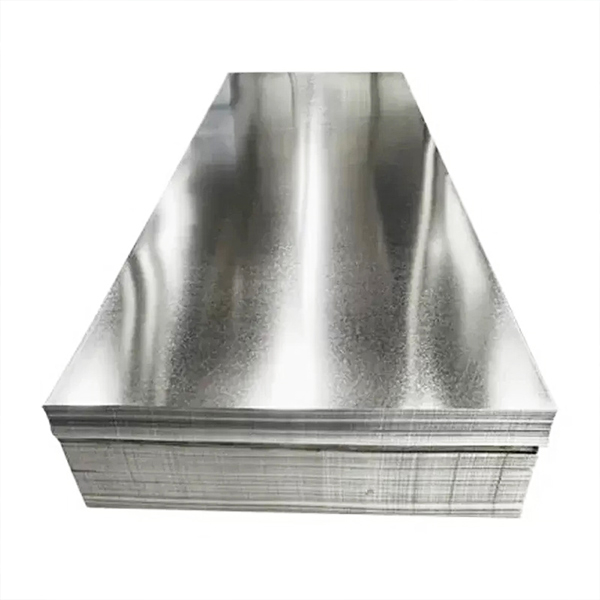
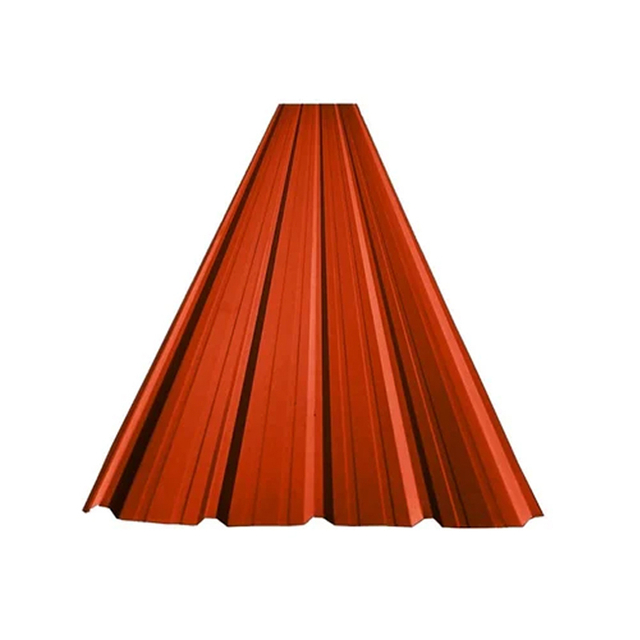
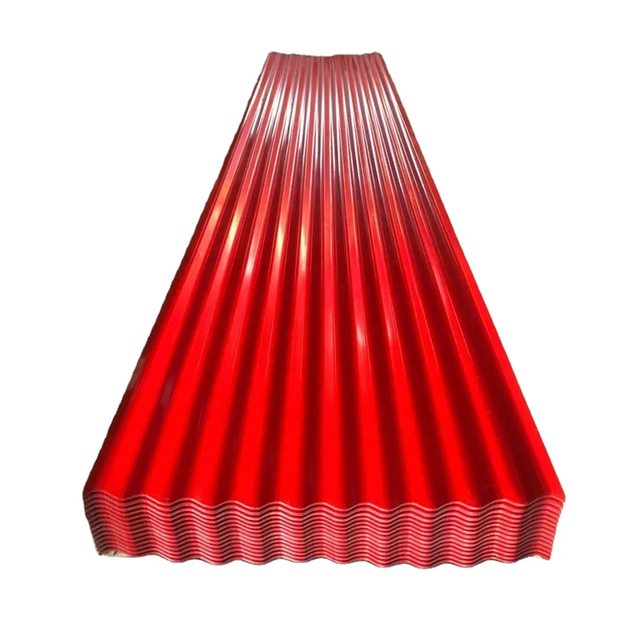
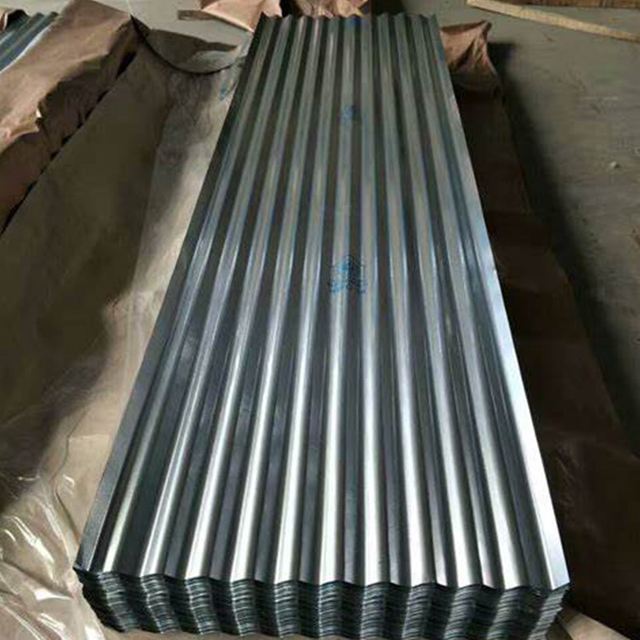
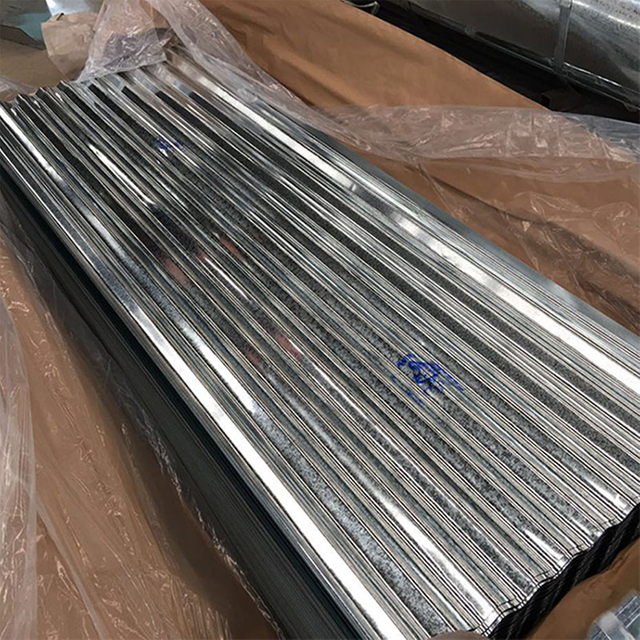
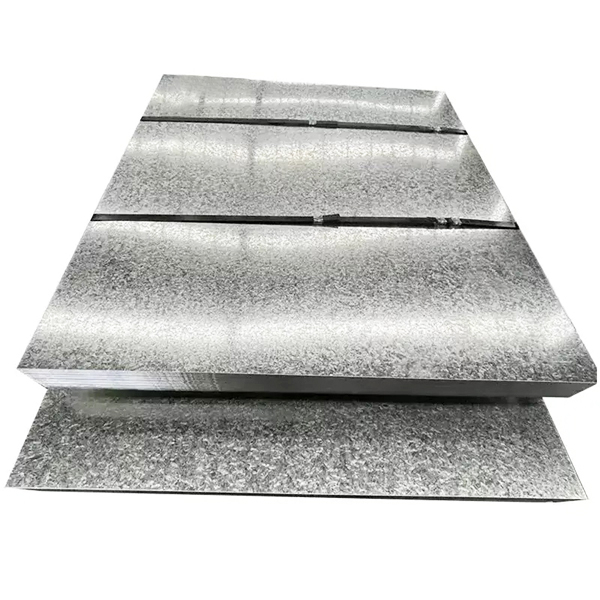
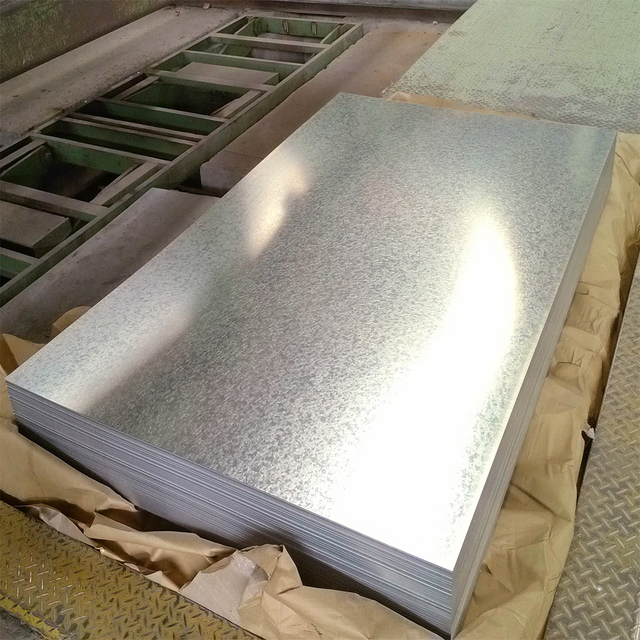
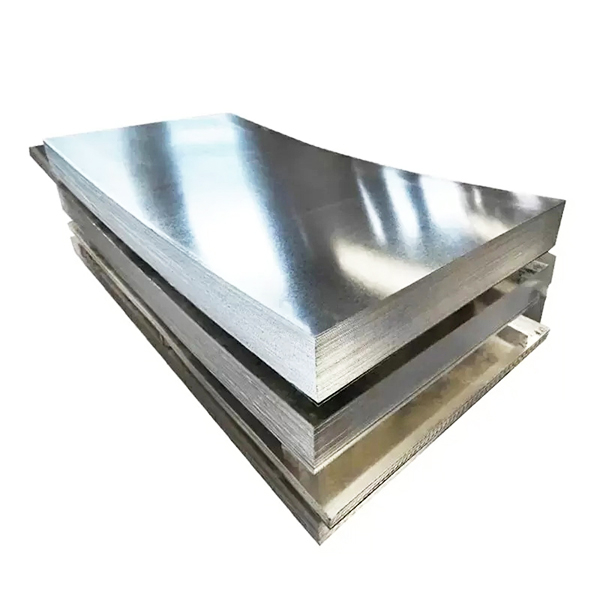
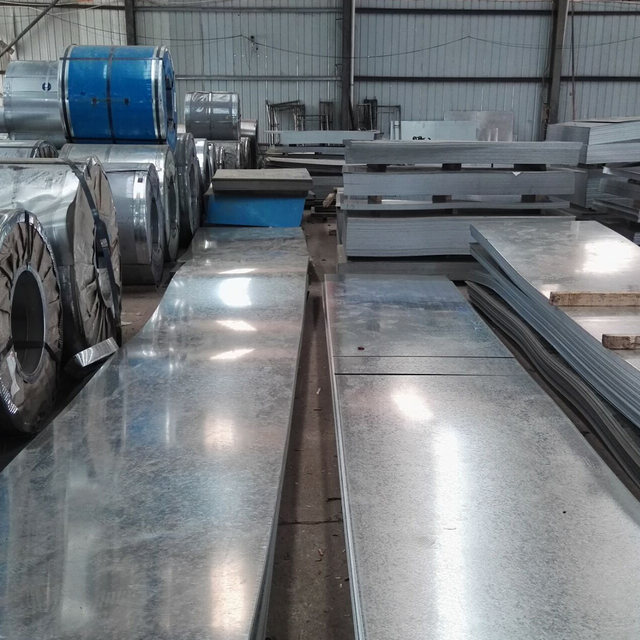
A galvanized steel sheet proves ideal for flat-panel applications. Contractors rely on precut sheets for architectural magnetic walls, custom whiteboards, and aftermarket structural modifications. Sheets arrive flat and ready for immediate installation or laser cutting. They require minimal processing before hitting the assembly floor.
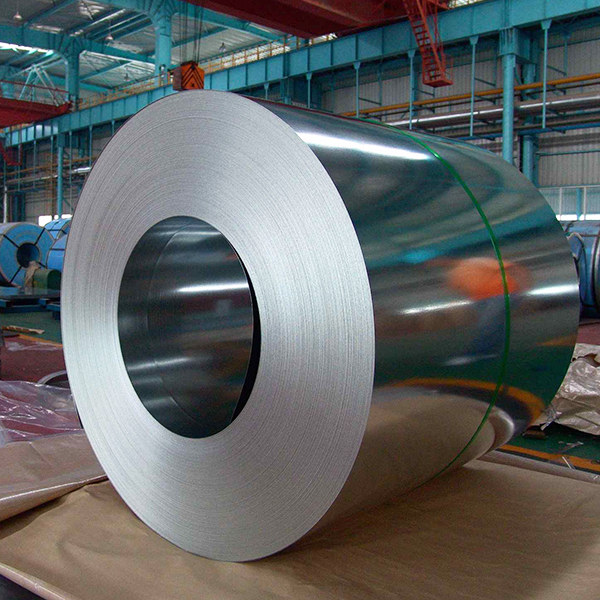
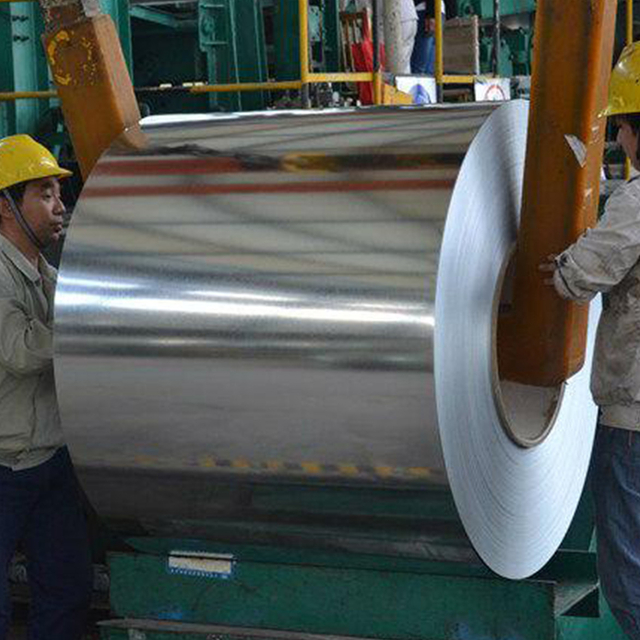
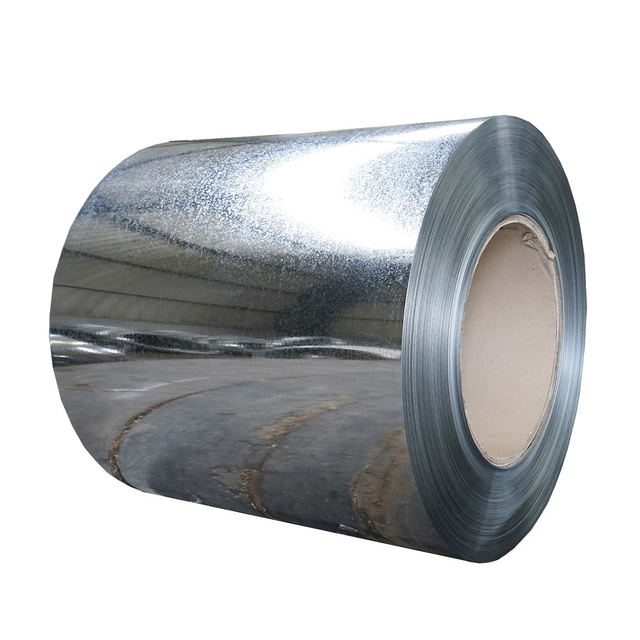
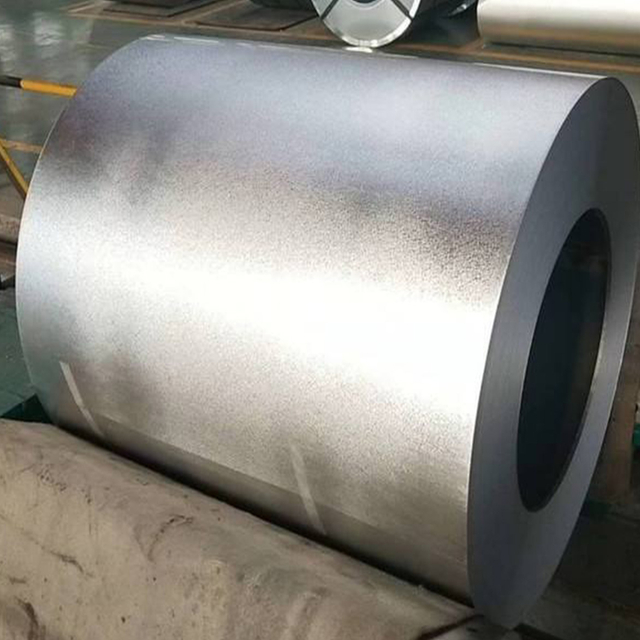
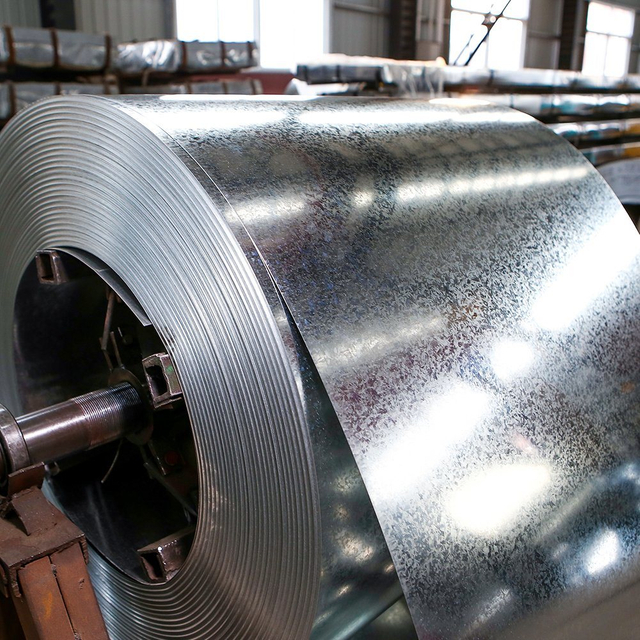
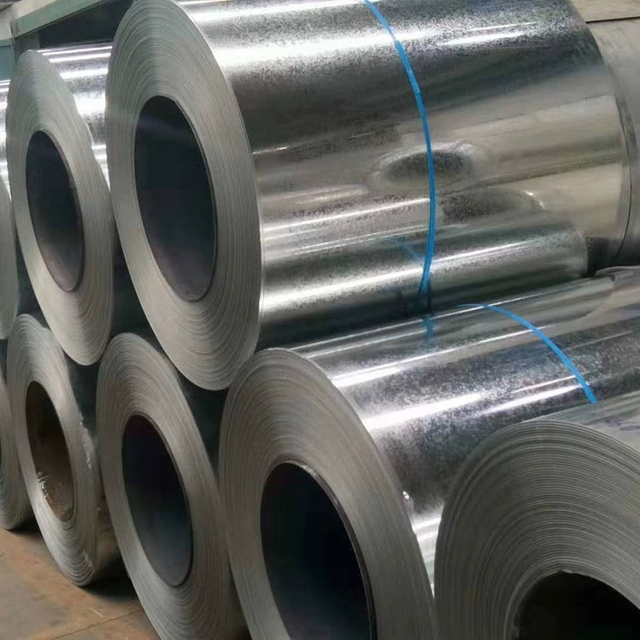
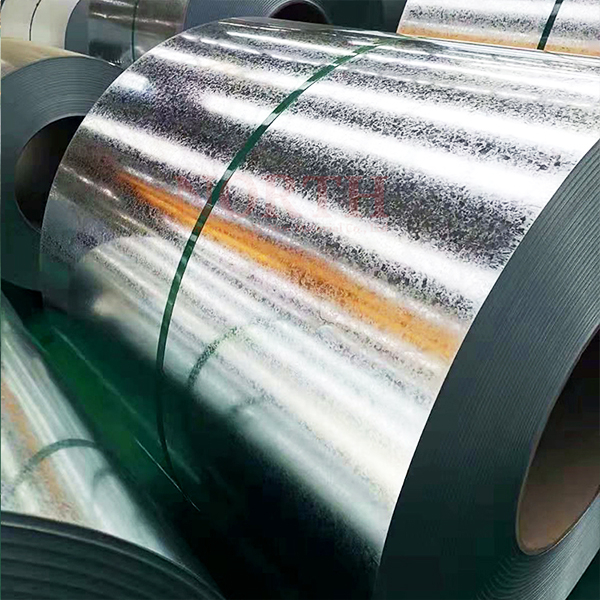
Conversely, a galvanized steel coil serves as the necessary format for high-volume OEM manufacturing. Large-scale facilities use continuous coils for automated stamping and the roll-forming of magnetic-compatible structural tracks. Buying in coil form minimizes material waste during continuous production runs.
Quality Control
You must ensure the galvanization process aligns with your magnetic requirements. Surface flatness heavily dictates magnetic adhesion. Pay close attention to spangle formation.
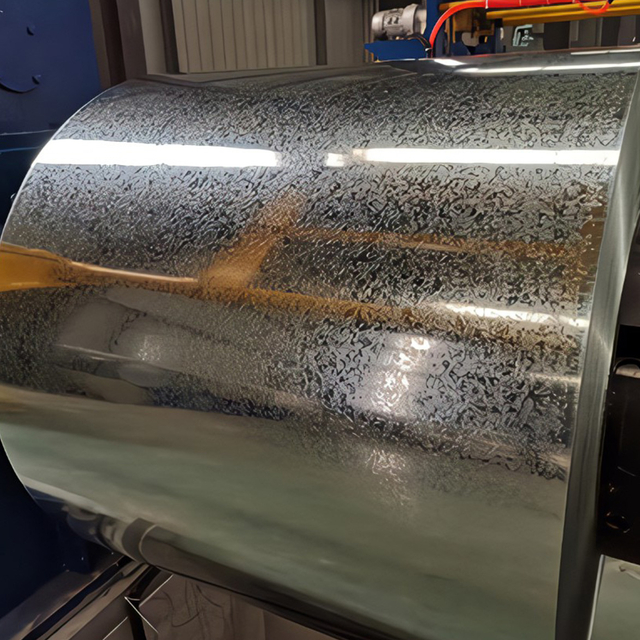
Spangles are the visible crystalline patterns on the zinc surface. Large, heavy spangles create micro-ridges. These ridges prevent flat magnets from achieving flush contact. Poor contact reduces the effective pull force. We advise specifying a "zero-spangle" or "minimized spangle" finish. A smoother surface guarantees optimal flush mounting for your magnetic fixtures.
Debunking Common Supplier Misconceptions
The "Zinc Cancels Magnetism" Myth
You will frequently encounter conflicting information online. Some supplier documentation incorrectly claims the galvanization process permanently removes magnetism from the underlying steel. This is scientifically false. The myth stems from a basic misunderstanding of material composites.
Scientific Correction
We must clarify the crucial difference between a "non-magnetic coating" and a "non-magnetic material." The exterior zinc coating is undeniably non-magnetic. However, the composite material as a whole remains highly ferromagnetic. Adding a microscopic layer of non-magnetic paint, plastic, or zinc over a massive iron core never destroys the core's physical properties. The iron atoms continue generating a strong field.
Field Identification
Procurement and quality assurance teams must verify materials upon delivery. You cannot always trust shipping labels. Follow this three-step methodology to verify your shipment:
The Magnet Test: Apply a high-strength neodymium magnet directly to the metal. If it snaps aggressively to the surface, you have a ferromagnetic material. Pure aluminum or austenitic stainless will produce zero attraction.
The Visual Check: Look for the characteristic crystalline spangle pattern on the surface. While some modern sheets use zero-spangle processes, standard materials exhibit a distinct grey, snowy texture unique to zinc.
The Chemical Test: Apply a drop of copper sulfate solution to a small, scratched section. The zinc will immediately react, turning a dark black or brown color. Aluminum will not react to copper sulfate in the same aggressive manner.
Conclusion
Galvanized steel remains highly effective for all commercial and industrial magnetic applications. The material delivers an unbeatable combination of heavy-duty holding power and severe weather resistance. However, success requires careful engineering. You must account for the physical gap created by heavy zinc thickness. You must also ensure the base metal gauge is thick enough to reach magnetic saturation without dimpling.
Before moving forward, calculate your required magnetic load limits. Analyze the exact weight your fixtures need to support. Once you establish these metrics, you can confidently request quotes for specific gauges of sheet or coil. Proper specification guarantees your installations will perform flawlessly in the field.
FAQ
Q: Does stainless steel ever need to be galvanized?
A: No. Stainless steel contains high levels of chromium and nickel. These alloys create an inherent, self-healing oxide layer that provides severe rust resistance throughout the entire metal mass. Adding an external zinc galvanization layer becomes physically redundant and commercially impractical. The underlying stainless steel already outperforms the zinc coating.
Q: Can I use a flexible magnetic sheet on galvanized steel?
A: Yes. However, flexible magnets (like those used for refrigerator magnets) feature very short, alternating magnetic poles. They require direct, perfectly flush contact to grip successfully. They are highly sensitive to surface irregularities. Extremely thick zinc layers or heavy spangle patterns can disrupt their weak magnetic fields, causing them to slide.
Q: Will rust form if a strong magnet scratches the galvanized surface?
A: Usually, no. The coating utilizes cathodic protection. Even if a sharp magnet causes minor surface scratching, the surrounding zinc acts as a sacrificial anode. It will preferentially oxidize to protect the tiny patch of exposed steel. However, deep gouges that entirely remove wide sections of zinc may eventually compromise the barrier.