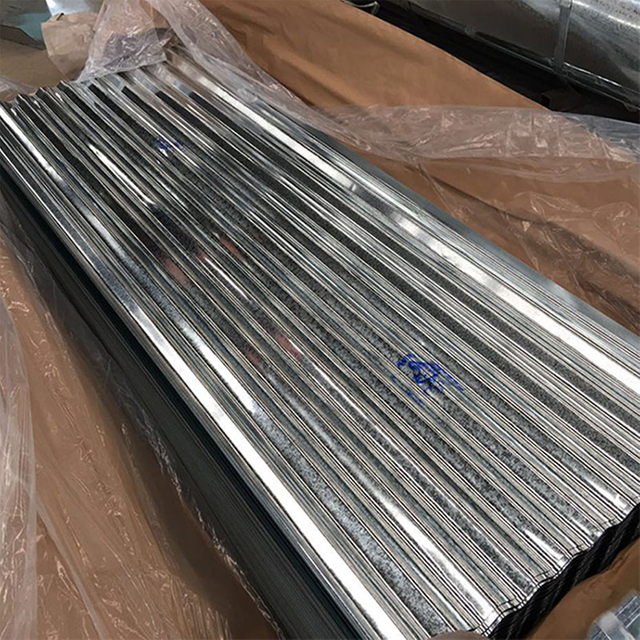
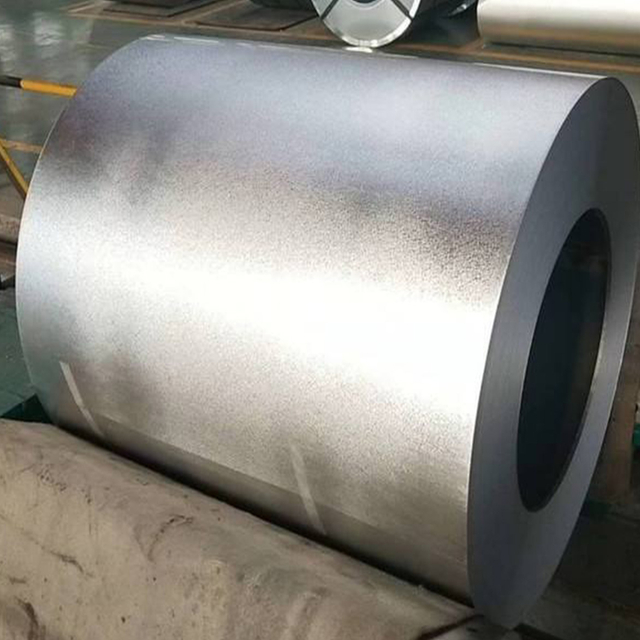
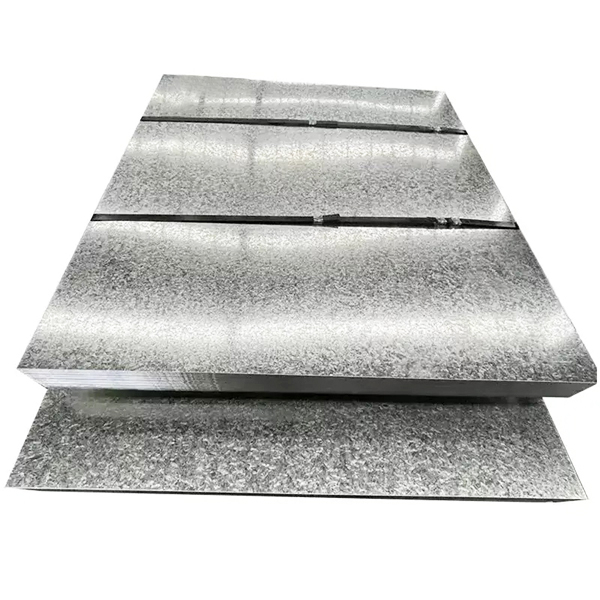
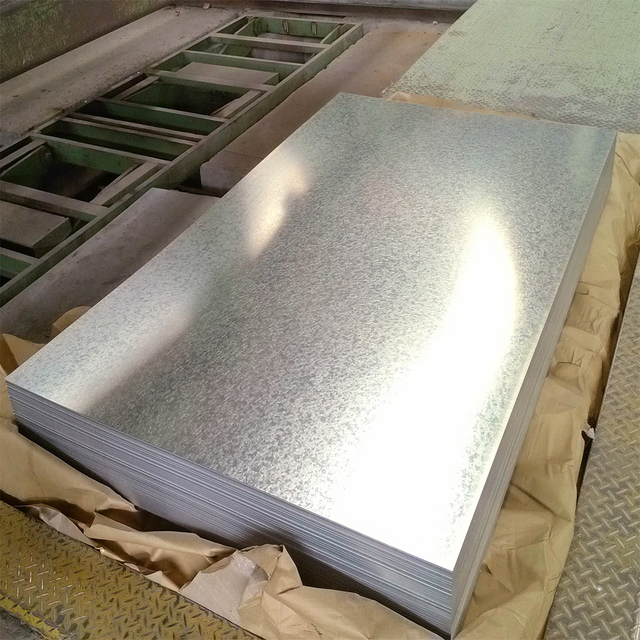
Engineers, fabricators, and procurement teams often judge galvanized metal by its appearance. You might look at a new batch of steel and expect a shiny, flawless finish. However, visual traits like shininess or traditional "spangles" are poor indicators of actual corrosion resistance. Many buyers mistakenly reject dull gray components, wrongly assuming the protective layer is defective.
True quality verification requires understanding metallurgical reactions. You must evaluate base steel chemistry and verify strict ASTM compliance rather than just looking for a silver surface. Relying on visual checks alone often leads to costly project delays.
This guide provides a technical framework for visually identifying galvanized coatings. We will explore why batch colors vary significantly during production. Finally, you will learn how to establish objective evaluation criteria for sourcing reliable materials, ensuring your next structural project meets rigorous engineering standards.
Key Takeaways
Appearance ≠ Performance: A dull, matte gray finish often indicates a thicker, highly durable zinc-iron alloy layer, not a defective coating.
The "Spangle" Myth: Prominent snowflake-like spangles were historically a byproduct of lead impurities; modern, environmentally compliant galvanized steel often features a smoother, less textured appearance.
Verification Requires Instrumentation: While visual and field tests (like acid reactions) provide clues, confirming a true hot-dip galvanized coating requires measuring the metallurgical intermetallic layers via laboratory testing or magnetic thickness gauges.
Specify by Data, Not Aesthetics: Successful procurement relies on matching Mill Test Reports (MTRs) and ASTM standards to your specific application, rather than dictating an exact color match.
Visual Characteristics: Bright Silver, Dull Gray, and the "Spangle"
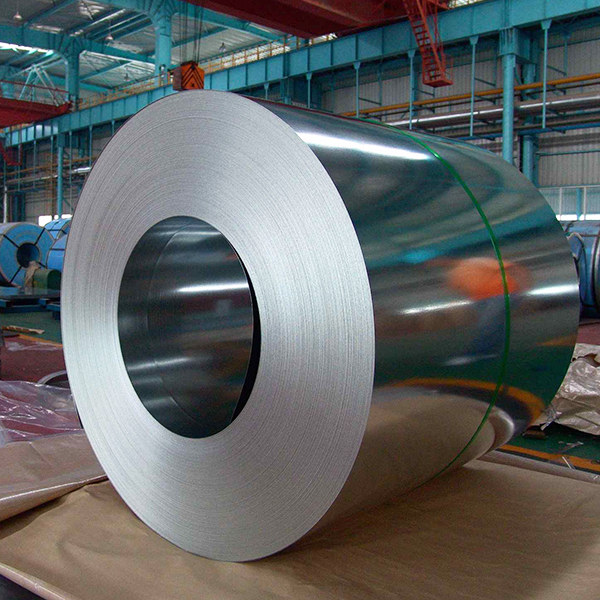
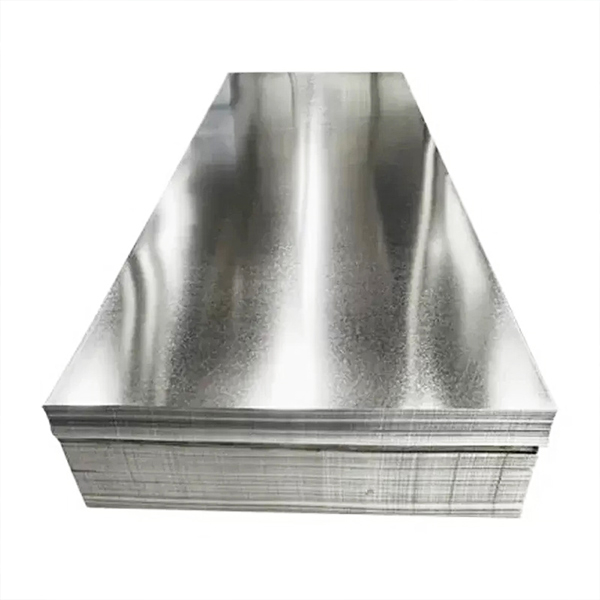
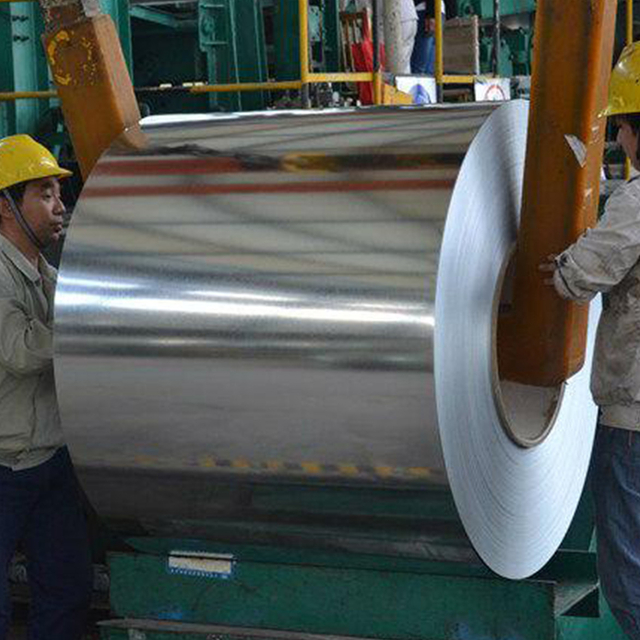
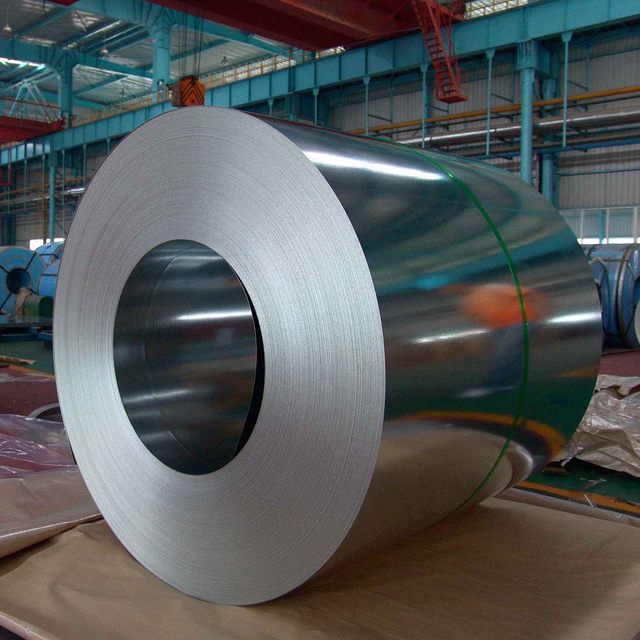
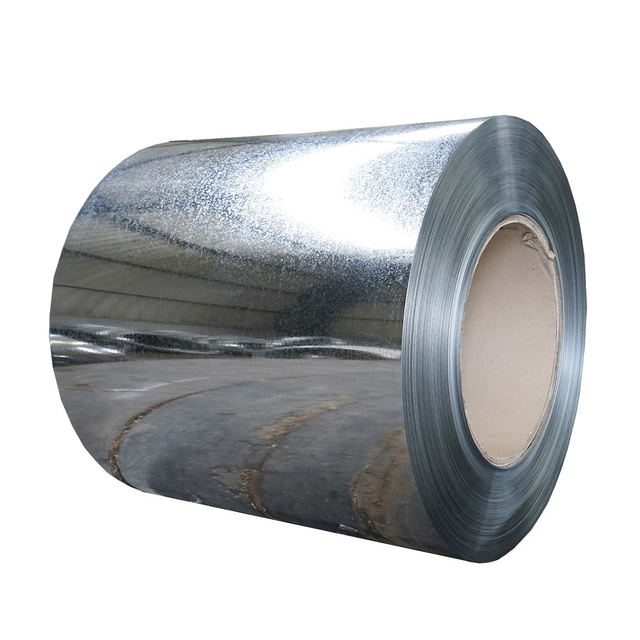
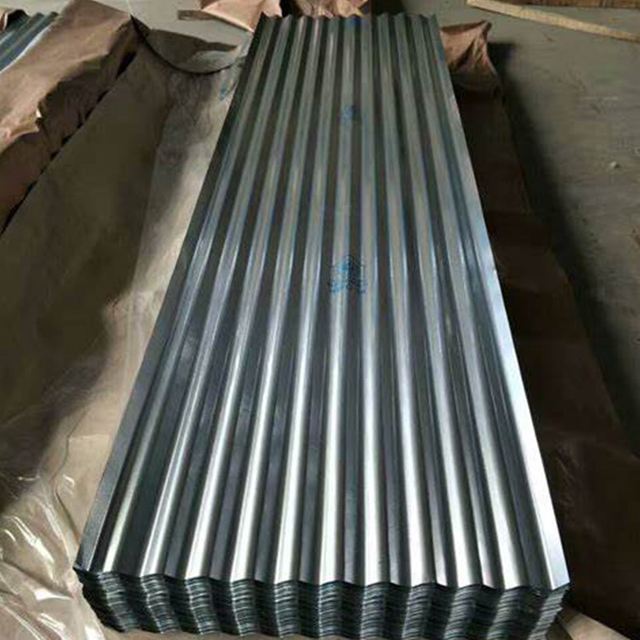
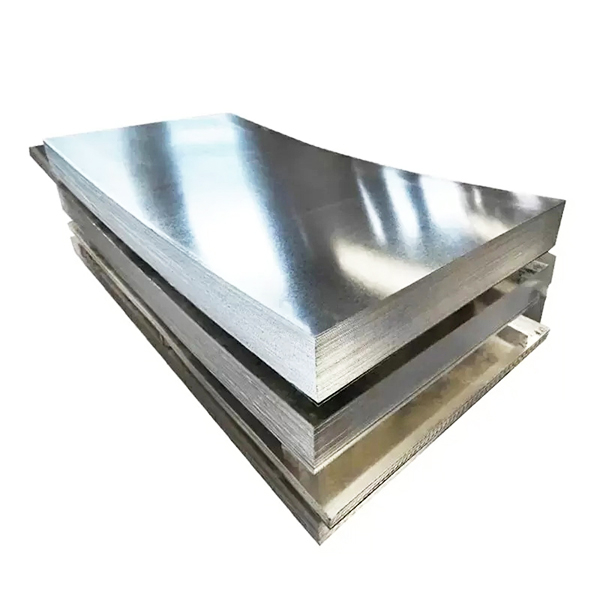
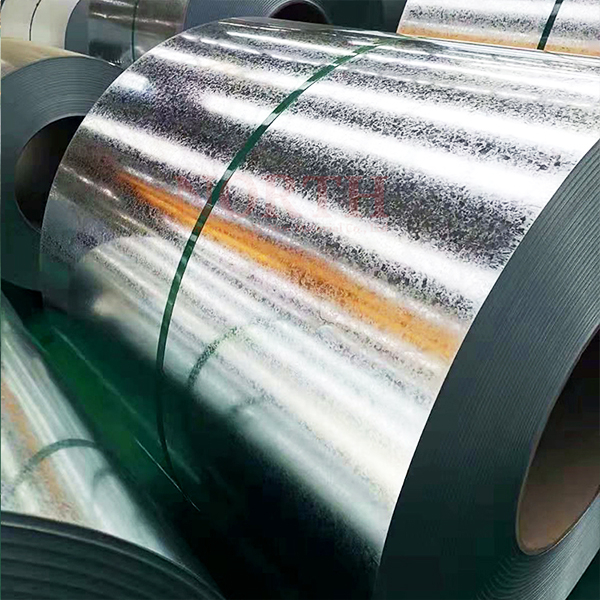
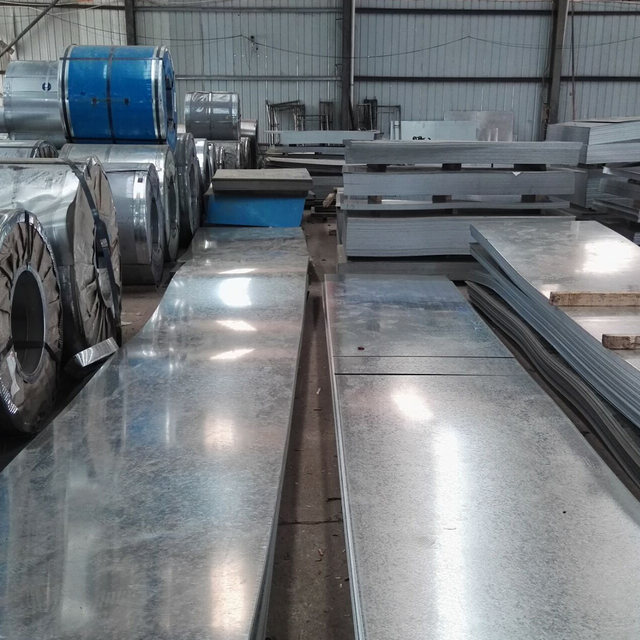
The standard visual range of newly processed materials varies widely. When inspecting freshly processed deliveries, you might notice extreme aesthetic differences. A single galvanized steel sheet might display finishes ranging from bright, reflective silver to a flat, dull gray. This variation usually happens during the initial cooling phase after the metal exits the zinc bath.
To better understand these surface differences, we can categorize the initial finishes into a defined aesthetic spectrum. The chart below summarizes the visual conditions you will typically encounter on the shop floor.
Visual Finish | Primary Cause | Surface Texture |
Bright / Shiny Silver | Presence of a pure "free zinc" outer layer (Eta layer). | Smooth, highly reflective. |
Matte / Dull Gray | Zinc-iron alloy layers reaching the outer surface during cooling. | Flat, slightly rougher, non-reflective. |
Mottled (Mixed) | Uneven cooling rates across different sections of a single large part. | Patchy combination of shiny and dull areas. |
Decoding the "Spangle" Pattern
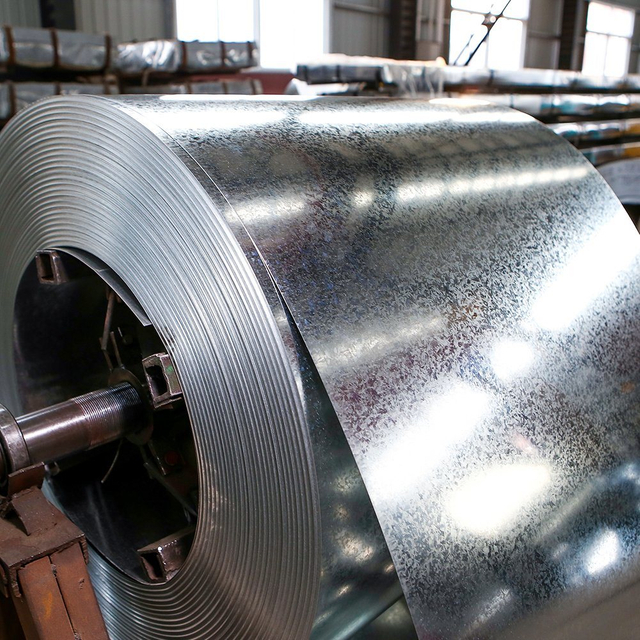
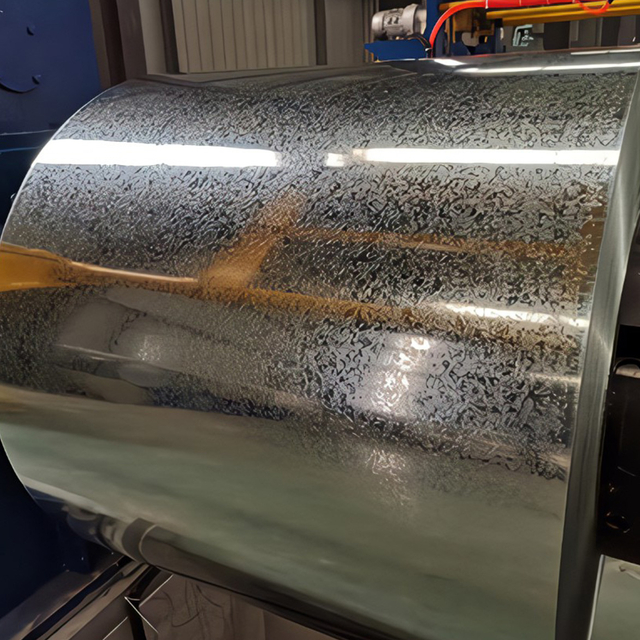
The term "spangle" refers to the crystalline aesthetic visible on the metal surface. This pattern forms through a specific nucleation process. As the molten zinc cools below 787°F, zinc atoms attach to seed crystals on the steel surface. They form distinct hexagonal crystal patterns as the temperature drops.
Industry Reality Check: Large, highly visible spangles are largely a thing of the past. Early galvanizing processes utilized toxic lead additives to decrease the viscosity of the zinc bath, which inadvertently created these massive snowflake patterns. Buyers grew accustomed to this look. Modern facilities now prioritize environmental safety and worker health. They use safe additives like antimony or eliminate additives altogether. As a result, contemporary Galvanized Steel exhibits much smaller spangles or entirely smooth finishes.
Weathering Progression
You should also recognize how the metal appearance evolves in the field. Galvanized surfaces do not remain shiny forever. Over the first 6 to 8 months of outdoor exposure, the surface undergoes a natural weathering progression. The metal reacts to moisture and carbon dioxide in the atmosphere. The initial brightness fades, transitioning into a uniform, muted gray zinc-patina. This zinc carbonate layer provides an incredibly tough, naturally occurring barrier against environmental corrosion.
Why Coating Appearance Does Not Dictate Corrosion Resistance
Buyers often experience severe anxiety when receiving a batch of dark or matte metal. They assume a dull gray finish indicates a failure in the galvanizing process. This "dull gray" quality misconception leads to unnecessary material rejections and strained supplier relationships. In reality, aesthetics have almost no correlation with the ultimate corrosion resistance of the material.
The Role of Steel Chemistry
The reactivity of the base steel actually drives the visual outcome. Specifically, the Silicon and Phosphorus content within the raw steel determines how aggressively the iron reacts to the molten zinc. Highly reactive steel pulls more iron into the zinc coating during the cooling process. If the steel falls into a highly reactive category, the metallurgical reaction continues even after the steel leaves the galvanizing bath.
The Zinc-Iron Alloy Advantage
A dark, matte finish indicates the coating is comprised almost entirely of zinc-iron intermetallic layers. Normal galvanized coatings feature an outer layer of pure zinc, which provides a shiny look. Reactive steel consumes this pure zinc layer, converting it entirely into a zinc-iron alloy.
Decision Framework: You should view this matte gray finish as an advantage rather than a defect. While it lacks the shiny "free zinc" layer, the accelerated reaction typically results in a completely thicker overall coating. Thicker coatings directly translate to equal or superior longevity in harsh environments. However, handlers and fabricators must exercise caution. Pure zinc-iron alloy layers tend to be slightly more brittle. You should avoid heavy mechanical impacts or excessive bending to prevent localized flaking.
How to Accurately Identify Galvanized Steel
Relying purely on visual aesthetics creates risks. You need empirical methods to verify the presence and quality of a galvanized coating. These methods range from simple workshop hacks to rigorous laboratory analyses.
Initial Visual & Field Checks (The "Workshop Hacks")
Field workers often use quick checks to assess unknown metal stock. These methods do not replace formal testing, but they offer rapid preliminary clues.
Rust Inspection: Examine the piece for active red rust. A genuine galvanized coating prevents red rust formation. You might spot white powdery residue (white rust), but the absence of red iron oxide strongly suggests a protective zinc layer.
The Vinegar/Acid Test: Apply a few drops of mild acidic solution like household vinegar or diluted hydrochloric acid to the surface. A mild chemical reaction resulting in bubbling indicates the presence of zinc. Keep in mind this test only proves zinc exists; it cannot identify the specific galvanizing application method used.
Non-Destructive Testing (NDT) for the Shop Floor
For accurate shop floor verification, quality control teams rely on non-destructive testing equipment. Magnetic or electronic coating thickness gauges provide immediate, actionable data. These handheld devices confirm the presence of a non-ferrous coating applied over a ferrous base metal.
By measuring the exact mil thickness, inspectors can verify compliance. Structural components must typically meet ASTM A123 thickness standards. Depending on the material category and steel thickness, acceptable ranges usually fall between 1.4 to 3.9 mils. A reading within this range effectively confirms adequate protection levels.
Laboratory Verification (The Ultimate Proof)
Sometimes you must definitively differentiate true hot-dip galvanizing from zinc-rich paints, thermal spraying, or mechanical plating. All these methods utilize zinc, making basic chemical tests inconclusive.
Scientific Evidence: True hot-dip galvanizing stands alone in its metallurgical structure. It is the only application method creating a genuine metallurgical bond featuring three distinct intermetallic layers (Gamma, Delta, and Zeta). Laboratory technicians verify this structural unique signature through cross-sectional micro-photography. Alternatively, scientists use Electron Paramagnetic Resonance (EPR) to detect the specific iron-zinc integration unique to the hot-dip process.
Matching the Type of Galvanized Steel to Your Application
Procurement success requires matching the manufacturing process to your environmental demands. Not all zinc-coated metals perform identically. Specifying the correct material prevents premature degradation and optimizes manufacturing efficiency.
Hot-Dip Galvanized (HDG): This process immerses steel directly into molten zinc. It offers the thickest possible coating. HDG remains the absolute best choice for maximum outdoor longevity and structural integrity. Due to the aggressive metallurgical reaction, its final appearance remains highly variable.
Electrogalvanized (EG): Manufacturers apply zinc using an electrical current in a chemical bath. This creates a very thin, uniform, and exceptionally shiny layer. EG represents the ideal choice for indoor applications or components requiring a flawless aesthetic before painting. However, it offers minimal heavy-duty corrosion protection in aggressive outdoor environments.
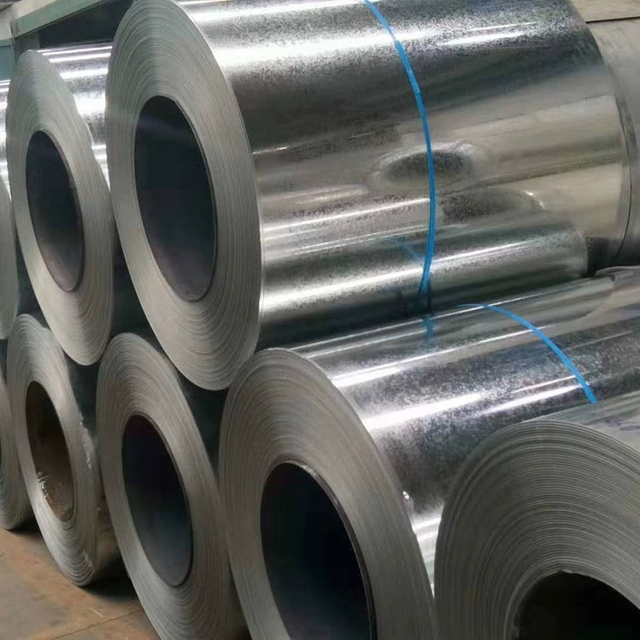
Galvannealed Steel: This utilizes a specialized secondary process. After initial coating, the galvanized steel coil undergoes an immediate heat-treatment process. The heat forces iron from the base steel to diffuse entirely into the zinc layer. It leaves a matte gray finish featuring a slightly porous texture. The resulting surface becomes highly weldable and offers superior paint adhesion, making it heavily utilized in automotive manufacturing.
Selection Matrix Logic: We advise buyers to prioritize intended outcomes over raw metallic aesthetics. Use the matrix below to guide your procurement strategy.
Application Goal | Recommended Type | Key Characteristic |
Raw Outdoor Exposure (e.g., Highway guardrails) | Hot-Dip Galvanized (HDG) | Maximum thickness, variable aesthetic. |
Indoor Appliance Panels (pre-painted) | Electrogalvanized (EG) | Flawless smooth surface, thin protection. |
Automotive Body Parts (weldable & paintable) | Galvannealed Steel | Matte alloy surface, excellent paint adhesion. |
Procurement Red Flags: White Rust and Sourcing Standards
When shipments arrive, visual inspection remains critical for identifying storage and handling issues. You must distinguish between cosmetic surface stains and genuine base metal vulnerabilities.
Identifying "White Rust" (Wet Storage Stain)
You may occasionally uncover a powdery white residue covering newly delivered metal. This substance is commonly known as "white rust" or wet storage stain. White rust consists of zinc hydroxide. It forms rapidly when moisture becomes trapped between tightly stacked metal surfaces without adequate airflow.
This situation often occurs during transit under tarps or through poor warehouse storage practices. White rust looks alarming, but it is not necessarily a failure of the base metal. Light, powdery white rust easily brushes off and rarely affects the long-term corrosion resistance. However, thick, dark, crusted formations require aggressive mechanical cleaning and may indicate a compromised coating lifespan.
Setting Expectations with Suppliers
Proactive procurement requires clear communication and data-driven expectations. You can eliminate most supply chain disputes by adopting stringent documentation practices.
Request Mill Test Reports (MTRs): Always ask suppliers for MTRs before issuing purchase orders. Review the Silicon and Phosphorus levels. Ensuring the base steel chemistry falls within ideal parameters helps you anticipate the final aesthetic outcome.
Risk Mitigation: We strongly advise against specifying "color consistency" or "uniform spangle" in procurement contracts for hot-dip materials. Metallurgical realities make absolute visual consistency impossible across different batches.
Specify Standards: Instead of focusing on aesthetics, specify strict adherence to industry standards. Dictate compliance with ASTM A123 for structural components or ASTM A653 for sheet and coil products.
Conclusion
Galvanized steel's appearance results from a complex interplay of metallurgy, cooling rates, and base steel chemistry. While shiny silver finishes look appealing on the factory floor, a dull gray alloy layer often provides superior, long-lasting environmental protection. Judging material quality by eye alone leads to unnecessary rejections and wasted resources.
We encourage you to evaluate shipments based strictly on coating thickness, alloy composition, and recognized ASTM compliance standards rather than surface shine. Real quality lies in the microscopic metallurgical bond, not the reflective sheen.
Invite your procurement teams and engineers to consult with materials experts early in the design phase. By understanding these technical realities, you can confidently select the exact specification of zinc-coated metal required for your specific operational environment.
FAQ
Q: Can I tell if steel is galvanized by using a magnet?
A: No. The base steel is magnetic, but the zinc layer is not. A magnet will stick to galvanized steel, but this only proves the base is ferrous, not the nature of the coating.
Q: Why do some galvanized parts look shiny while others from the same batch look dull?
A: Differences in cooling rates or minor variations in the localized steel chemistry (specifically silicon and phosphorus content) cause different rates of iron-zinc alloy formation.
Q: Is galvanized steel heavier than regular steel?
A: Yes, but marginally. The zinc coating adds a small amount of overall weight, which can be a secondary indicator when comparing two identical parts.
Q: Can you paint over galvanized steel if you don't like the look?
A: Yes, using a "duplex system." However, the surface must be properly profiled and weathered, or specific primers must be used according to ASTM D6386 standards to prevent peeling.